
Something is shifting in the world behind your morning cup.
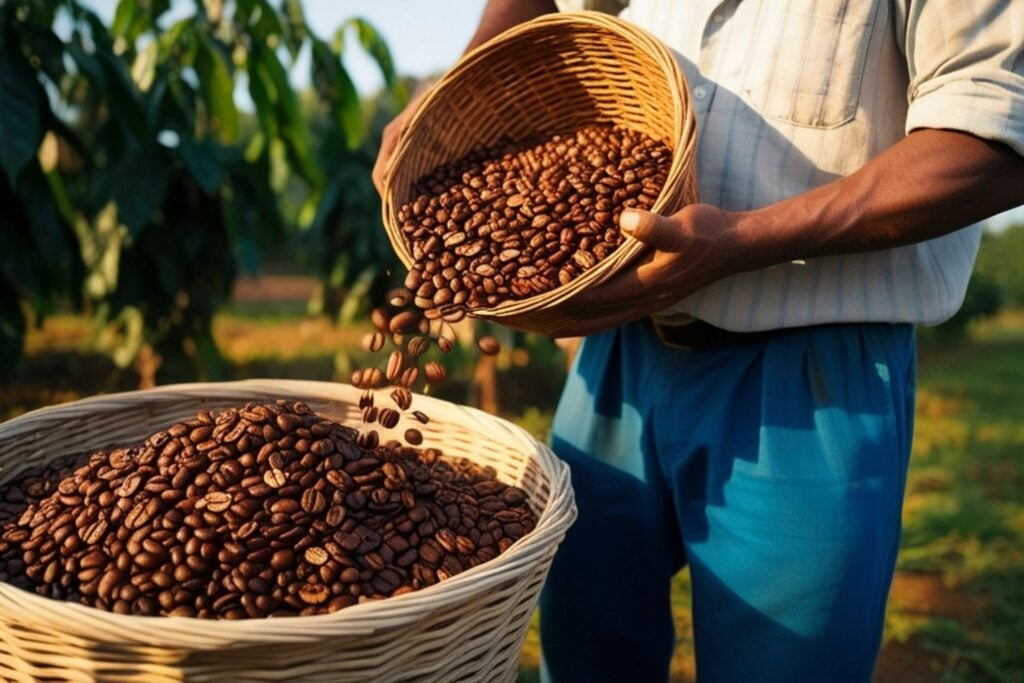
Tariffs were rolled back, at least on paper. Headlines suggested relief was coming. Yet grocery shelves tell a different story. Bags that climbed in price over the past two years have not drifted back down. For many consumers, the promised cooling has yet to arrive. Behind the scenes, contracts signed months ago are still being fulfilled, harvests in key growing regions remain unpredictable, and global shipping costs have not fully stabilized. Even when policy shifts, markets do not always move in sync. The real explanation for stubborn coffee prices may lie deeper in the supply chain than most shoppers realize.
1. Trump’s tariff hikes hurt and rollbacks aren’t helping
The return of steep import tariffs under Donald Trump’s renewed trade policy is adding fresh strain to coffee markets. While some tariffs were rolled back in late 2025, others, including proposed 10 to 25 percent hikes on imports from Brazil and Vietnam, continue to create uncertainty. Because the United States imports nearly all of its coffee, even small border costs ripple quickly through roasters and retailers.
For consumers expecting relief, prices have not eased. Coffee was already elevated after supply disruptions and volatile weather. Earlier contracts locked in higher costs, and companies rarely cut prices quickly. Rollbacks have not reversed that pressure.
2. Brazil’s drought-stricken crops are crippling global supply.
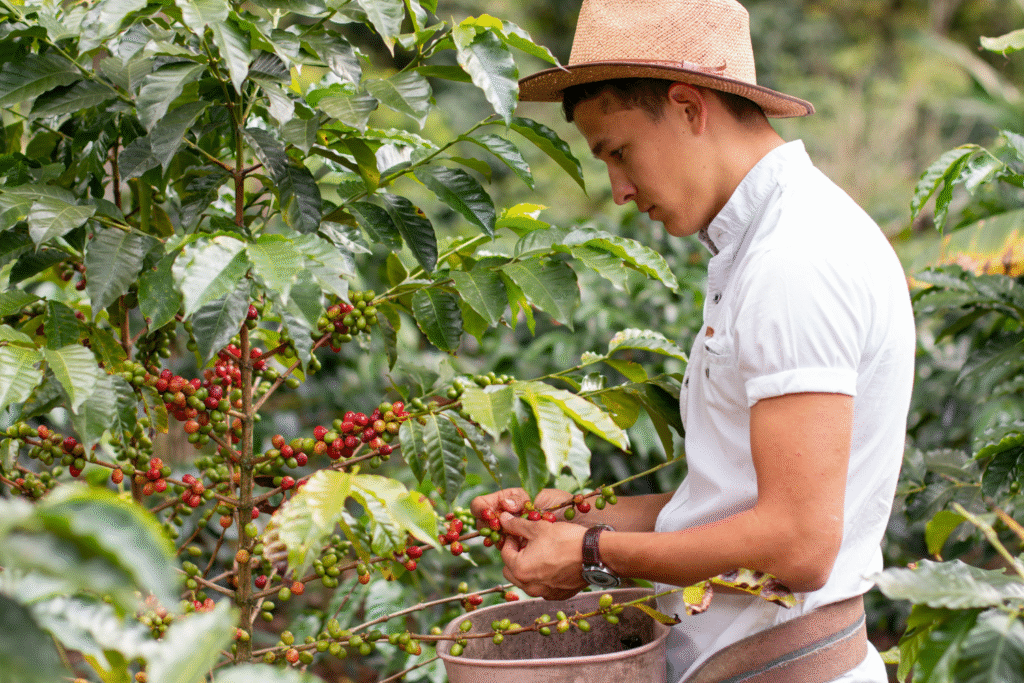
Coffee farmers across Brazil, the world’s largest exporter, are battling their toughest growing season in years as abnormal heat and water shortages ravage their fields. A recent assessment from Bloomberg revealed that rainfall during key flowering months fell well below average, decimating yields and forcing early harvest losses. The severe drought has created a domino effect, cutting into exports and driving global futures prices upward, as reported by Bloomberg.
With smaller beans and reduced output, exporters are scrambling to fill contracts, while buyers compete for what remains. Brazil’s coffee regions in Minas Gerais and São Paulo are particularly strained, where high temperatures have shriveled cherries before maturation. Less product reaching port means higher market prices, and coffee drinkers worldwide are footing the bill.
3. A combined hit from tariffs and weather is shaking markets.
Economists warn that the convergence of trade tariffs and environmental stress has created a “perfect storm” in the coffee sector. As stated by The Guardian, climate volatility across Latin America and Southeast Asia is colliding with U.S. trade barriers to form one of the most unstable pricing periods in decades. The dual pressures are not just raising costs but threatening the reliability of coffee as a globally traded commodity.
Traders now view coffee more like an energy market, volatile, speculative, and tied to political whims. The blend of unpredictable weather patterns and protectionist policies has pulled investors into a frenzy, causing wild price spikes. For everyday consumers, the result is the same: higher prices, thinner margins, and fewer discounts on the beans they love.
4. Supply chain delays are clogging up global shipments.
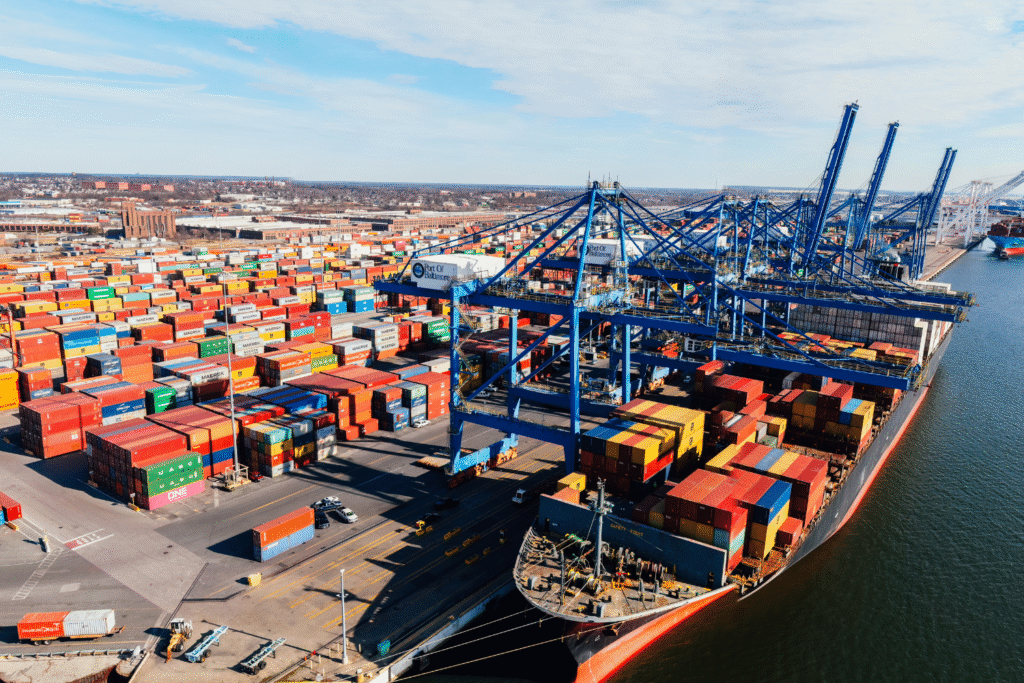
Even beyond weather and tariffs, shipping constraints are choking the coffee pipeline. Major ports in South America and the U.S. Gulf are still facing backlogs, forcing exporters to reroute through slower, more expensive channels. That delay costs time and money, both of which inflate coffee’s final price tag.
Traders say delays of even two weeks can throw off roast schedules and create shortages in U.S. warehouses. Smaller coffee shops often bear the brunt of those timing gaps, forced to buy at peak prices or ration their inventory. The journey from farm to café is now fraught with costly detours that few are willing to absorb.
5. Vietnam’s Robusta beans can’t fill the Arabica gap.
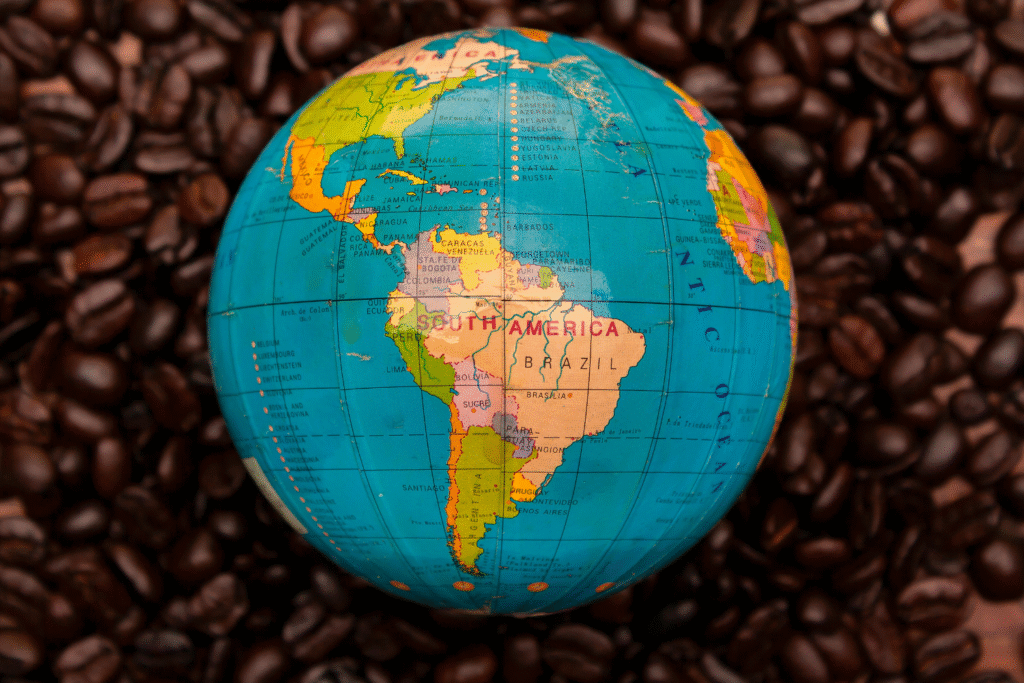
Traditionally, Vietnamese Robusta beans step in when Brazil’s Arabica yields falter. But now, Vietnam is battling its own heat stress and erratic rainfall. The mismatch is leaving roasters short on both quality and quantity, making substitutions less effective. Coffee traders note that while Robusta is cheaper, its earthy flavor can’t replace Arabica’s signature taste, especially in specialty blends.
The shortage is already visible in Europe and Japan, where instant coffee producers are competing for lower-grade beans. As both major supply sources suffer, global prices remain under upward pressure with little relief in sight.
6. Rising costs in fertilizer and fuel are amplifying strain.
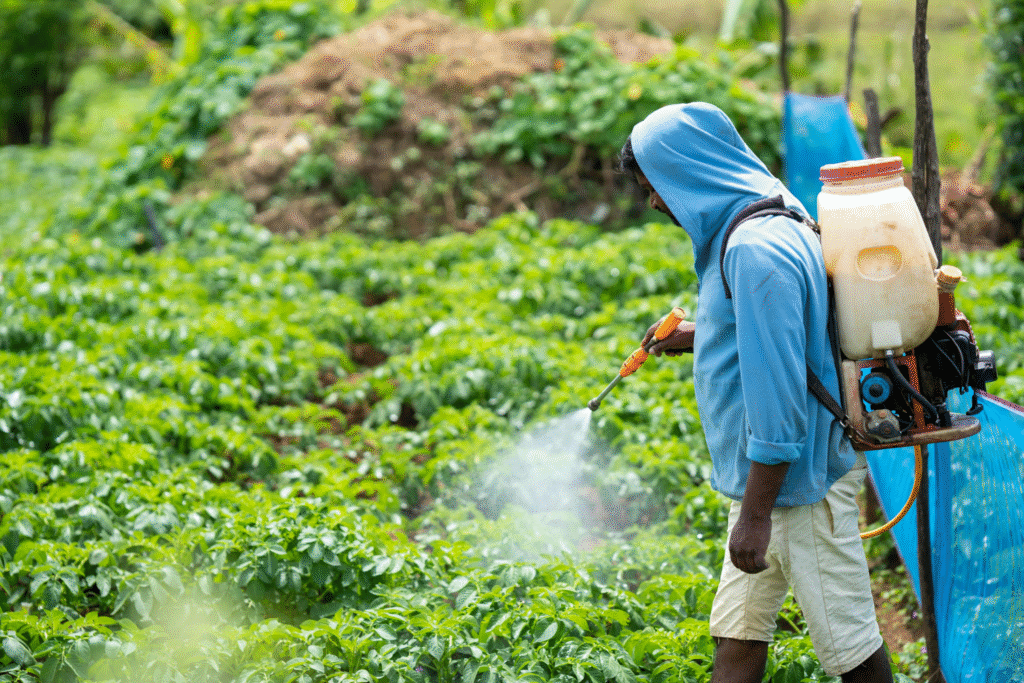
Another invisible factor hiding in your coffee bill comes from farm inputs. Fertilizer prices have skyrocketed due to supply chain issues and conflict-related energy shortages. Producers in Africa and Latin America are paying more than double what they did three years ago. Combined with diesel and transport costs, the total expense of farming coffee has climbed to record highs.
Farmers who can’t afford these inputs are producing less, and the reduced yields push global prices even higher. It’s a self-reinforcing cycle where every cost increase ripples through to the café counter.
7. Inflation is pushing roasters to hike retail prices.
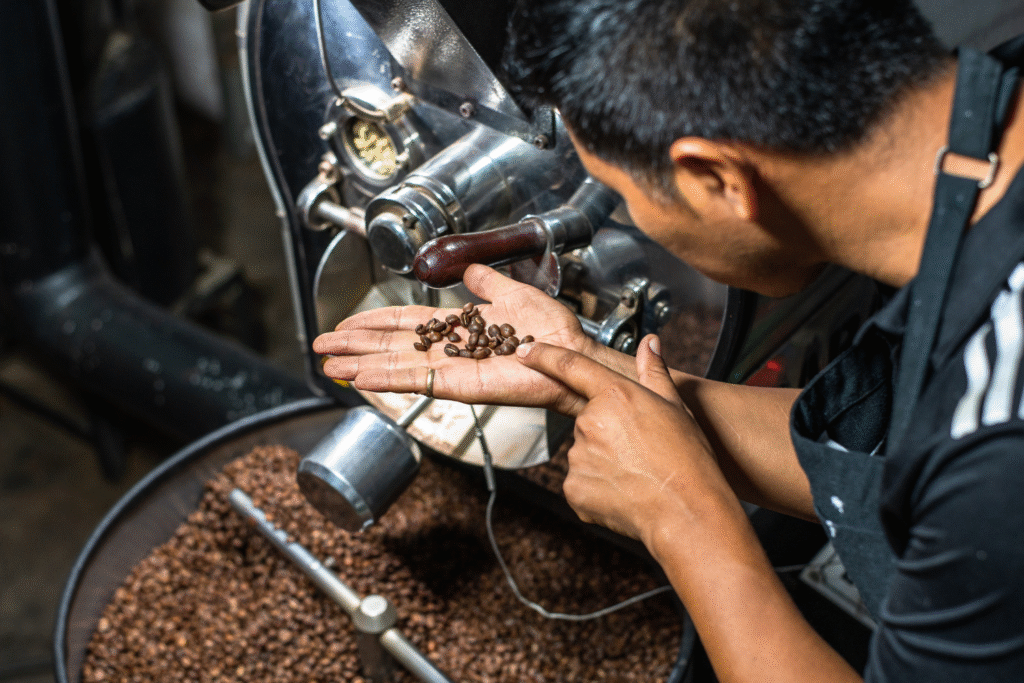
While raw coffee costs are one piece, inflation is squeezing every other part of the coffee business. Roasting facilities face higher wages, packaging costs, and energy bills. The result? Price increases across your favorite brands. Some major chains have already raised prices multiple times since midyear, with small cafés forced to follow suit or close entirely.
Consumers have noticed, but demand hasn’t fallen much. For many, the daily caffeine ritual is a non-negotiable expense, even when it costs more than ever. That steady demand only encourages suppliers to hold prices higher for longer.
8. Futures traders are betting on prolonged shortages.
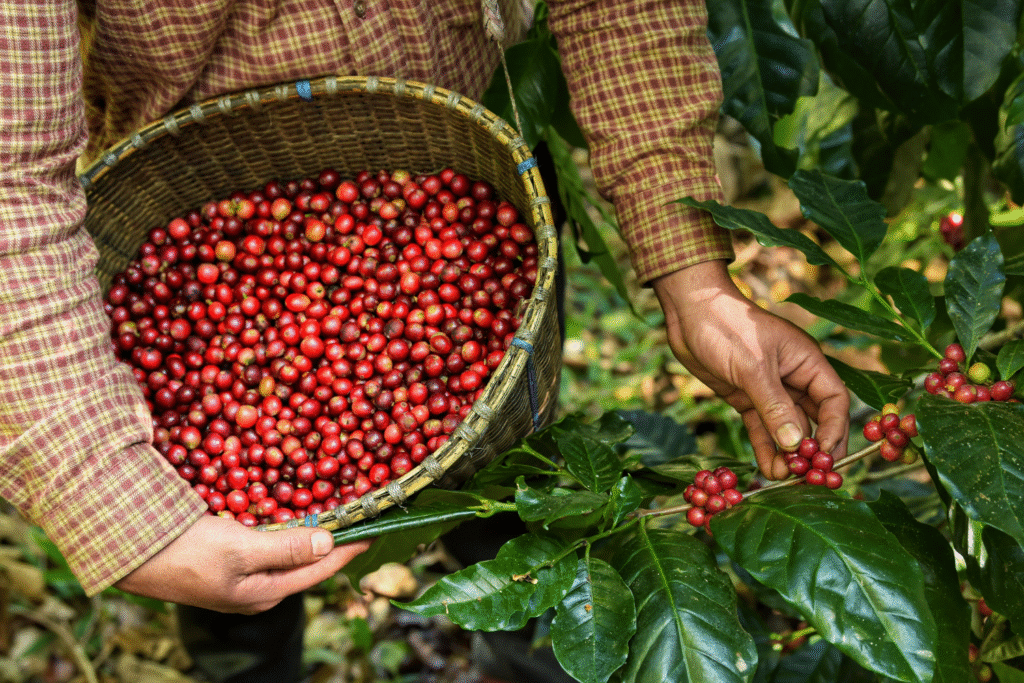
Coffee prices in futures markets are now reflecting long-term supply worries. Speculators expect production issues to persist into next year, keeping futures near record highs. When traders bet on scarcity, importers must hedge at inflated prices, which trickles into retail costs.
Analysts call this a feedback loop, fear of shortage becomes part of the price itself. It means that even if crops improve slightly, you’re unlikely to see relief at the cash register anytime soon.
9. New pests are thriving in hotter conditions.
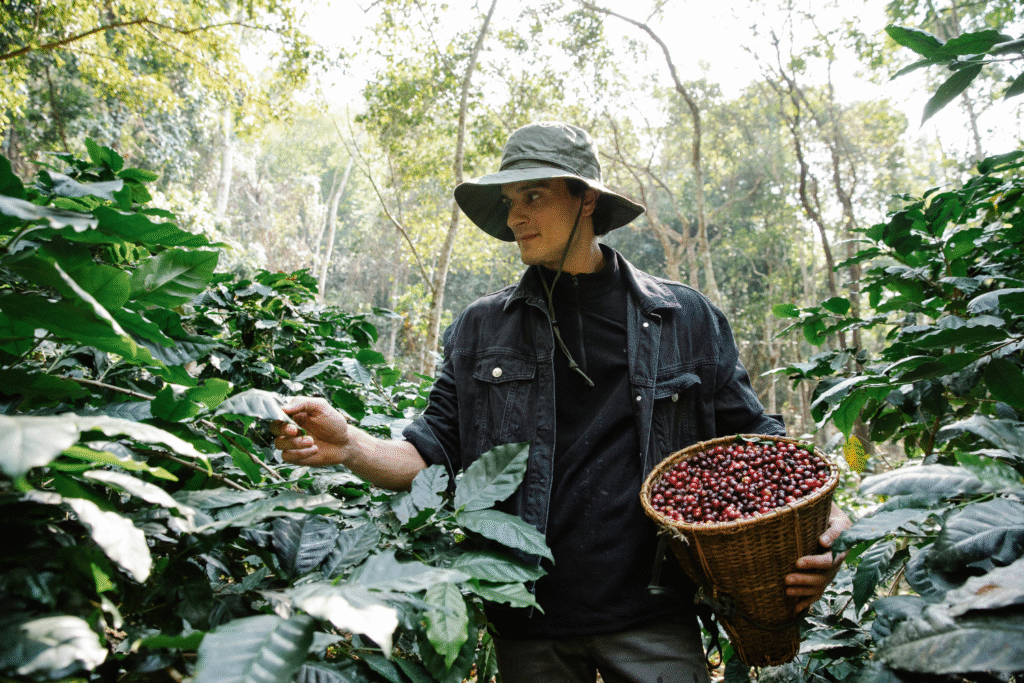
Higher global temperatures have also expanded the range of pests like the coffee berry borer, a destructive beetle that feeds on beans inside their cherries. Regions once safe from infestation are now vulnerable, requiring more pesticides and monitoring. Those costs add up for farmers already struggling with drought and inflation.
In Colombia and Ethiopia, entire harvests have been downgraded due to pest damage. As pests spread faster than adaptation efforts, both quality and volume decline, deepening the global coffee crunch.
10. Climate change may permanently alter coffee’s growing zones.
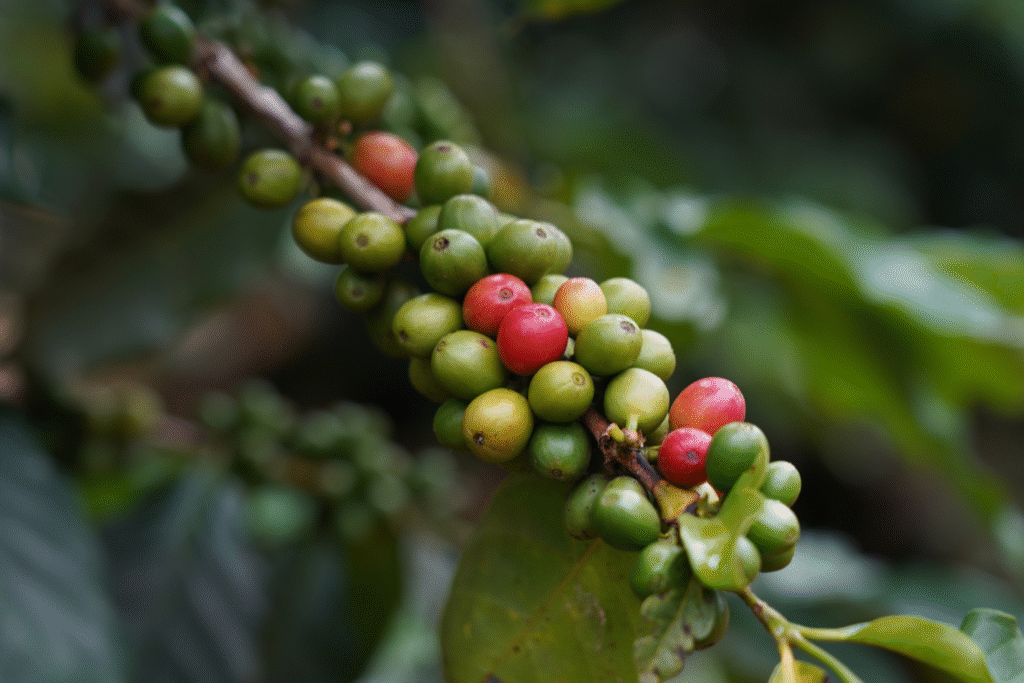
Scientists warn that the long-term picture is bleak if warming continues. Studies predict that by 2050, suitable land for Arabica could shrink by half. Some farmers are already migrating to higher elevations or switching crops altogether. That shift won’t happen fast enough to stabilize supply, meaning shortages could become a seasonal norm.
The comforting idea of an endless coffee supply is disappearing. Each sip in the coming years will likely cost a little more, not because of greed, but because the planet, and politics, are both rewriting the economics of your morning brew.