
An image bound nations before borders ever existed.
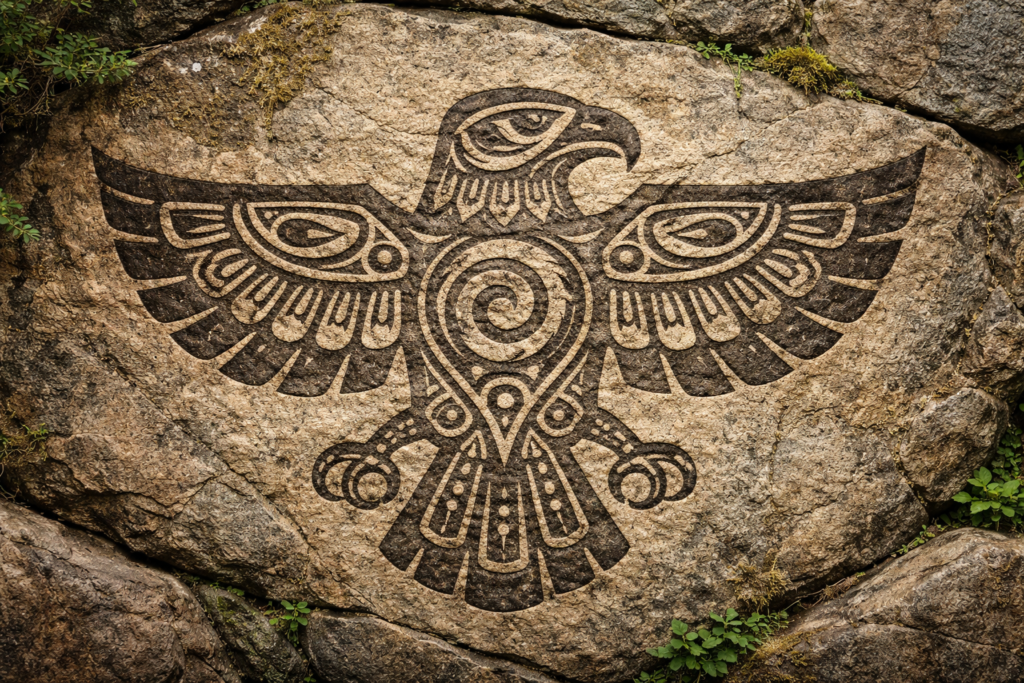
Across river valleys stretching from the Midwest to the Deep South, archaeologists keep encountering the same falcon figure in places that never shared rulers, languages, or political systems. It appears in burials, ceremonies, and sacred spaces, carved into materials that traveled far beyond their sources. The repetition suggests coordination rather than coincidence. Something carried this symbol across generations and geographies. What remains unclear is who controlled its meaning, and why so many communities chose to recognize it.
1. Cahokia communities spread the falcon through influence.
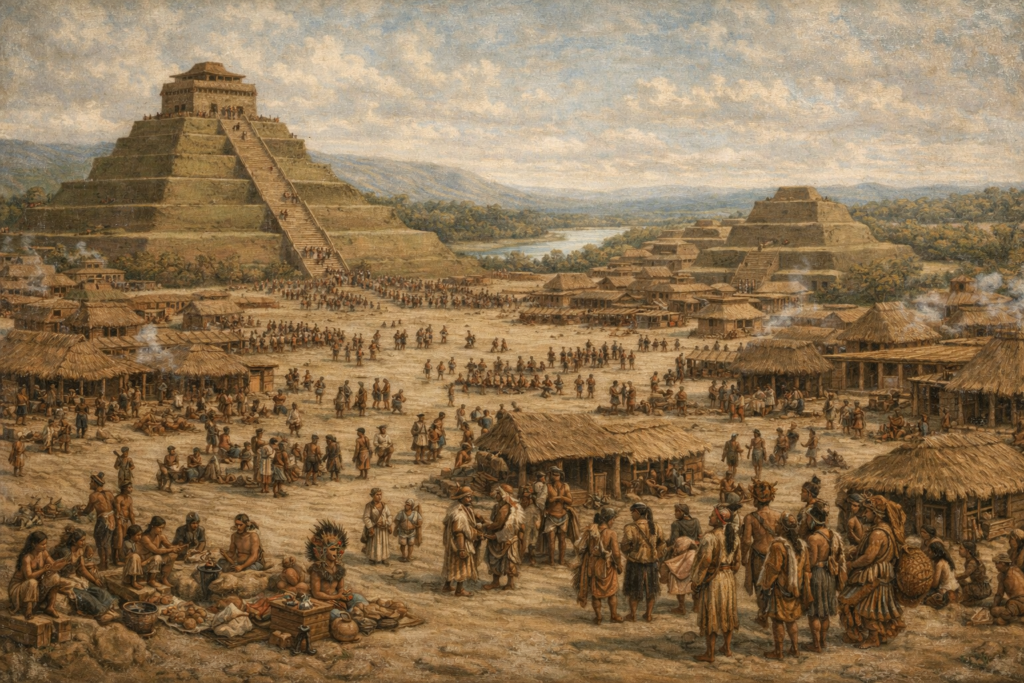
Cahokia stood near modern St. Louis as the largest Mississippian city, drawing people from surrounding regions. Its monuments and rituals projected authority, yet no empire enforced compliance. The falcon symbol appears tied to this influence, not conquest, raising questions about how belief traveled so widely.
Copper plates and shell engravings from Cahokia show falcon imagery dating between 1050 and 1300 CE. Similar designs later appear downstream, suggesting pilgrims and traders carried meaning outward. The city functioned as a symbolic generator, shaping identity far beyond its physical boundaries.
2. Natchez ancestors guarded falcon meaning through ritual.

Along the lower Mississippi River, Natchez ancestors maintained strict ceremonial hierarchies. Falcon imagery appears in elite contexts, implying controlled access rather than casual adoption. This exclusivity hints at guarded spiritual knowledge tied to leadership and cosmic order.
Artifacts from Natchez linked sites show falcons associated with suns, warfare, and ancestry. The symbol reinforced social rank while connecting leaders to a wider Mississippian belief system. Participation signaled legitimacy, aligning local authority with a shared sacred framework recognized far beyond their territory.
3. Caddo groups integrated falcons into regional exchange.
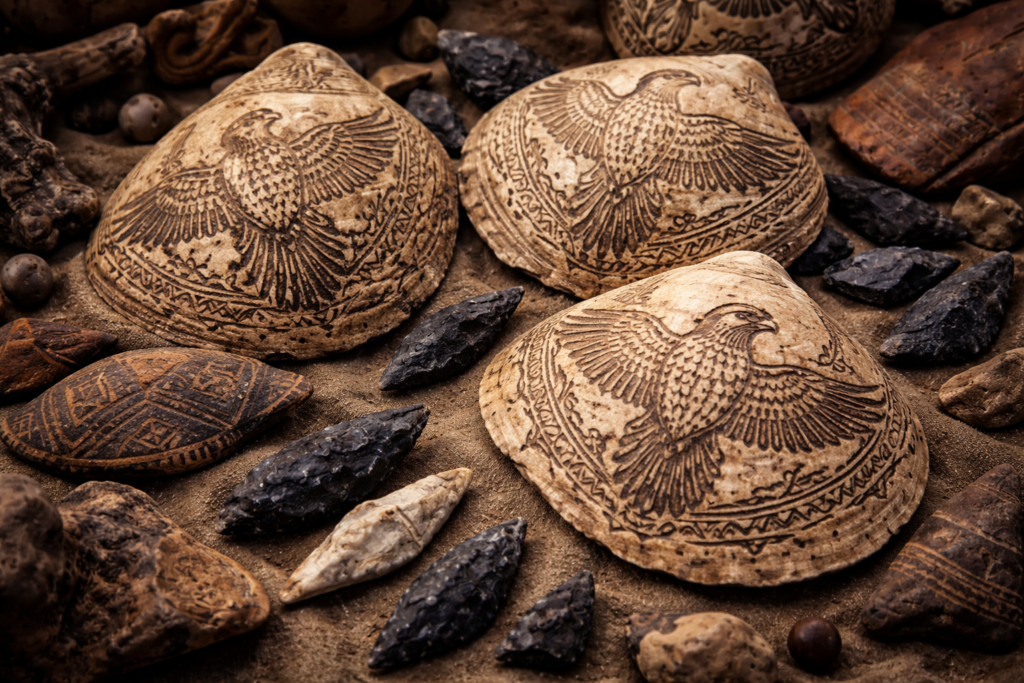
Caddo communities occupied areas of present day Texas, Arkansas, and Louisiana. Their position along trade routes exposed them to diverse influences. Falcon imagery appears alongside local styles, suggesting selective integration rather than imitation.
Engraved shells and ceramics show falcons adapted to Caddo aesthetics while preserving recognizable features. These objects likely circulated during ceremonies and exchanges. The symbol allowed Caddo leaders to participate in a broader Mississippian network while preserving distinct regional identity within interconnected river systems.
4. Creek ancestors reshaped the falcon within traditions.
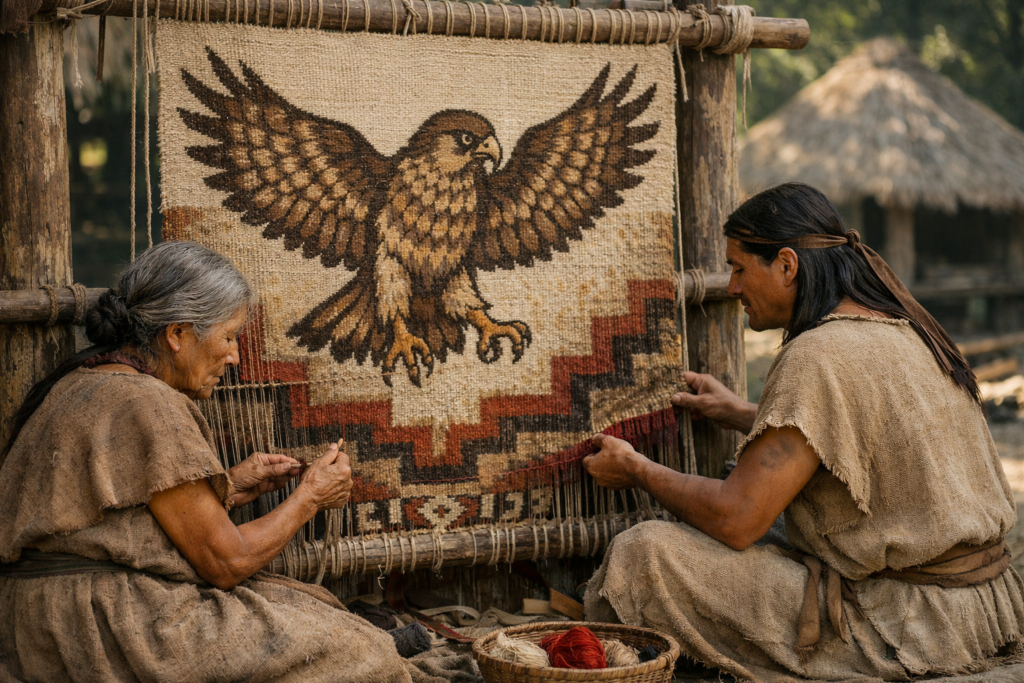
Muscogee Creek ancestors inhabited the southeastern woodlands where Mississippian influence blended with local customs. Falcon imagery appears less standardized here, suggesting reinterpretation rather than direct copying.
Carved objects and ceremonial items incorporate falcon elements alongside indigenous symbols. This blending implies agency, not submission. Creek communities engaged with shared imagery while anchoring it to local cosmology, demonstrating how the symbol traveled flexibly without erasing existing spiritual frameworks or community autonomy.
5. Cherokee forebears connected falcons to celestial order.
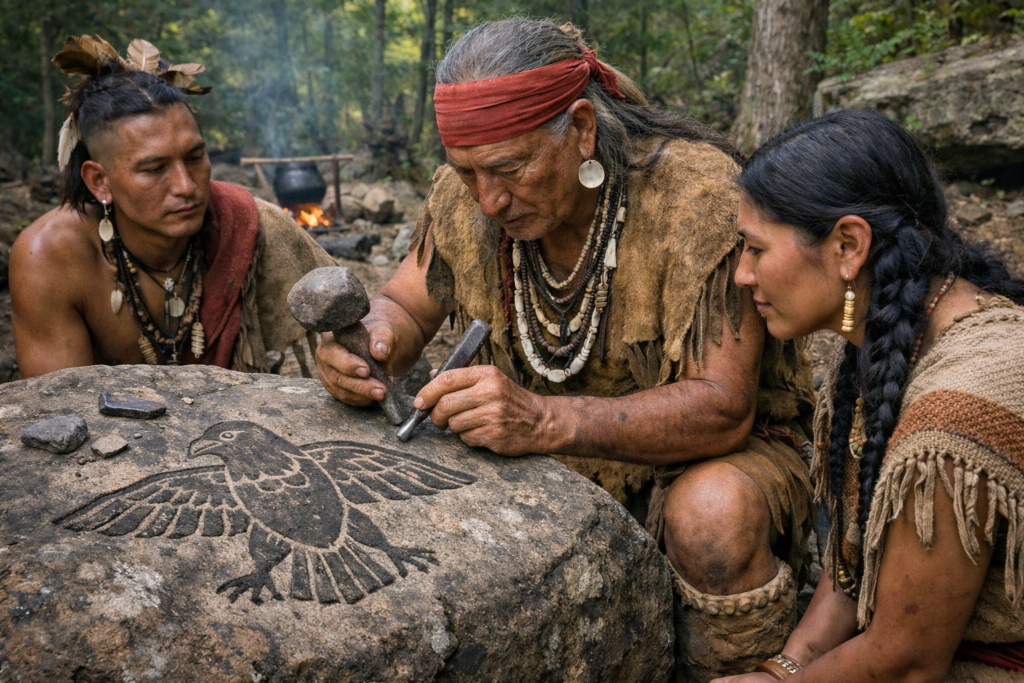
In the Appalachian region, Cherokee ancestors encountered Mississippian symbolism through migration and exchange. Falcon imagery appears in contexts linked to sky worlds and balance, hinting at cosmic significance.
Stone carvings and shell objects suggest falcons represented movement between realms. Rather than military power, the emphasis appears spiritual. Adoption aligned Cherokee cosmology with broader Mississippian concepts while preserving unique interpretations tied to mountains, stars, and seasonal cycles.
6. Osage predecessors linked falcons to warrior authority.
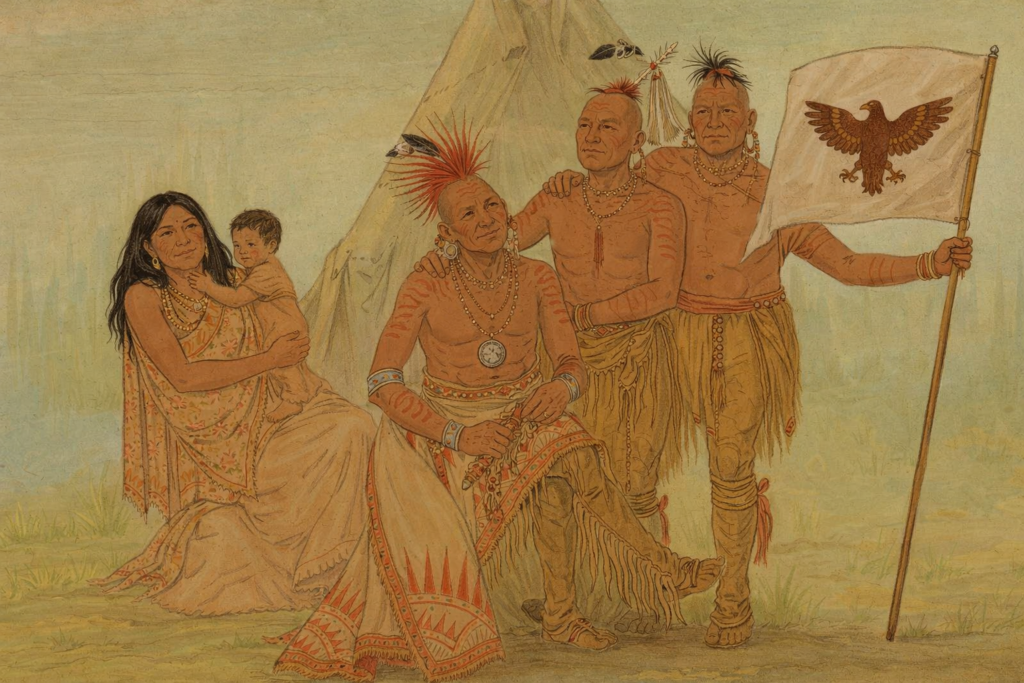
Osage ancestral groups occupied the central plains and river confluences. Falcon imagery appears in contexts associated with warfare and leadership, signaling strength and vigilance.
Artifacts from burial sites suggest the falcon marked status earned through action. By adopting the symbol, Osage leaders aligned themselves with a recognized icon of authority. The image conveyed legitimacy across regions, allowing alliances and recognition without shared language or centralized governance.
7. Quapaw communities emphasized falcons during transitions.
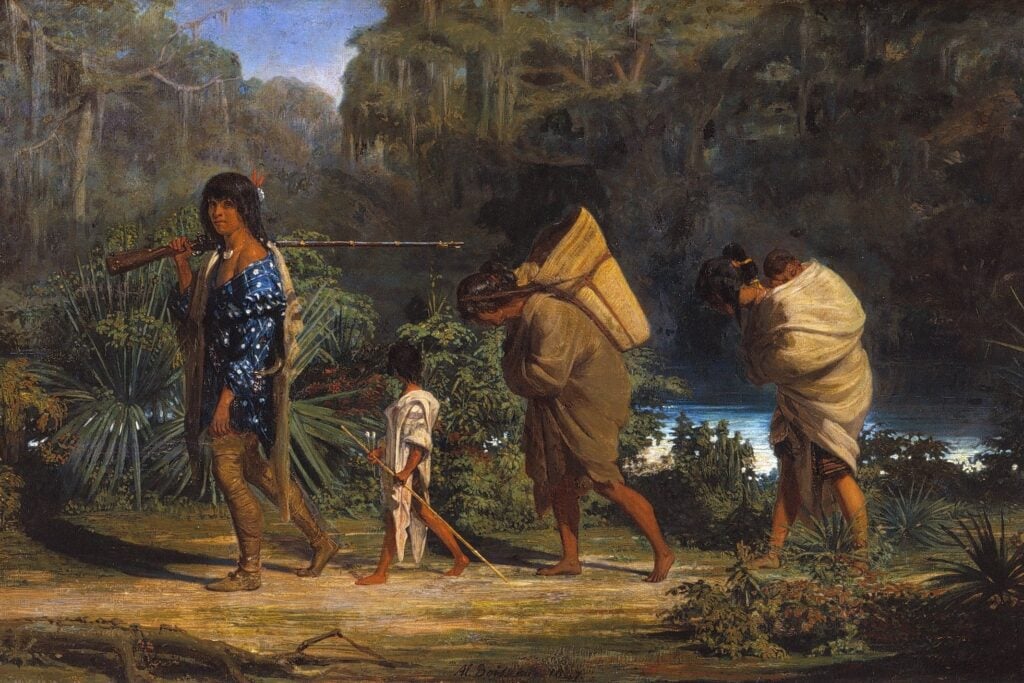
Located near the confluence of major rivers, Quapaw ancestors encountered constant movement of people and ideas. Falcon imagery appears during periods of social change, hinting at its role during transitions.
Ceremonial objects featuring falcons coincide with shifts in settlement and leadership. The symbol may have provided continuity during uncertainty. By invoking a widely recognized image, Quapaw communities stabilized identity while adapting to regional pressures and changing political landscapes.
8. Shawnee ancestors encountered falcons along river corridors.
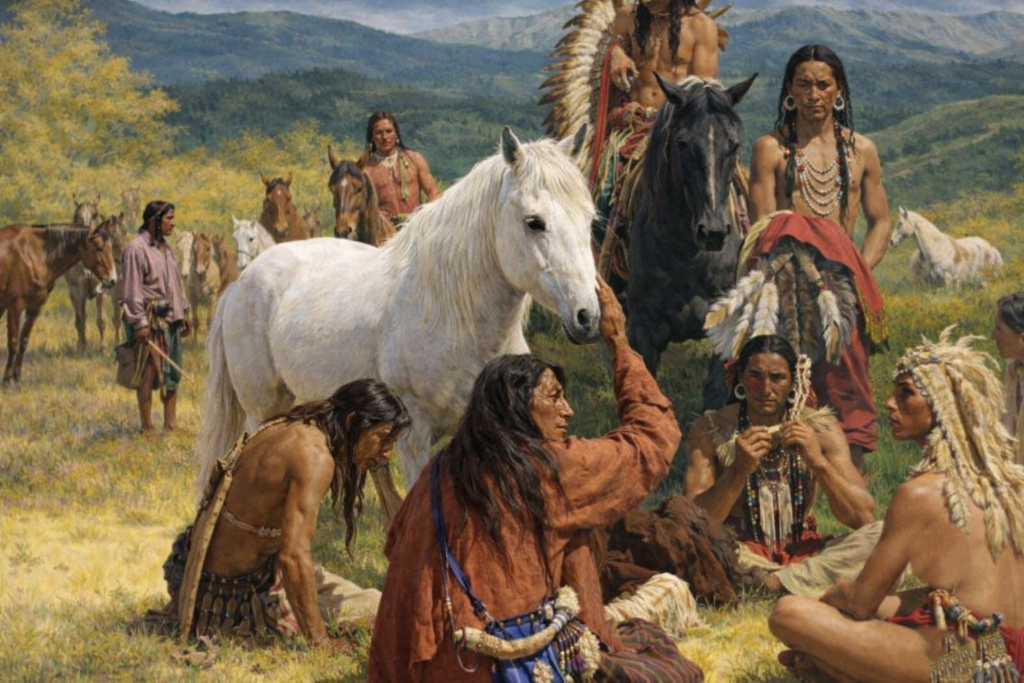
Shawnee ancestral groups moved frequently along the Ohio River system. Falcon imagery appears intermittently, suggesting contact rather than origin.
Artifacts indicate exposure through travel and exchange rather than long term settlement. Adoption appears situational, used during ceremonies linking communities temporarily. The falcon symbol functioned as a shared language during encounters, enabling cooperation and mutual recognition among mobile groups navigating fluid territories.
9. Ho Chunk forebears supplied materials carrying falcon imagery.
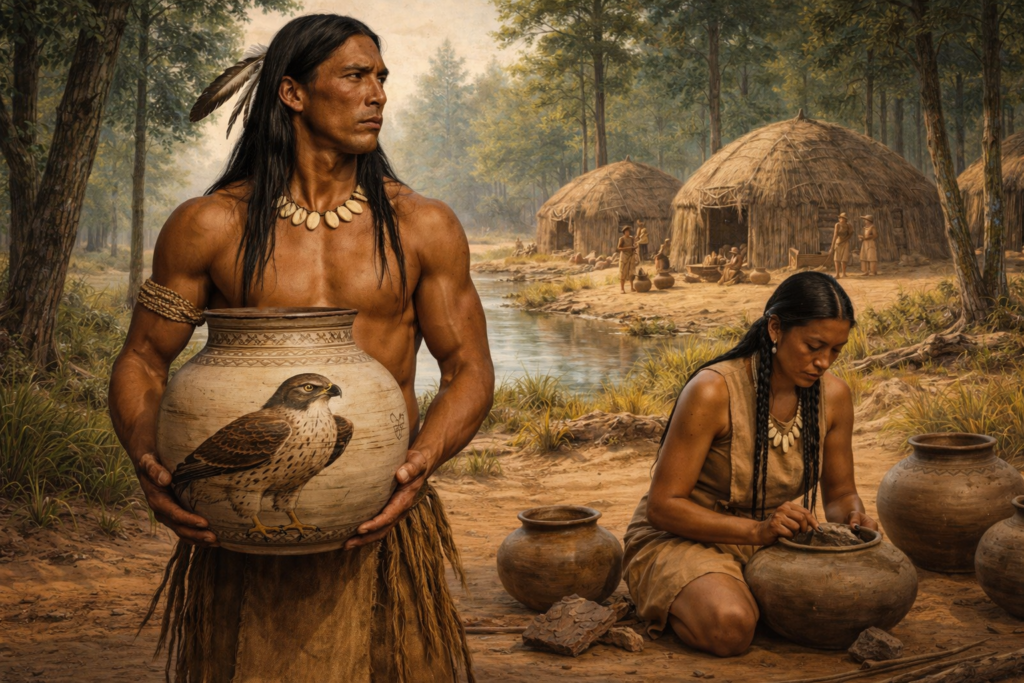
Upper Midwest groups ancestral to the Ho Chunk controlled access to copper sources near the Great Lakes. While not always depicting falcons themselves, their materials carried the symbol southward.
Copper extracted and traded became canvases for falcon imagery elsewhere. This indirect role tied Ho Chunk communities into the symbolic network. Participation occurred through resource control rather than icon creation, demonstrating multiple pathways into the shared Mississippian system.
10. Tunica ancestors preserved falcon meaning through continuity.
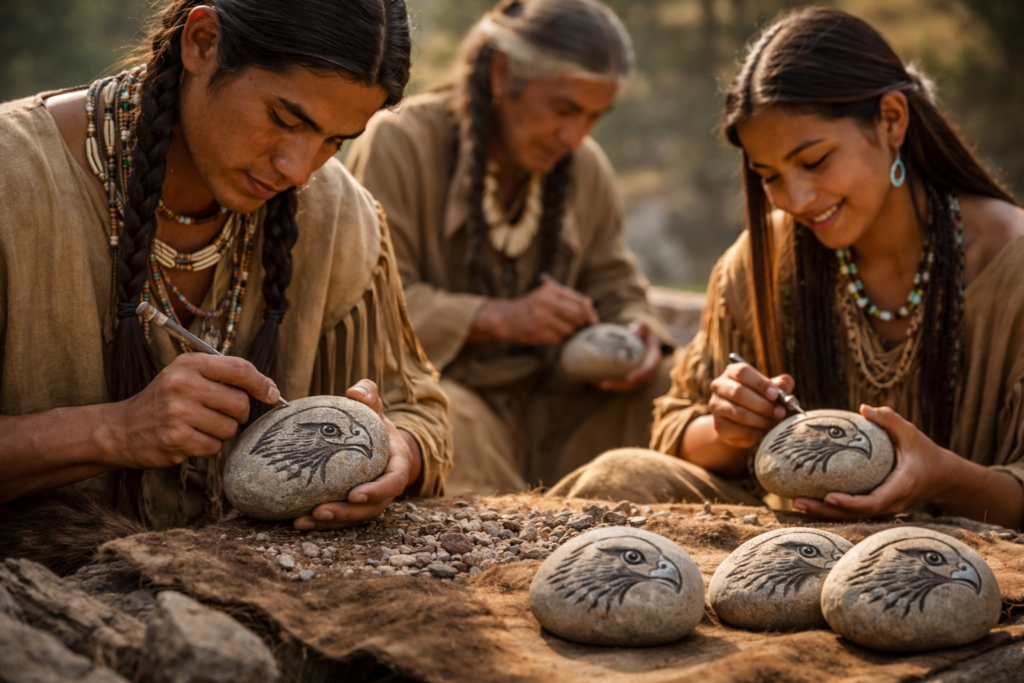
Tunica ancestors occupied the lower Mississippi Valley across centuries of change. Falcon imagery appears consistently, even as political centers shifted.
Objects suggest careful preservation rather than experimentation. The symbol endured because it anchored identity during instability. As other centers declined, Tunica continuity helped carry fragments of the shared visual language forward, allowing traces to survive into later historical memory and archaeological record.