
They walked a thin line between blessing and terror.
Before science named species and stripped myth from muscle and bone, animals occupied a far more volatile place in human imagination. They were not simply hunted or herded. They were invoked, feared, petitioned, and sometimes blamed. In torchlit chambers and wind carved ruins, their shapes appeared again and again, larger than life and heavy with meaning. Some were treated as guardians. Others as omens. All carried a charge that blurred survival with superstition. What ancient people saw in these creatures reveals less about biology and more about the anxieties and hopes they dared to project onto the wild.
1. Cats ruled ancient Egypt with divine authority.

No animal shaped Egyptian culture more than the cat. As stated by the Smithsonian’s National Museum of Natural History, cats were linked to Bastet, goddess of protection, fertility, and domestic harmony. They kept grain stores safe from rats, and killing one was punishable by death. Mummified cats filled temples and tombs as sacred offerings. Families believed their cats carried divine favor into the afterlife. The feline’s calm precision wasn’t just adored, it was feared, as if they could see truths hidden to humans.
2. Snakes embodied both healing and destruction in Greece.

The Greeks saw snakes as symbols of rebirth, wisdom, and terror. The serpent coiled around Asclepius’s staff represented healing, a symbol still used in medicine today. Yet in myth, serpents also guarded sacred spaces and unleashed chaos when disturbed. According to ancient Greek texts, the duality reflected life itself, where the same force that cures can also destroy. Even now, the snake’s quiet power feels unnervingly timeless, coiling through centuries of human symbolism and survival instinct.
3. Cows became sacred bridges between earth and gods.
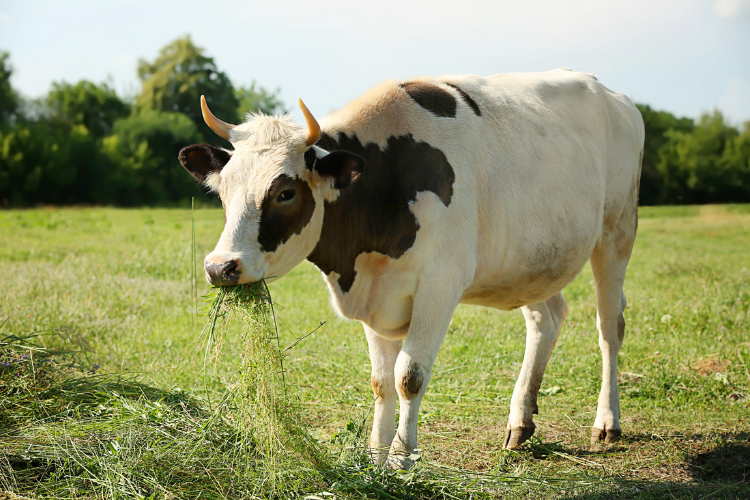
In ancient India, the cow was seen not as livestock but as life itself. Reported by the Archaeological Survey of India, cows symbolized prosperity and purity, tied to the goddess Kamadhenu, who could grant any wish. Their milk sustained families, their dung fertilized fields, and their calm demeanor mirrored spiritual balance. To harm a cow was to disrupt cosmic order. The reverence persists today, a living link between ancient faith and modern tradition woven through India’s streets and temples.
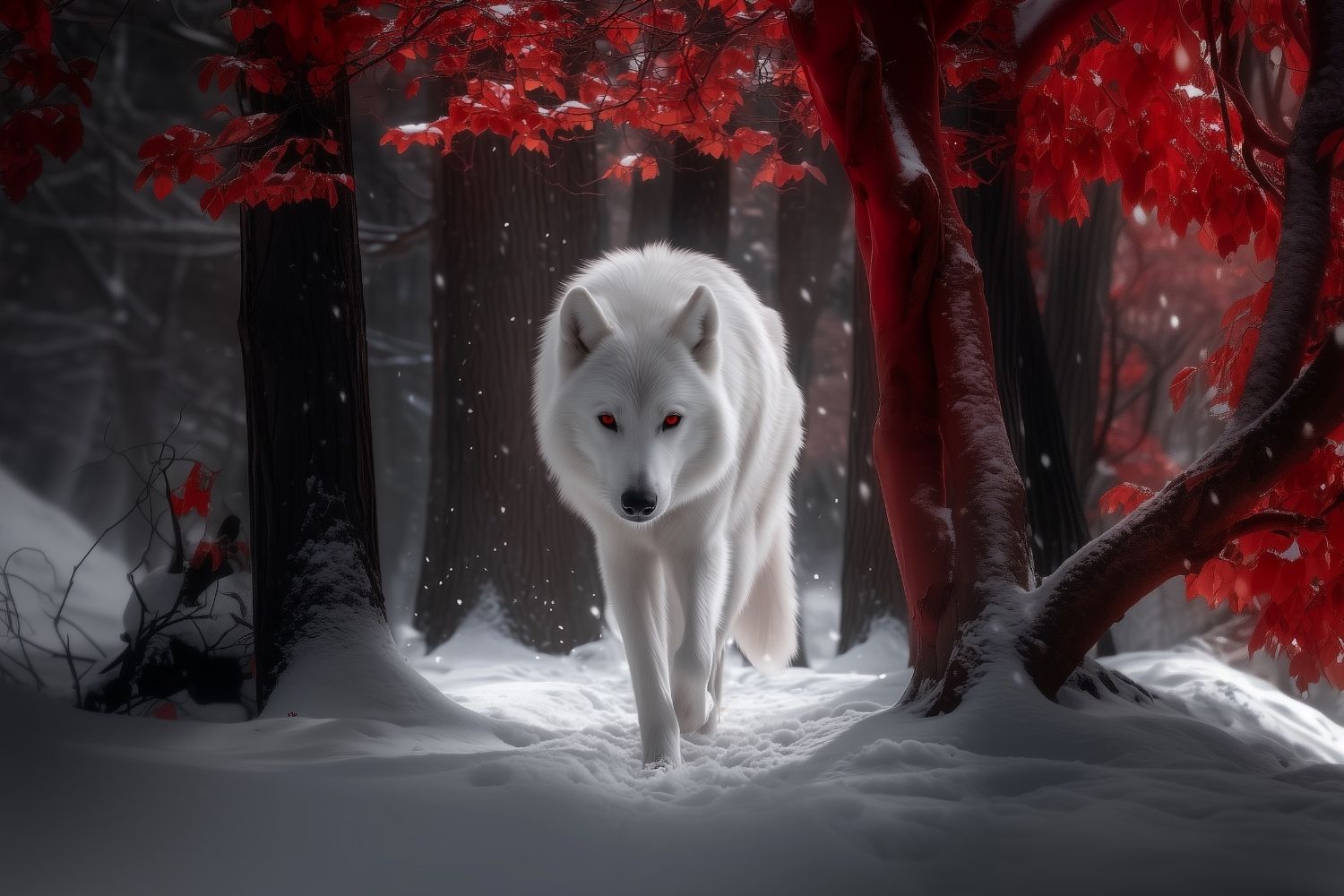
4. Wolves terrified and protected early European tribes.

Among Celtic and Norse cultures, wolves embodied both ferocity and loyalty. They were seen as spirit guides to warriors and omens of coming death. Legends like Fenrir, the Norse wolf destined to devour gods, made them symbols of unstoppable fate. Yet wolf imagery also appeared in protective totems, guarding families and soldiers alike. To ancient people, fear and respect for wolves were inseparable emotions, two halves of the same primal instinct that shaped survival itself.
5. Eagles soared as messengers of divine will.

Across the ancient world, eagles symbolized power and vision. Romans adopted them as emblems of imperial authority, while Persians viewed them as symbols of immortality. Their flight, unmatched and untamed, mirrored the reach of empires stretching toward the heavens. Seeing one circle above the battlefield was often interpreted as a divine sign. That image, majestic, predatory, untouchable, still threads through national flags and military insignia centuries later.
6. Crocodiles demanded respect from those who lived near them.

In Egypt, the Nile’s crocodiles inspired both terror and worship. The god Sobek, depicted with a crocodile head, was believed to protect people from the river’s dangers while embodying its strength and unpredictability. Villages near crocodile temples would feed and honor the creatures, hoping to appease their fury. The relationship between humans and crocodiles became a delicate negotiation, one built on mutual recognition of power and survival.
7. Bulls defined masculinity and cosmic energy in Mesopotamia.
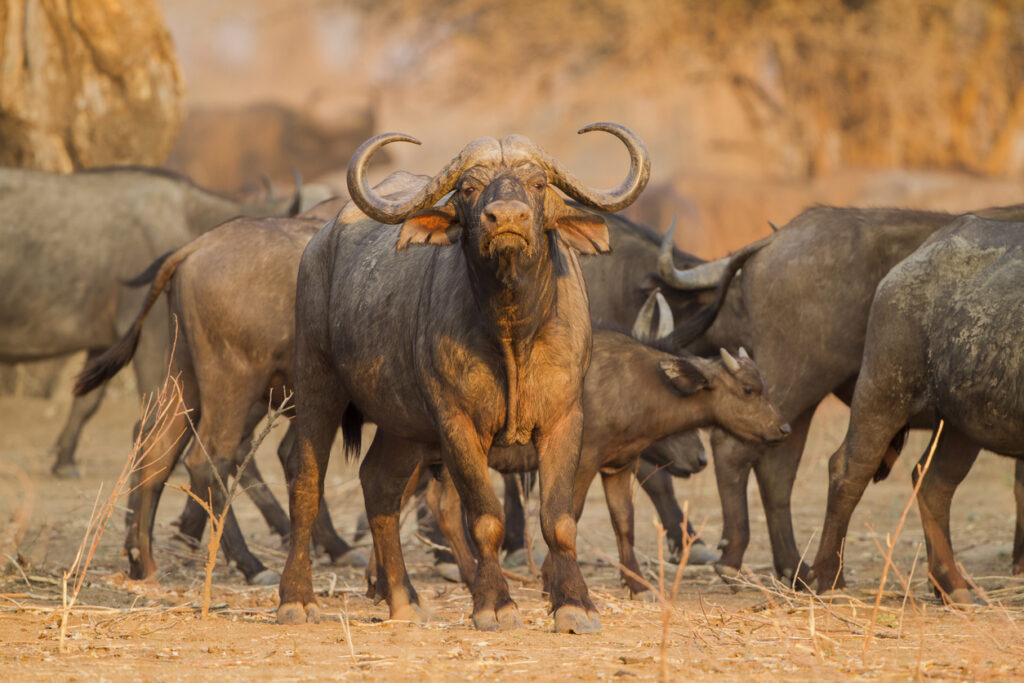
The ancient Sumerians and Assyrians carved bulls into palace walls and temple gates, representing divine strength and fertility. The Bull of Heaven in the Epic of Gilgamesh wasn’t just a creature, it was an act of vengeance sent by the gods. Its defeat symbolized the thin line between courage and arrogance. Bulls stood as living embodiments of both creation and destruction, their image etched into history long after the herds themselves were gone.
8. Jaguars haunted and inspired the temples of the Maya.

In Mesoamerican belief, jaguars ruled both the jungle and the underworld. They were seen as warriors capable of crossing between worlds, protectors of kings, and symbols of the night sun’s journey through darkness. Mayan priests wore jaguar pelts during rituals to channel their strength. The cat’s roar wasn’t just a sound, it was a warning to humans not to forget their place in nature’s hierarchy.
9. Ravens whispered secrets to gods and kings alike.

Across Norse and Celtic myth, ravens were both ominous and sacred. Odin’s two ravens, Huginn and Muninn, flew across the world each day gathering knowledge. Their presence at battlefields made them symbols of prophecy and fate. To ancient people, a raven wasn’t merely a scavenger but a messenger from forces unseen. Even today, their dark intelligence carries the same unease, reminding us that wisdom and death often travel side by side.