
The problem may be closer than you think.
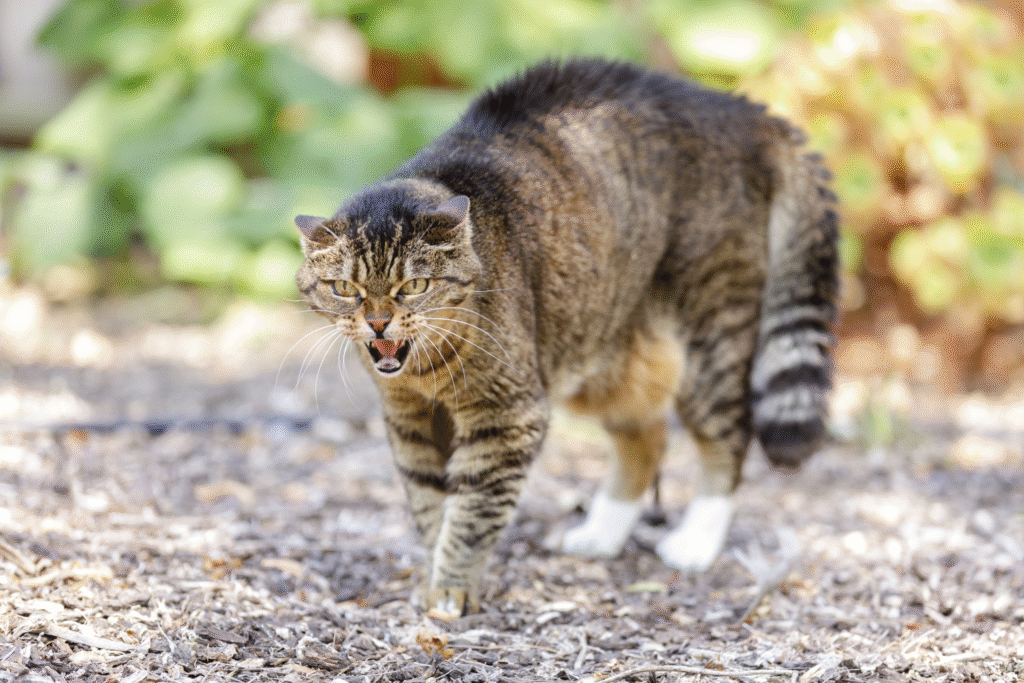
They slip through fences at dusk, move between parked cars, and vanish before most people notice them. To some neighbors, they are harmless strays or even quiet companions lingering at the edge of backyards. But their presence is not as neutral as it seems. Across suburbs and small towns, clusters of free roaming cats are changing the rhythm of local wildlife in ways few residents ever see.
Wildlife biologists and conservation groups have been tracking the ripple effects for years. Songbirds disappear from feeders. Native reptiles thin out. Small mammals vanish from greenbelts and drainage corridors. The shift happens gradually, almost invisibly, until the chorus of a neighborhood sounds different than it once did.
1. Feral cats kill huge numbers of birds and small mammals each year.

Studies have shown that free-ranging domestic and feral cats inflict massive predation on wildlife. For example, one assessment estimated that free-ranging cats kill 1.4 to 3.7 billion birds and 6.9 to 20.7 billion mammals annually in the United States alone, according to a USDA summary. The hunting behaviour of cats continues even when they are well fed, meaning that the presence of feral cats can drastically reduce local populations of small wildlife regardless of human intervention. Each cat adds to a cumulative loss of biodiversity and weakens local ecosystem resilience.
2. Their presence disrupts nesting-birds and ground-dwelling species.

In neighbourhoods, feral cats often access grassy areas and ground-level habitats, where they stalk nesting birds and small mammals, as stated by the American Bird Conservancy. These predatory incursions cause not only direct kills but also indirect effects: animals may abandon nests, reduce reproduction rates or alter behaviour to avoid cats. Over time this alters the composition of species in parks, backyards and nearby wild patches. The disruption ripples outwards, reducing the number of native species and giving opportunistic invasive species a stronger foothold.
3. Feral cats transmit parasites and diseases to wildlife and humans.

Beyond predation, feral cats carry pathogens that spill into wildlife and human populations. Research shows that free-roaming cats host multiple pathogens—around 20% had two pathogens and 15% had three in some urban studies. These diseases can spread to native mammals, birds and even humans, altering survival rates and health of wild animals. Because the cats mix freely outdoors, they act as disease hubs feeding multiple ecological pathways. With weakened wildlife populations and additional disease burdens, the balance tilts further away from stability.
4. They out-compete native predators for food and space.
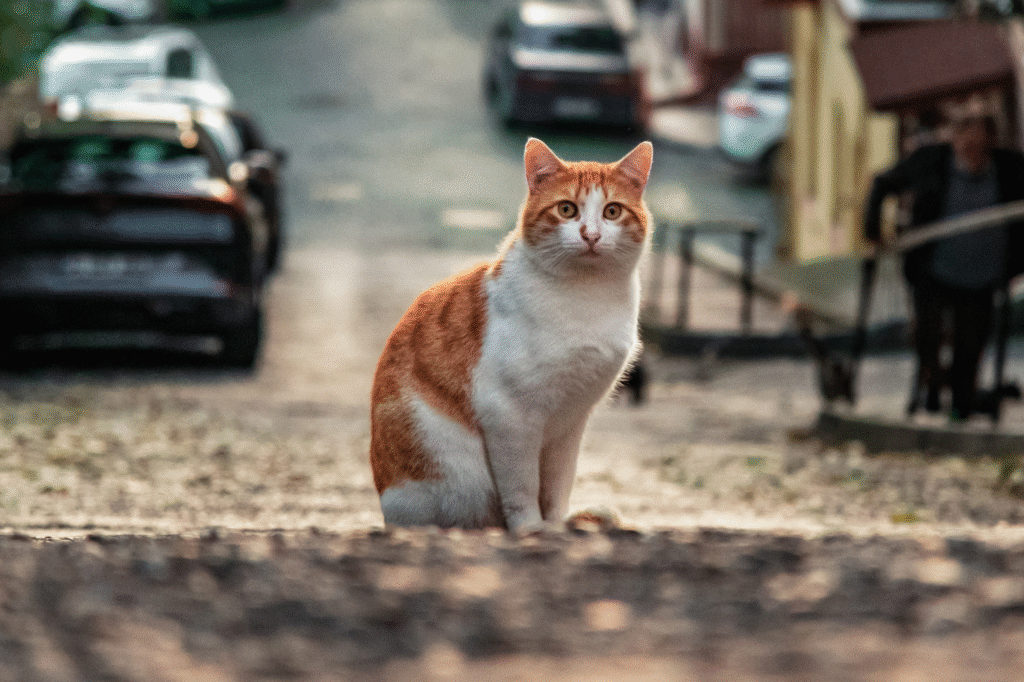
In urban and suburban zones, feral cats often consume the same prey as native small predators, birds, rodents, reptiles, thereby reducing available resources for those species. Because cats are efficient hunters and people inadvertently support them via food scraps or shelter, they gain a competitive advantage. Native predators that evolved in a balanced system suddenly find themselves squeezed. Over time, the shift in predator dynamics changes prey populations and ruins long-standing ecological relationships.
5. Their hunting behaviour alters prey animal behaviour long-term.
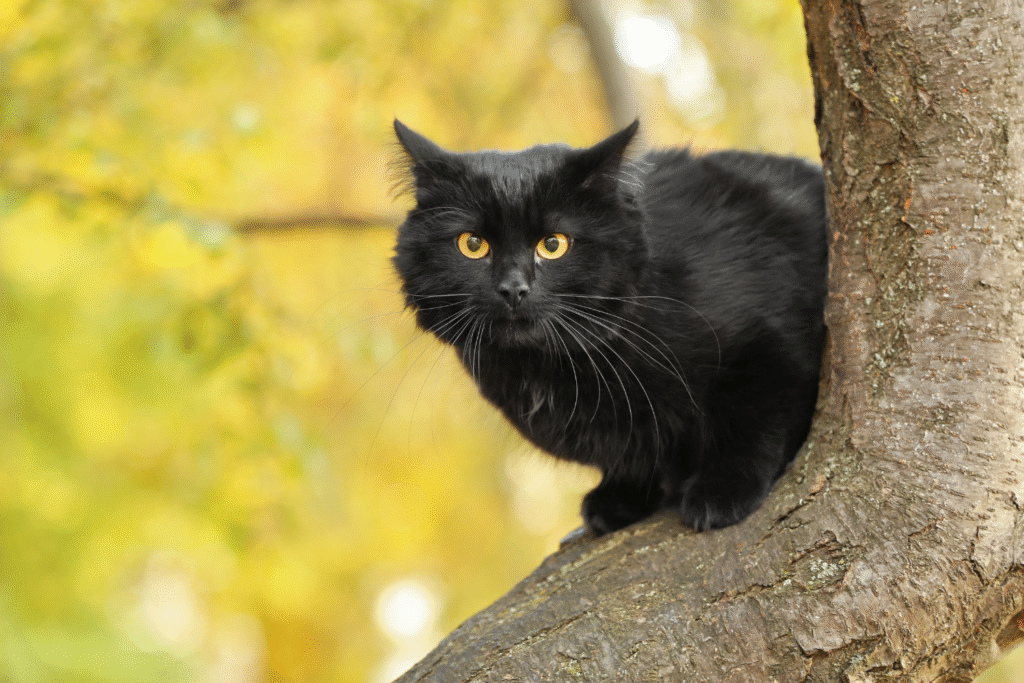
Prey species detect and respond to the presence of cats, avoidance behaviour, decreased feeding activity, heightened stress responses. This behavioural change can translate into less reproduction, lower body condition and smaller populations. Native wildlife may shift their feeding times, choose less optimal habitats or reduce movement altogether to avoid cats. Such changes ripple through food webs and habitat use, gradually transforming the structure of local ecosystems.
6. Feral cats foster invasive prey-animal booms by removing predators.
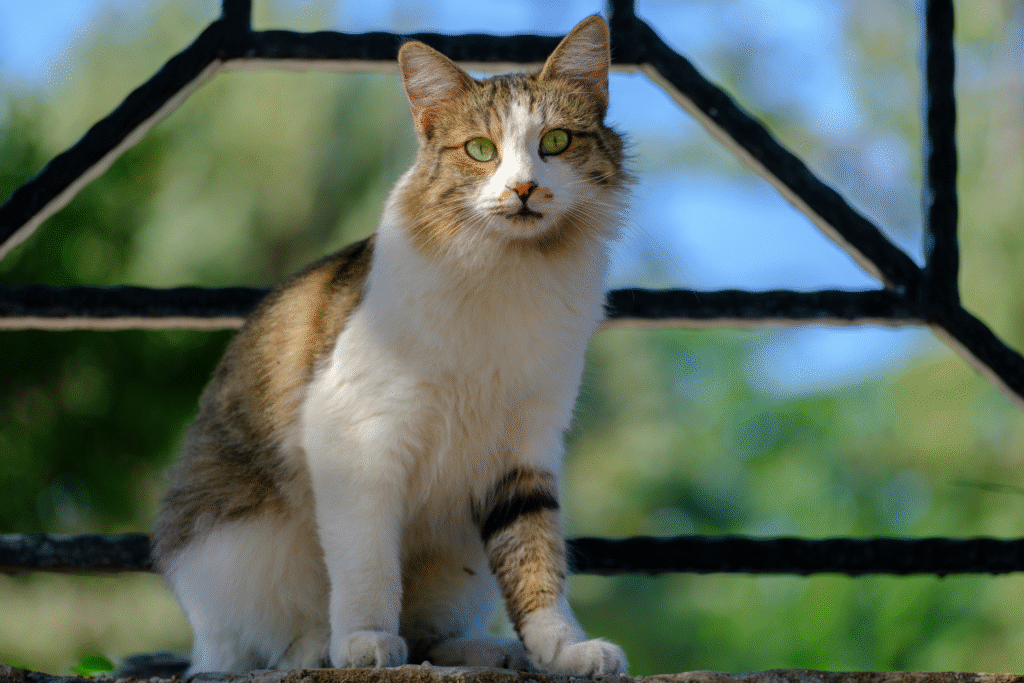
By preying on native small predators (such as small mammals or reptiles that themselves regulate prey), cats indirectly allow some invasive or generalist species to balloon. Those species then further degrade habitat quality or out-compete native wildlife. The cascade begins with the cat’s high predation rate and ends with an ecosystem where invasive species dominate, native species decline and ecological functions change. Once that domino effect starts, reversing it becomes complex and costly.
7. Their sheer breeding capacity fuels exponential population growth.
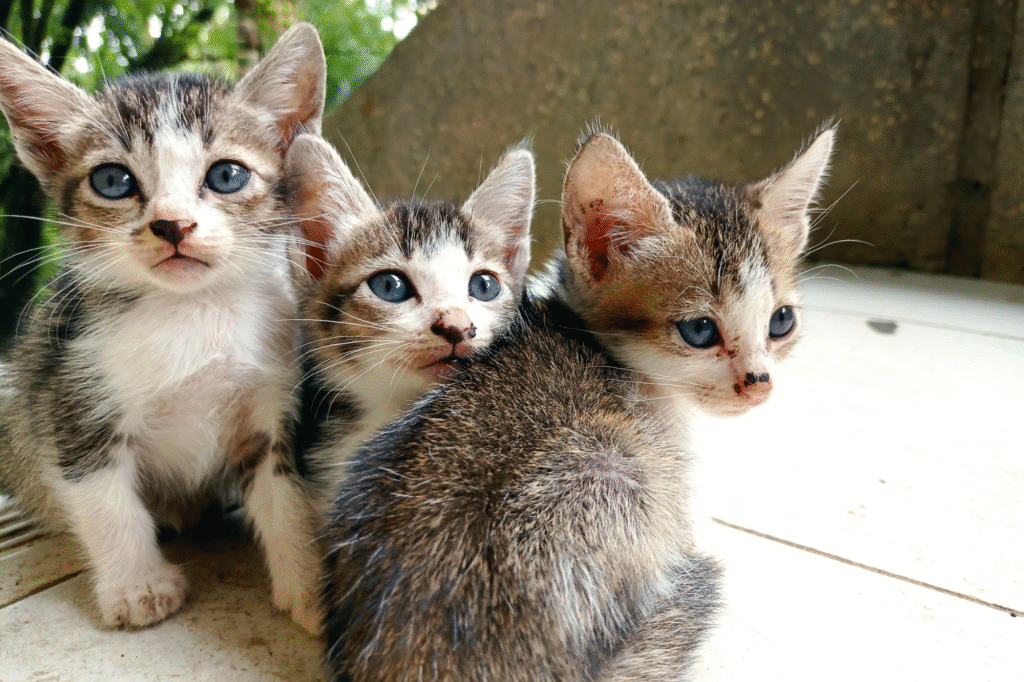
Feral cats reproduce rapidly. A female can produce multiple litters each year and neighbors often never neuter or remove them. That means the outdoor cat population can grow silently and then explode. With more cats roaming free, predation pressure mounts, disease transmission increases and ecosystem effects accelerate. Without robust control measures, this breeding advantage ensures that feral cat impacts escalate rather than staying contained.
8. Waterway contamination and marine ecosystem effects occur.
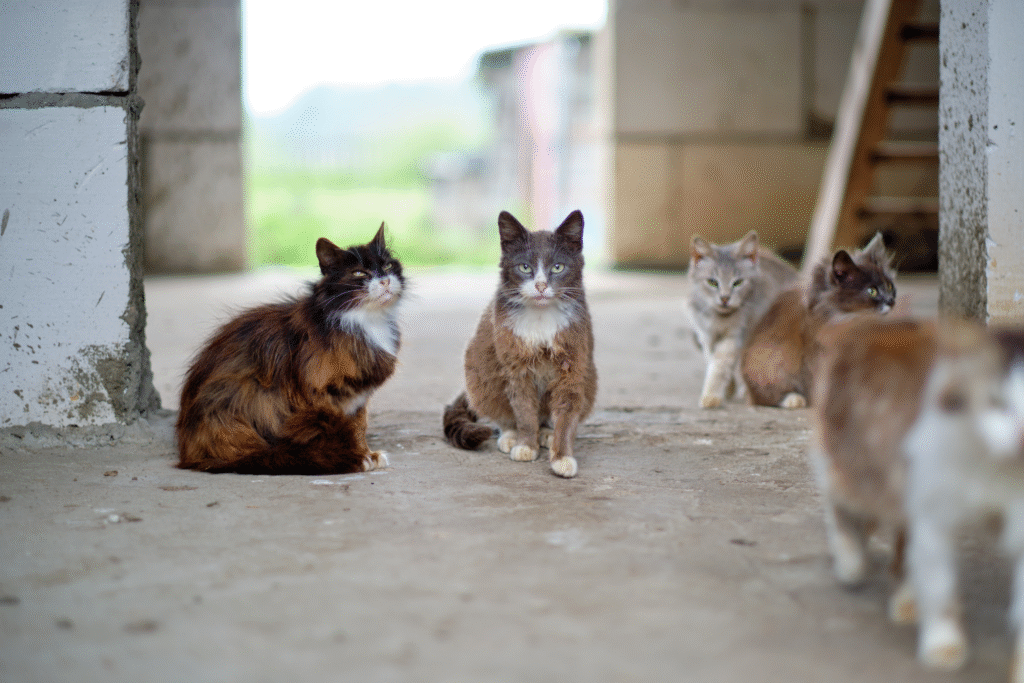
Feral cats contribute to aquatic ecosystem damage in less obvious ways. Through hunt-drop behaviour and defecation near waterways, they introduce non-native prey remains and pathogens into streams and wetlands. Road-runoff may carry this into lakes and rivers, where native amphibians and fish become exposed. Such contamination disturbs multiple links in aquatic food webs and weakens ecosystem resilience. In nature’s balance, what starts with a cat on land can end up in the water.
9. They interfere with wildlife restoration and conservation efforts.
When local councils or wildlife groups attempt to reintroduce native species—birds, small mammals, reptiles, feral cats often undermine those efforts by preying on vulnerable animals. Even when habitat is restored, cats in the area reduce the survival of released species. Conservation becomes a two-front battle: habitat restoration and predator control. If feral cat populations remain unchecked, many restoration projects struggle and native species remain on the defensive.
10. Backyard feeding and human behaviour perpetuate the cycle.
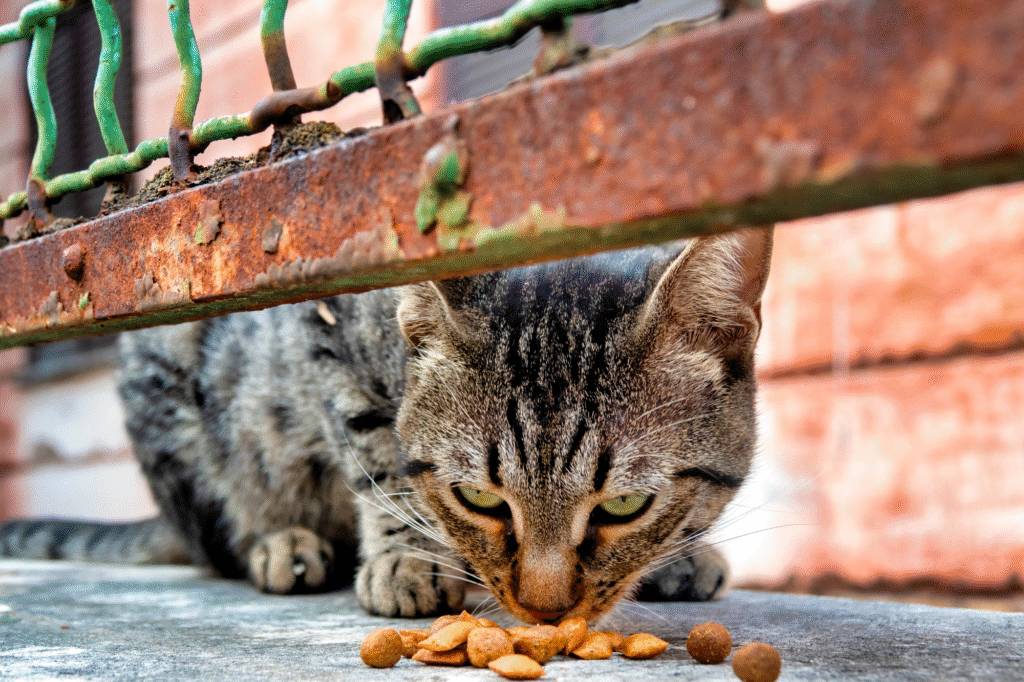
Many people feed stray or feral cats indoors or outside, inadvertently sustaining the very populations that harm nature. When cats have reliable food, they don’t rely solely on hunting—but the predatory instinct remains. The result: higher cat numbers, more hunting of wildlife, more disease spread. Changing human behaviour, through discouraging feeding, promoting neutering and cat containment, is critical for shifting the balance back toward nature. When we alter how we support or tolerate feral cats, ecosystems begin to heal.