
The Hidden Catastrophe Living Right In Your Backyard Is More Devastating Than You Realize

Feral cats might seem harmless, but their impact on local ecosystems is nothing short of disastrous. These stealthy predators wreak havoc on native wildlife, driving species to extinction and disrupting entire food chains. Their effects are far-reaching, leaving a trail of destruction that often goes unnoticed by most of us.
What’s worse is how their presence also spreads diseases, making them a threat not just to animals but to humans too. By understanding their ecological consequences and taking action, we can help protect the delicate balance of nature. Let’s explore how feral cats are causing chaos and what steps can be taken to curb their impact.
1. Predation On Native Wildlife Is Driving Species To The Brink

Feral cats are relentless hunters, and their appetite for native species is staggering. Their hunting is not limited by season or necessity—they often kill even when not hungry. From songbirds to small mammals, they target creatures essential to maintaining ecological balance. In the United States alone, cats kill billions of birds and mammals each year, leaving populations struggling to recover.
As stated by Fishbio, even well-fed cats continue to hunt due to their innate predatory instincts. Their impact extends to reptiles and amphibians, making them a widespread threat. Addressing their predatory behavior is crucial if we want to preserve local biodiversity and prevent further losses.
2. Extinction And Endangerment Rates Are Skyrocketing Due To Feral Cats

The presence of feral cats has directly contributed to the extinction of dozens of species around the globe. Birds, mammals, and reptiles have all been pushed to the edge, with over 33 species wiped out entirely. Their reach doesn’t stop there, as they continue to endanger hundreds more.
According to PestSmart, feral cats are responsible for more than two-thirds of mammal extinctions in Australia since European settlement. Without intervention, these predators will continue to erode biodiversity at an alarming rate, leaving fragile ecosystems teetering on collapse.
3. Ecosystem Disruption Throws Nature’s Balance Into Chaos
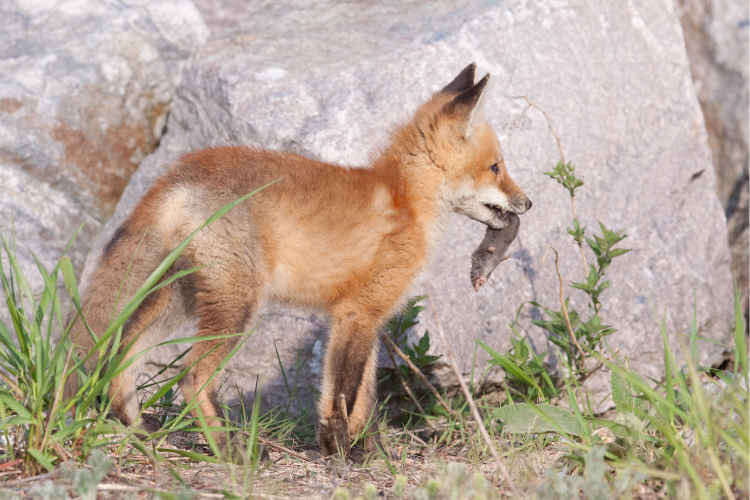
Feral cats don’t just hunt; they disrupt entire ecosystems by reducing prey populations and competing with native predators. If small mammals are over-hunted, predators that rely on them as a primary food source may face starvation or be forced to hunt other species, creating a domino effect throughout the ecosystem.
As detailed by UMass Amherst, the loss of prey species and the competition for resources upset the natural order. Over time, these disruptions lead to the collapse of populations that once thrived in harmony.
4. Disease Transmission Spreads Risks To Wildlife, Humans, And Livestock

Feral cats are carriers of diseases that can spread to other animals and humans, posing a significant public health risk. Toxoplasmosis, rabies, and various parasites are among the dangers they bring, infecting wildlife and even domestic pets.
As noted by The Wildlife Society, these diseases can have devastating effects on already vulnerable species. Addressing the feral cat population is not just about protecting wildlife but also about safeguarding public health and reducing the risks to our communities.
5. Trap-Neuter-Return Programs Help Control Populations Humanely
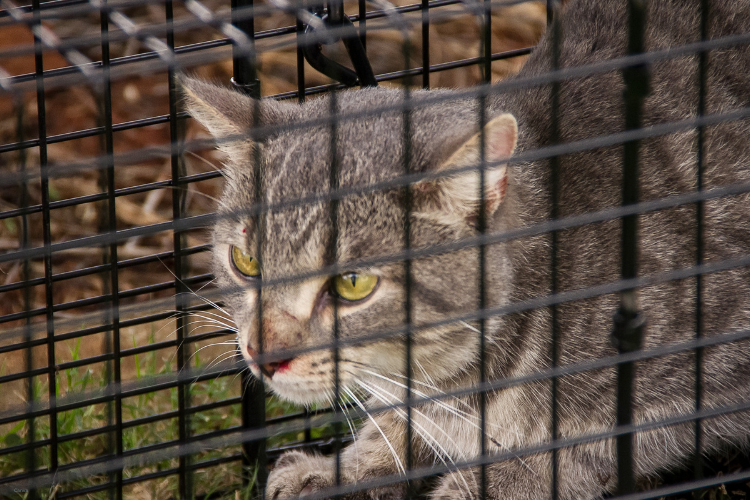
Trap-Neuter-Return (TNR) programs offer a humane way to reduce feral cat populations over time. By capturing cats, sterilizing them, and returning them to their original locations, these programs prevent new litters and stabilize existing colonies.
Studies show that TNR leads to gradual population declines, though some experts argue that it may not be sufficient in sensitive areas. Combining TNR with other measures can provide a more comprehensive solution, balancing compassion for animals with the need to protect ecosystems.
6. Habitat Modification Can Remove Resources That Sustain Feral Cats

One effective way to control feral cat populations is by reducing their access to food and shelter. Securing garbage bins, removing food waste, and discouraging feeding can limit their ability to thrive. Modifying the environment forces feral cats to move elsewhere or reduces their numbers naturally.
Educating communities about the importance of these changes is key to making a meaningful impact. Simple steps taken collectively can significantly reduce the resources available to feral cats, helping to curb their growth.
7. Responsible Pet Ownership Is A Crucial Part Of The Solution
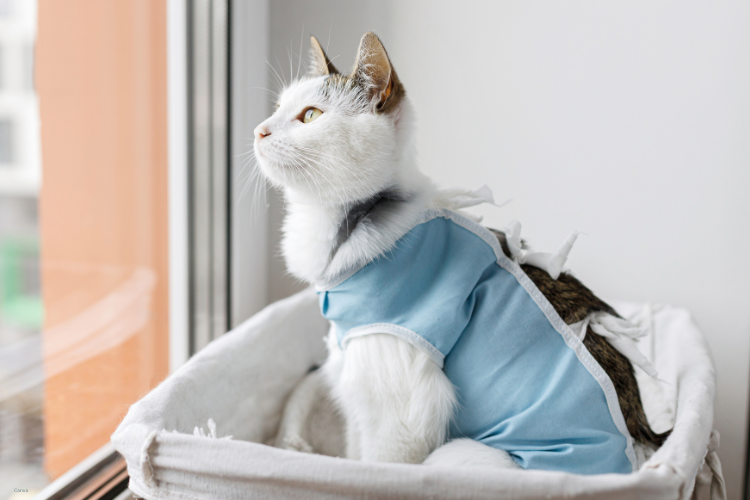
Pet owners play a vital role in addressing the feral cat crisis. Keeping cats indoors, spaying or neutering them, and ensuring they are microchipped are essential steps. These measures prevent domestic cats from contributing to the feral population and reduce the risks they pose to wildlife.
Encouraging responsible practices among pet owners ensures that fewer cats end up abandoned or left to fend for themselves. It’s a small but significant way to tackle a much larger issue.
8. Targeted Removal Is Necessary In High-Value Conservation Areas

In areas where vulnerable species are at risk, targeted removal of feral cats may be the only viable solution. Methods such as trapping and euthanasia, exclusion fencing, or poisoning programs are controversial but can be effective in protecting endangered wildlife.
These measures should only be implemented with community consultation and careful planning. While difficult decisions must sometimes be made, the priority should always be the preservation of biodiversity.
9. Public Education And Awareness Are Powerful Tools For Change

Raising awareness about the ecological impacts of feral cats can inspire communities to act. Educating people about responsible pet ownership, the dangers feral cats pose to wildlife, and the benefits of TNR programs can foster a culture of accountability and care.
Promoting adoption from shelters and discouraging backyard breeding are also vital components of this effort. Public involvement amplifies the effectiveness of other strategies, creating a unified front against this ecological crisis.
10. Legislative Action Provides The Framework For Long-Term Solutions

Effective laws and regulations are essential for managing feral cat populations. Mandatory spay/neuter programs, restrictions on feeding feral cats, and licensing requirements for pet owners can all contribute to controlling the issue at its source.
Enforcing these measures ensures that progress is sustained over time. Legislative action creates the foundation for a comprehensive approach to protecting ecosystems from the harmful effects of feral cats.
Addressing the feral cat crisis requires bold action and a commitment to preserving biodiversity. Each strategy, from TNR programs to legislative reforms, plays a role in mitigating their impact. By acting now, we can safeguard our ecosystems for future generations and restore balance to nature.