
What looks harmless is slowly causing real damage.
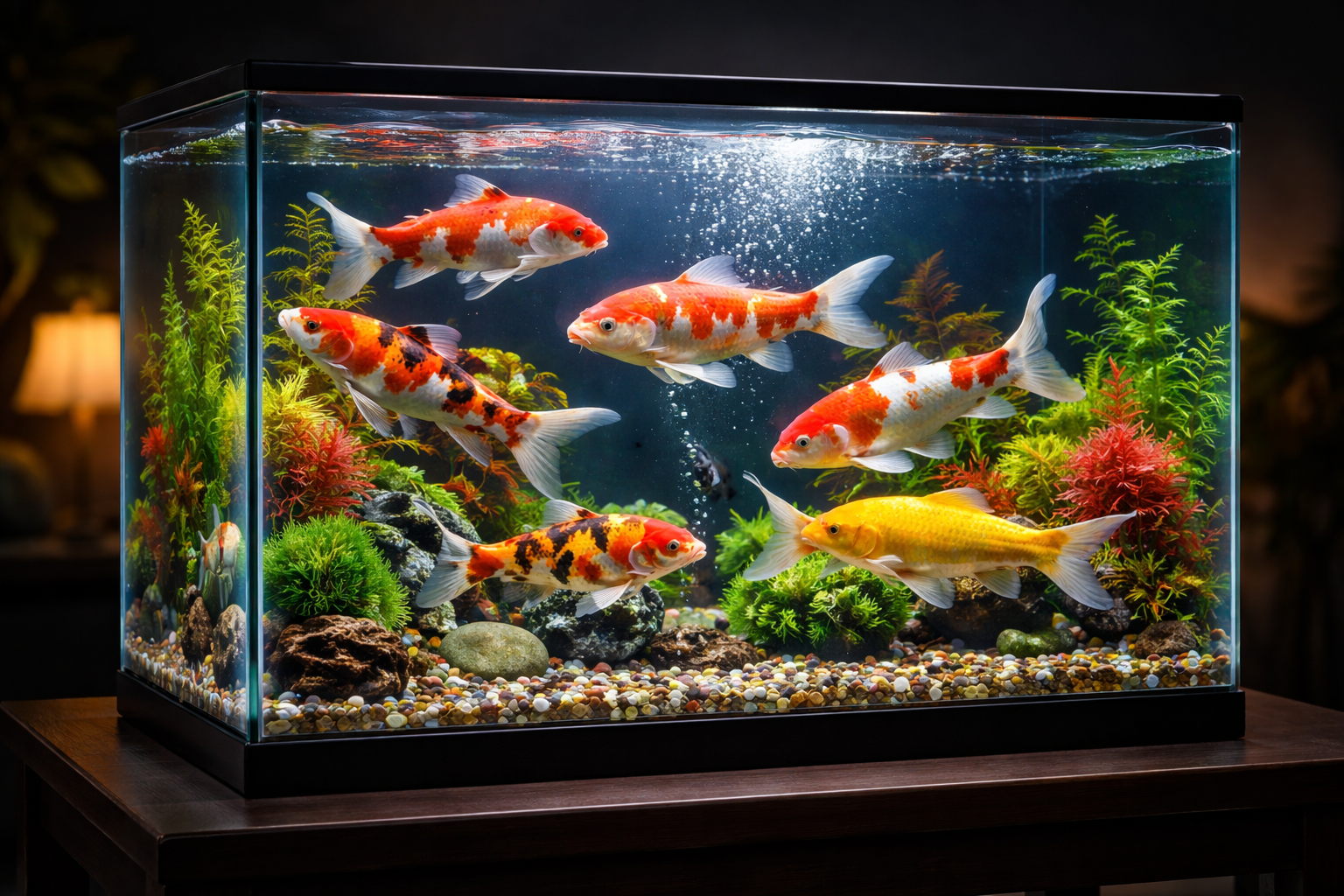
It usually starts with something that looks perfectly fine. The tank is clean, the water is clear, and the fish are moving just enough to make everything feel alive. Nothing about it immediately raises concern. If anything, it feels like you’ve done things right. But that sense of calm can be misleading. What’s happening inside doesn’t always show up in obvious ways, especially at first. Subtle changes build slowly, behaviors shift, and what once looked like a peaceful setup begins to tell a different story. The more you understand what these fish actually need, the harder it becomes to see that small tank the same way again.
1. Fancy goldfish can grow too large to turn around comfortably.
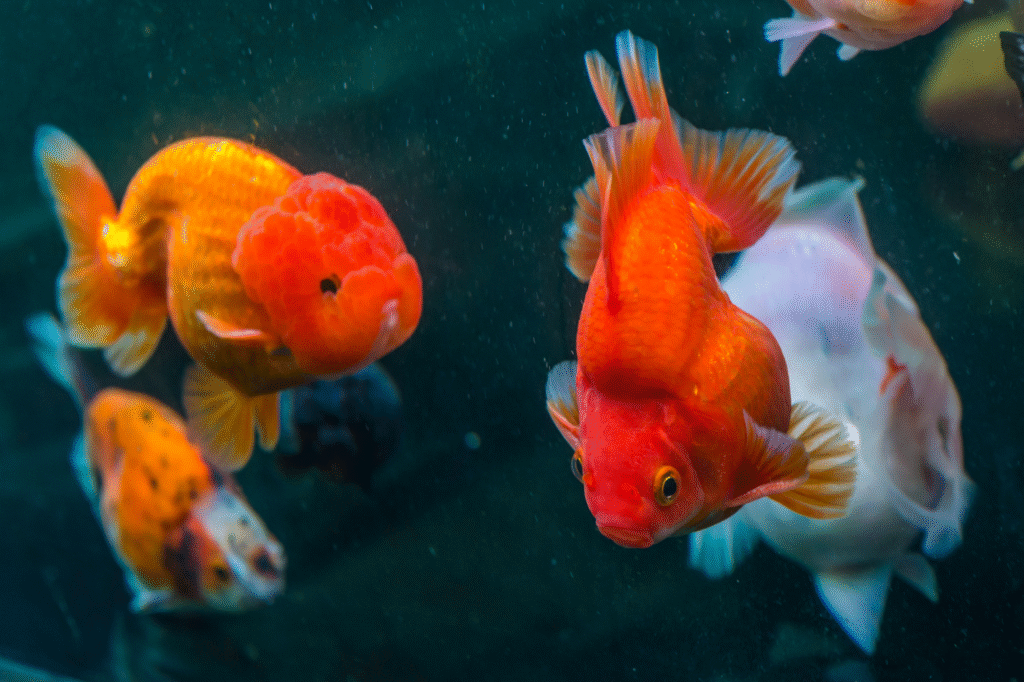
Most people picture goldfish as small, low-effort pets, but fancy goldfish are anything but basic. According to the RSPCA, fancy varieties like orandas and ryukins need at least 20 gallons per fish, and ideally more. They produce a ridiculous amount of waste and have delicate body shapes that need space to maneuver safely. When cramped, they’re prone to buoyancy issues, ammonia burns, and fin rot. That cute little aquarium you saw on Pinterest? It’s basically a coffin for these guys.
2. Bala sharks get big and bolt into glass walls if startled.
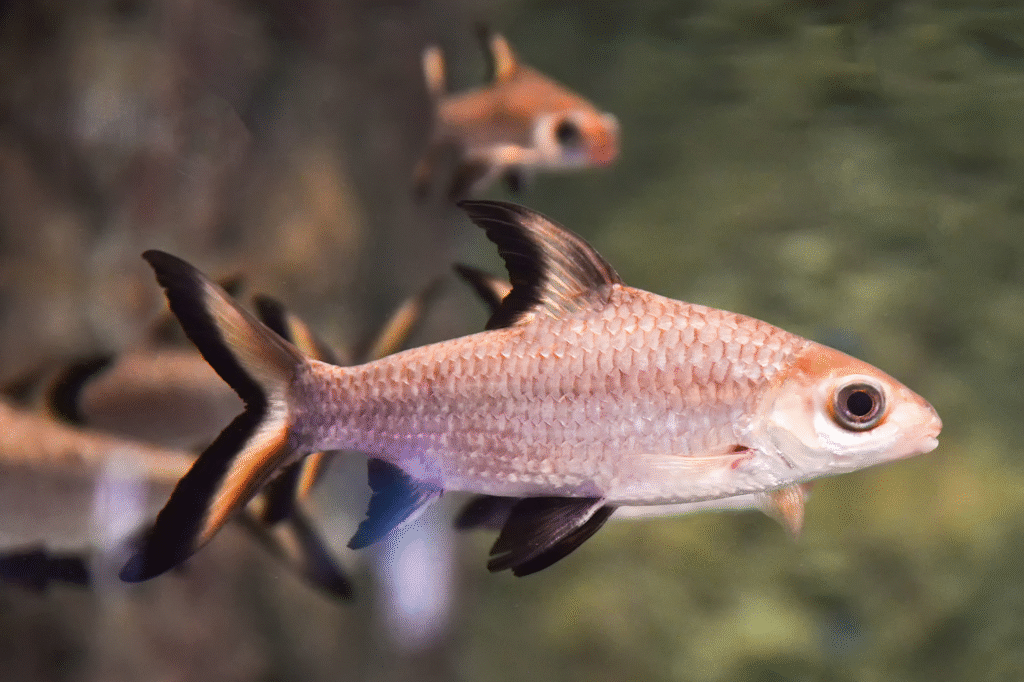
It’s wild how many people pick up bala sharks thinking they’ll stay under five inches. As stated by the Aquarium Co-Op, these fish can reach a foot long and are intense swimmers who spook easily. In small tanks, their darting behavior becomes dangerous. They bash into the glass or break their own fins when startled by movement or noise. Ending up in a tank under 100 gallons is basically a stress spiral waiting to happen. Most of them outgrow their setup within a year, but not all of them survive long enough to.
3. Angelfish look delicate but need vertical space to actually be graceful.
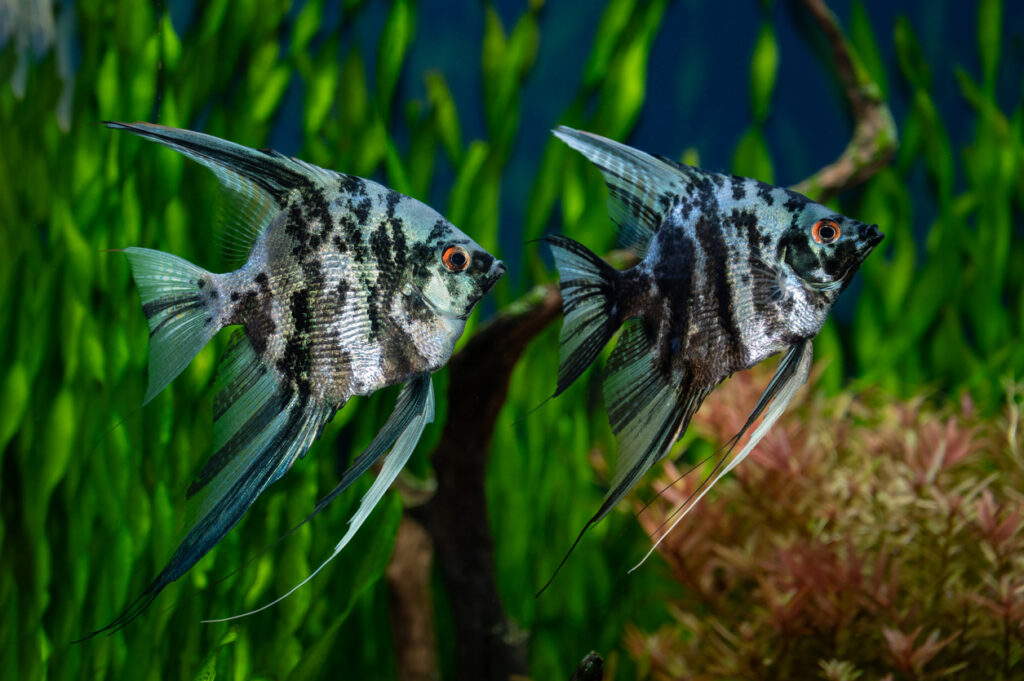
Don’t let the elegant fins fool you, angelfish are territorial and need height more than width. A cramped tank turns their flowy fins into liabilities. Reported by the Spruce Pets, angelfish do best in tanks over 30 gallons, and with more vertical than horizontal space. Otherwise, they either fin-nip out of frustration or get bullied by other fish who sense their vulnerability. They also form tight pair bonds and get aggressive in small quarters. So if they look peaceful in your tank, it may just be that they’ve given up.
4. Flowerhorn cichlids go full meltdown in anything under 70 gallons.
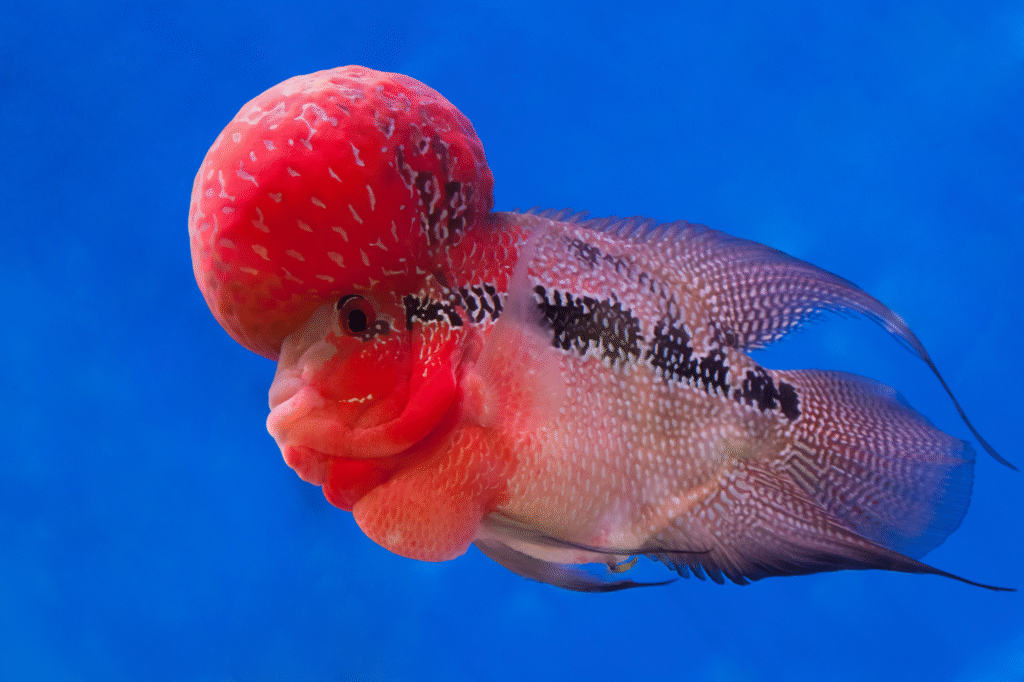
That dramatic forehead isn’t just for looks. Flowerhorns are intelligent, territorial, and need to feel dominant in their space. Shove one in a 20-gallon tank and you’re going to see sulking, color loss, and constant pacing. Their aggression builds up with nowhere to release it, and they often attack the tank glass or their own reflection. They’re basically big, moody dogs in fish form, but in a bowl, they unravel fast.
5. Ropefish feel like jungle snakes in captivity and need to stretch.
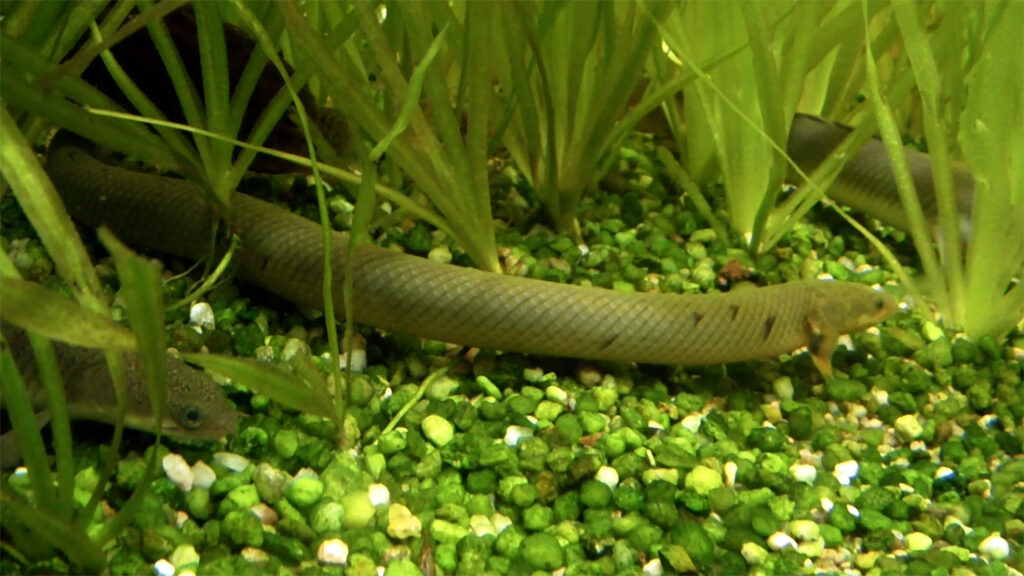
These prehistoric-looking fish are long, shy, and absolutely done with cramped quarters. Ropefish can grow past 15 inches and love slinking along the bottom. A narrow or low tank makes them feel boxed in. They get stressed, stop eating, and can even try escaping through tiny gaps. When housed properly, they’re curious and calm. When kept too tight, they go full ghost mode and vanish into a PVC pipe or corner for good.
6. Discus fish need space and a squad to chill out.

They’re stunning, expensive, and wildly misunderstood. Discus aren’t just pretty, they’re sensitive, picky, and incredibly social. They do best in groups of six or more, which means a small tank is instantly off the table. You’ll need pristine water and enough room to let them sort out their social hierarchy. Without space, they start fading in color, hiding constantly, or becoming aggressive in weird, panicked bursts.
7. Rainbow sharks turn into jerks in tight quarters.
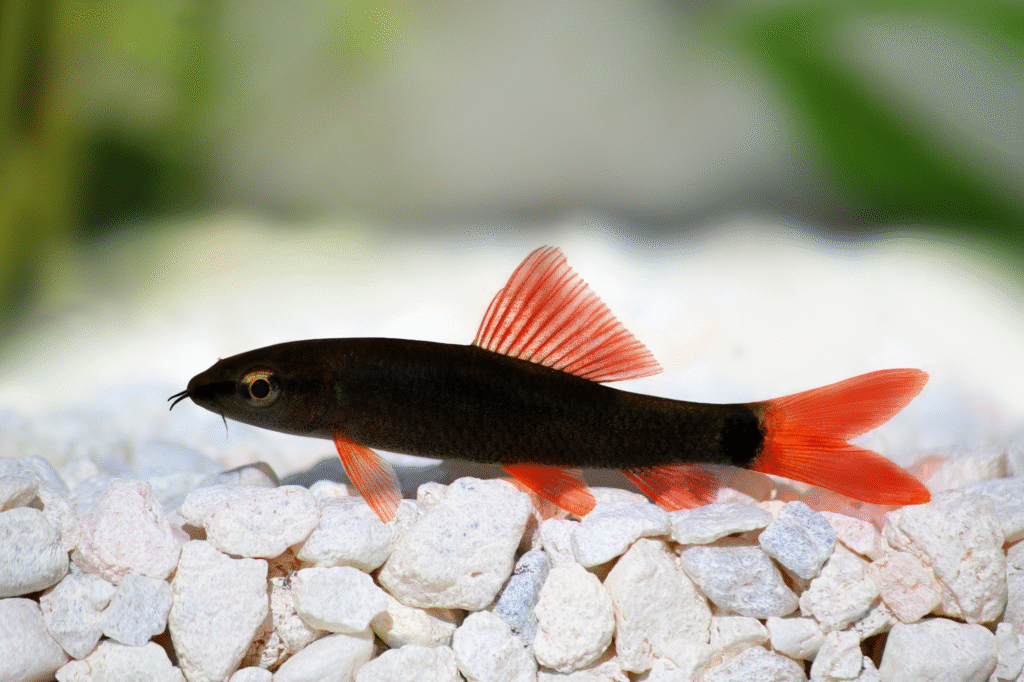
They start out shy and cute but morph into tank bullies fast if there’s no room to roam. Rainbow sharks are semi-aggressive by nature and need spots to claim as their own. Give them too little territory and they’ll spend all day chasing anyone who enters their space. They’re happiest in longer tanks where they can rule a cave or corner without going full dictator.
8. Gouramis get weird when they can’t hide or flirt properly.
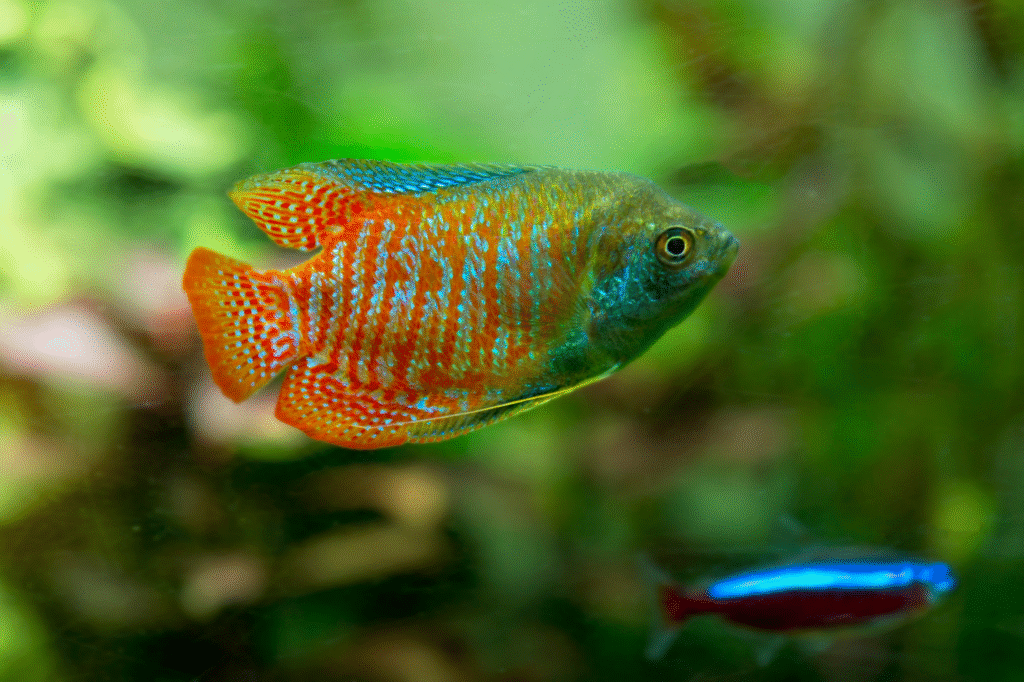
These air-breathers need surface access, yes, but they also need space to escape conflict. Some species like dwarf gouramis are marketed as community-safe, but that depends on room. In a tiny setup, they harass each other or become super reclusive. You’ll either end up with a chase scene or a fish that just floats near the heater pretending nothing’s wrong.
9. Koi in indoor tanks is a disaster no one wants to talk about.
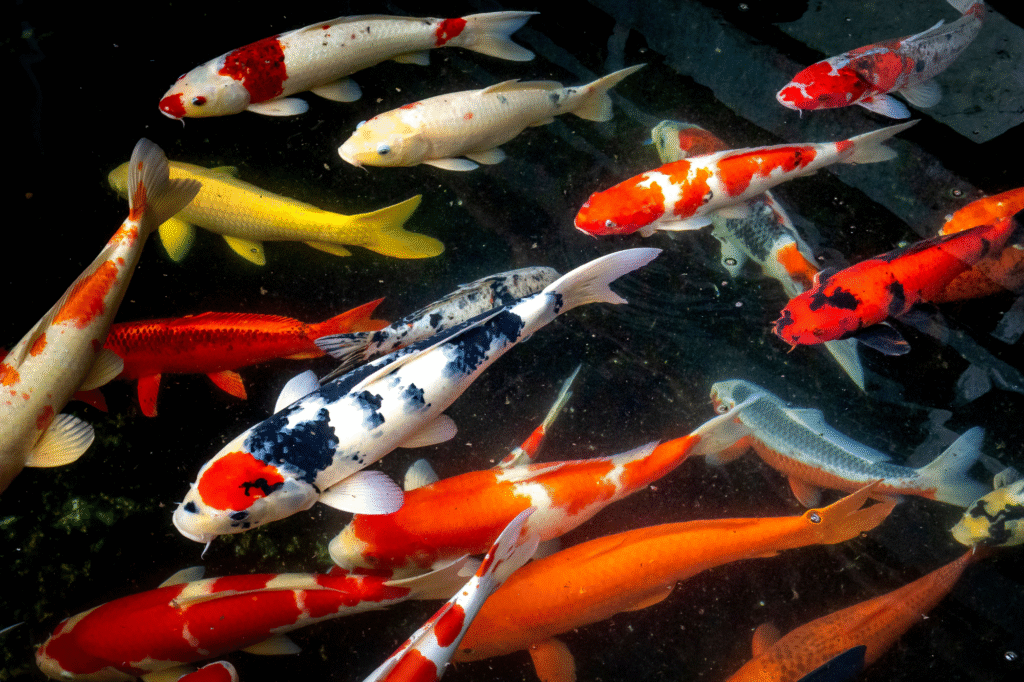
We get it, they look magical. But koi are pond fish, not tank fish. Keeping one indoors because it’s small now is a recipe for health issues later. They can grow over two feet long, and their filtration needs are next level. In tanks, they outgrow the setup in months, develop spine deformities, and often die early from ammonia stress. It’s not just a little cramped, it’s a slow collapse.