
A quiet retail moment sparked unexpected questions.

On a weekday afternoon, a shopper at an Old Navy store stepped into a fitting room with several items in hand. Moments later, something inside the room responded to her presence. It was not an employee and not a sound from outside the door. A screen inside the fitting room activated on its own, displaying information she had not entered. The moment spread online quickly, raising questions about what exactly had happened, how common it was, and why it caught so many people off guard.
1. A screen activated without any visible interaction.

As the shopper placed clothing on the hooks, a screen inside the fitting room turned on automatically. It displayed the exact items she brought in, including sizes and colors. No scanning motion occurred and no employee entered the room. The response appeared immediate and precise, creating confusion about how the system recognized the clothing so quickly.
Reporting later clarified the mechanism behind the display, according to The Mary Sue. The screen was connected to inventory technology rather than cameras. Still, the lack of visible interaction made the activation feel abrupt, especially inside a space traditionally assumed to be private and inactive unless touched directly.
2. The accuracy of the display raised immediate questions.

The screen did not show generic suggestions or advertisements. It listed the specific garments the shopper carried, aligned exactly with what was on the hooks. That precision prompted viewers to wonder how the system identified each item without manual input or scanning.
As reported by the Daily Dot, the accuracy came from RFID tags embedded in the clothing. These tags allow stores to track inventory movement in real time. While the technology is widely used behind the scenes, encountering it directly inside a fitting room was unfamiliar to many shoppers, making the moment feel more personal than intended.
3. The shopper said she was not warned beforehand.

In her video, the shopper explained that she had no idea the store used this type of technology. There were no signs posted outside the fitting rooms explaining the screen or its function. The surprise stemmed from encountering an active system without prior notice.
Consumer advocacy groups have noted that lack of disclosure often drives discomfort, according to Consumer Reports. When shoppers are not informed about automated systems, even benign technology can feel intrusive. The absence of explanation allowed speculation to fill the gap before factual context had a chance to surface.
4. Fitting rooms amplify reactions to unexpected technology.

Fitting rooms are already heightened spaces. They are small, enclosed, and designed for brief isolation. When something unfamiliar happens inside them, reactions tend to be stronger than they would be on the sales floor.
Behavioral researchers note that people are more sensitive to environmental changes during moments of physical vulnerability. Changing clothes shifts attention inward, making external cues stand out. In that context, a screen activating unexpectedly carries more emotional weight than it might elsewhere in the store.
5. Retail technology has advanced faster than public awareness.
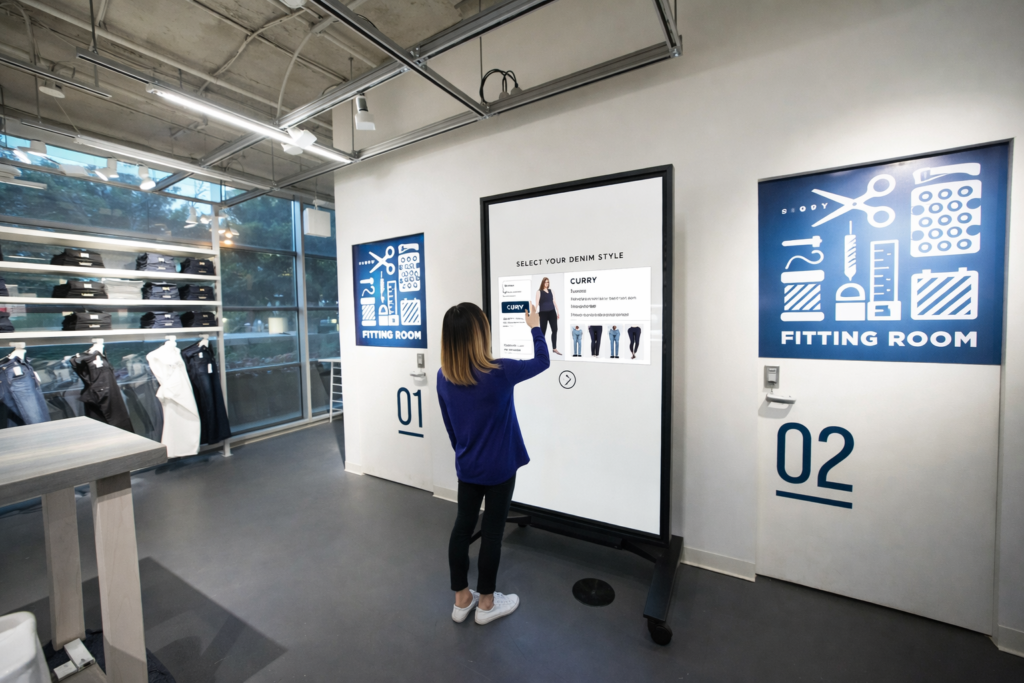
RFID systems have been used for years to manage inventory, reduce theft, and streamline restocking. Most of that activity happens invisibly, far from customers. The fitting room display simply made that system visible for the first time to many shoppers.
The gap between technological capability and consumer understanding creates friction. When systems surface suddenly, they feel new even if they are not. Without context, shoppers often interpret visibility as escalation rather than transparency, especially when technology appears in spaces associated with privacy.
6. Social media transformed a single moment into a broader debate.

Once the video circulated, thousands of viewers shared reactions, theories, and personal anecdotes. Some assumed surveillance, others defended the technology, and many expressed discomfort rooted in surprise rather than fear.
Platforms reward emotional reactions, not technical explanations. As posts spread, nuance flattened. The story became less about how the system worked and more about how it felt to encounter it unexpectedly. That shift amplified concern even as explanations emerged elsewhere.
7. Screens blur the boundary between assistance and observation.

The display was designed to help shoppers request different sizes or colors without leaving the room. Functionally, it reduced friction. Perceptually, it introduced a sense of responsiveness that felt close to observation.
When assistance tools react automatically, intent can be misread. Shoppers often associate screens with monitoring because screens are usually paired with cameras in daily life. Without clear cues distinguishing one from the other, assumptions fill the silence left by design.
8. Signage plays a larger role than retailers expect.

A simple notice outside the fitting room could have reframed the experience entirely. Clear explanation often prevents surprise from turning into suspicion. In this case, absence allowed uncertainty to take root.
Retail studies consistently show that transparency reduces discomfort with automation. When shoppers know what to expect, technology feels supportive rather than invasive. The issue was not the system itself, but how quietly it was introduced into a sensitive space.
9. Everyday spaces are changing faster than norms adjust.

The fitting room moment reflects a broader transition. Ordinary environments now contain systems that respond intelligently without human involvement. As these systems surface, cultural expectations lag behind technical reality.
Moments like this reveal where norms have not caught up. Shoppers are negotiating new boundaries in real time, often through surprise rather than instruction. The discomfort was not about being watched, but about encountering a future that arrived without warning.