
These horses built systems modern markets still depend on.
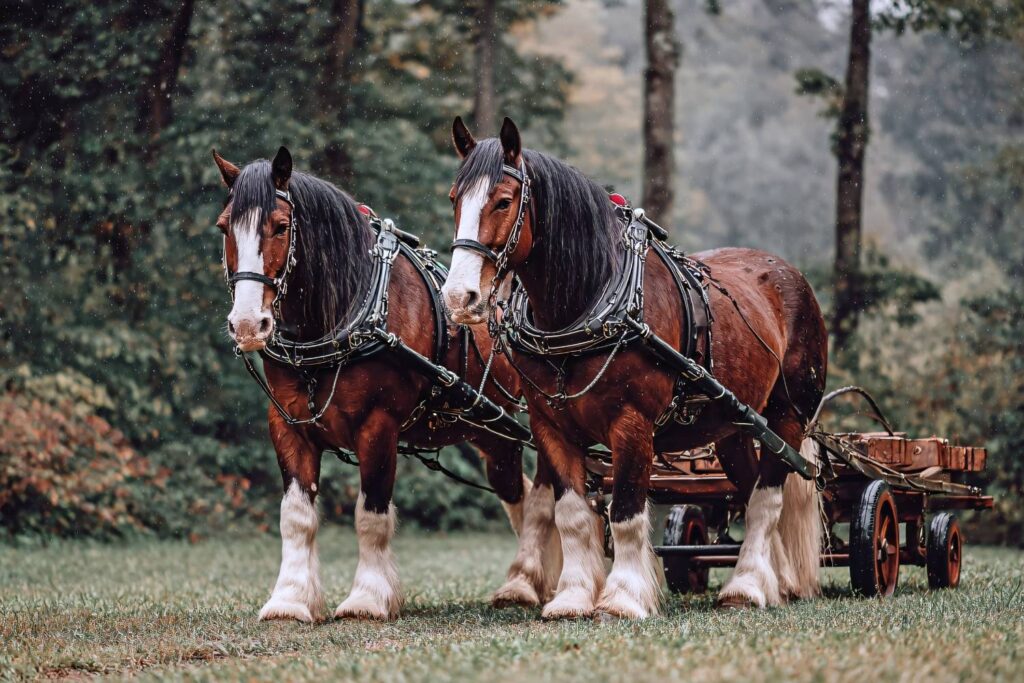
Long before engines dictated growth, survival hinged on animals bred for labor, distance, and endurance. Trade expanded only where strength allowed it. Farms scaled only as far as muscle could pull. When those animals faded from use, the transition looked smooth, yet entire economic systems quietly rebalanced. Roads remained, fields stayed planted, and cities kept growing. What vanished was the living infrastructure that once absorbed risk, limited speed, and enforced restraint. The loss was not sentimental. It reshaped how quickly societies learned to expect abundance.
1. The Cleveland Bay once anchored Britain’s rural productivity.
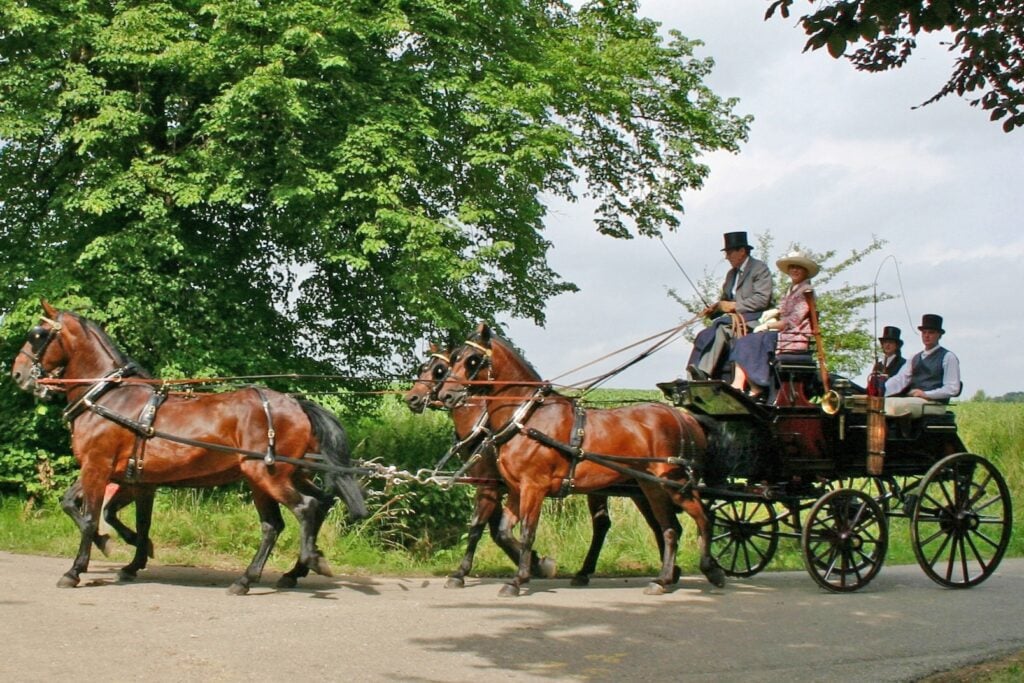
Before mechanized farming, British agriculture depended on horses that could work relentlessly without panic or failure. The Cleveland Bay pulled plows, wagons, and harvest loads across heavy soils that determined whether farms stayed solvent. When yields dropped, consequences reached far beyond individual fields.
Selective breeding emphasized stamina, size, and calm strength. Farming schedules, labor roles, and land expansion aligned with what these horses could sustain daily. As engines replaced them, efficiency increased, but resilience shifted. The breed declined rapidly, not because it lacked usefulness, but because the economy stopped valuing endurance as a stabilizing force.
2. The Norfolk Trotter once kept English trade moving.
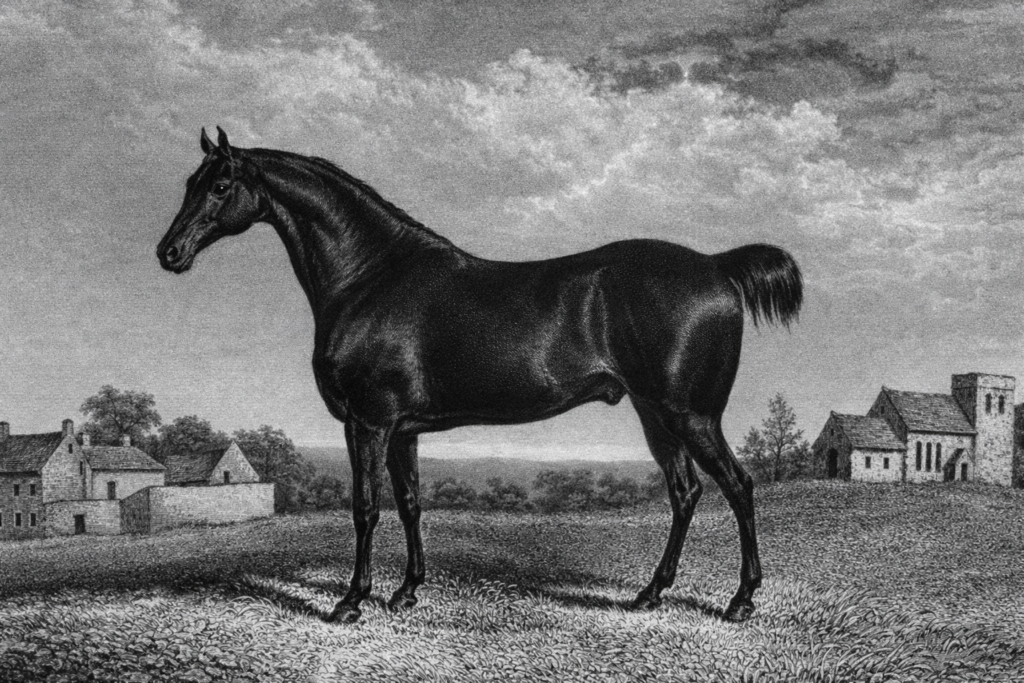
Before railways unified England, timing depended on hooves. The Norfolk Trotter carried mail, contracts, and goods between towns, holding regional markets together through consistent pace rather than speed. Missed connections disrupted pricing, supply, and trust.
Bred for steady trotting over long distances, these horses powered coaching routes linking cities to ports and farms. Roads, inns, and schedules formed around their abilities. When rail transport spread, demand collapsed quickly. Breeding lines disappeared through crossbreeding, and the horse became extinct, leaving infrastructure behind that no longer matched its original purpose.
3. The Suffolk Punch shaped England’s grain economy.
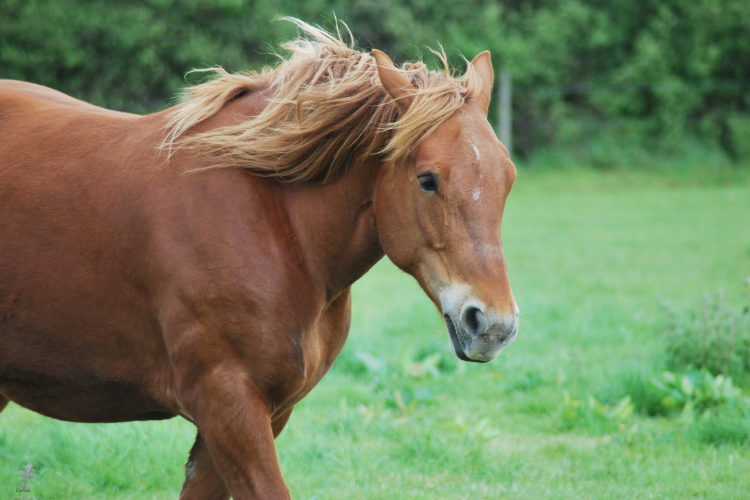
Heavy clay soils resisted early farming tools, requiring animals capable of sustained force. The Suffolk Punch powered plows through stubborn ground, enabling large scale grain production that supported population growth and regional stability. Harvest reliability depended on strength rather than speed.
Breeders focused on mass, patience, and work tolerance. Entire farming regions organized planting cycles around these horses. When tractors became common, demand evaporated within decades. Fields remained productive, yet the biological engine that once defined output disappeared. What was lost was not acreage, but a farming rhythm built on predictable limits.
4. The Comtois carried commerce through eastern France.
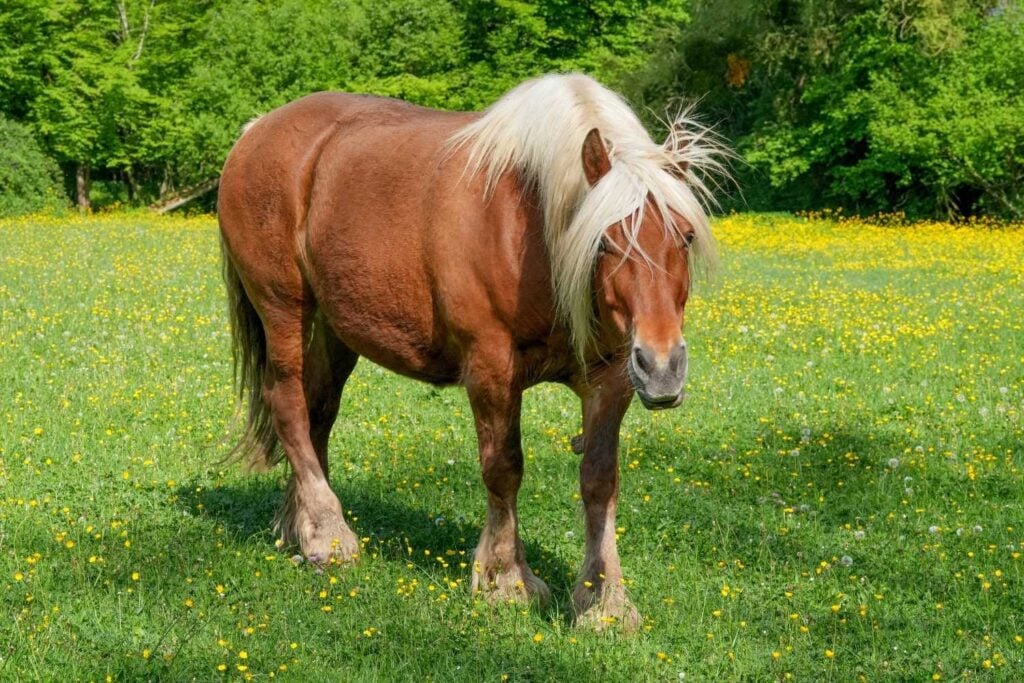
In forested hills and vineyard regions, moving goods meant navigating slopes and narrow paths. The Comtois hauled timber, wine barrels, and freight where early machinery struggled. Trade volume relied on reliability more than road quality.
Bred for strength and sure footing, these horses enabled regional commerce across eastern France. Villages, mills, and wineries planned output around what could be moved in a day. Industrial transport reduced demand quickly. Breeding networks collapsed, leaving the horse surviving in smaller numbers without the commercial system that once depended on its labor.
5. Working Percherons once drove Europe’s industrial muscle.

Before machines replaced muscle, factories, forests, and freight yards relied on horses that could pull extreme weight day after day. Working line Percherons hauled logs, moved stone, and powered urban deliveries that kept industrial centers functioning. When output slowed, bottlenecks formed quickly.
These horses were bred for size, balance, and sustained power rather than show. Logging camps and factories planned labor around their limits. As mechanization spread, demand collapsed unevenly. Some industries converted faster than others. The horses did not disappear instantly, but their economic role fractured, leaving a working animal without a unified system that required its strength.
6. The Shire Horse once underpinned Britain’s industrial flow.

Canals, breweries, and factories relied on predictable hauling capacity. The Shire Horse moved raw materials, finished goods, and barrels through industrial corridors that machines could not yet reach. Delays disrupted production schedules across regions.
Selective breeding emphasized size and calm control in crowded urban spaces. Entire supply chains adjusted to what Shires could pull through streets and towpaths. When engines replaced them, efficiency rose, but redundancy vanished. The breed survived symbolically, yet the layered industrial ecosystem that depended on living traction dissolved into faster, more brittle systems.
7. The Altai Horse sustained nomadic trade networks.
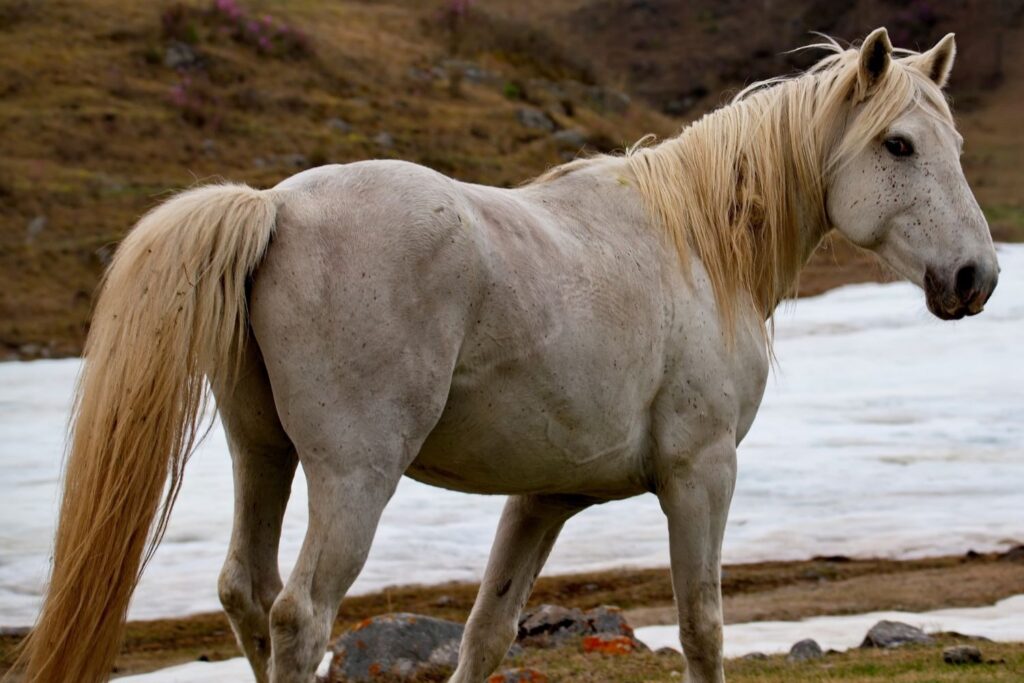
Across Central Asia, trade routes crossed terrain unsuited for wheeled transport. The Altai Horse carried goods, people, and survival supplies through mountains where failure meant isolation. Economic exchange depended on endurance under harsh conditions.
Bred for resilience rather than speed, these horses allowed nomadic groups to maintain seasonal trade and migration cycles. Markets formed around mobility itself. As borders hardened and vehicles spread, traditional routes collapsed. The horse remains, but the economic web it once supported has thinned, replaced by infrastructure that assumes permanence rather than movement.
8. The Yakutian Horse made Arctic economies possible.

In Siberia, survival required animals that could endure extreme cold while foraging beneath snow. The Yakutian Horse enabled transport, hunting support, and subsistence trade where engines failed outright. Without it, settlements faced isolation.
Natural selection favored insulation, metabolic efficiency, and independence. Communities structured winter survival around these horses’ abilities. Modern transport reduced reliance, but replacement remains incomplete in remote regions. The horse still works, yet the economic logic that once centered on its endurance now competes with systems vulnerable to the very climate this breed mastered.
9. The Marwari supported India’s royal and trade power.
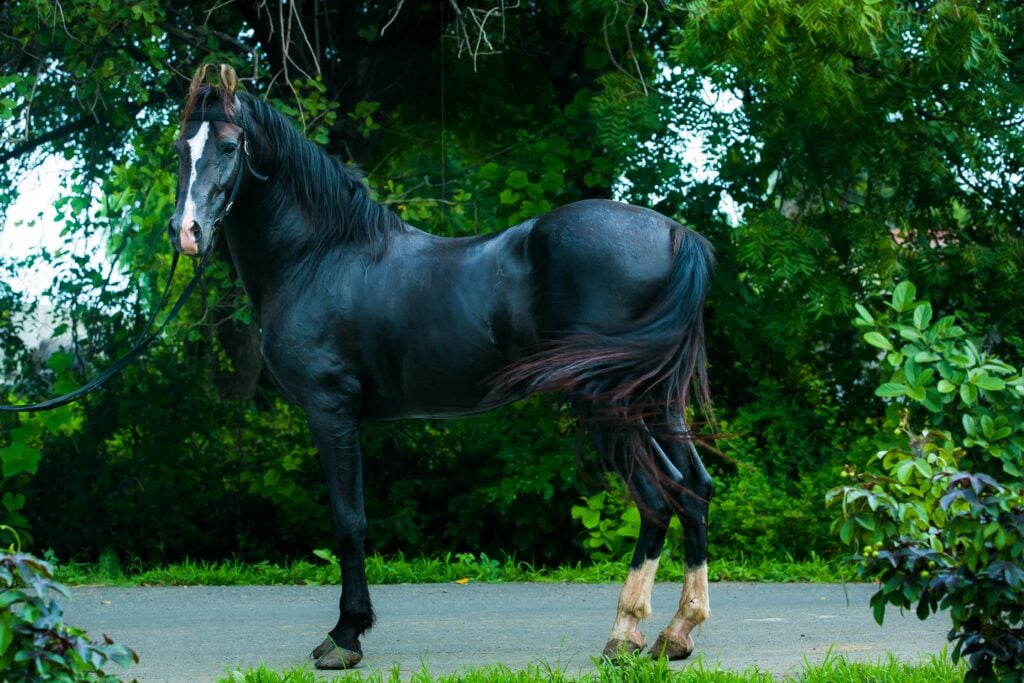
In arid regions of India, mobility determined political and economic control. The Marwari carried traders, messengers, and warriors across desert routes where speed and loyalty mattered. Trade security depended on reliable movement.
Bred for endurance, heat tolerance, and responsiveness, these horses supported court economies and regional exchange. Shifts in warfare, transport, and governance reduced demand. The breed survived through cultural value rather than commercial necessity. What faded was the economic structure that required mounted reliability as its backbone rather than as ceremonial tradition.