
The claim sounds impossible, but the details are unsettling.
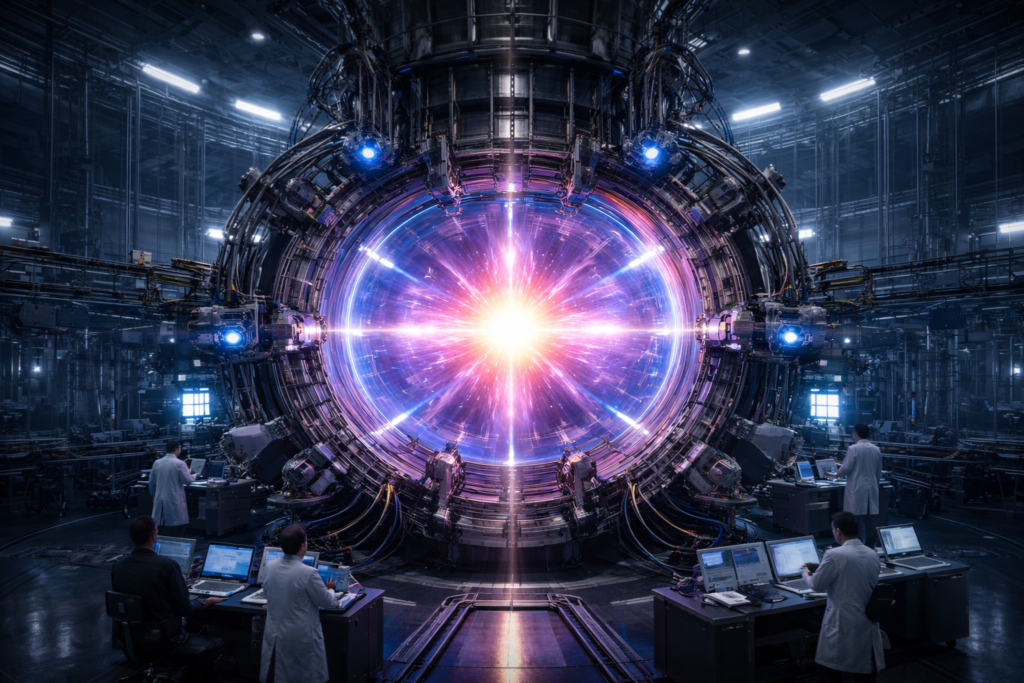
The announcement did not come with celebration or certainty. It arrived quietly, wrapped in caveats and careful language, yet it carried implications that ripple far beyond the lab. A new scientific result suggests energy limits long treated as fixed may not be as firm as once believed. If the finding holds, it could reshape how power is generated, stored, and controlled. The discovery is early, the risks are real, and scientists themselves are urging caution while admitting the implications are hard to ignore.
1. Fusion experiments finally produced more energy than consumed.
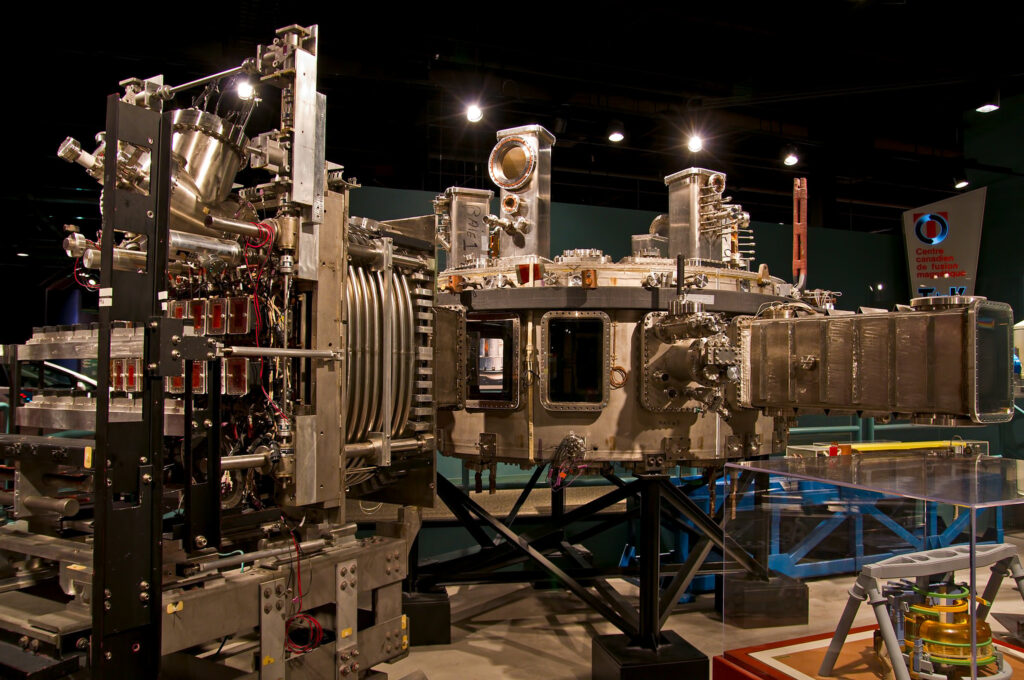
For decades, fusion absorbed more power than it released. That imbalance stalled progress and funding. Recent results changed that equation, unsettling assumptions about feasibility. Scientists caution that repeating success consistently remains uncertain.
The breakthrough occurred under tightly controlled conditions using advanced lasers and magnetic confinement. Energy output briefly exceeded input during ignition. While not yet usable for the grid, the achievement marked a psychological and technical turning point that redefined what researchers believe is possible.
2. Creating star like conditions requires extreme precision.
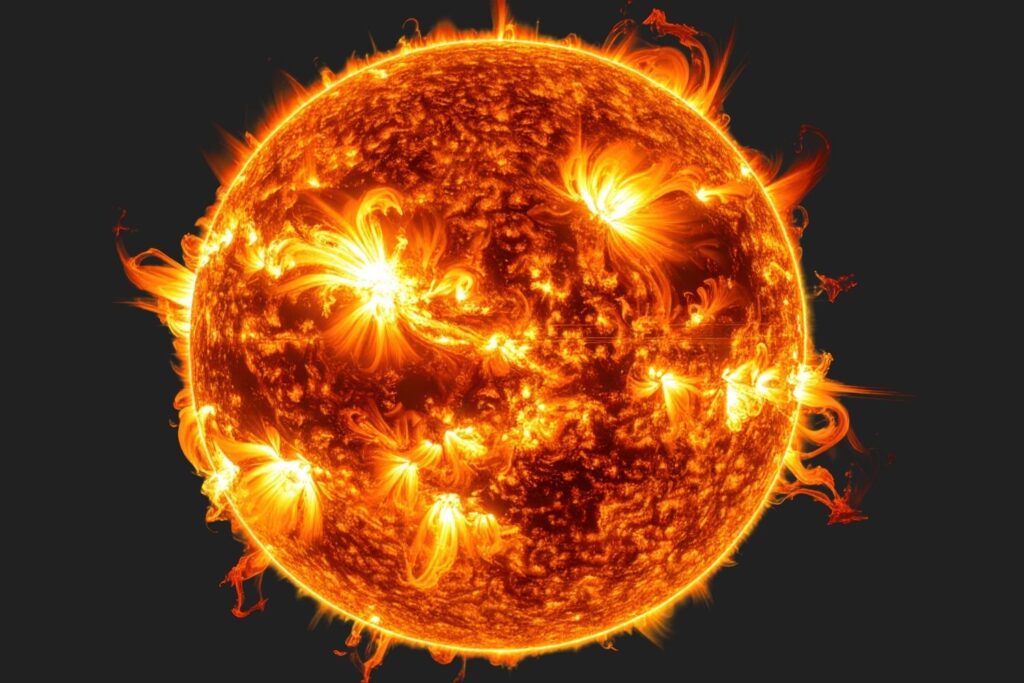
Fusion demands temperatures hotter than the Sun’s core. Containment failure would end reactions instantly. Even small errors collapse experiments, wasting years of preparation.
Scientists rely on magnetic fields and laser timing accurate to billionths of a second. Plasma instability remains the central challenge. Maintaining balance long enough for sustained reactions is still unresolved, leaving uncertainty about whether star conditions can be reliably recreated on Earth.
3. The fuel source is abundant but not simple.

Fusion fuel appears limitless, drawing from hydrogen isotopes found in seawater. That abundance fuels optimism about endless energy. Extracting and managing those isotopes remains complex.
Tritium, a key component, is rare and radioactive. Producing it safely requires breeding systems still under development. Fuel handling adds cost and risk. Unlimited energy depends not just on physics, but on solving material and supply challenges that remain unresolved.
4. Fusion reactors differ fundamentally from nuclear fission.
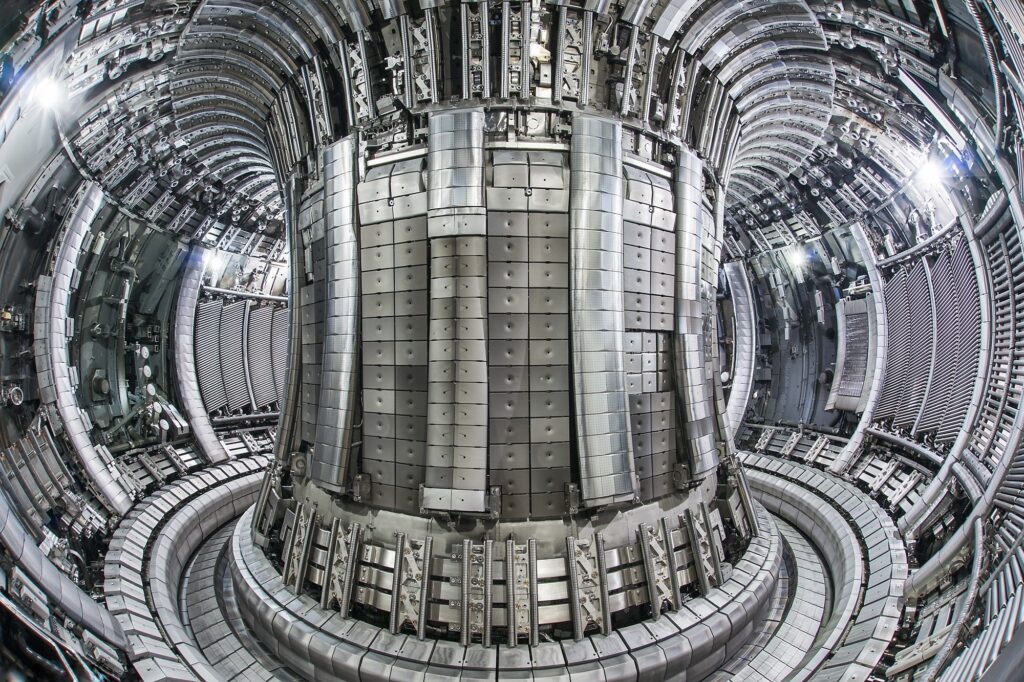
Public fear often confuses fusion with existing nuclear plants. That misunderstanding shapes resistance. Fusion does not involve chain reactions or meltdown risk, yet skepticism persists.
Fusion reactions stop instantly if conditions fail. No runaway reaction is possible. However, neutron radiation still damages reactor walls over time. Engineering solutions must balance safety with durability. Public acceptance hinges on understanding these distinctions clearly.
5. Scaling laboratory success to power grids remains uncertain.

A brief energy surplus does not equal electricity for cities. Translating experiments into continuous output introduces new obstacles. Power conversion efficiency remains unproven.
Reactors must operate steadily, not in pulses. Cooling systems, materials, and maintenance cycles remain experimental. Even optimistic timelines place grid ready fusion decades away. The gap between scientific success and industrial deployment remains wide.
6. Massive investment reshapes global competition.

Governments and private firms are pouring billions into fusion. Nations view leadership as strategic advantage. Energy independence carries geopolitical weight.
Competition accelerates progress but raises stakes. Missed milestones risk political backlash. International collaboration competes with national secrecy. The race for fusion supremacy mirrors earlier technological rivalries, with consequences extending far beyond energy markets.
7. Climate promises raise expectations and pressure.
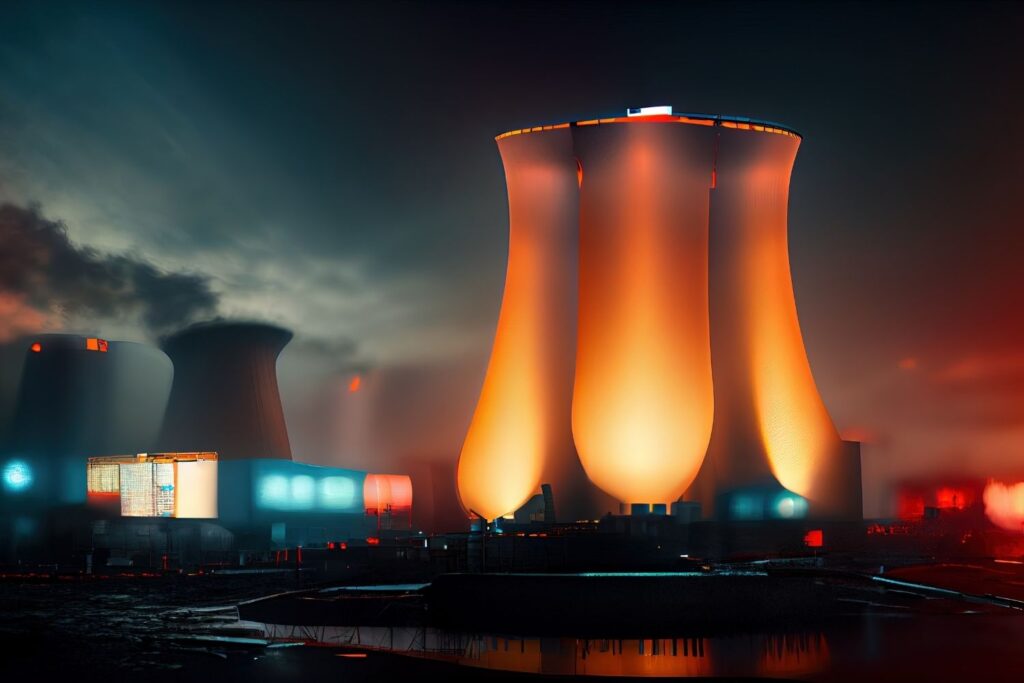
Fusion offers carbon free energy without long lived waste. That promise fuels hope amid climate urgency. Expectations may exceed realistic timelines.
Policy makers risk delaying existing solutions while waiting for fusion. Scientists warn against treating it as a near term fix. Balancing optimism with realism remains critical as climate deadlines tighten worldwide.
8. Materials face unprecedented stress inside reactors.

Fusion environments bombard reactor walls with high energy particles. Metals degrade, crack, and become radioactive. Durability limits operational lifespan.
Developing materials that survive years of exposure remains a major hurdle. Replacement cycles could be costly and frequent. Without breakthroughs in material science, fusion reactors may struggle to achieve economic viability.
9. Safety oversight must evolve alongside technology.
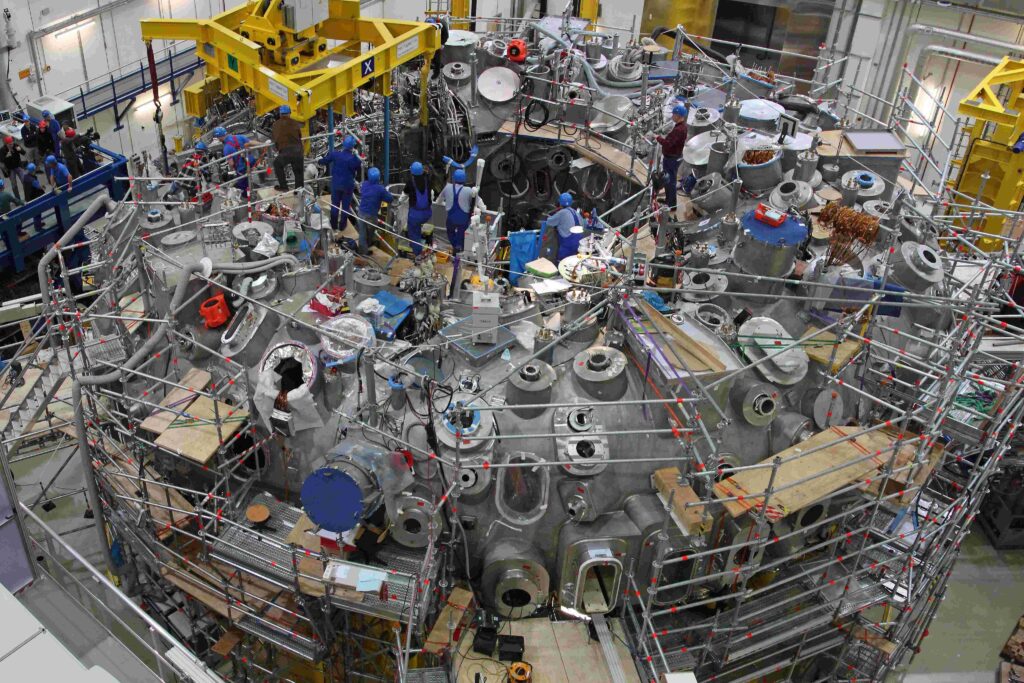
Fusion lacks the regulatory framework of fission. New risks demand new standards. Oversight development often lags innovation.
Agencies must address radiation exposure, waste handling, and accident scenarios unique to fusion. Public trust depends on transparency. Building regulation alongside reactors adds complexity that could slow deployment.
10. The discovery changes expectations, not timelines.

The recent breakthrough reshaped belief more than reality. Fusion is no longer theoretical, but not yet practical. That distinction matters.
Scientists emphasize that discovery does not equal deployment. Engineering, economics, and governance remain unresolved. Unlimited energy moved closer, but uncertainty still defines when, where, and how it reshapes civilization.