
A silent giant reveals a buried mystery.
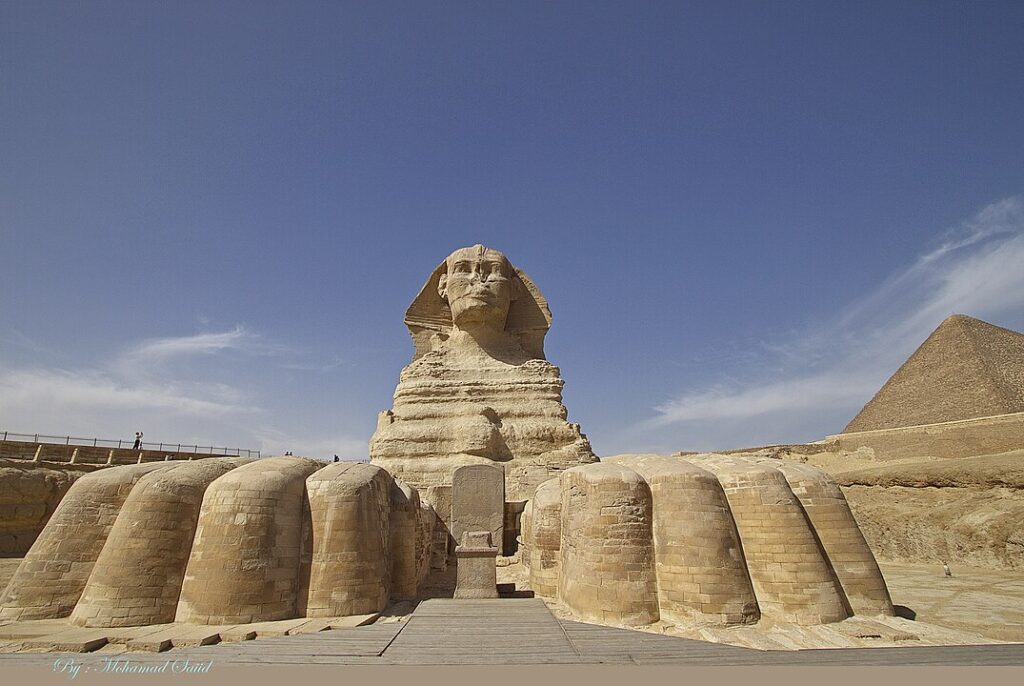
For generations, researchers treated the Great Sphinx like a monument that had already surrendered most of its secrets. Then new noninvasive scans swept beneath its paws and showed that the oldest guardian of the Giza Plateau was still holding something back. What began as routine structural imaging quickly turned into a scramble to map a cavity no one had documented in centuries. Even the Egyptian teams seemed stunned by how much the stone colossus had concealed.
1. A structural scan exposed an unexpected cavity beneath the forepaws.

When engineers used advanced muon imaging to assess stress fractures, they detected a rectangular void under the limestone paws. The shape aligned with descriptions of ancient maintenance shafts that vanished from later records, as reported by CNN. The dimensions suggested deliberate construction rather than natural erosion.
The discovery pushed teams to reconsider earlier assumptions about the Sphinx’s internal layout. It hinted that ancient workers created purposeful spaces under the monument.
2. The cavity’s depth matched earlier period construction layers.
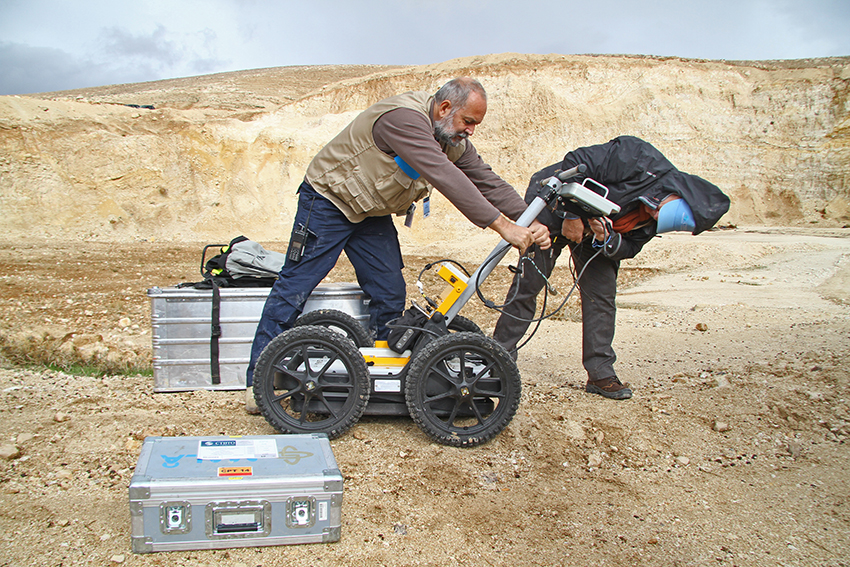
Ground penetrating radar mapped the void extending downward into a level associated with Old Kingdom building phases. The layering matched geological signatures identified in earlier Giza bedrock studies, as stated by National Geographic. This allowed archaeologists to roughly place the cavity within a known historical sequence.
Its depth helped clarify how builders planned the area beneath the paws. The findings pointed toward modifications made during the reign traditionally attributed to Khafre.
3. A narrow passage appeared to connect the chamber to older cuts.
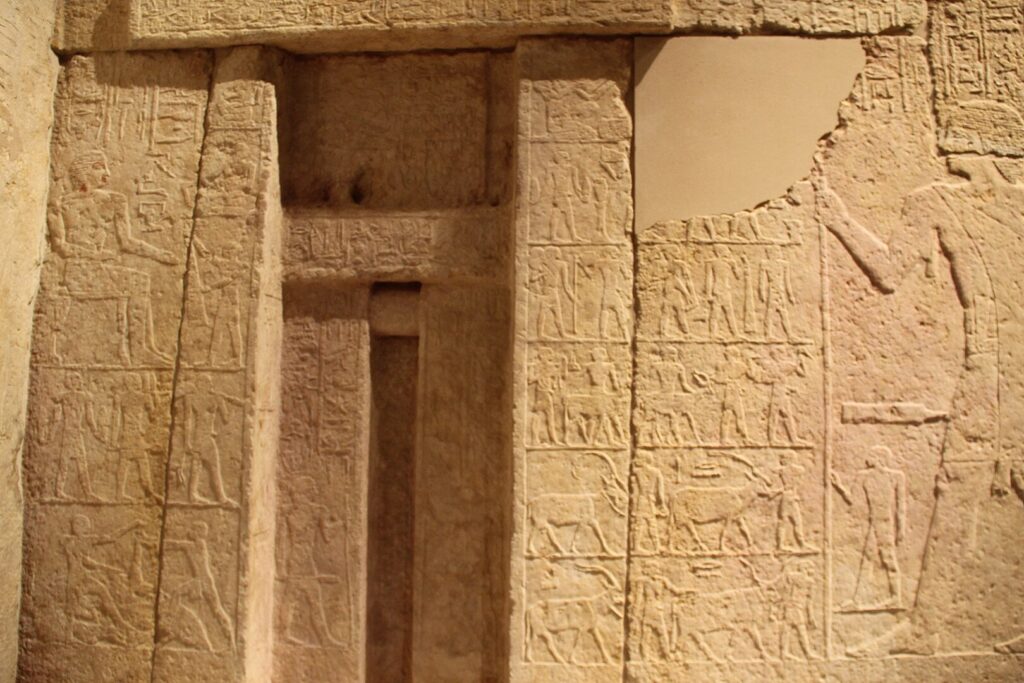
As researchers refined the scans, a faint connecting tunnel emerged linking the void to a deeper fissure in the plateau. The alignment echoed patterns documented in older surveys of subsurface cuts around the Sphinx, as discovered by The Guardian. This raised the possibility that earlier workers accessed the monument from several hidden points.
The connection reshaped theories about how the statue was serviced or inspected. It suggested movement beneath the structure was more common than previously assumed.
4. Tool marks hinted at multiple construction phases long ago.
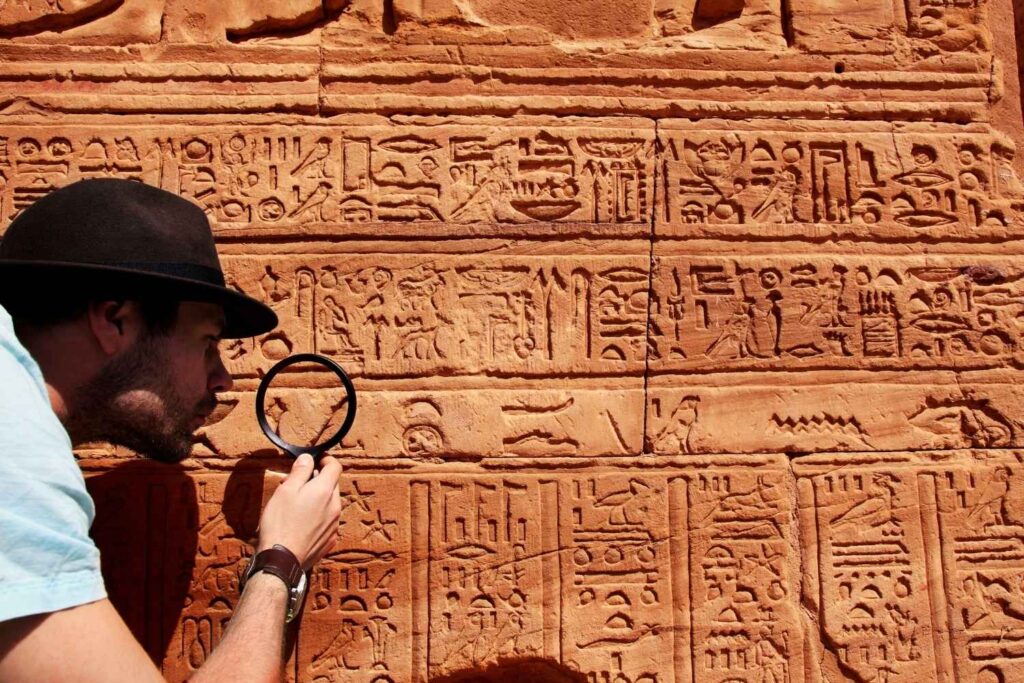
When excavation teams studied exposed edges of the cavity through fiber optic cameras, they found chisel signatures inconsistent with a single workforce. The mix of techniques pointed to repairs or expansions carried out over centuries. This layered craftsmanship matched what is known about the Giza plateau’s constant evolution.
The combination of marks showed that the space beneath the paws was revisited many times. Each phase left faint traces of decisions made in moments of crisis or restoration.
5. The cavity’s airflow pattern revealed an intentional ventilation feature.

Sensors detected a slow but consistent movement of air through the void, indicating a designed pathway rather than accidental openings. The airflow suggested ancient workers created a way to regulate humidity inside the chamber. Ventilation is rare for small shafts but not unheard of in Old Kingdom engineering.
This detail helped contextualize why the chamber remained so well preserved. Stable airflow prevented moisture buildup that would have damaged the limestone.
6. Sediment layers inside the chamber mapped centuries of flooding.
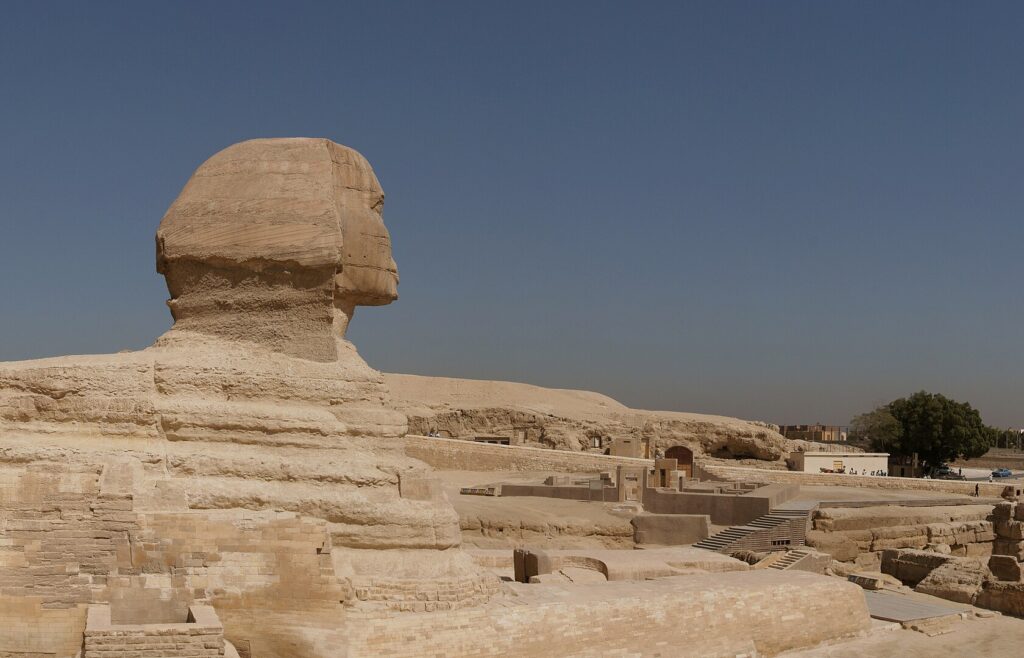
Cameras showed thin horizontal bands of silt left by repeated water intrusion during heavy Nile flood years. These layers aligned with known flood cycles recorded in ancient texts and geological studies. The presence of silt indicated that the cavity had been sealed off before major Middle Kingdom drainage projects.
The sediment created a natural archive of climate challenges at ancient Giza. Each band reflected how rising water once threatened the monument.
7. Carved niches suggested ritual or symbolic placement of objects.

The inner walls displayed shallow rectangular pockets that resembled storage niches used in other ritual contexts. Their uniformity implied intentional design rather than random weathering. Although no objects remained, the pattern suggested offerings or tools were once stored there.
This detail nudged researchers to rethink how workers spiritually approached restoration. The niches provided a quiet hint that the space held meaning beyond engineering.
8. The chamber’s geometry matched proportions used in nearby temples.
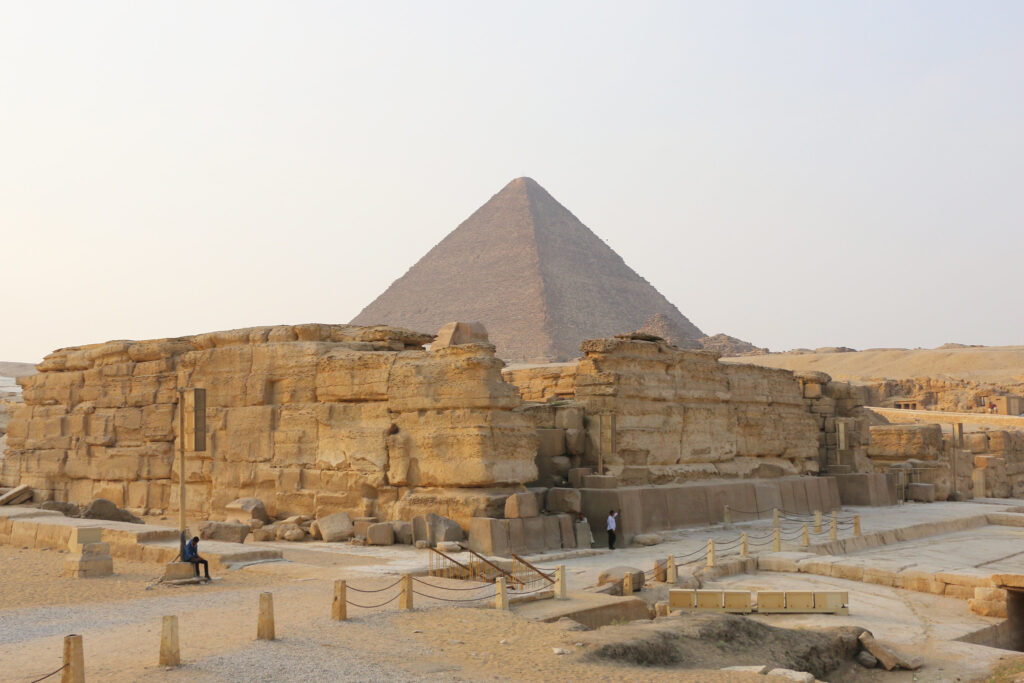
Measurements showed that the cavity followed ratios found in the Valley Temple adjacent to the Sphinx. The mathematical similarity implied shared architects or a unified design philosophy across the plateau. This connection strengthened arguments that the paws and substructure belonged to a cohesive plan.
The aligned geometry encouraged researchers to integrate the chamber into broader reconstruction models. It clarified that the cavity was never an improvised extension.
9. Micro fractures revealed ancient seismic activity previously undocumented.
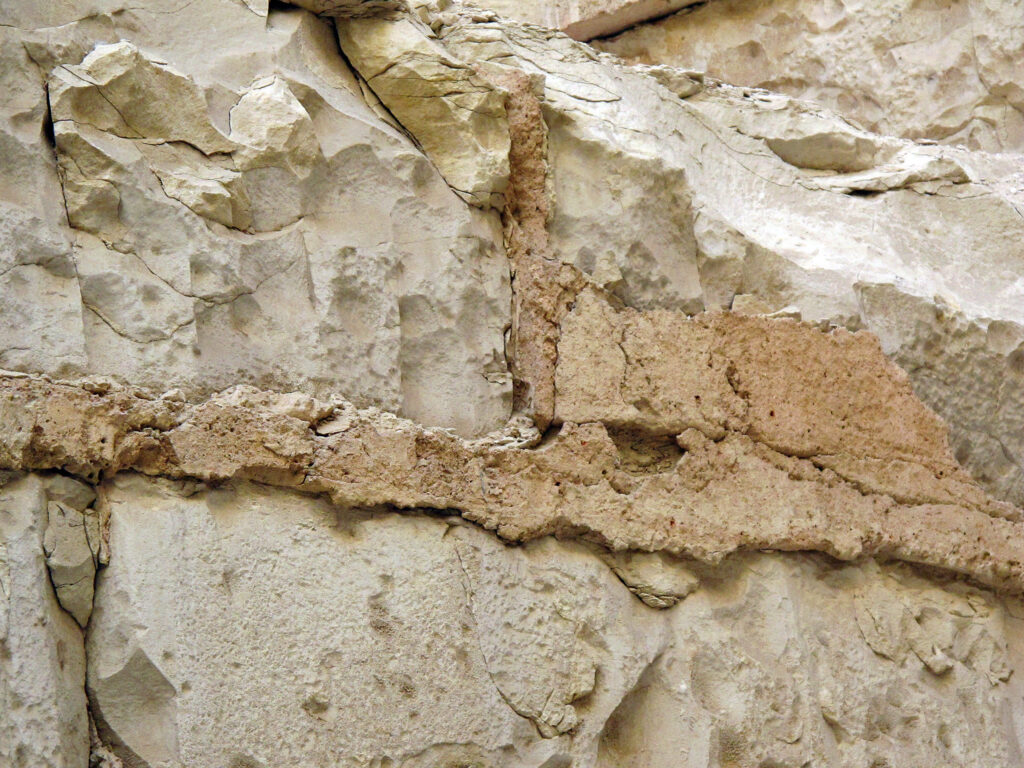
High resolution imaging picked up stress lines running diagonally through the bedrock surrounding the cavity. These fractures differed from erosion patterns and matched those produced by moderate seismic events. Their angles pointed to tremors that occurred before significant restoration efforts of the New Kingdom era.
These stress markers added a geological layer to the Sphinx’s biography. They helped explain why certain sections suffered accelerated decay in later centuries.
10. The combined evidence reshaped theories about the Sphinx’s purpose.

As details accumulated, archaeologists realized the cavity represented more than a maintenance chamber. It appeared to be part of an integrated substructure designed for both stability and symbolic protection of the monument. This blended function reflected how ancient builders intertwined engineering with religious meaning.
The rediscovery reframed the Sphinx as a monument still capable of surprising modern science. Even after thousands of years, it continues to reveal hints of decisions made by hands long vanished into the desert wind.