
The past suddenly feels uncomfortably relevant.
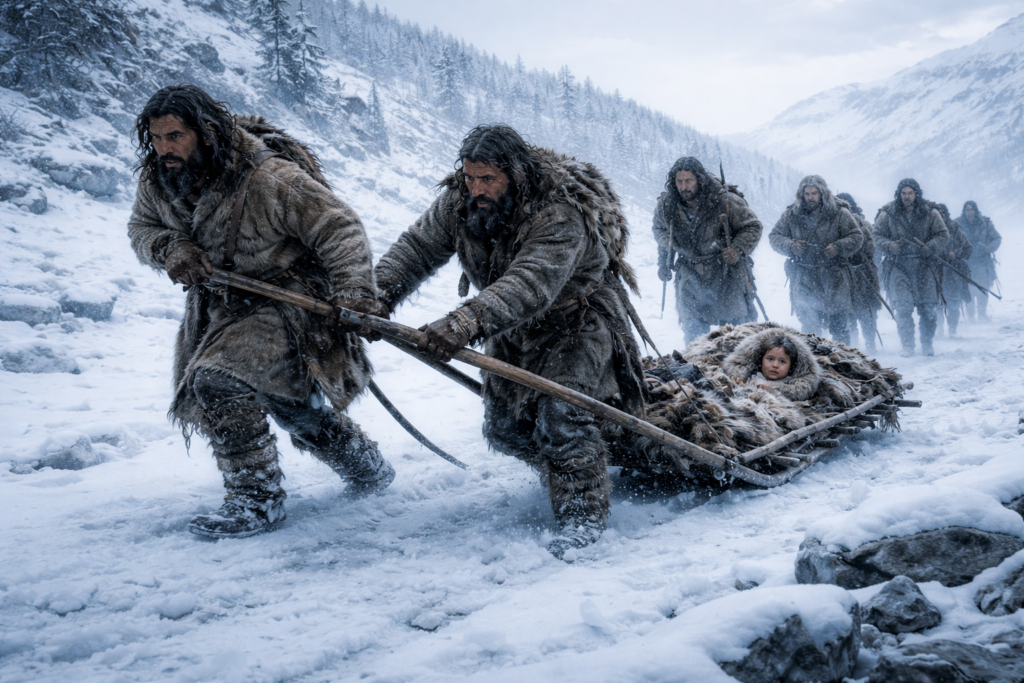
For Gen Z, ancient history no longer feels safely distant. Climate disruption is not a future scenario but a lived condition, shaping school closures, housing decisions, and mental health. That reality changes how the past is read. Younger researchers and readers are turning to ancient civilizations with sharper questions about drought, flooding, resource strain, and survival under pressure. Archaeology, climate science, and social history are being braided together. What emerges is not nostalgia, but urgency. Ancient societies begin to look less like curiosities and more like case studies.
1. Climate collapse feels less theoretical to Gen Z.

Gen Z grew up watching climate events move from headlines into daily life. Wildfires, heat waves, and floods became routine before adulthood. That proximity reshapes how ancient collapses are understood. Droughts that once sounded abstract now feel recognizable.
According to reporting by National Geographic, younger scholars increasingly focus on how climate stress shaped ancient political decisions and social breakdowns. The past becomes experiential rather than symbolic. Gen Z does not see collapse as distant failure. They see it as a process unfolding in real time, making ancient climate responses feel personal, urgent, and worth reexamining carefully.
2. Archaeological data now overlaps with climate science.
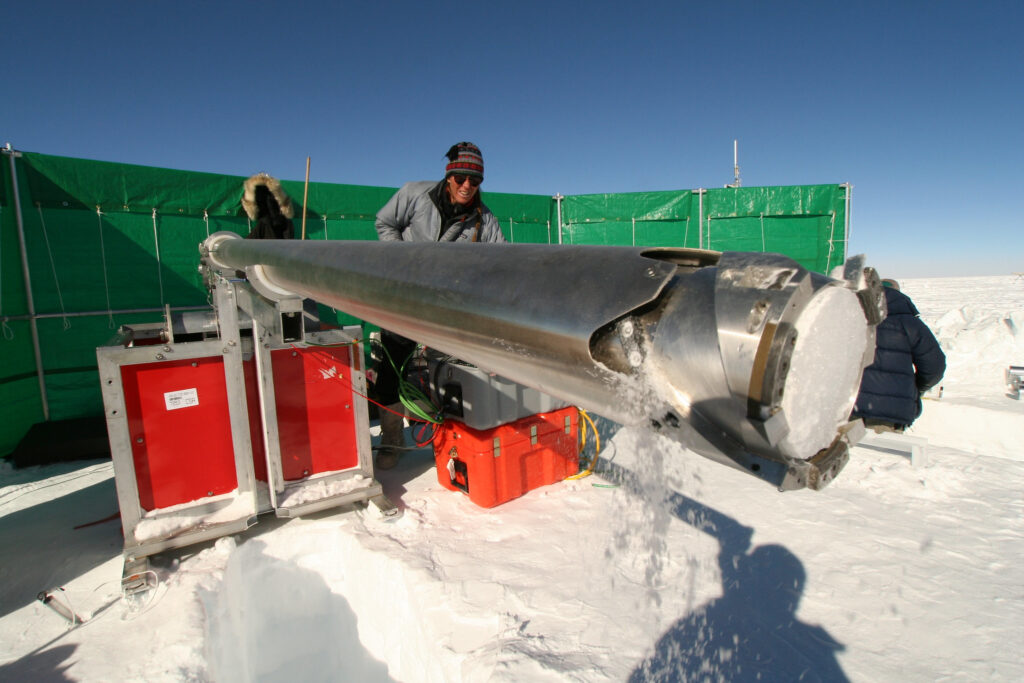
Advances in climate reconstruction have synchronized environmental records with archaeological timelines. Ice cores, sediment layers, and tree rings now align closely with evidence of settlement, migration, and collapse. Gen Z is comfortable working across disciplines that once felt separate.
As stated by the National Oceanic and Atmospheric Administration, paleoclimate data increasingly informs interpretations of human behavior and settlement change. Younger researchers accept this integration naturally. Climate is no longer treated as background scenery. It becomes an active force shaping agriculture, trade, conflict, and belief. This overlap makes ancient history feel measurable, grounded, and relevant.
3. Ancient adaptation strategies feel immediately relevant.

Irrigation canals, terracing, crop rotation, and water storage once seemed like technical footnotes. For Gen Z, they read like survival manuals. These strategies reflect societies adjusting incrementally to stress rather than collapsing overnight.
According to research summarized by Smithsonian Magazine, renewed attention focuses on how ancient communities adapted gradually to environmental pressure. Gen Z gravitates toward resilience rather than downfall. Longevity matters more than conquest. Ancient innovation becomes a lens for evaluating present choices, especially when modern societies face similar resource constraints under accelerating climate change.
4. Collapse narratives are being reexamined critically.

Traditional histories often described ancient civilizations as collapsing suddenly due to mismanagement or moral decline. Gen Z questions those conclusions. Archaeological layers frequently show continuity, migration, and reorganization rather than disappearance.
Climate stress often forced societies to decentralize or relocate. These outcomes are no longer read as failure. Gen Z recognizes transformation as a survival strategy. By rejecting simplistic collapse stories, younger scholars emphasize adaptation, flexibility, and tradeoffs. History becomes less judgmental and more analytical, focusing on how societies responded under pressure rather than why they failed to remain unchanged.
5. Marginal regions gain new analytical importance.

Climate stress often appears first at the edges of civilizations. Deserts, floodplains, highlands, and semi arid zones served as early warning systems. Gen Z deliberately studies these regions instead of focusing only on imperial centers.
Peripheral areas reveal experimentation under constraint. Water management techniques, crop diversification, and settlement mobility often emerged at margins before spreading inward. By shifting attention away from capitals, Gen Z uncovers how climate pressure drives innovation. This reframes history as adaptive and decentralized, highlighting resilience born far from political power.
6. Social inequality becomes central to climate outcomes.

Gen Z pays close attention to who suffered most during ancient climate stress. Archaeological evidence shows that elites often buffered themselves while common populations faced scarcity. Housing quality, skeletal health, and diet markers reveal unequal exposure.
This pattern resonates strongly today. Climate impact is not evenly distributed. Gen Z reads ancient inequality as a warning about fracture under stress. Environmental pressure amplifies existing power imbalances. By centering inequality, Gen Z connects climate outcomes to governance, justice, and social cohesion rather than treating climate as a neutral force.
7. Belief systems are read as climate responses.

Religious rituals, myths, and cosmologies are increasingly interpreted as responses to environmental uncertainty. Drought gods, flood stories, and agricultural ceremonies reflect attempts to impose meaning and control.
Gen Z approaches belief systems with empathy rather than dismissal. Ritual becomes psychological infrastructure. These systems helped societies cope with unpredictability when technology was limited. Reading belief as adaptation humanizes ancient responses. It reframes religion as a tool for stability and collective resilience rather than superstition divorced from material reality.
8. Migration is reframed as adaptation not collapse.
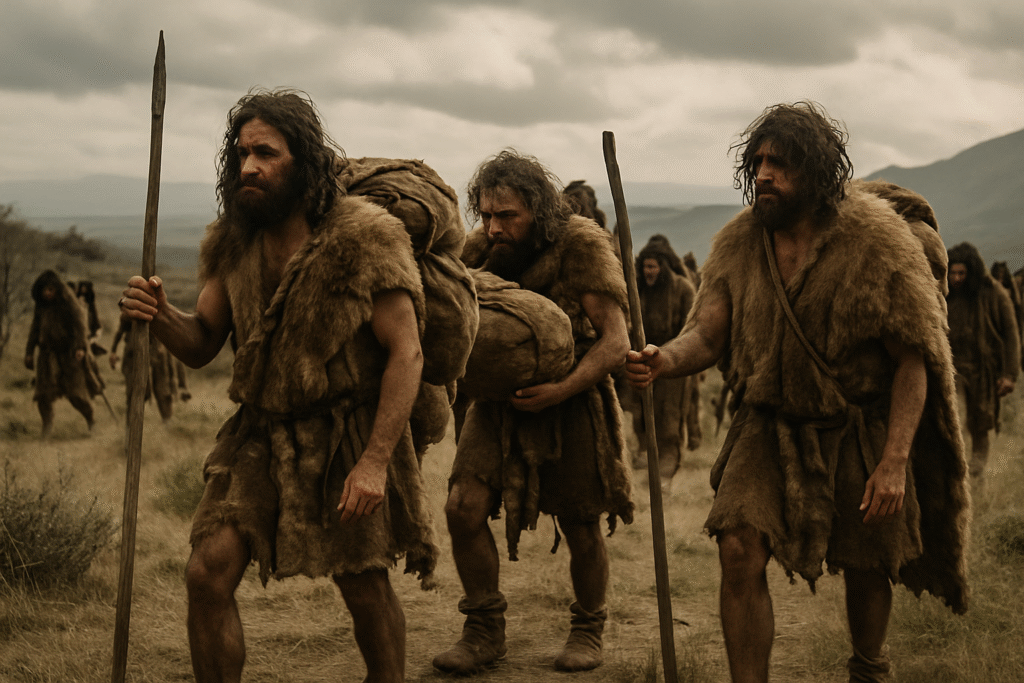
Ancient migrations were long framed as invasions or societal failure. Through a climate lens, Gen Z sees movement as strategy. Evidence shows gradual relocation in response to shifting rainfall or temperature.
This perspective aligns with modern climate migration debates. Leaving becomes survival rather than defeat. Gen Z recognizes that permanence is not always strength. Ancient mobility reveals flexibility and foresight. Migration becomes a sign of agency, showing how societies responded proactively when environments changed beyond sustainable limits.
9. Long timelines challenge short term thinking.

Ancient societies planned across generations. Irrigation systems took decades. Soil depletion unfolded slowly. Gen Z finds this perspective clarifying amid modern urgency.
Climate responses today often prioritize immediate political cycles. Ancient timelines expose the cost of delayed action and short sighted planning. By studying slow feedback loops, Gen Z critiques reactive governance. History becomes evidence that environmental decisions compound quietly. Long timelines encourage patience, foresight, and responsibility across generations rather than quick fixes.
10. The past becomes a guide rather than a warning.

Earlier generations treated ancient collapse as moral lesson. Gen Z treats it as data. What mattered was not blame but response. Which strategies sustained communities, and which accelerated decline.
This reframing changes tone. Ancient civilizations become case studies rather than ruins. Gen Z does not romanticize the past. They analyze it. The climate lens transforms history into a living archive of human adaptation. The story feels unfinished because it is. Ancient choices echo forward, offering insight rather than judgment.