
The receipt arrives, and the tension hangs there.

The awkward moment comes after the meal, the haircut, the ride, the coffee. Screens swivel. Percentages glow. Gen Z pauses longer than anyone else. Older generations call it stingy. Servers call it alarming. Gen Z calls it broken math. Tipping once felt social and simple. Now it feels moral, political, and personal. Beneath the accusations sits something deeper, a generation asking why wages, guilt, and responsibility keep landing on customers instead of employers.
1. Rising prices quietly changed tipping math everywhere.

Menu prices surged after 2020 across cities like Los Angeles, Chicago, and Atlanta. When entrees climb sharply, tip percentages inflate without effort changing. Dinner totals feel heavier than expected, according to Bureau of Labor Statistics data on post pandemic food inflation trends nationwide.
Gen Z reacts to compounding costs. Percentage based tipping feels disconnected from service quality. What looks like cheap behavior often reflects budget shock. When inflation erodes discretionary income, generosity becomes harder to sustain, especially for younger workers earning less than older generations did at comparable ages historically.
2. Digital tip screens reframed tipping as constant pressure.
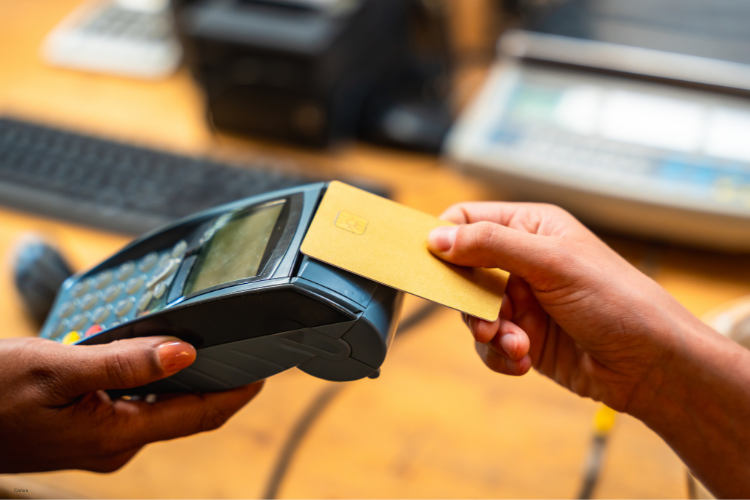
Touchscreens request tips at bakeries, counters, kiosks, and merch tables. The interaction feels automated and unavoidable. Younger consumers report frustration with this expansion, according to Pew Research Center findings on tipping fatigue and consumer attitudes.
Gen Z reads interfaces as social signals. When every transaction asks for more money, trust erodes quickly. Tipping shifts from appreciation to obligation. Resistance grows from exhaustion, not indifference, as constant prompts turn generosity into a forced response rather than a voluntary gesture.
3. Wage transparency shifted moral responsibility perceptions.

Pay transparency exploded online through social platforms and forums. Hourly rates and employer practices are discussed openly. Younger workers increasingly believe wages should be guaranteed by employers, as reported by Gallup in workforce compensation surveys.
Once wages are visible, tipping feels like a temporary patch. Customers see themselves covering payroll gaps. Withholding tips becomes a form of protest rather than cruelty. The decision communicates dissatisfaction with a system that relies on customers to stabilize worker income instead of businesses.
4. Gig work blurred service boundaries and expectations.

Many Gen Z workers have driven, delivered, or shopped through apps. They understand algorithmic pay and hidden fees firsthand. Tipping feels baked into unstable compensation rather than a bonus.
That experience reshapes empathy. Some tip generously, others pull back, but few treat tipping as sacred. It becomes situational and strategic, reflecting frustration with platforms that obscure how tips are distributed and who truly benefits from added customer spending.
5. Economic anxiety narrowed generosity margins early.

Student loans, rent hikes, and medical costs dominate Gen Z budgets. Even casual outings carry financial weight. Every dollar spent is tracked carefully, making tipping a conscious calculation rather than reflex.
Earlier generations tipped from surplus. Gen Z often tips from scarcity. That reality tempers generosity without erasing concern for workers. Many care deeply, but repeated tipping can mean sacrificing essentials like groceries, fuel, or emergency savings within the same week.
6. Service expectations evolved alongside consumer behavior.
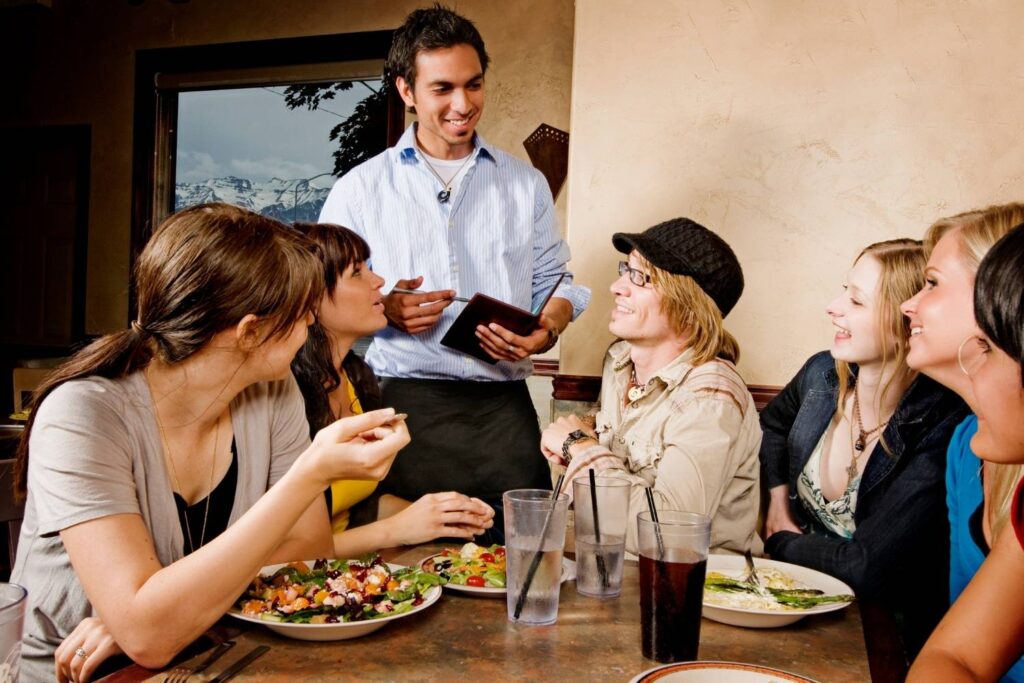
Gen Z prioritizes efficiency and speed. Minimal interaction often feels preferable. When service feels transactional, tipping feels optional. Emotional exchanges that once fueled tipping have thinned in app based and fast casual environments.
This shift reflects design choices, not disrespect. When systems reduce human interaction, social pressure weakens. Tipping becomes reserved for exceptional effort rather than baseline service, quietly lowering averages across restaurants, cafes, and delivery experiences.
7. Moral fatigue followed years of overlapping crises.

Pandemics, layoffs, climate stress, and political instability drained emotional reserves. Constant financial appeals wear people down. Tipping joins donations, surcharges, and subscriptions competing for limited funds and attention.
Gen Z feels this saturation intensely. Saying no becomes self preservation. Declining large tips is boundary setting rather than cruelty. Emotional capacity for constant generosity simply does not exist at earlier levels anymore.
8. Cultural narratives questioned tipping fairness openly.

Online discussions frame tipping as inequitable. Lower income customers pay proportionally more. Workers face unpredictable pay. Businesses avoid accountability. These critiques circulate widely in Gen Z spaces.
When traditions are debated publicly, compliance weakens. Tipping loses moral certainty. Gen Z resists maintaining customs viewed as unfair, especially when alternatives like service included pricing appear more transparent and evenly distributed.
9. Regional norms fractured after remote living spread.

Remote work scattered Gen Z across regions with different customs. Moving between cities exposes inconsistent expectations quickly. A shared national tipping standard dissolved.
This inconsistency breeds hesitation. When norms vary, people tip conservatively to avoid mistakes. Under tipping often reflects uncertainty rather than intent, as younger consumers navigate unfamiliar social rules across states and service environments.
10. Peer validation normalized tipping skepticism rapidly.

Group chats and social feeds openly debate tipping amounts. Receipts are shared. Opinions harden collectively. When peers frame lower tipping as reasonable, behavior spreads.
Social proof accelerates change. Practices once considered taboo feel acceptable when validated publicly. This visibility reshapes norms faster than private habits ever could, weakening long standing expectations around automatic generosity.
11. Tipping now symbolizes systemic frustration more than manners.

For Gen Z, tipping represents broken wage systems and rising costs. Withholding tips communicates dissatisfaction, not disrespect. The act carries political and economic meaning.
Criticism aimed at Gen Z misses the signal. Their behavior reflects pressure on outdated compensation models. Until wages shift and transparency improves, tipping will remain contested territory rather than a simple social courtesy.