
Breeds with inherited heart risks you should know.

The connection between dog DNA and catastrophic heart events is more real than many pet lovers realize, and it plays out across a startling range of popular breeds. Vets and geneticists have observed patterns in how certain hearts fail, and the evidence suggests not all breeds are equally built for cardiac resilience. These risks are rooted in inherited conditions that can lead to arrhythmias, heart muscle weakening, or valve failure. This list profiles breeds with documented genetic predispositions to serious heart disease.
1. Cavalier King Charles Spaniel is predisposed to valve failure.

Few breeds illustrate inherited heart risk like the Cavalier King Charles Spaniel, where mitral valve degeneration is nearly universal and often emerges early in life. This condition weakens the valve that separates the heart’s left chambers, allowing blood to leak backward and stressing the heart. Over time, the heart can enlarge and struggle to pump effectively, sometimes leading to fatal complications. Veterinarians stress regular cardiac monitoring for this breed because of how common and progressive the disease can be.
Genetic factors contribute heavily, making this heart issue far more prevalent in Cavaliers than in most other breeds.
2. Doberman Pinscher faces high rates of inherited DCM.

Doberman Pinschers stand out because of the frequency and severity of dilated cardiomyopathy in the breed, a condition where the heart muscle weakens and enlarges. This disrupts effective blood pumping and sets the stage for dangerous arrhythmias and sudden cardiac death. Some studies show that a significant percentage of affected Dobermans suffer sudden collapse with little warning.
Genetic predisposition plays a defining role, and veterinary cardiologists often recommend early and regular screening for Dobermans to detect changes before symptoms appear.
3. Boxer dogs carry genetic risk for rapid arrhythmias.

In Boxer dogs, a specific inherited condition known as arrhythmogenic right ventricular cardiomyopathy can lead to erratic heart rhythms and unexpected collapse. This form of heart disease changes the heart’s electrical conduction, making the ventricles prone to dangerous tachyarrhythmias. Affected dogs can appear healthy before sudden episodes occur.
Because this condition is rooted in breed genetics, cardiology specialists emphasize vigilant screening in Boxers, even in asymptomatic dogs.
4. Great Dane hearts are vulnerable to dilation disorders.

Great Danes and other giant breeds are disproportionately affected by dilated cardiomyopathy, a genetic weakening of the heart muscle that leaves the heart flabby and inefficient. In these giant dogs, the condition can progress rapidly, with symptoms like exercise intolerance and fainting signaling advanced disease.
Breeders and veterinarians track family histories because genetic risk is part of what makes this so common in Great Danes. Owners are often advised to watch for subtle changes long before overt heart failure.
5. Irish Wolfhound shows high cardiac mortality risk.
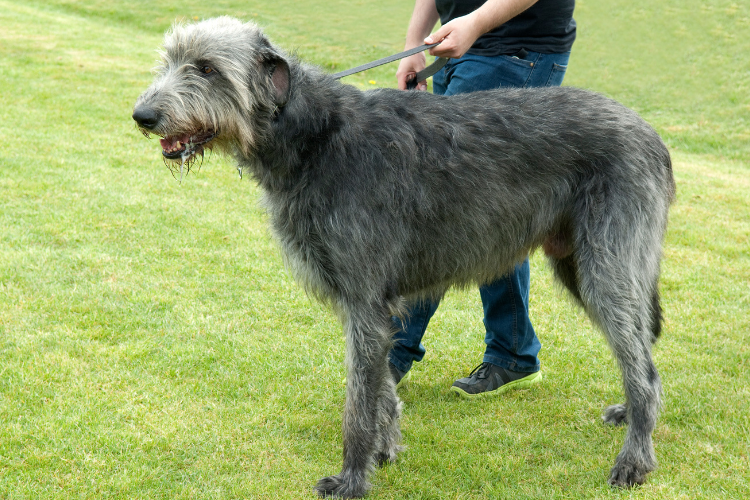
Irish Wolfhounds are among the breeds with elevated heart disease mortality, with dilated cardiomyopathy frequently implicated. These large sighthounds often develop weakened heart muscle in middle age, and the condition can sometimes advance quickly to fatal heart failure or dangerous arrhythmias that show little forewarning.
Because the risk is tied to inherited cardiac weakness, researchers and vets stress early evaluation in this breed’s routine health care.
6. Newfoundland dogs are prone to inherited cardiomyopathy risk.

Newfoundlands, another giant breed, carry a heightened risk of dilated cardiomyopathy, likely rooted in inherited genetic factors. In this condition, the heart’s chambers expand and the muscle thins, reducing pumping capacity. Early signs can be subtle, such as decreased stamina or mild cough, before more serious symptoms appear.
Because these risks are genetically driven, veterinarians include cardiac checks as part of routine preventive care for Newfoundland dogs.
7. German Shepherds have congenital heart vulnerability.

German Shepherds are among breeds where congenital heart defects, including subaortic stenosis and other inherited issues, can compromise cardiac function from a young age. These structural abnormalities can restrict blood flow or create strain that triggers heart failure or arrhythmias.
While not every German Shepherd will be affected, genetic predisposition places this breed in the higher-risk category compared with many others, prompting careful early-life screening.
8. Standard Poodles carry inherited dilated cardiomyopathy risk.

Standard Poodles are often perceived as low risk for serious genetic disease, yet research has identified inherited dilated cardiomyopathy in certain lines. The condition weakens the heart muscle, allowing chambers to enlarge and reducing the heart’s ability to circulate blood efficiently. Symptoms may remain subtle for long periods, increasing the danger of sudden progression.
Veterinary cardiologists note that genetic transmission plays a role in affected families. Because early signs can be easy to miss, screening is often recommended even when outward health appears excellent.
9. Cocker Spaniels show genetic links to muscle weakening.

Cocker Spaniels and some other spaniel breeds may be born with or develop inherited dilated cardiomyopathy that weakens the heart muscle and strains cardiac function. The disease’s progression varies, with some dogs showing limited signs until later stages.
Their genetic makeup places them at noticeably higher risk for this weakening heart condition compared with many unrelated small breeds, prompting vets to recommend periodic cardiac exams.
10. Rottweilers face elevated risk of sudden cardiac death.

Rottweilers have been linked to inherited heart conditions including dilated cardiomyopathy and malignant arrhythmias that can trigger sudden collapse. In some cases, dogs show minimal warning before fatal events, making early detection difficult. Exercise intolerance or fainting may be the only clues.
Researchers believe genetics contribute significantly to this risk, especially in working lines. Ongoing cardiac monitoring is often advised due to the breed’s documented susceptibility to severe heart rhythm disturbances.