
Low sounds carry secrets across dark savannas.
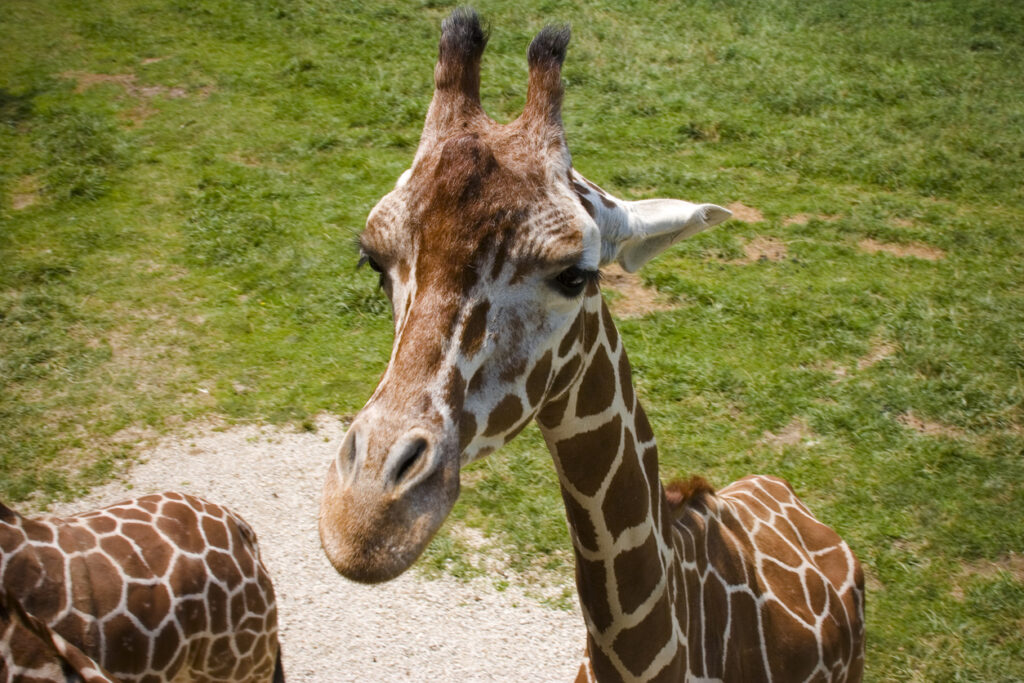
After sunset on the African savanna, giraffes grow quieter yet far from silent. For decades, researchers assumed these animals relied mostly on vision and body language. Nighttime studies in Kenya and Namibia now show something subtler unfolding in darkness, a layered system of low sounds, vibrations, and posture that keeps herds connected while avoiding predators and human notice worldwide today.
1. Giraffes use sounds below human hearing.
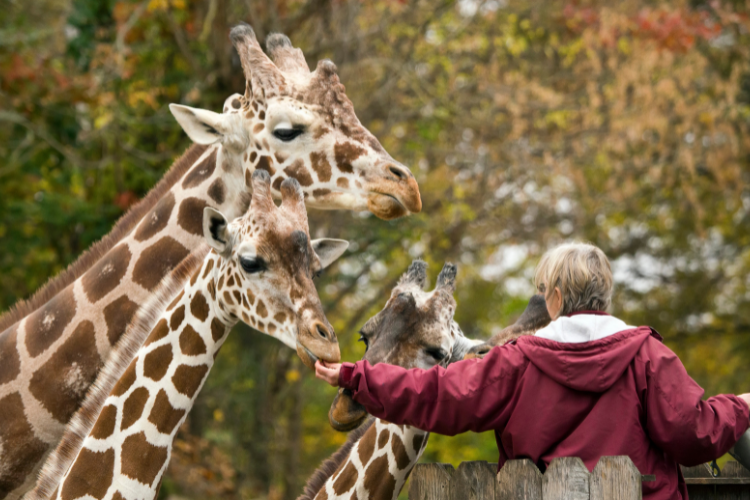
Field microphones placed near watering holes picked up humming below human hearing, especially after dusk. These frequencies travel farther at night when air cools, letting giraffes signal presence without revealing location to lions or hyenas nearby across open plains.
Analysis later confirmed the range overlapped known infrasonic bands used by elephants, as reported by the University of Vienna bioacoustics team studying giraffes in Namibia during 2015 and 2016 seasons across arid reserves after sunset hours nightly quietly consistently.
2. Ground vibrations carry messages through the herd.

Sensitive accelerometers on tree trunks detected faint ground vibrations when giraffes shifted weight or stepped in unison. These cues move through soil faster than sound, warning distant herd members without breaking the nighttime quiet during calm dry savanna nights regularly.
Researchers linked the patterns to coordinated movement near predators and water sources, concluding vibration mattered more than voice, according to a 2020 study by the University of California Davis wildlife biomechanics lab focused on giraffe herds in Kenya specifically overnight.
3. Neck positions act as visual signals.

Under moonlight, giraffes hold necks at precise angles that others can see as silhouettes. A raised or lowered posture signals calm, alertness, or tension, replacing audible calls when darkness favors discretion across open plains during shared resting periods nightly together.
Motion analysis of infrared footage showed consistent meanings across multiple herds in Tanzania, suggesting learned signals passed socially, as discovered by researchers from the Max Planck Institute for Animal Behavior during long term nocturnal observations published recently worldwide recognition.
4. Herd spacing stays coordinated without sound.
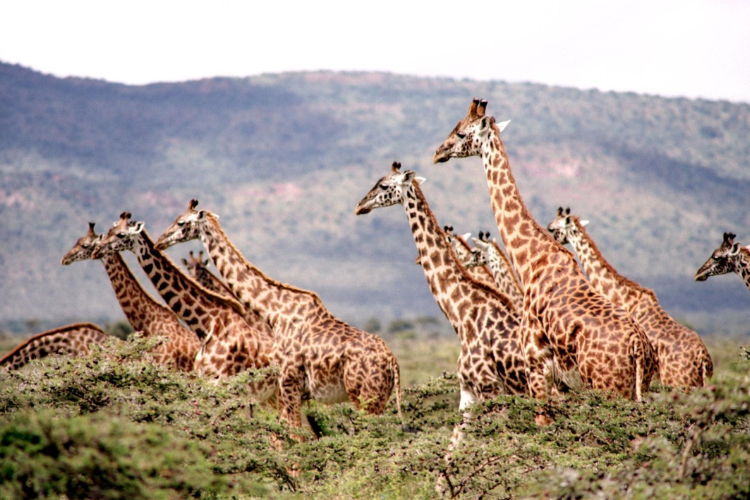
Giraffes spread out at night to reduce detection, sometimes hundreds of meters apart. Low signals and posture changes help maintain spacing, preventing collisions or separation while foraging under limited visibility across savannas with uneven terrain and scattered trees nearby.
This coordination becomes critical during dry seasons when food patches are sparse. Individuals adjust distance subtly, keeping visual contact without clustering, a balance refined over generations living alongside nocturnal predators such as lions leopards and hyenas across East Africa.
5. Mothers guide calves using quiet cues.
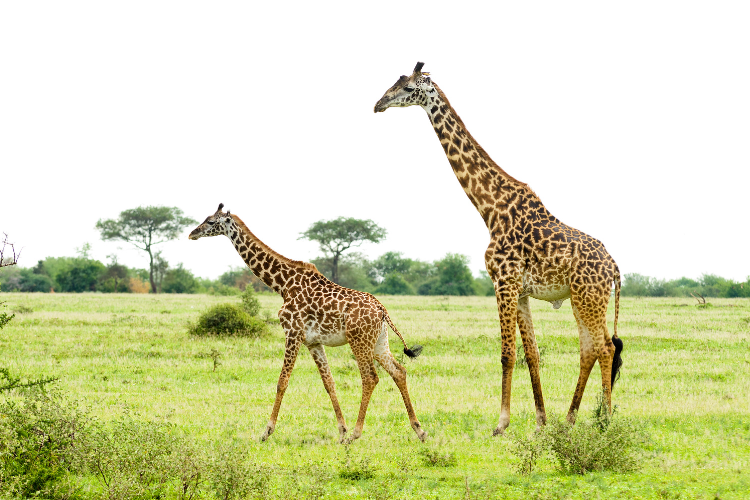
Mother giraffes communicate with calves using extremely soft vocalizations after sunset. These sounds stay close, guiding calves during nursing or movement without attracting attention from nearby hunters lurking in grasslands where visibility drops sharply at night hours regularly together.
Calves respond with brief hums or body shifts, confirming location. The exchange strengthens bonds while teaching young giraffes how to survive silence, an essential lesson before independence arrives months later after weaning within loosely guarded herds at night time.
6. Low signals travel farther after dark.
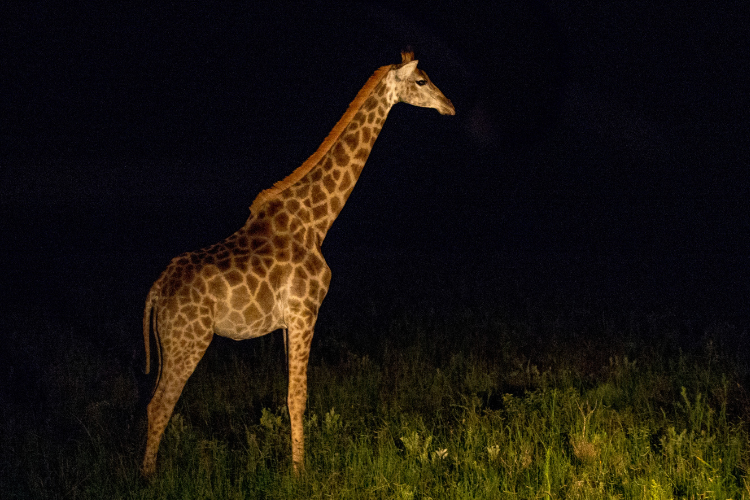
Low frequency sounds carry farther after dark due to temperature layers near the ground. Giraffes exploit this physics, sending messages across kilometers without raising volume which reduces energy use and avoids alerting predators nearby during long savanna nights routinely.
Such reach allows loosely connected groups to synchronize movement toward water or safer terrain. It explains how herds appear coordinated by morning despite resting far apart overnight across reserves in Kenya Tanzania and southern Africa regularly each dry season.
7. Stress triggers brief warning sounds.

When startled, giraffes release brief low sounds paired with stiffened posture. These signals ripple outward, warning others without escalating panic or drawing attention to themselves in darkness where confusion can be deadly for large prey species at night hours.
Field observers in Botswana noted increased frequency during predator encounters. The pattern helps herds regroup quietly, preserving calm while maintaining collective awareness until danger passes and normal spacing resumes across familiar feeding grounds before dawn light returns gradually again.
8. Calves learn survival through subtle communication.
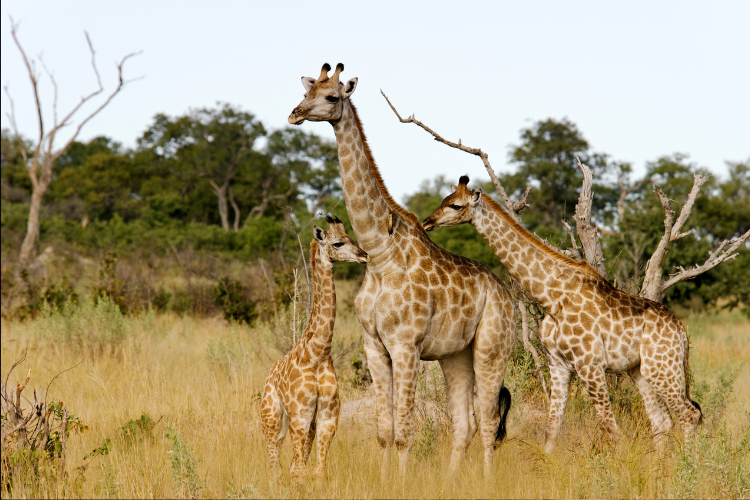
Young giraffes rely heavily on subtle cues to avoid predators. They track mothers through vibrations, posture, and soft sounds rather than loud calls especially during first months when coordination skills remain undeveloped and risk stays high at night time.
This quiet learning period shapes survival. Calves that master nighttime communication show higher survival rates during droughts and predator surges later in life according to long term monitoring by conservation teams across Africa spanning decades of observation data collected.
9. Daytime research hid nighttime communication.

Most early studies occurred during daylight, relying on visual observation. Equipment once lacked sensitivity to detect low frequencies or ground vibrations in open landscapes where background noise masked subtle signals for large mammals like giraffes at night time historically.
Only with modern sensors and nighttime fieldwork did patterns emerge. What seemed like silence was structured communication, hidden in plain sight for generations until technology and patience finally aligned under African stars across multiple regions studied closely at night.