
These nations risk near-total collapse without internet access.

When global internet connectivity goes dark, national infrastructures will be pushed to breaking point. Communication systems freeze, banking grinds to a halt, emergency services lose coordination, and countries with fragile digital ecosystems or high network dependence may crumble first. Using recent research on internet shutdowns and economic vulnerability, here are ten nations experts say could collapse most quickly under a worldwide internet blackout.
1. Pakistan would suffer severe economic collapse almost immediately.
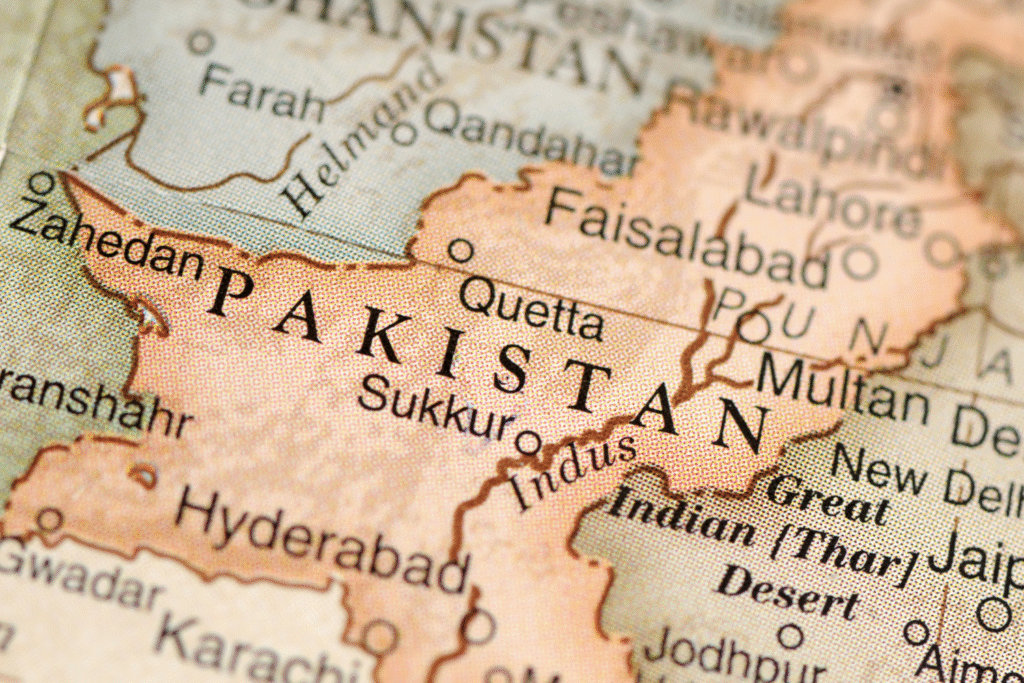
Pakistan’s economy and governance rely heavily on internet-enabled services, from mobile payments to government portals. It lost roughly US $1.62 billion in 2024 due to connectivity disruptions, as stated by Top10VPN’s NetLoss report. With limited backup infrastructure and frequent nationwide shutdowns, the country lacks the resilience to survive a prolonged global blackout. Financial transactions, communication networks and commerce would halt simultaneously, triggering a chain reaction that spreads through every sector. In a nation where much of daily life depends on digital access, an extended outage could push millions into economic paralysis within days.
2. Nigeria would face rapid systemic breakdown without connectivity.

In Nigeria, digital banking, mobile money and e-commerce drive daily life and business. ChatGPT said:
According to the Internet Society’s report Internet Shutdowns: An Internet Society Public Policy Briefing, such disruptions impose severe financial losses on national economies. Without global internet, business, financial systems and communication would collapse practically overnight. Urban centres like Lagos and Abuja would lose coordination for transport, trade and public safety. With millions depending on mobile networks, getting cut off would remove the safety net entirely and leave society exposed without warning.
3. Ethiopia lacks redundant infrastructure and would collapse fast.

Ethiopia is especially vulnerable because its internet infrastructure is limited and domestically concentrated. The Internet Society Policy Brief notes that when connectivity is artificially disrupted, societies lose access to essential services, emergency coordination and economic activity. With most citizens depending on a few backbones and few alternatives, a global blackout would render governmental, banking and health systems ineffective. The effect would not be confined to urban areas—rural zones would lose all connectivity, deepening isolation and systemic collapse.
4. Haiti would fall apart without overseas aid and digital finance.
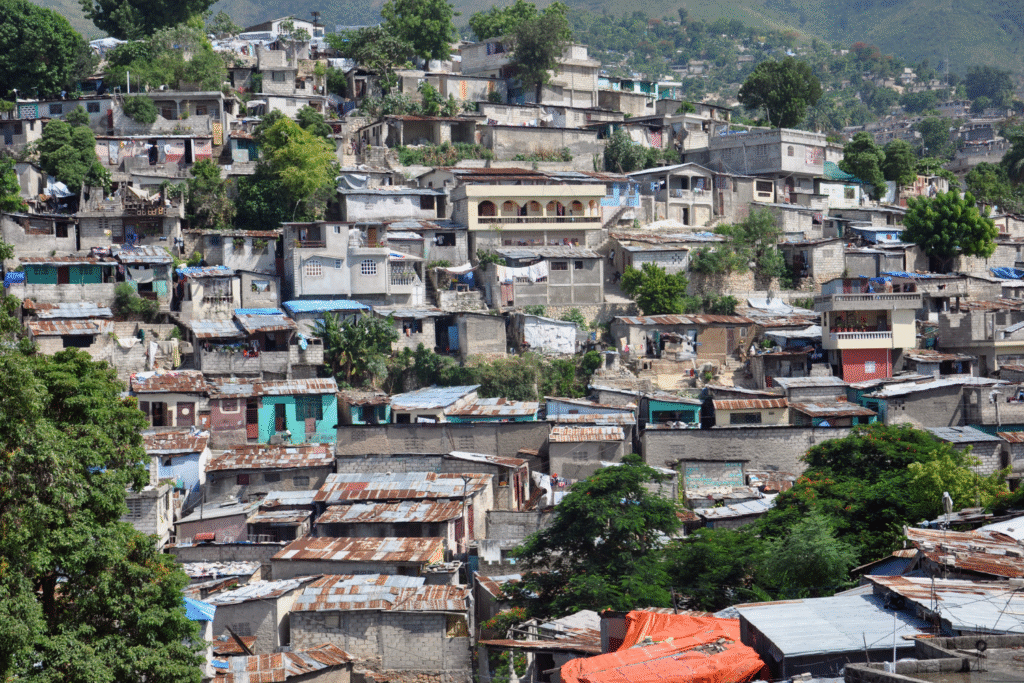
Haiti’s fragile economy uses the internet for international remittances, humanitarian logistics and basic banking. With limited internal infrastructure, a blackout would sever lifelines. Without email, mobile transfers and satellite coordination, aid cannot flow and financial systems shut down. The result: basic services, including healthcare and water supply, stop functioning—and without global connectivity, there is no external backup. The country becomes locked in crisis almost instantly.
5. Myanmar could collapse amid conflict and digital governance failure.

Myanmar’s public services, trade communications and digital administration have grown dependent on connectivity. In years of internal unrest, internet disruptions already demonstrated cost and chaos. A global blackout would freeze government coordination and block communications across regions. When basic governance is web-based and conflict-sensitive, losing connectivity means entire regions could descend into uncontrolled instability and humanitarian breakdown fast.
6. Lebanon would suffer financial and governmental meltdown.

Lebanon’s banking system, trade networks and civil administration rely on mobile internet services and global links. With existing economic stress, a global blackout would stop banking apps, freeze imports, and halt government coordination. The urban grid, without internet operations, would collapse. Public services stop, essential imports cannot be logged and large segments of society lose access to cash and mobile transfers. The startup ecosystem also disappears, leaving economic collapse inevitable.
7. Yemen would collapse into chaos without digital aid coordination.

Yemen’s humanitarian operations depend on satellite internet, mobile communication and digital mapping. Without global internet links, aid agencies can’t connect, governments can’t coordinate and civilian logistics fail. A blackout would cripple what little administrative functionality remains, making conflict zones unreachable and services untrackable. The country would immediately slide further into fragmentation and systemic failure.
8. Sudan would face rapid infrastructural failure if internet vanishes.

Sudan’s recent history includes internet cuts to suppress dissent and block communication. The country lacks robust infrastructure and backup systems. If the internet disappears globally, coordination of supply chains, government services and conflict-response would collapse. Cities lose water, power coordination fails, and rural areas go off-grid. Without alternative networks, the entire system splinters rapidly.
9. Venezuela would experience total governance breakdown under a blackout.

Venezuela’s economy and public service delivery have grown more reliant on digital records and satellite communication. A global internet shutdown would cut off financial processing, social service databases and external communication. Already under strain, the state apparatus would lack redundancy and lose connection with international markets. Collapse would spread from capital to provinces simultaneously.
10. Zimbabwe would be incapable of civil order without internet-based governance.

Zimbabwe’s national services, tax collection, banking, mobile money and government platforms, depend increasingly on digital systems. A global internet loss would freeze those systems, cut off regions from coordination and plunge cities into disorder. With weak infrastructure and few alternatives, the country would quickly move toward societal breakdown.
This list highlights how deeply modern nations depend on global connectivity. In a blackout, countries without redundancy are not just offline, they lose the structures that hold them together.