
How a health scare reshaped dog food decisions.

Grain free dog food rose fast, then fell just as hard. What started as a pushback against cheap ingredients turned into a full blown health scare that left owners anxious and confused. When heart disease cases appeared, blame landed quickly, and grains became the symbol of safety overnight. Veterinarians urged caution, companies shifted formulas, and smaller brands struggled to survive. Years later, the picture looks different. New evidence complicates the original claims and points toward economics, substitutions, and rushed conclusions rather than grains themselves.
1. Grain free diets began as a response to owner distrust.

Large dog food companies faced growing criticism over vague ingredients and low quality fillers. Removing grains offered a fast, visible way to signal change without overhauling manufacturing practices. Grain free labels suggested purity and care, and owners responded emotionally, believing fewer ingredients meant better health.
The move was driven more by perceptionThe shift was driven more by perception than proven need. Grains were removed not because they were shown to be harmful, but because they were easy to target during a trust crisis, according to the American Pet Products Association. than science. Grains were not removed because they were proven harmful, but because they were easy to point to and easy to remove. That decision shaped everything that followed.
2. Replacing grains changed foods more than owners realized.

Once grains were removed, manufacturers needed affordable replacements to hold kibble together and provide calories. Ingredients like peas, lentils, and chickpeas filled that role quickly. They looked healthy on labels and kept costs down at scale.
What was lost was balance. These substitutions altered amino acid ratios, fiber types, and nutrient absorption in ways not widely discussed at the time, according to veterinary nutrition specialists at Tufts University’s Cummings School of Veterinary Medicine.
3. Heart disease reports triggered fear and rapid action.
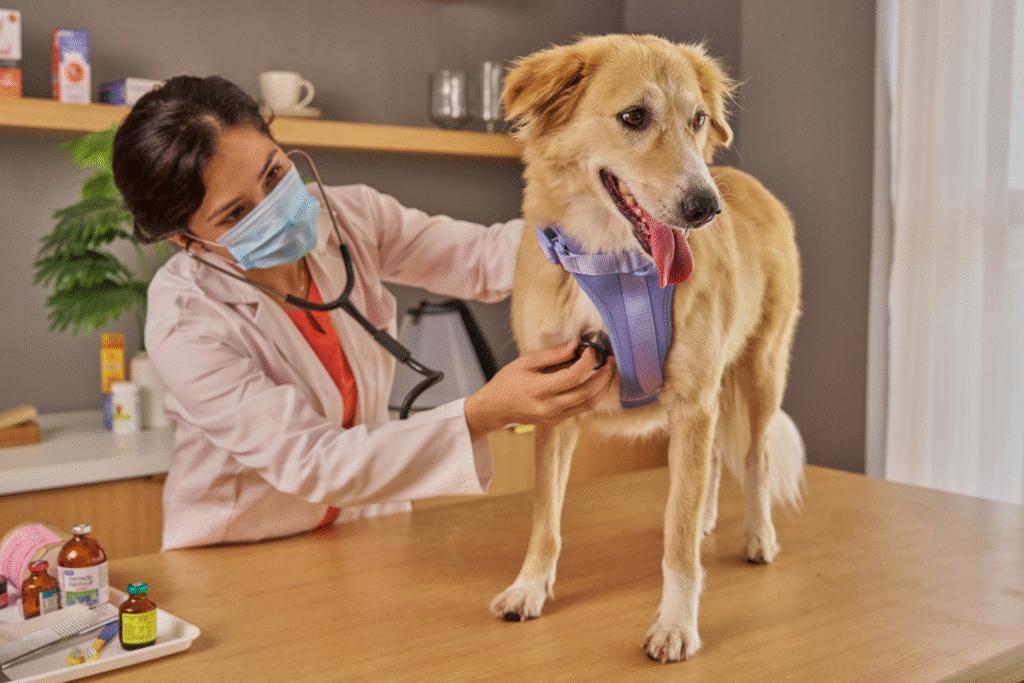
Cases of dilated cardiomyopathy in dogs began circulating through veterinary clinics and online groups. The disease was serious and sometimes fatal, which intensified concern. Many affected dogs were eating grain free diets, so suspicion formed quickly.
An official investigation by the U.S. Food and Drug Administration reviewed these cases and veterinarians advised owners to switch foods out of caution. However, the reports were observational, not controlled studies, and the messaging simplified a complex issue into grain absence, a conclusion later evidence failed to support.
4. Early warnings sounded firmer than the data allowed.

As information spread, nuance disappeared. Headlines and summaries framed grain free diets as proven dangerous, even though no biological mechanism had been confirmed. Fear traveled faster than clarification.
The FDA repeatedly stated that no direct cause had been identified, but that detail was often lost. Owners acted quickly to protect their dogs, unaware that the science was still unfolding and far from settled.
5. Legumes appeared repeatedly across affected diets.
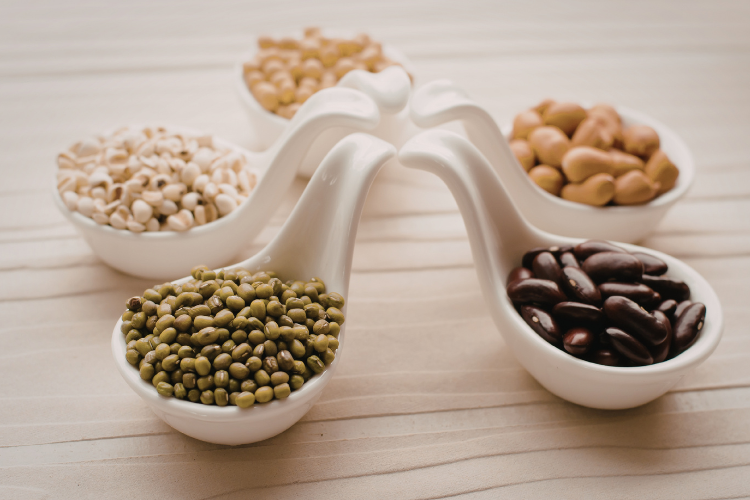
As more cases were examined, researchers noticed something important. Many diets linked to heart disease shared heavy use of legumes, regardless of whether they contained grains. Some even included grains and still appeared in reports.
Veterinary cardiologists and nutrition researchers began focusing on these fillers instead. According to veterinary nutrition analyses, legume heavy formulations may affect how certain amino acids are absorbed or used, shifting attention away from grains themselves.
6. Taurine questions reframed the conversation.
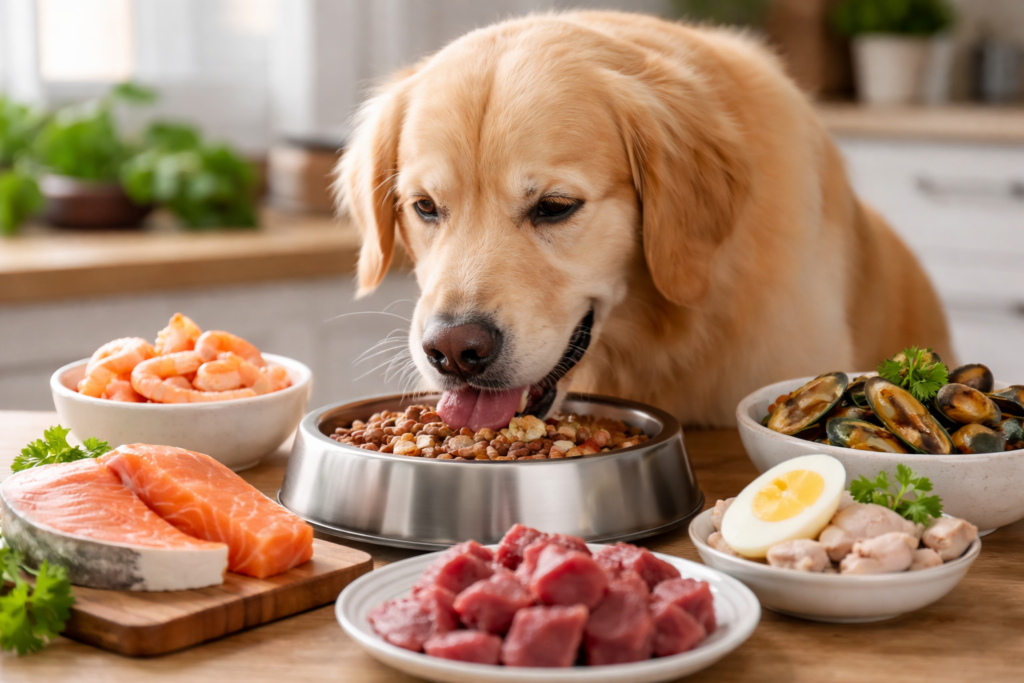
Taurine plays a key role in heart function. Some dogs with diet related heart disease showed low taurine levels, which raised new concerns. Grain free diets were blamed, but grains are not a main source of taurine.
Researchers began exploring whether legume rich foods interfered with taurine metabolism rather than removed it. As discussed in veterinary research reviews, this hypothesis remains under study, but it changed the focus from missing grains to ingredient balance.
7. Large companies regained trust while smaller brands suffered.

When fear peaked, major manufacturers positioned themselves as safer choices. They emphasized compliance and stability while quietly reformulating products. Smaller companies, many without the resources to survive sudden distrust, closed or were pushed aside.
The shift rewarded scale, not necessarily quality. Power consolidated back to corporations that could absorb losses and adapt messaging quickly, leaving fewer choices for owners.
8. Cost pressures encouraged filler heavy formulations.
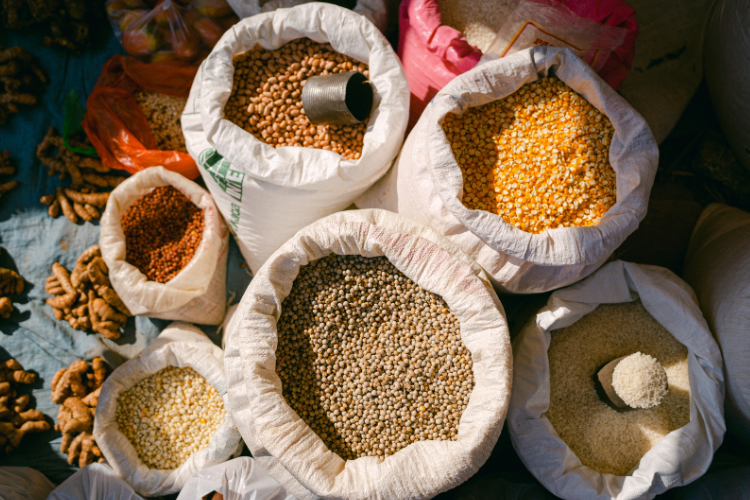
Legumes are cheaper than animal proteins and easy to source globally. Using them heavily helped companies keep prices low while maintaining high protein numbers on labels. Owners rarely saw the tradeoff.
Profit incentives favored affordability over biological suitability. Diets met minimum standards while quietly stressing nutritional balance. The focus stayed on what was removed, not what was added to save money.
9. Owners were left navigating fear and contradiction.

Dog owners acted out of care, following advice meant to protect their pets. When guidance changed, confusion followed. Many felt guilt for past choices they made with limited information.
In reality, owners were responding to shifting narratives shaped by urgency and incomplete data. Nutrition was reduced to slogans, leaving little room for understanding complexity.
10. Simplified stories caused more harm than grains ever did.

Grains became symbols instead of ingredients. Their removal and return distracted from deeper issues of formulation, sourcing, and balance. Nutrition does not work in absolutes, but marketing often does.
The evidence now suggests the danger was never the lack of grains. It was rushed substitutions, cost driven fillers, and conclusions drawn too quickly. Until dog food is judged by how it is built rather than what it excludes, the cycle is likely to repeat.