
The desert held designs no one expected.
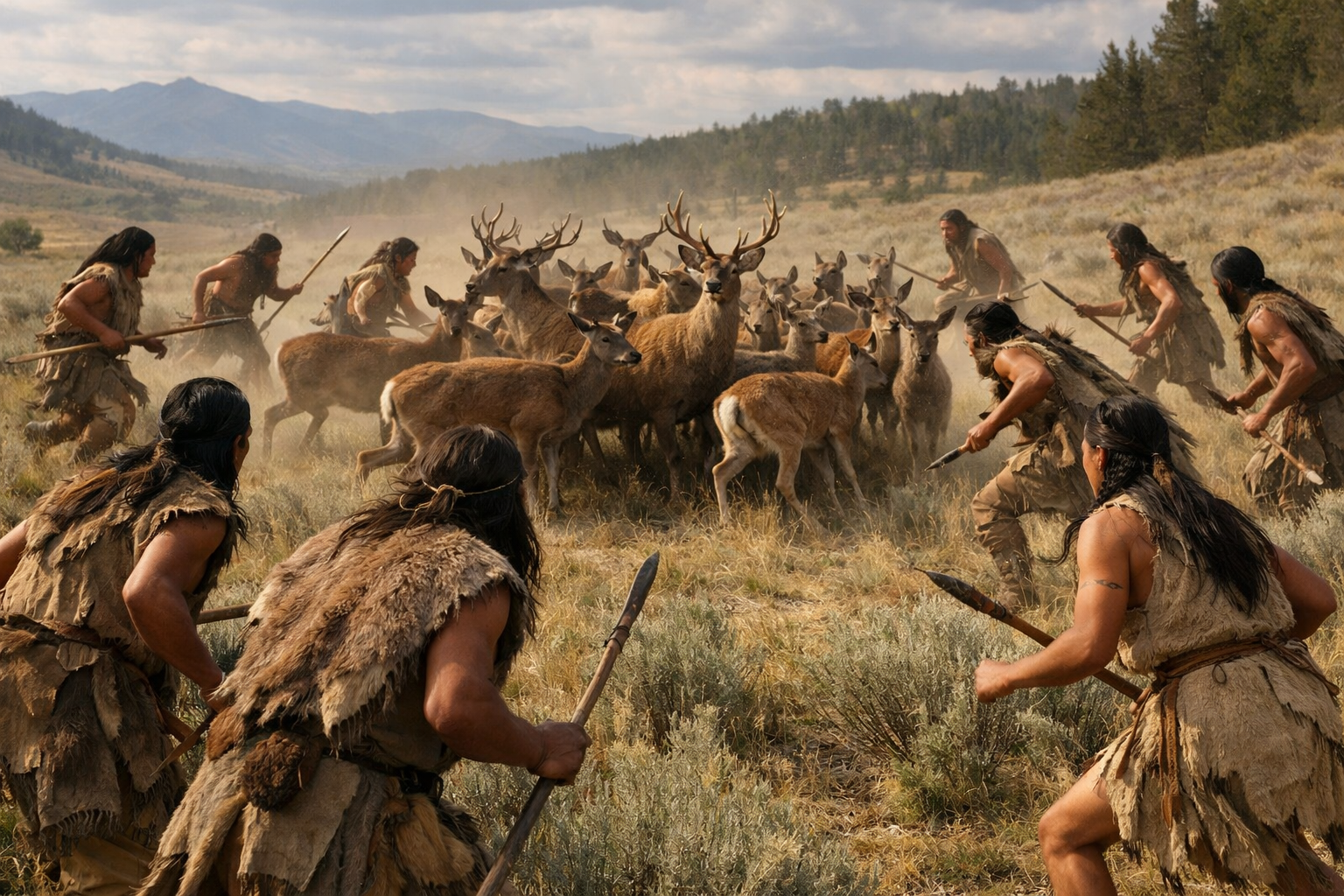
For decades, the Great Basin was framed as marginal terrain where small groups simply endured scarcity. That narrative is breaking apart. Across Nevada, Utah, and Oregon, researchers using aerial mapping and field verification have identified immense stone structures stretching for miles across open valleys. These were not random piles or crude traps. They required coordination, timing, and sustained labor. The question now is not whether these systems existed. It is how complex the societies behind them truly were.
1. Western Shoshone hunters built stone corridors in Nevada.
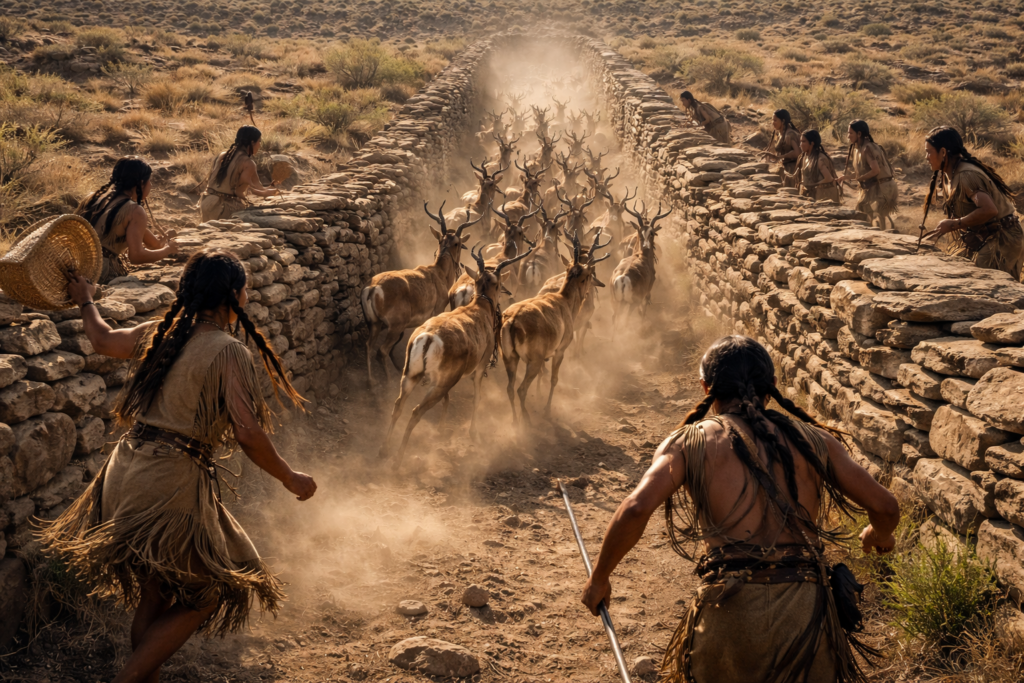
In northeastern Nevada near the Pequop Mountains and Ruby Valley, archaeologists documented long stone drive lines converging toward narrow openings. These features sit squarely within historic Western Shoshone territory. The alignments extend for kilometers, forming deliberate funnels across open desert plains.
Field surveys and radiocarbon samples from associated charcoal indicate repeated use over centuries, particularly between 1000 BCE and 1500 CE. The corridors guided pronghorn into confined spaces where nets or concealed hunters waited. Such scale demanded organized leadership and coordinated participation beyond small family units.
2. Northern Paiute communities organized pronghorn drives in Oregon.
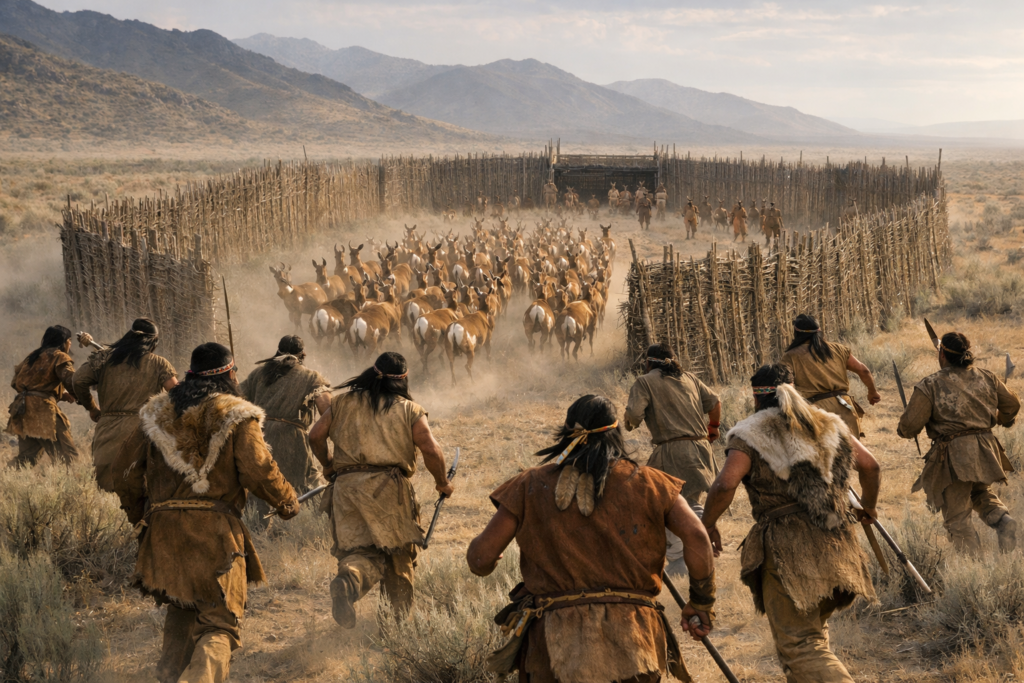
In southeastern Oregon’s Warner Valley and Lake County, aerial surveys revealed similar stone funnels aligned with natural terrain. These landscapes fall within Northern Paiute homelands. The placement corresponds with known pronghorn migration corridors documented historically.
Ethnographic accounts collected in the nineteenth century describe Northern Paiute communal drives involving extended lines of participants stretching across valleys. Hunters gradually narrowed the gap, directing animals toward prepared enclosures. Archaeological confirmation of these alignments reinforces oral traditions describing structured seasonal coordination.
3. Goshute groups engineered systems in western Utah.
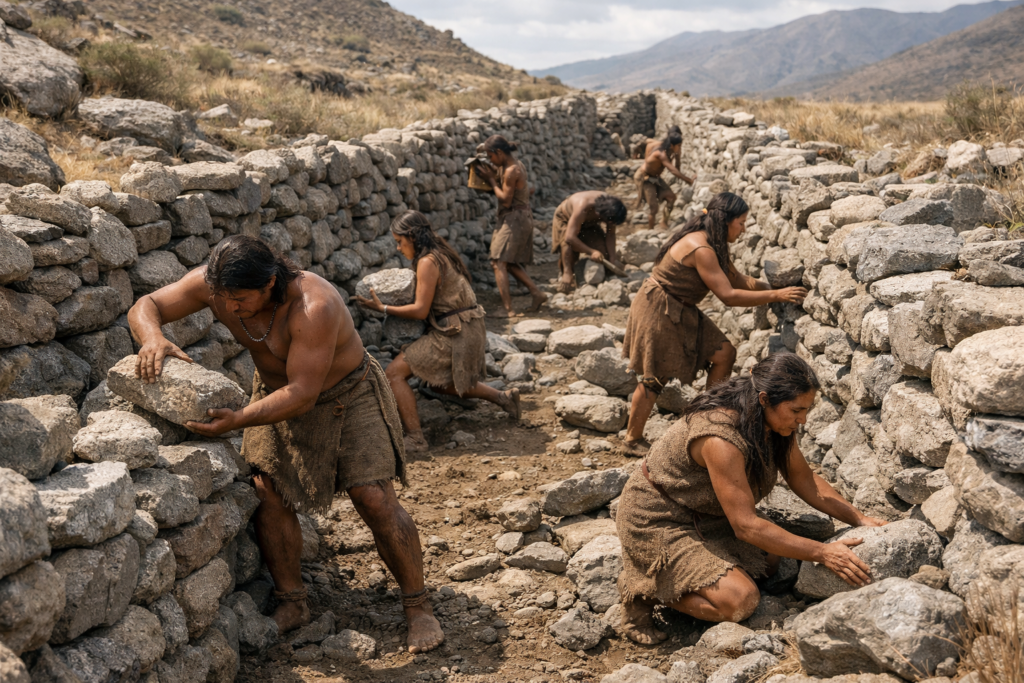
Near the Cedar Mountains and the Great Salt Lake Desert, researchers identified stone drive systems embedded in Goshute territory. These lines often incorporate ridges and dry washes to enhance funneling efficiency. The integration with natural landforms suggests careful environmental knowledge.
Projectile points and cultural materials found nearby date largely to the Late Archaic and Late Prehistoric periods. The systems were maintained and rebuilt over time, indicating institutional continuity. The labor investment challenges earlier portrayals of Great Basin communities as loosely organized or purely opportunistic.
4. Eastern Shoshone knowledge shaped migration interception points.
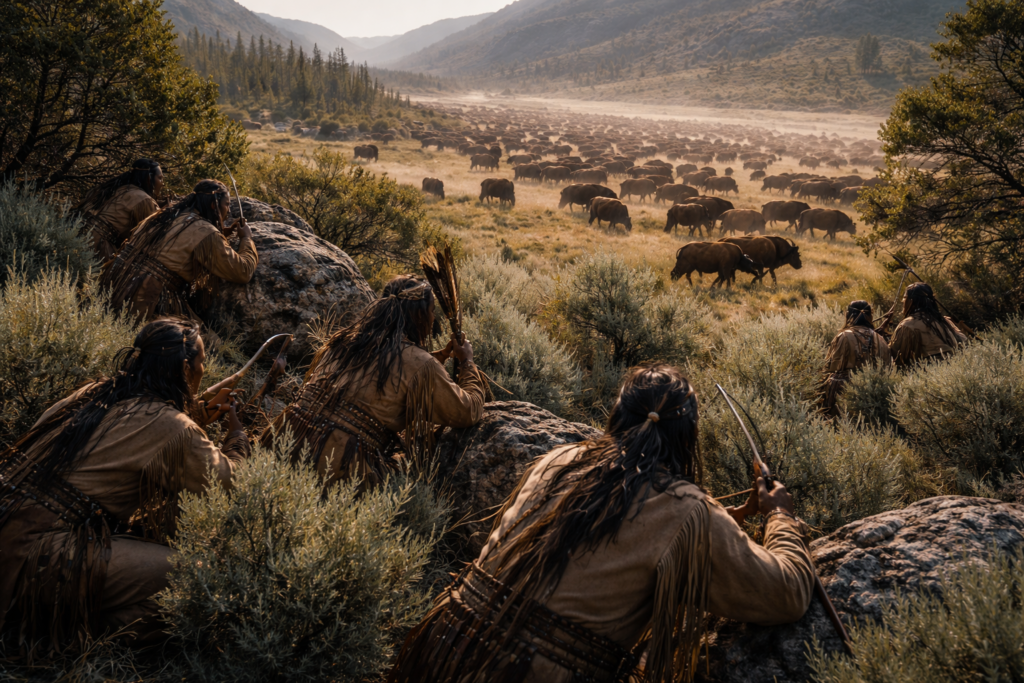
Across the eastern margins of the Great Basin, Eastern Shoshone bands tracked seasonal pronghorn movements between high desert and mountain foothills. Stone alignments discovered along these routes reflect strategic placement rather than random construction.
These intercept points correspond to predictable late summer migrations. Ethnographic documentation describes coordinated drives timed to exploit animal behavior without exhausting herds. The sophistication lies not only in the structures but in the ecological precision guiding their placement.
5. Southern Paiute bands coordinated multi family hunts.
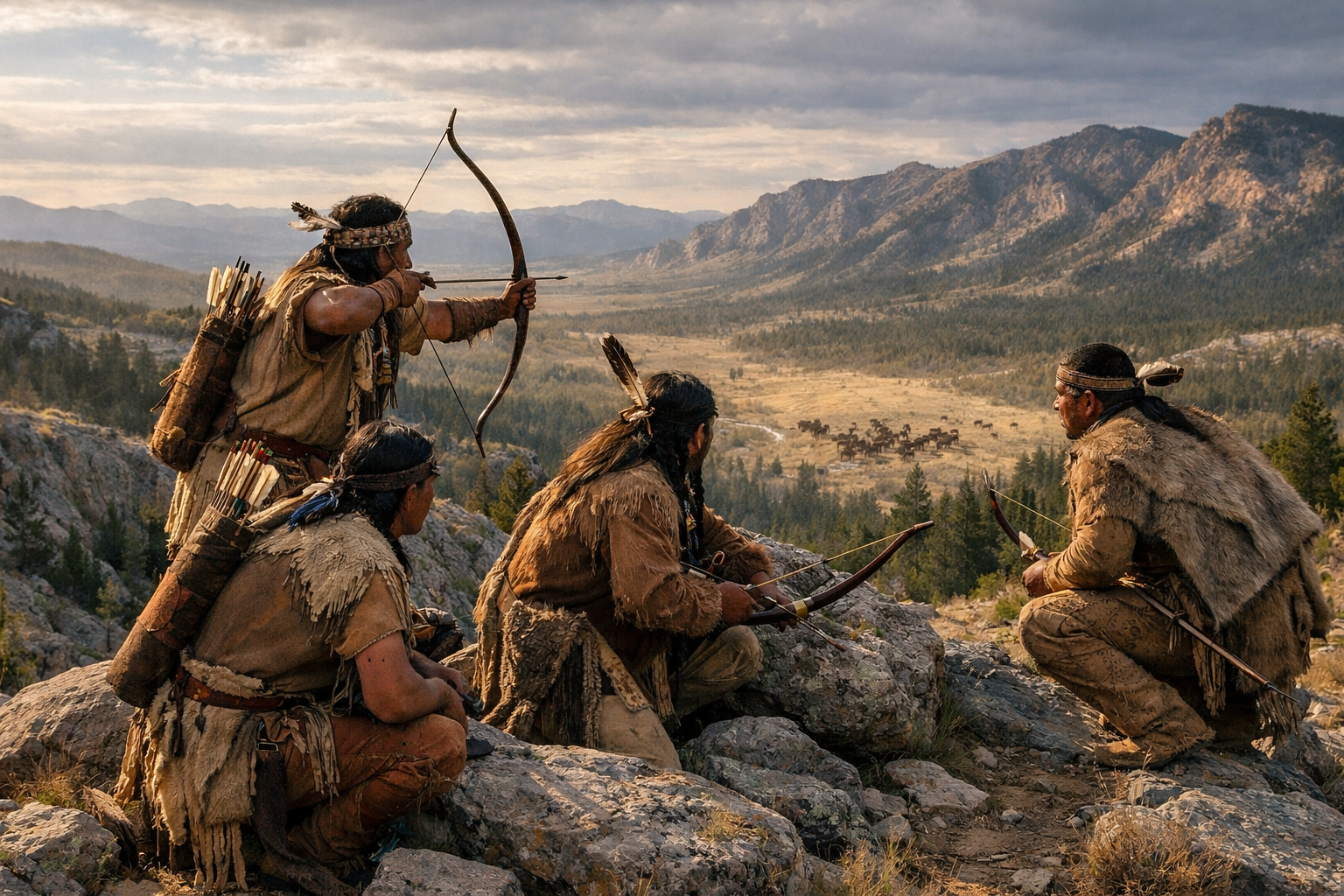
In southern Nevada and southwestern Utah, Southern Paiute groups inhabited regions where drive systems appear near valley bottlenecks. Archaeologists note repeated use patterns suggesting seasonal gatherings of multiple bands.
Such coordination required communication across dispersed settlements. Communal hunts provided meat, hides, and social cohesion. The systems reflect planned aggregation events rather than isolated attempts at survival, revealing organized subsistence rooted in collective planning.
6. Ute communities contributed along eastern corridors.

Along the eastern fringe of the Great Basin into western Colorado and Utah, Ute ancestral groups participated in similar large scale pronghorn drives. Stone alignments discovered in these transitional zones mirror designs seen farther west.
These corridors suggest shared technological knowledge across tribal boundaries. Seasonal mobility allowed information exchange, reinforcing common strategies. The distribution pattern implies networks of learning extending beyond single territories.
7. Fiber net production demanded collective labor systems.
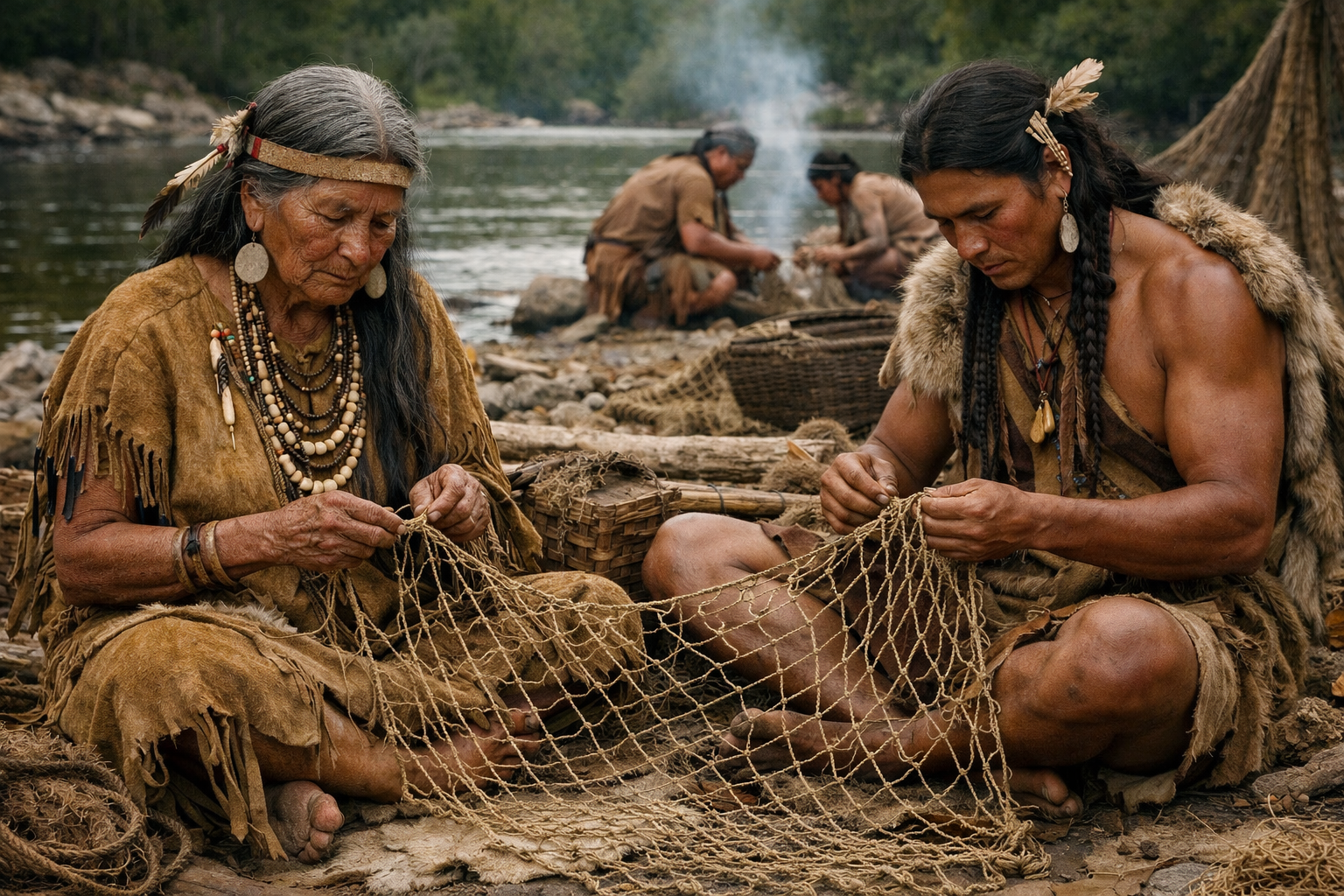
Stone lines alone did not secure animals. Ethnographic accounts from Shoshone and Paiute communities describe extensive woven nets suspended between drive lines. These nets were crafted from milkweed and other plant fibers requiring time intensive processing.
Producing large nets involved coordinated labor, likely including women and elders. Maintenance and repair suggest recurring seasonal effort. The infrastructure indicates economic organization and division of roles embedded within communal hunting events.
8. Radiocarbon dating confirms centuries of repeated use.

Excavations at several Nevada and Utah drive sites produced charcoal samples dating from roughly 2000 BCE through 1500 CE. This longevity demonstrates continuity rather than short lived experimentation.
Repeated rebuilding and maintenance show long term planning. The systems persisted across cultural transitions, suggesting that knowledge passed generationally within Western Shoshone, Paiute, and related communities. Endurance over millennia signals stability, not marginal adaptation.
9. Environmental management prevented herd depletion.
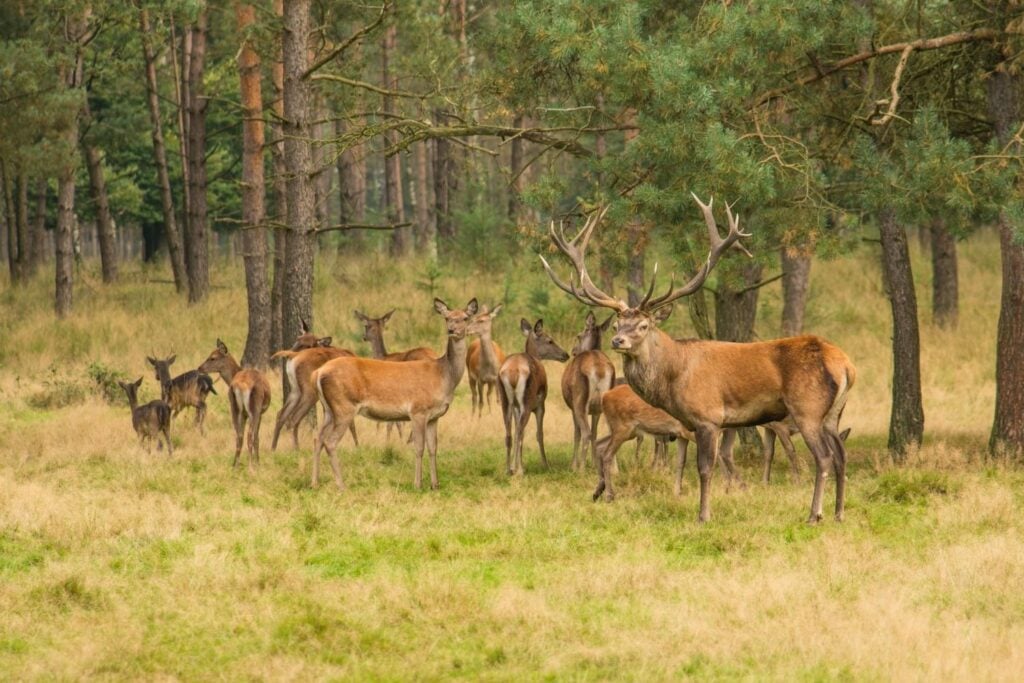
The positioning of drive systems along migration corridors rather than breeding grounds reflects restraint. Indigenous groups targeted moving herds seasonally rather than fixed populations, reducing long term ecological impact.
Ethnographic descriptions emphasize selective harvest and timing. These practices reveal ecological stewardship embedded in communal strategy. The hunting systems were engineered not only for efficiency but for sustainability across generations inhabiting the same desert landscapes.
10. Modern satellite mapping reveals broader networks.
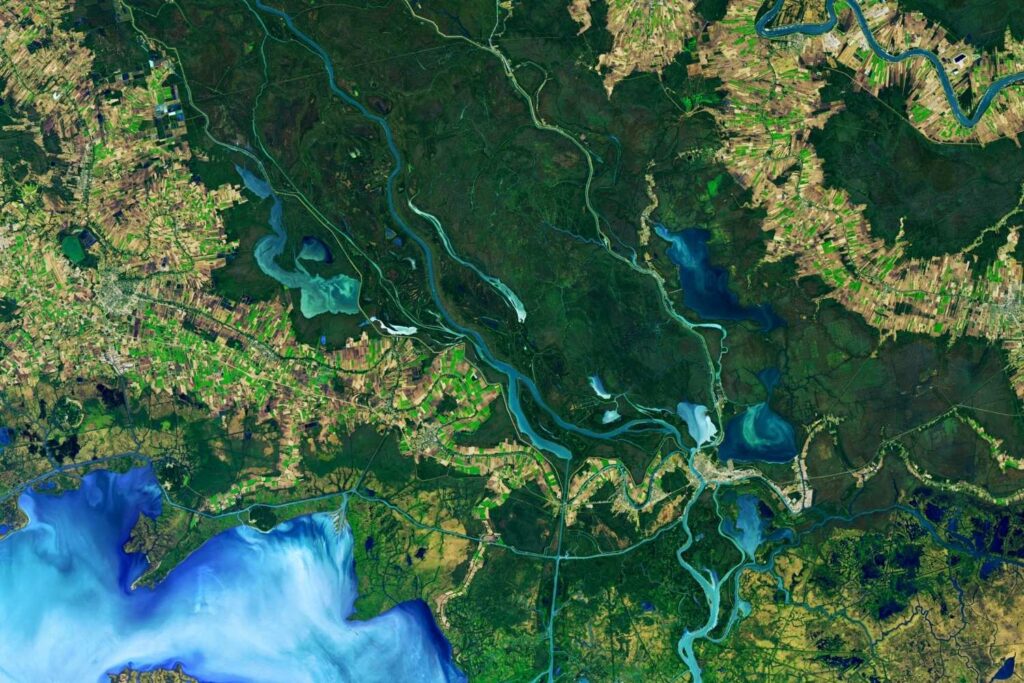
Recent high resolution satellite imagery continues to identify additional stone alignments across Nevada, Utah, and Oregon. Many features remain partially buried or eroded, suggesting the network is far larger than currently documented.
Each newly mapped corridor strengthens the argument that Western Shoshone, Northern Paiute, Goshute, Southern Paiute, and Ute communities engineered landscape scale hunting systems. What once appeared scattered now forms a regional pattern demanding reconsideration of Great Basin social complexity.