
Something beneath the lake is not what expected.
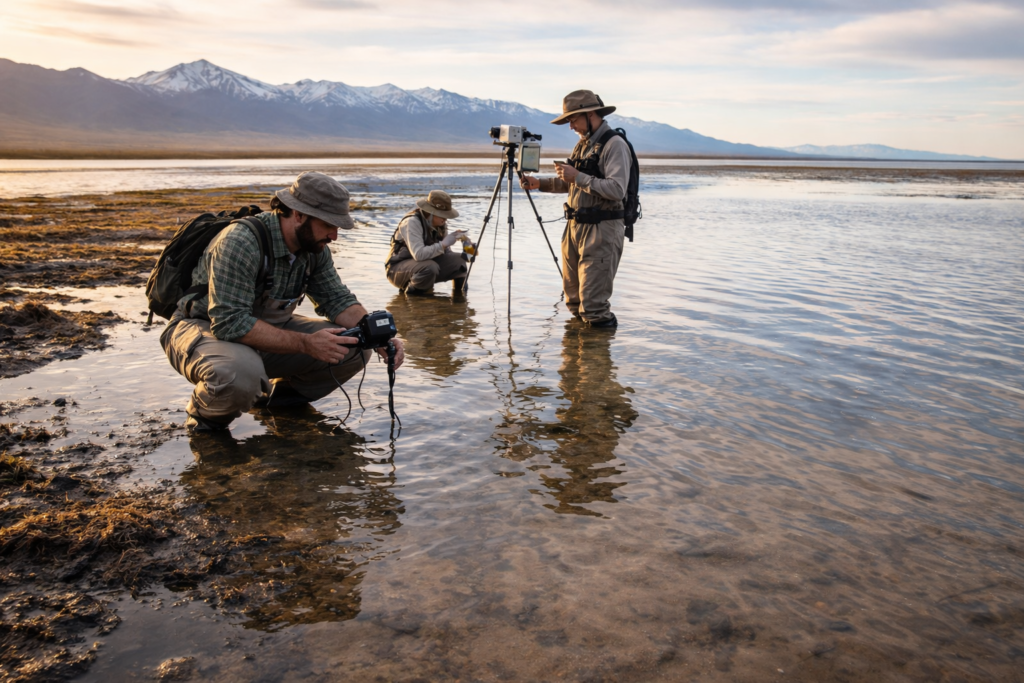
For years, the Great Salt Lake has been treated as a surface story, shrinking shorelines, rising salinity, and ecological strain. But recent findings suggest the real story may be unfolding far below what anyone can see. Researchers working beneath the lake’s crust have uncovered patterns that do not fit earlier assumptions, hinting at movement, connection, and hidden flow. What lies beneath may not just support the lake, it may be reshaping how the entire system behaves.
1. Evidence begins to emerge beneath the lakebed.
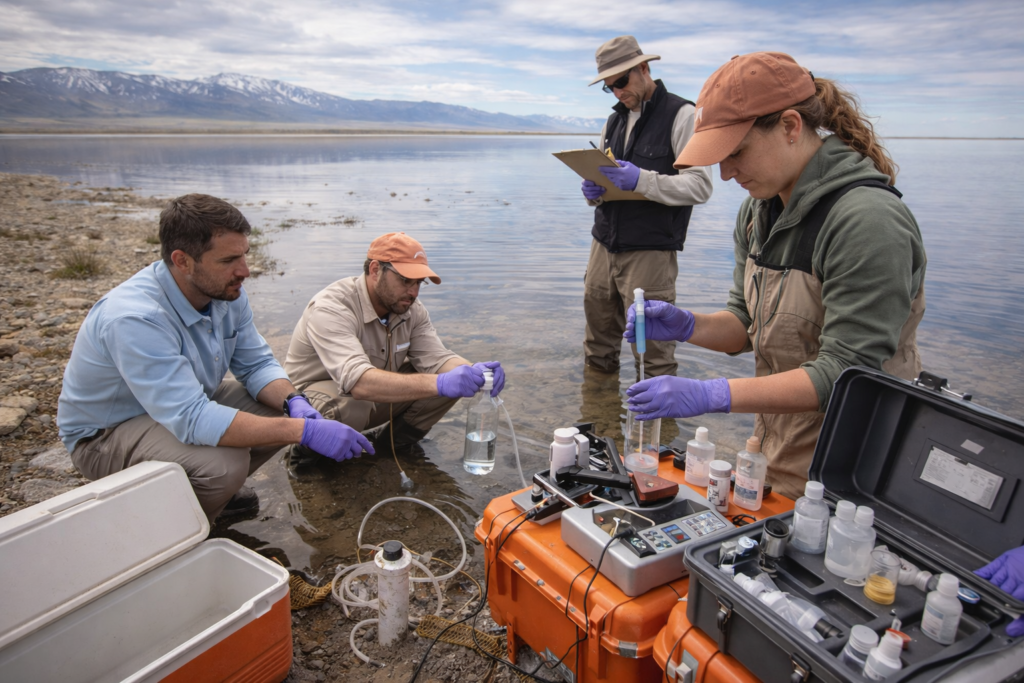
For decades, groundwater beneath the Great Salt Lake was assumed to exist in isolated pockets, disconnected and limited in scope. That assumption shaped how scientists understood water movement in the region, leaving little room for something larger or more integrated to exist below.
William Johnson formally detailed evidence of a large, connected freshwater system beneath the Great Salt Lake, based on groundwater sampling and geochemical analysis, according to Science News. Rather than isolated pockets, the data indicates a continuous subsurface network extending beneath multiple sections of the lakebed.
2. Sampling data reveals patterns that should not align.

Initial groundwater samples taken from different locations showed similarities that did not match expectations. If the subsurface water existed in separate pockets, their chemical compositions would likely vary more significantly.
Instead, repeated tests revealed aligned mineral content and isotopic markers across distant sampling points. This consistency, as reported by the US Geological Survey, suggested water was moving between areas previously thought unconnected, raising questions about how extensive that movement might be.
3. Researchers trace chemical signals across distant sites.
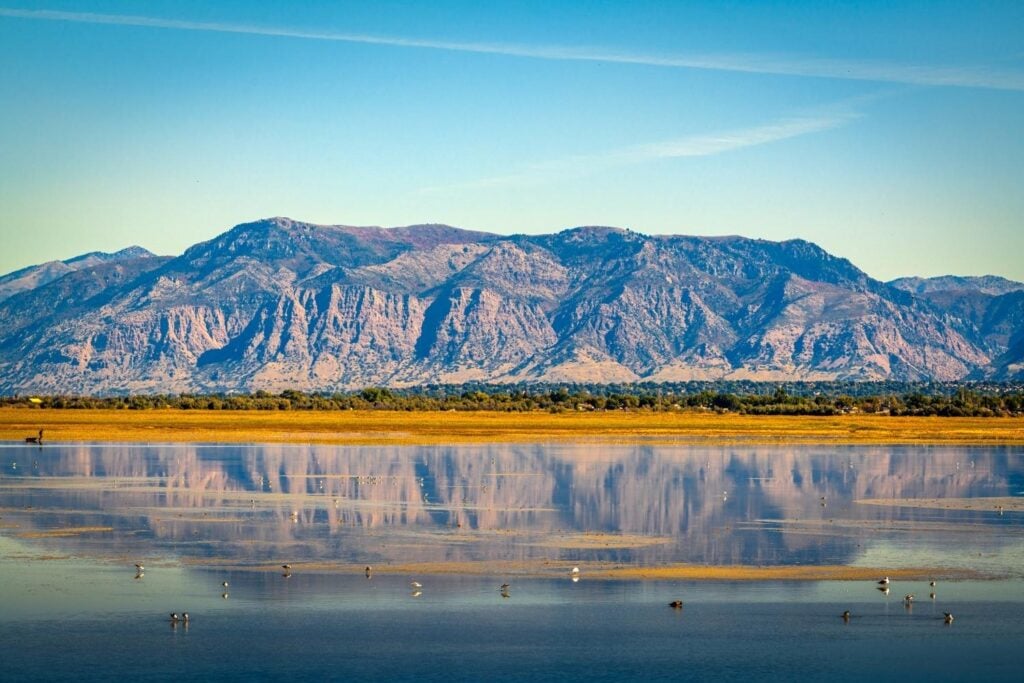
As sampling expanded, researchers began mapping how these chemical signatures appeared across the lake’s subsurface. What seemed like isolated anomalies started to form a pattern that stretched beyond individual test points.
By comparing geochemical data collected over multiple field seasons, the team observed continuity in water composition across several miles, as discovered by researchers publishing in Nature Geoscience. This pattern reinforced the idea that the groundwater system was not fragmented, but part of a larger network.
4. What was assumed isolated now appears connected.
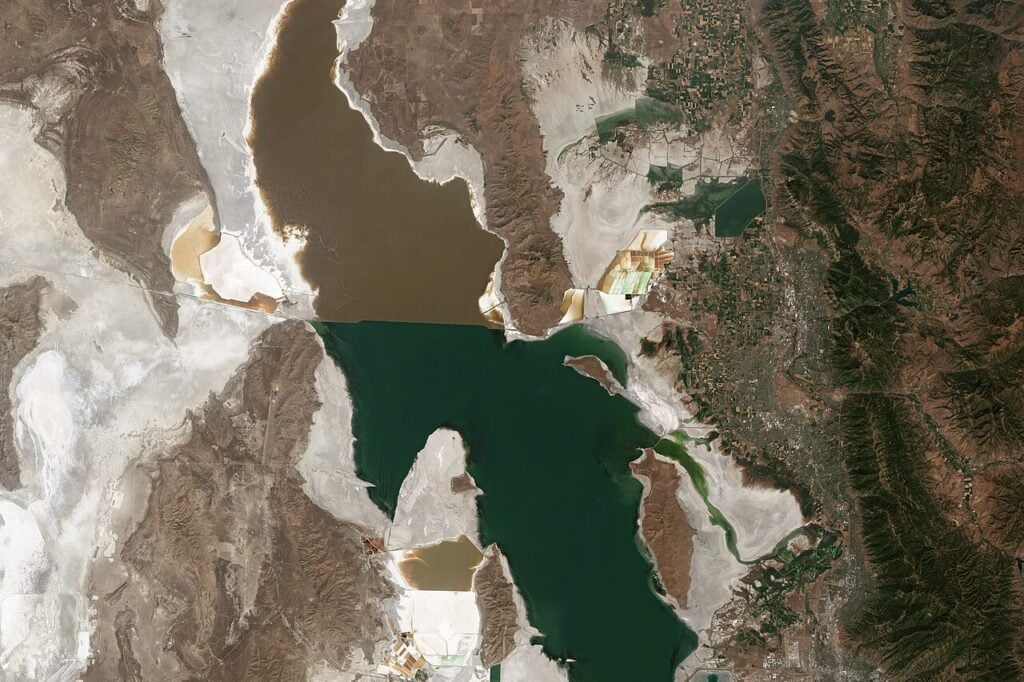
The working model of the lake’s subsurface is beginning to shift. Instead of small, contained reservoirs, the data suggests a network that allows water to move laterally beneath the lakebed.
This possibility introduces a level of interaction that was not previously accounted for. If groundwater flows more freely beneath the lake than expected, it could influence salinity levels, water balance, and even how the lake responds to external pressures.
5. Subsurface flow may be shaping surface conditions.
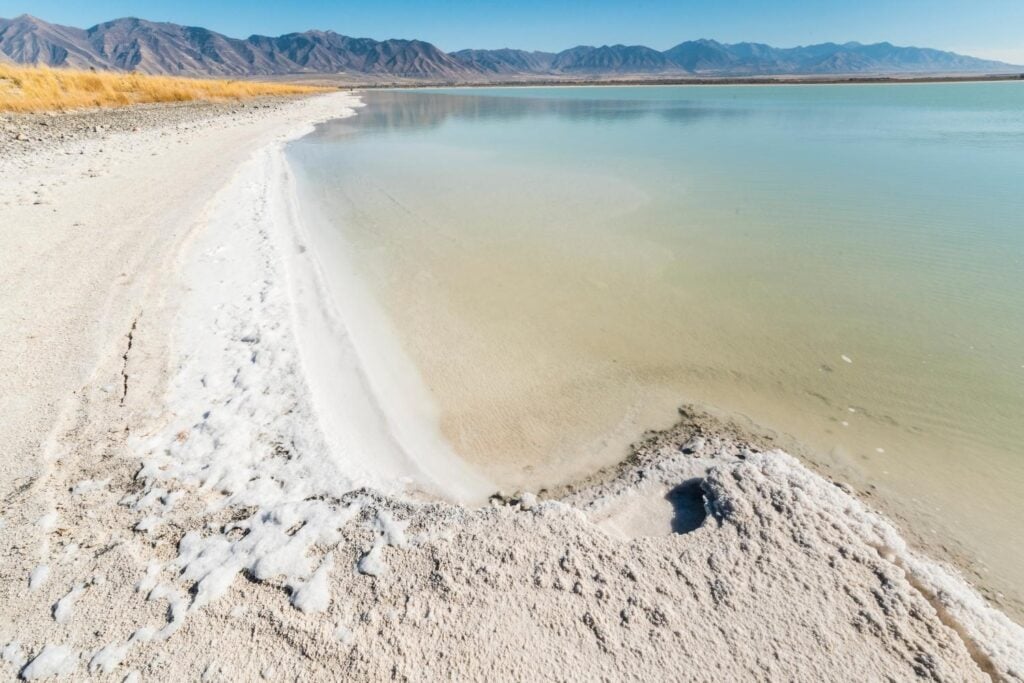
Changes observed at the surface, including fluctuations in salinity and water levels, have often been attributed solely to climate and inflow variations. However, the presence of a connected subsurface system introduces another variable.
If water is circulating beneath the lake, it may be redistributing minerals and influencing evaporation patterns in ways that are not immediately visible. This raises the possibility that some surface changes originate from below rather than above.
6. The discovery relied on more than drilling alone.
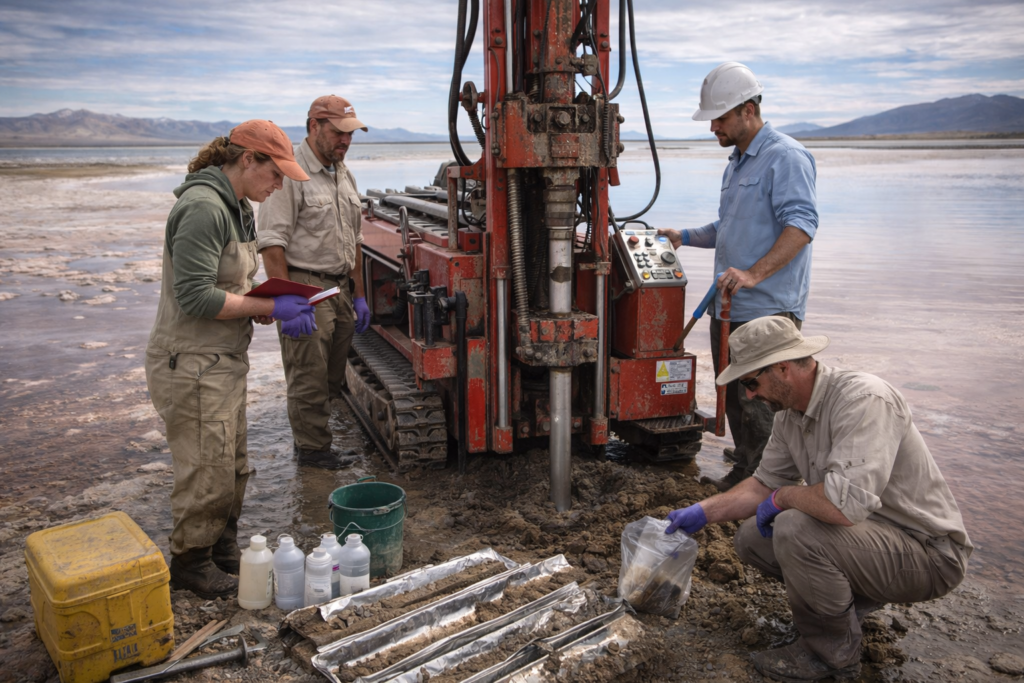
Traditional drilling methods provided access to groundwater, but they were only part of the approach used in this research. Sampling alone could not explain the broader patterns emerging from the data.
Researchers combined groundwater extraction with geochemical analysis, tracing isotopic markers and mineral compositions to understand movement beneath the surface. This layered method allowed them to see connections that would not have been visible through direct observation alone.
7. Data presentation revealed patterns over time.

The significance of the findings did not come from a single measurement, but from how data was compiled and compared across multiple seasons. Patterns became clearer as more samples were added to the dataset.
By organizing results into spatial and temporal maps, researchers were able to visualize how groundwater characteristics aligned across distances. This approach transformed scattered data points into a coherent picture of a system that had previously gone unrecognized.
8. Timing of the study coincided with lake decline.
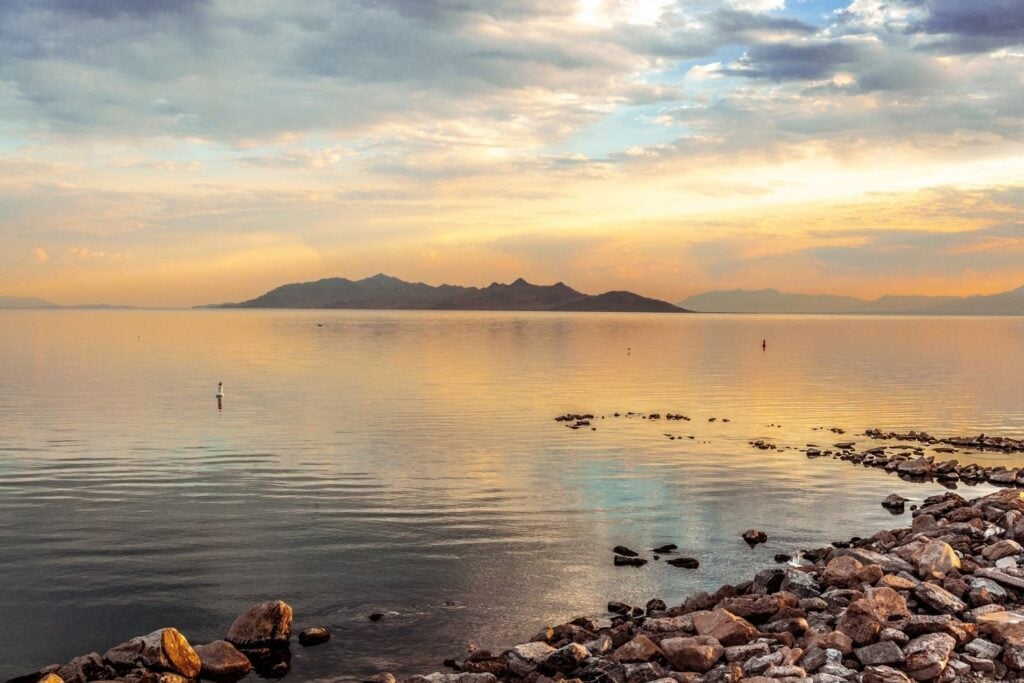
The research took place during a period when the Great Salt Lake was experiencing significant changes in water level. These conditions made the investigation more urgent and more revealing.
Lower water levels exposed new areas for sampling and allowed researchers to access parts of the lakebed that had been difficult to study before. This timing may have played a crucial role in uncovering the connections now being observed.
9. The system may extend beyond current estimates.

While the identified connections already span a considerable area, there is growing indication that the system could reach even further than current data suggests.
Sampling has been limited to accessible regions, leaving the possibility that additional connections exist beyond the tested zones. This raises questions about how far the network extends and what other influences it may have on the surrounding environment.
10. What this changes about the lake remains unfolding.
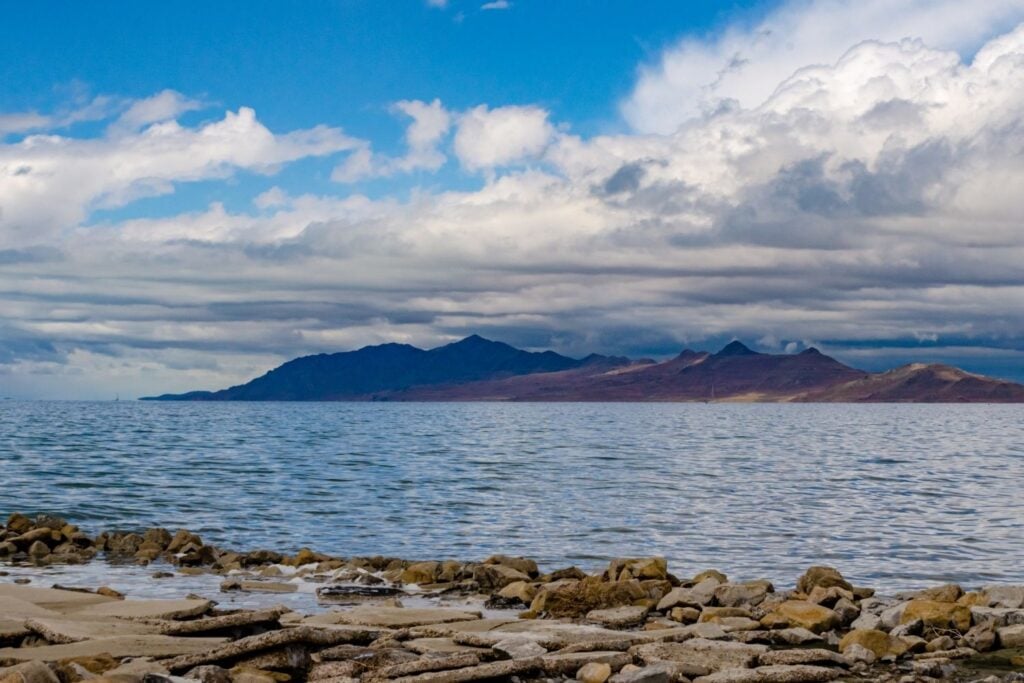
The discovery does not immediately rewrite everything known about the Great Salt Lake, but it introduces uncertainty into long held assumptions about how the system operates. It suggests that some processes beneath the surface may be more dynamic than previously believed. Researchers are now reconsidering how interconnected these hidden systems might be.
If the subsurface network continues to reveal itself as more extensive than expected, it could alter how scientists approach conservation, water management, and long term predictions for the lake’s future. It may also influence how resources are allocated to monitor changes in groundwater and salinity. Over time, this could reshape policies aimed at preserving the lake’s delicate balance.