
Researchers flag hygiene risks hiding in reusable bags.

Reusable grocery bags were meant to be a simple environmental win. Instead, researchers keep finding evidence of an overlooked hygiene problem spreading through kitchens and cars. Studies from North America and Europe suggest contamination happens far more often than shoppers expect. The risk grows with meat, produce, and repeated use. Because the bags feel harmless, people rarely question them. That blind spot may be allowing bacteria to travel from checkout lines into homes without anyone noticing until consequences surface emerge.
1. They are rarely washed after shopping trips.

The bag looks clean, smells fine, and gets folded away. Days later it returns for groceries, carrying whatever settled inside before. Raw chicken juices, leaking produce, or dirt from car trunks linger unseen. Each reuse compounds exposure, turning an eco habit into a rolling surface of risk for everyday households.
Food safety researchers note reusable bags contact many environments without cleaning. Studies testing bag surfaces have found bacteria linked to foodborne illness. Washing frequency is low because guidelines are unclear and habits stick. Without regular laundering, contamination persists longer than most shoppers assume across daily shopping routines nationwide today alone.
2. Raw meat leaks contaminate fabric interiors easily.

Meat packaging fails more often than shoppers realize. Even sealed trays can drip invisible fluid during transport. When that liquid soaks fabric, bacteria settle deep. The danger does not end at checkout. The bag later holds bread, fruit, or hands that never suspect exposure during routine grocery trips nationwide today.
Food safety testing has repeatedly identified pathogens in reusable bags used for meats. Cotton and woven plastics trap moisture longer than expected. Without washing, contamination transfers across foods. The risk rises for children and older adults whose immune systems handle exposure less effectively in shared households across regions daily now.
3. Produce residue builds up between uses quickly.

Fresh produce sheds soil, pesticides, and microorganisms into bag corners. Moisture from greens or fruit accelerates growth over time. The bag may look empty, yet residue clings to seams. Reusing it days later reactivates that invisible mixture during transport into family kitchens with little warning or awareness among shoppers today.
Researchers examining bag swabs often find higher counts after produce trips. Organic matter provides food for bacteria, especially when bags stay warm. Washing removes buildup, but most people rely on visual cleanliness. That assumption allows residue to accumulate across weeks of shopping in busy households throughout cities nationwide today often.
4. Bags sit in cars breeding bacteria rapidly.
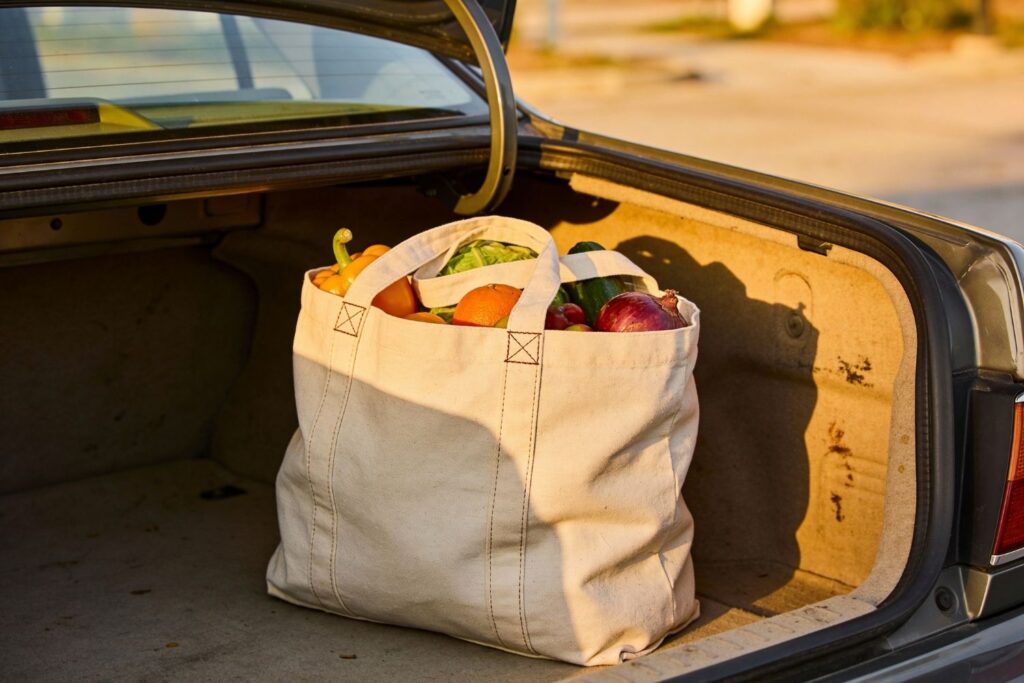
After shopping, bags are often left in hot vehicles. Temperatures climb quickly, creating ideal conditions for microbial growth. Any moisture inside accelerates the process. Hours later, the bag returns home carrying a multiplied load. The risk feels distant but grows silently inside everyday vehicles across suburban and urban areas nationwide.
Microbiologists warn heat amplifies bacterial reproduction rates. Trunks and back seats can exceed safe temperatures even on mild days. Without cleaning, heat exposure turns minor contamination into serious risk. People underestimate this step because it happens between the store and home during routine errands across daily life in many places.
5. Bags mix food with nonfood items often.

Reusable bags rarely stay dedicated to groceries. They carry gym clothes, books, shoes, or cleaning supplies. Each alternate use introduces new contaminants. When food returns to that space, separation disappears. The crossover is easy to forget and difficult to track once habits settle into daily routines for many shoppers today.
Public health guidance stresses keeping food contact surfaces limited. Mixing uses undermines that principle without obvious warning signs. Bags look the same regardless of contents. Without clear routines, people unintentionally expose food to residues meant for entirely different purposes within shared households and busy lifestyles across regions nationwide today often.
6. Visual cleanliness hides unseen contamination risks inside.
Many people trust their eyes when judging bag safety. If it looks clean, it feels safe. Bacteria do not announce themselves. Smooth surfaces and dark fabrics disguise residue, allowing confidence to replace caution. This false reassurance keeps the same bags circulating repeatedly through weekly shopping cycles without inspection or cleaning.
Foodborne pathogens cannot be detected by sight or smell. Research shows contamination persists even after brief use. Without routine washing, invisible buildup continues unchecked. Relying on appearance alone creates a gap between perceived and actual cleanliness that widens over time across households in modern shopping environments nationwide today increasingly often.
7. Bags rarely get washed between errands anymore.

Unlike kitchen towels, reusable bags lack cleaning routines. They are folded, stacked, and forgotten until the next trip. Weeks can pass without washing. Each outing layers new exposure on old residue. The neglect is not intentional, but its effects accumulate steadily across months of shopping habits in many households nationwide.
Surveys show many shoppers wash bags only after spills. Regular laundering is uncommon despite recommendations. Fabric bags often need hot cycles to reduce bacteria. Without reminders or labels, cleaning falls behind reuse, allowing contamination patterns to persist across grocery cultures and busy schedules in urban and rural areas alike today.
8. Cloth bags trap moisture longer than plastics.

Cloth bags feel sustainable, but their fibers hold moisture. Dampness lingers after spills or condensation. That environment favors microbial survival. Even when dry to touch, inner layers remain hospitable. This hidden moisture makes repeated use riskier than shoppers expect during normal grocery routines across different climates and seasons nationwide today.
Researchers note moisture is critical for bacterial growth. Compared with plastic, cloth dries unevenly and slowly. Without thorough drying and washing, microbes persist. The material choice itself becomes part of the problem when habits do not adjust accordingly within everyday reuse patterns across households in multiple regions nationwide today often.
9. Bags contact checkout surfaces and carts frequently.
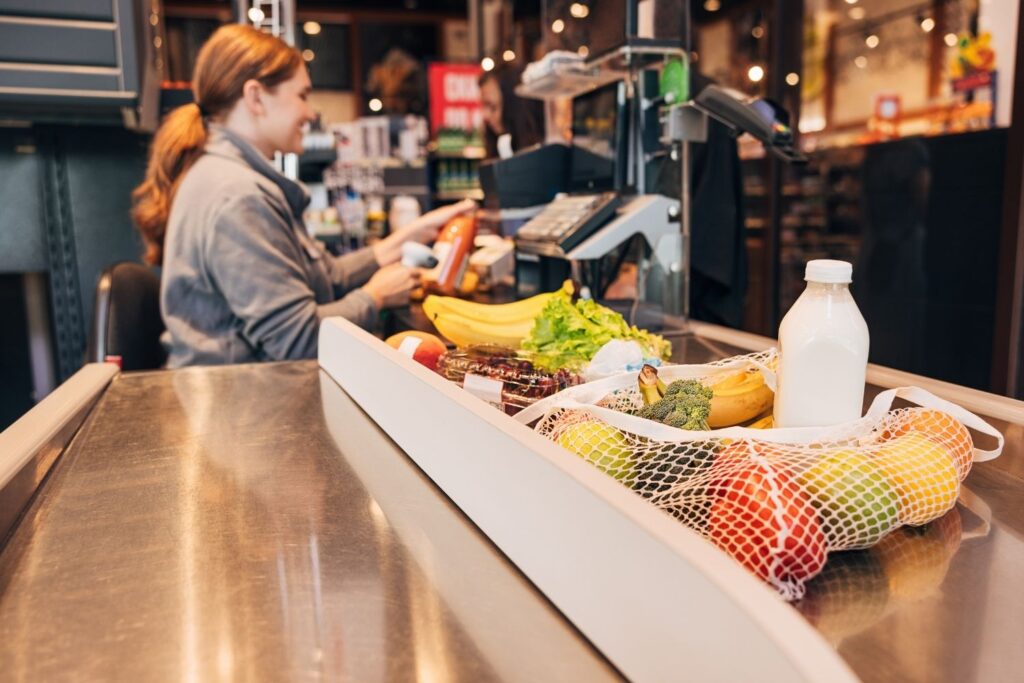
During shopping, bags touch counters, carts, and conveyor belts. Those surfaces host germs from countless previous customers. Each contact adds exposure before food even enters the bag. This transfer happens publicly, then travels home unseen through retail environments across cities suburbs and towns nationwide every single day unnoticed by shoppers.
Retail sanitation varies widely by location and time. While stores clean regularly, high traffic means constant recontamination. Bags act as vehicles moving microbes beyond the store. Shoppers rarely consider this stage when thinking about food safety in modern shopping systems across regions nationwide today and beyond common awareness levels often.
10. Bag hygiene guidelines remain poorly communicated to shoppers.
Many shoppers assume someone would warn them if bags were risky. Clear guidance is rare at checkout or packaging. Without prompts, habits persist unchanged. The silence creates a false sense of safety around reuse practices that spread across communities over years without challenge or correction from retailers or regulators today.
Researchers often publish findings that never reach consumers. Without simple messaging, people rely on intuition. Bag labeling and store reminders remain inconsistent. That communication gap allows preventable mistakes to continue despite growing awareness within scientific circles and public health discussions across multiple regions worldwide today increasingly noted by experts alone.