
What looks harmless can hide serious internal trouble.
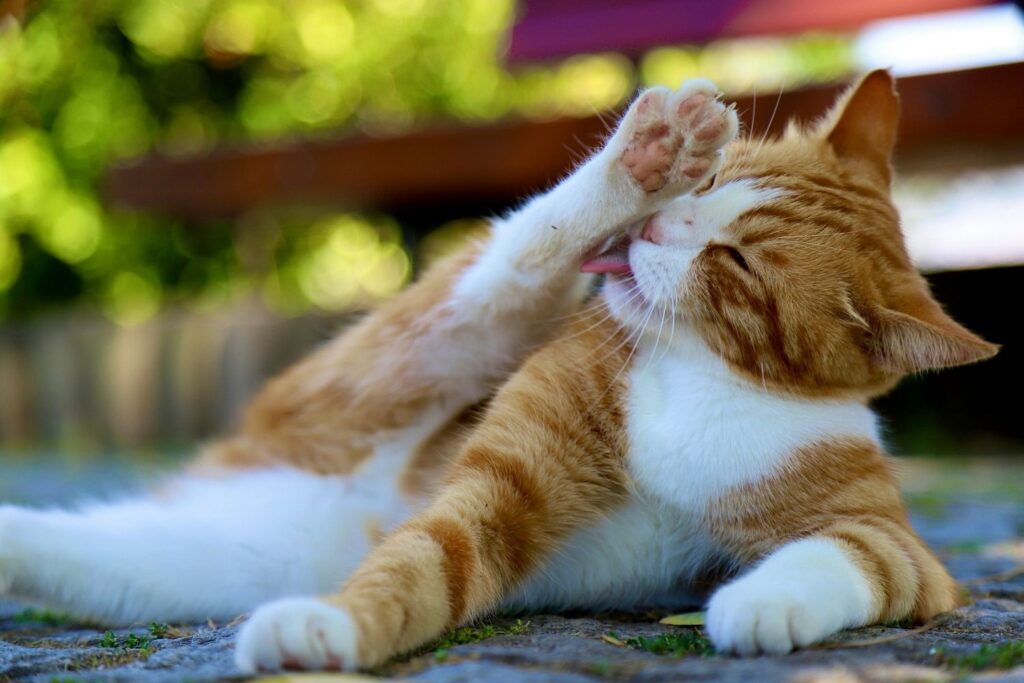
Excessive grooming in cats often starts subtly, blending into normal routines that owners barely notice. Veterinarians across North America report that many serious diagnoses are delayed because grooming appears comforting or benign. The danger is not the behavior itself, but what drives it beneath the surface. By the time hair loss or sores appear, the underlying cause may already be advanced. Understanding when grooming crosses from habit into warning sign can determine whether a cat receives early care or faces escalating medical consequences.
1. Persistent overgrooming can signal chronic internal pain.

Cats instinctively mask pain, making behavioral clues especially important. Repeated grooming of the same area may appear soothing, but the repetition often increases as discomfort intensifies. Over time, hair loss and inflamed skin emerge while the true cause remains hidden. Owners may treat the skin without addressing the source, allowing internal problems to worsen unnoticed.
Internal pain from arthritis, gastrointestinal inflammation, or abdominal disorders often triggers localized grooming. The behavior temporarily distracts from discomfort. Without identifying the pain source, the cycle continues. Grooming becomes compensation rather than cleanliness, delaying diagnosis while physical damage progresses.
2. Sudden grooming fixation may point to neurological disorders.

Abrupt changes in grooming behavior deserve close attention. Cats may become intensely focused, grooming for long periods without responding to surroundings. This fixation can escalate quickly, creating raw patches and distress. The behavior often feels alarming but confusing, especially when no external injury is visible.
Neurological dysfunction can disrupt normal sensory processing. Seizure activity, nerve damage, or brain inflammation may produce abnormal sensations. Grooming becomes a response to internal misfiring rather than itch. Without intervention, neurological instability may worsen while the visible behavior draws focus away from the underlying cause.
3. Excessive licking often accompanies severe skin infections.

Skin irritation encourages grooming, but persistent licking can worsen the problem rapidly. Moisture from saliva breaks down the protective skin barrier. Redness spreads, wounds deepen, and infection becomes entrenched. Owners may assume grooming is the result, not the accelerant.
Bacterial and fungal infections thrive in damaged skin. Grooming introduces microbes deeper into tissue. As infection worsens, itching intensifies, reinforcing the behavior. Without targeted treatment, the cycle escalates, turning a manageable skin issue into a complex medical condition.
4. Grooming focused on the belly can indicate urinary disease.

Abdominal grooming often goes unnoticed beneath thick fur. Cats may lick obsessively while appearing otherwise normal. By the time hair loss becomes obvious, internal discomfort may already be severe. Delay increases the risk of emergency complications.
Urinary inflammation causes significant pain and pressure. Cats groom instinctively to soothe the area. Conditions such as cystitis or blockage worsen rapidly without care. Early recognition of grooming patterns can prevent life threatening outcomes that escalate suddenly and without warning.
5. Hair loss from licking may reflect endocrine disorders.

Symmetrical baldness develops gradually, often without redness or wounds initially. Because the skin looks calm, owners may dismiss the change. Grooming continues as hormonal imbalance quietly disrupts normal body function.
Endocrine disorders affect metabolism, skin integrity, and behavior. Hormonal shifts can increase restlessness and grooming urges. Without treatment, systemic effects progress beyond the skin. Coat changes are often the first visible sign of deeper internal dysregulation.
6. Compulsive grooming can signal chronic anxiety disorders.
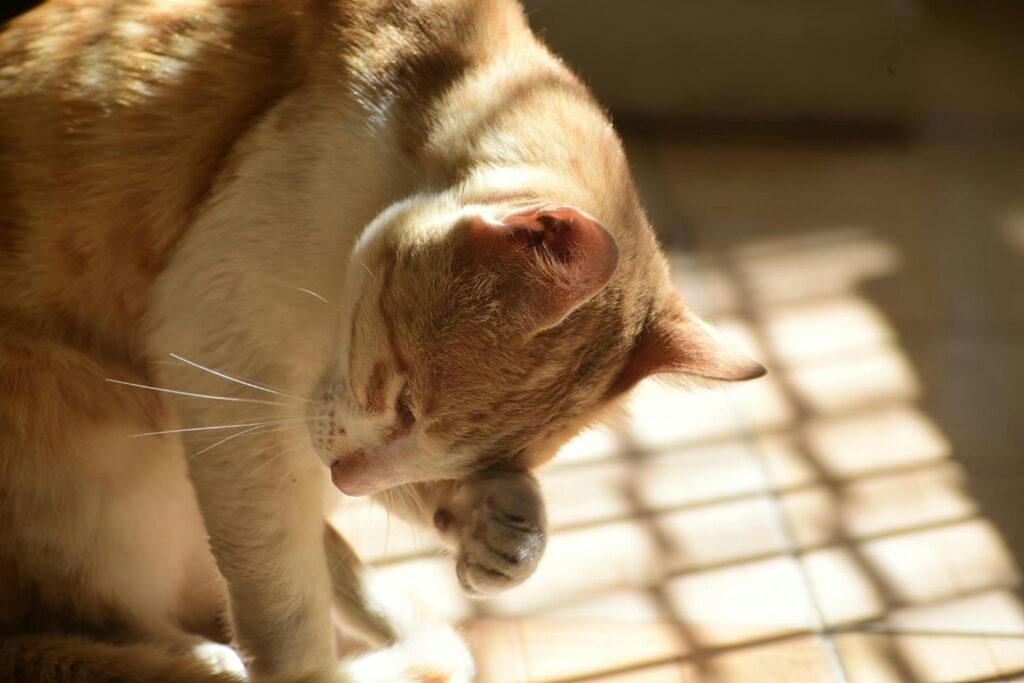
Environmental stress impacts cats profoundly. Excessive grooming may increase after household changes, conflict, or isolation. The behavior becomes rhythmic and difficult to interrupt. Physical damage follows emotional strain.
Anxiety alters neurotransmitter balance. Grooming releases calming chemicals briefly, reinforcing the behavior. Over time, the habit becomes compulsive rather than situational. Without addressing stressors, emotional distress manifests physically, eroding both skin health and overall wellbeing.
7. Grooming wounds may hide autoimmune disease.
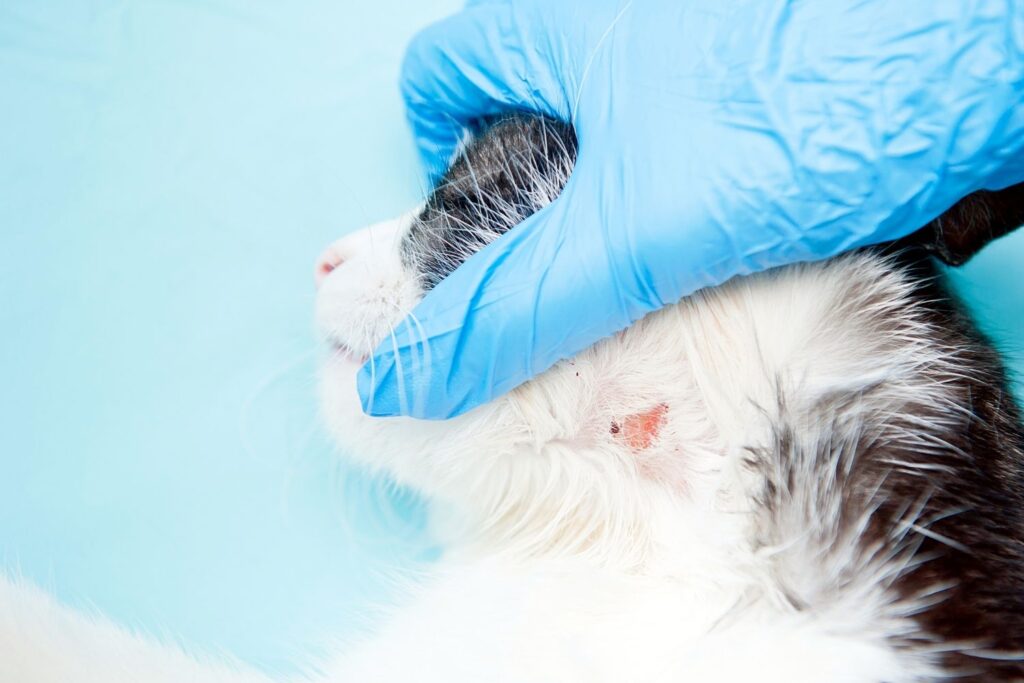
Inflammation that seems disproportionate raises concern. Skin lesions worsen despite care. Grooming continues even as tissue struggles to heal properly. Something deeper interferes with recovery.
Autoimmune conditions cause the body to attack healthy tissue. Skin becomes fragile and reactive. Grooming exposes vulnerability rather than causing it. Without diagnosis, immune dysfunction progresses silently, affecting multiple systems while attention remains fixed on surface symptoms.
8. Excessive grooming sometimes follows toxic exposure.
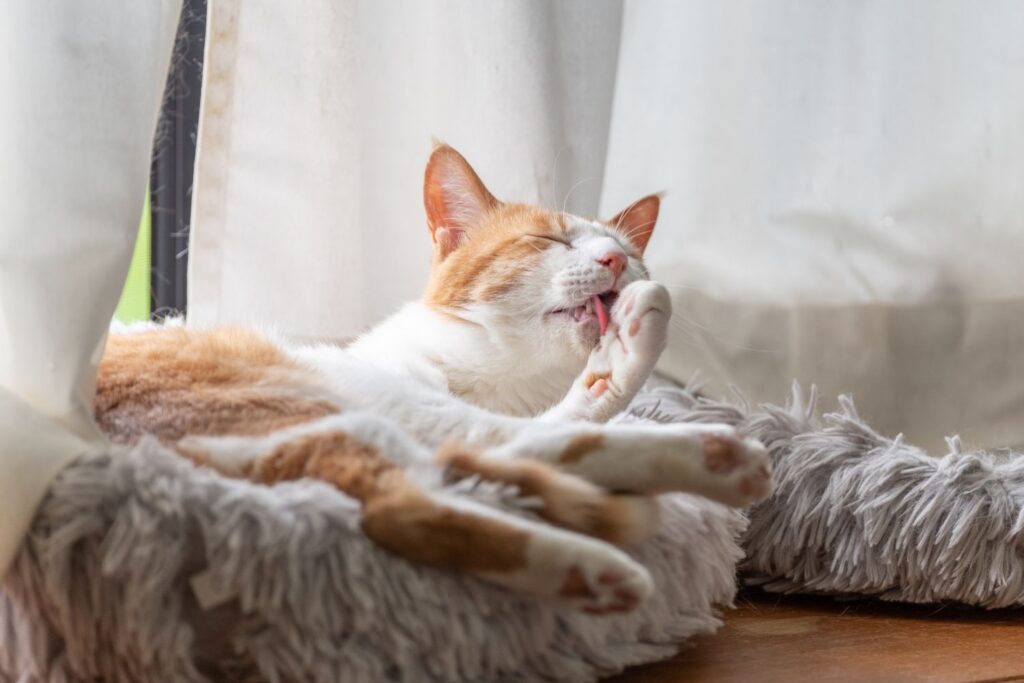
Behavioral changes may appear before obvious illness. Grooming increases suddenly, often paired with agitation or lethargy. Owners may miss the connection to environmental exposure.
Certain toxins affect nerves and skin sensitivity. Abnormal sensations trigger grooming. As toxins circulate, damage compounds. Early behavioral clues offer critical intervention windows before organ systems become compromised.
9. Repetitive grooming may reflect systemic organ failure.
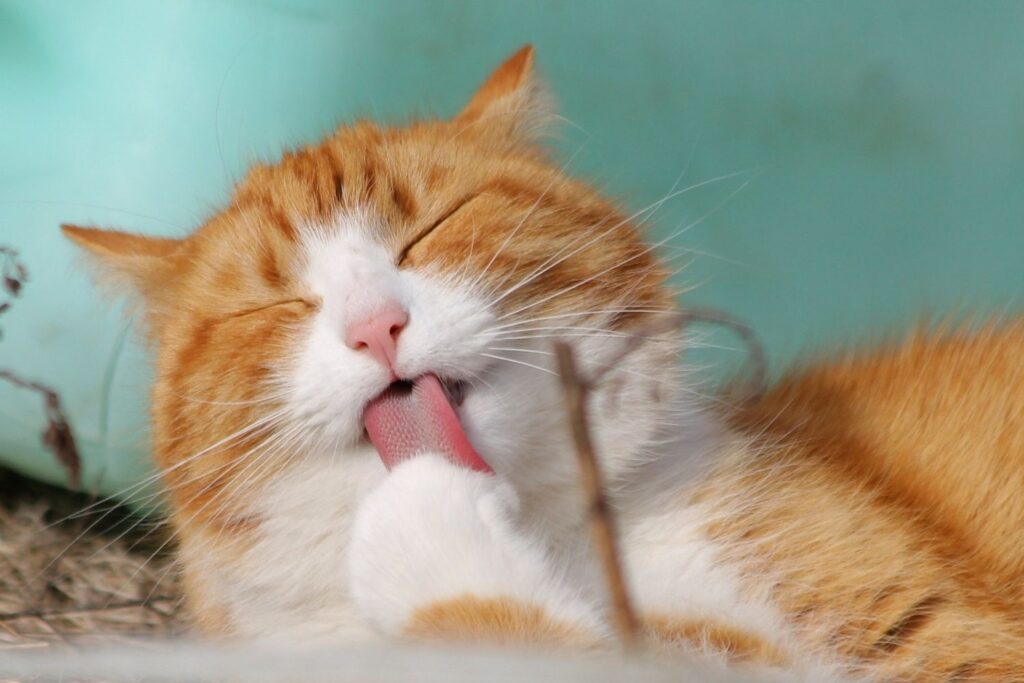
As organ function declines, discomfort increases subtly. Cats may withdraw socially while grooming intensifies. Energy drops while behavior becomes repetitive. These changes often precede visible illness.
Kidney or liver failure alters toxin levels in the body. Sensory discomfort and nausea follow. Grooming becomes displacement behavior. Recognizing this pattern early may allow treatment before irreversible decline reshapes quality of life.