
New volcanic signals push officials into urgent action.
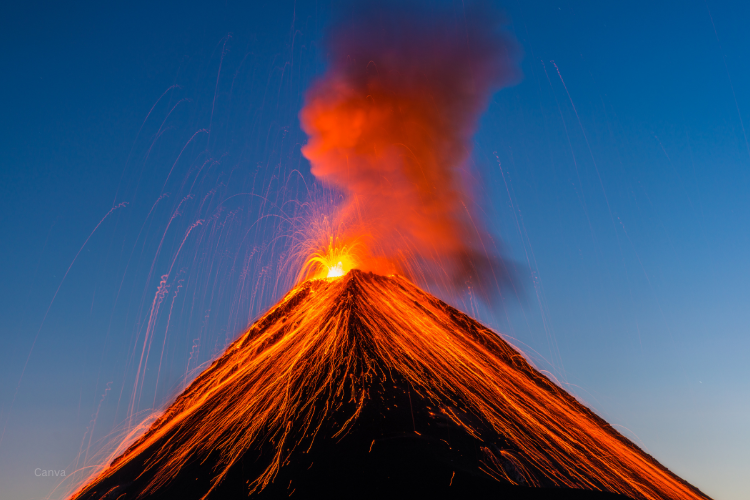
An unusual pulse of seismic energy beneath Hawai‘i’s Big Island sent officials scrambling as instruments around Kīlauea’s summit crater registered pressure rising far faster than models predicted. Scientists at the Hawaiian Volcano Observatory warned that a vertical blast of lava could reach more than fifteen hundred feet if the vent ruptured suddenly. The alert spread quickly through communities stretching from Volcano Village to Pāhoa, prompting thousands of residents to prepare for rapid evacuation as the ground continued its quiet, unnerving movement.
1. Seismic clusters revealed a sudden surge in magma movement.
Dozens of microquakes rattled the area around Kīlauea’s Halemaʻumaʻu crater within a short window, forming a pattern that immediately caught analysts’ attention. Instruments showed the quakes aligning beneath known magma pathways, suggesting fresh intrusion pushing upward at unusual speed. According to the United States Geological Survey, the cluster resembled early signals seen before previous explosive episodes, which raised concern that a pressure spike was already underway.
These clusters intensified over several hours, hinting that molten rock was rising through narrow fractures. The rapid pace of the activity convinced officials to elevate alert levels quickly. Even though the quakes remained too small for most residents to feel, their coordination sent a clear message. Scientists emphasized that these patterns rarely appear without deeper shifts already in motion beneath the caldera.
2. Gas emissions spiked dramatically around the summit crater.
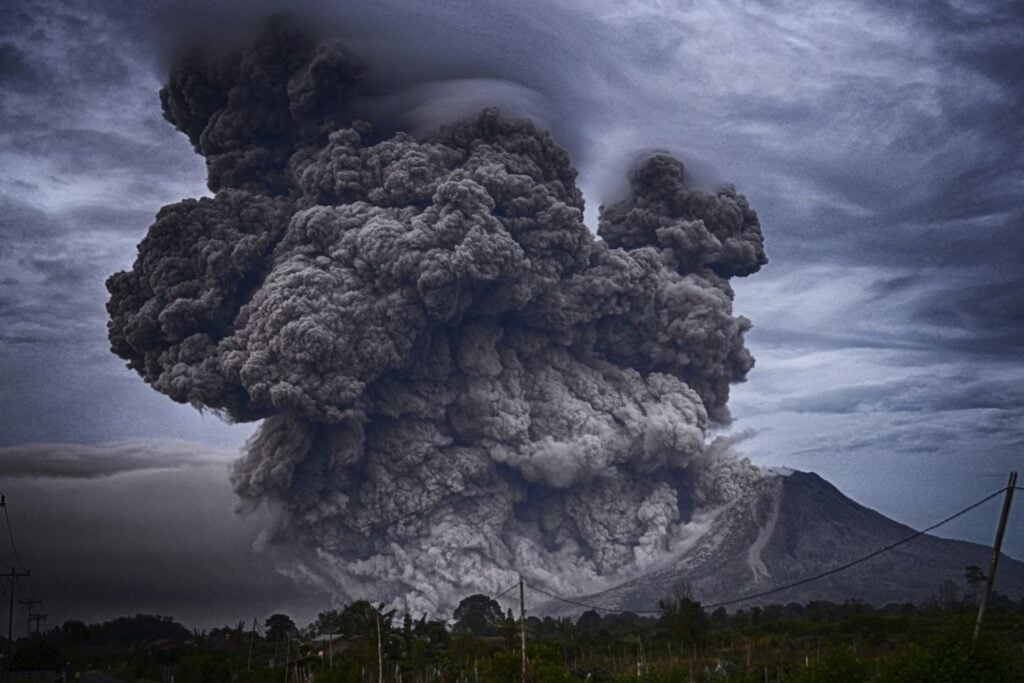
Monitoring teams detected a sharp increase in sulfur dioxide near Kīlauea’s summit, a sign that new magma was approaching the surface. Emissions climbed steadily throughout the day, spreading a blue tinted haze across parts of Hawai‘i Volcanoes National Park. As stated by the Honolulu Star Advertiser in recent coverage of volcanic conditions, these abrupt gas changes often precede explosive activity at the summit vent.
Field crews confirmed that vents near the crater rim were releasing hotter, more concentrated plumes. This shift suggested the gas system was becoming pressurized. Rising output limited visibility and forced temporary closures of several overlook areas. The pattern left scientists concerned that the vent could erupt vertically if pressure continued to mount, sending lava far higher than typical fountain activity.
3. Radar systems showed rapid ground inflation around the caldera.
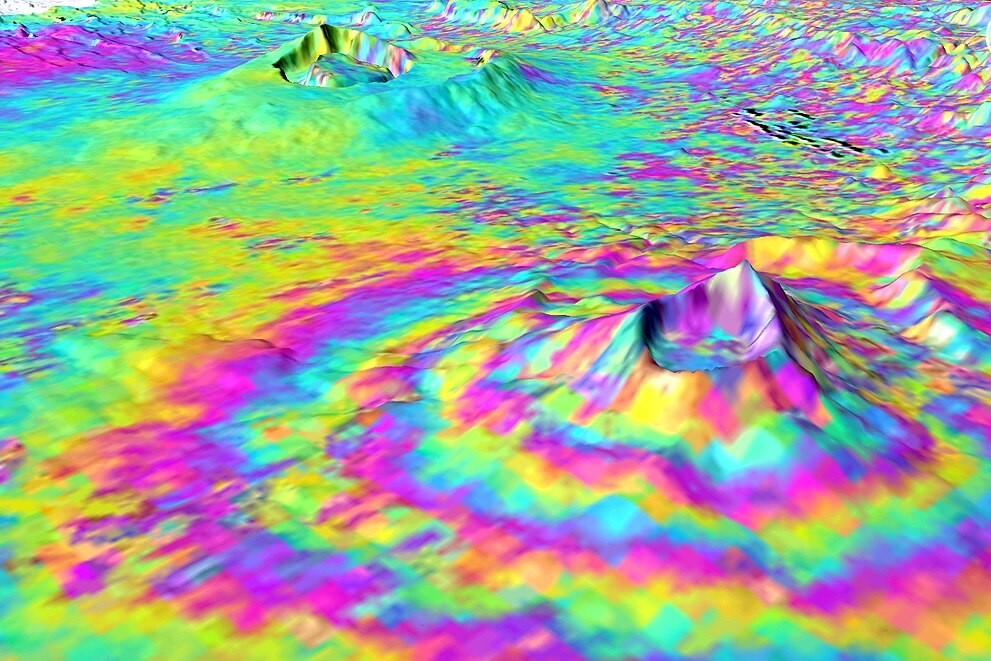
Satellite based radar revealed several centimeters of uplift across the summit region within hours. This ground inflation indicated magma pooling beneath the crater at a rate far faster than earlier in the week. As reported by Reuters during updates on Hawai‘i’s volcanic activity, similar inflation patterns preceded major events in the early 2010s, making the new data especially concerning for emergency planners.
The inflation created a subtle but expanding dome around Halemaʻumaʻu. Such changes form when magma pushes upward without finding an escape path. Scientists feared that if the rock above reached its breaking point, the pressure release could generate a towering lava blast. This possibility shaped evacuation planning as residents awaited further updates.
4. Officials warned residents about sudden ejection hazards.

Emergency leaders emphasized that a fifteen hundred foot blast would send molten rock and ash outward at high speed. The danger zone expanded beyond the crater rim into regions normally considered safe. These warnings pushed thousands to prepare go bags, review evacuation routes and stay alert for real time alerts.
The urgency came from the unpredictability of vertical blasts, which occur when pressure escapes violently through narrow vents. Such explosions can happen with little warning, leaving only seconds between detection and impact. Officials worked to ensure communities knew how quickly conditions could shift.
5. Rangers began closing areas near popular viewing spots.
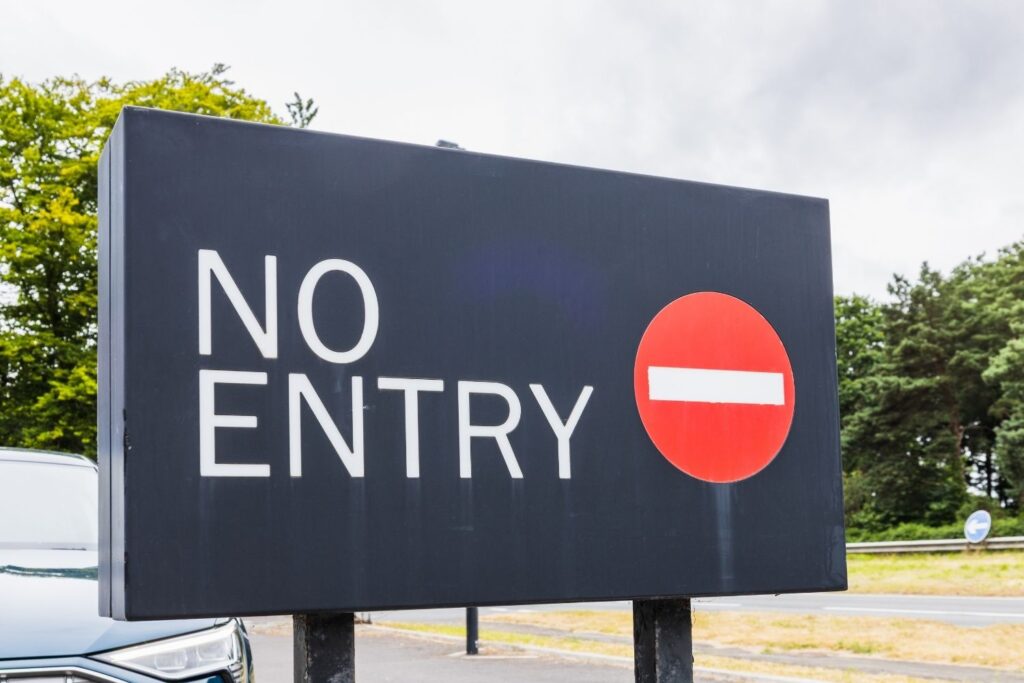
Hawai‘i Volcanoes National Park restricted access to trails and lookouts closest to the summit. These closures aimed to keep visitors far from unstable ground or sudden steam bursts. Rangers reassured tourists that most of the park remained safe but stressed that the summit zone required extra caution during volatile periods.
Staff placed barricades and signage to prevent inadvertent entry into high risk zones. The restricted areas allowed scientists to conduct uninterrupted measurements while reducing the chance of crowd buildup around the crater. Park officials emphasized that protection, not panic, guided each decision.
6. Lava lake behavior changed in unusual and unsettling ways.
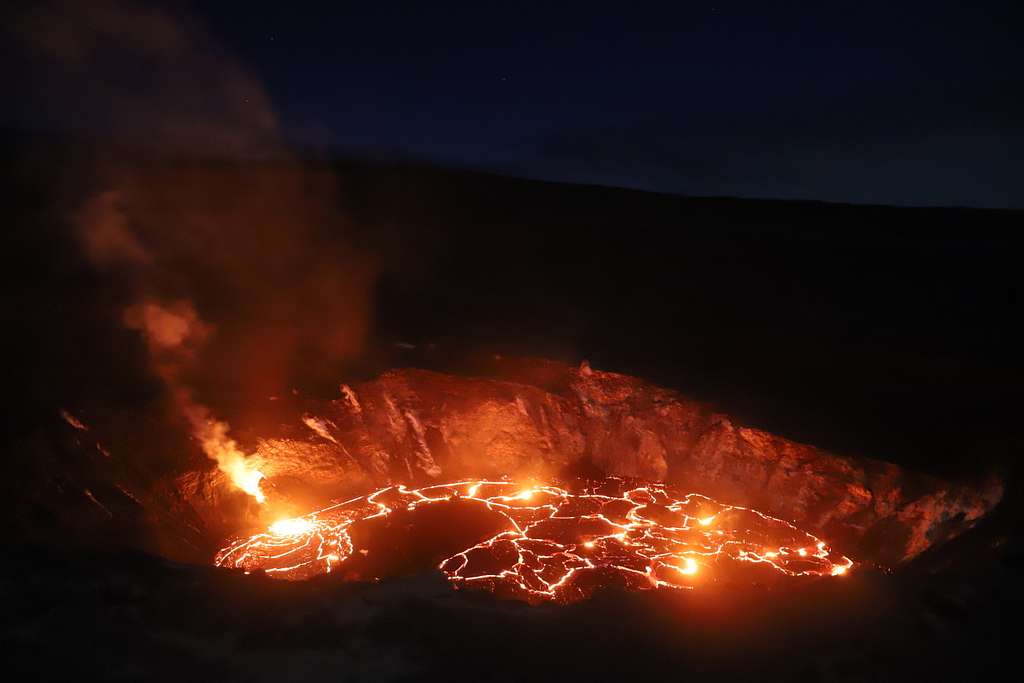
Thermal cameras showed shifts in the lava lake’s crust patterns, with new cracks spreading across its surface. These changes revealed tension building beneath the hardened top layer. Scientists interpreted the shifting pattern as evidence of rising internal pressure forcing the molten lake to adjust continuously.
Because the lake acts as a visual gauge of deeper activity, the rapid changes raised further concern. The movement suggested that magma entering the system exceeded what the lake could release through normal activity. Each new crack hinted at strengthening pressure with potential for rapid surface disruption.
7. Emergency shelters prepared for high population inflow.
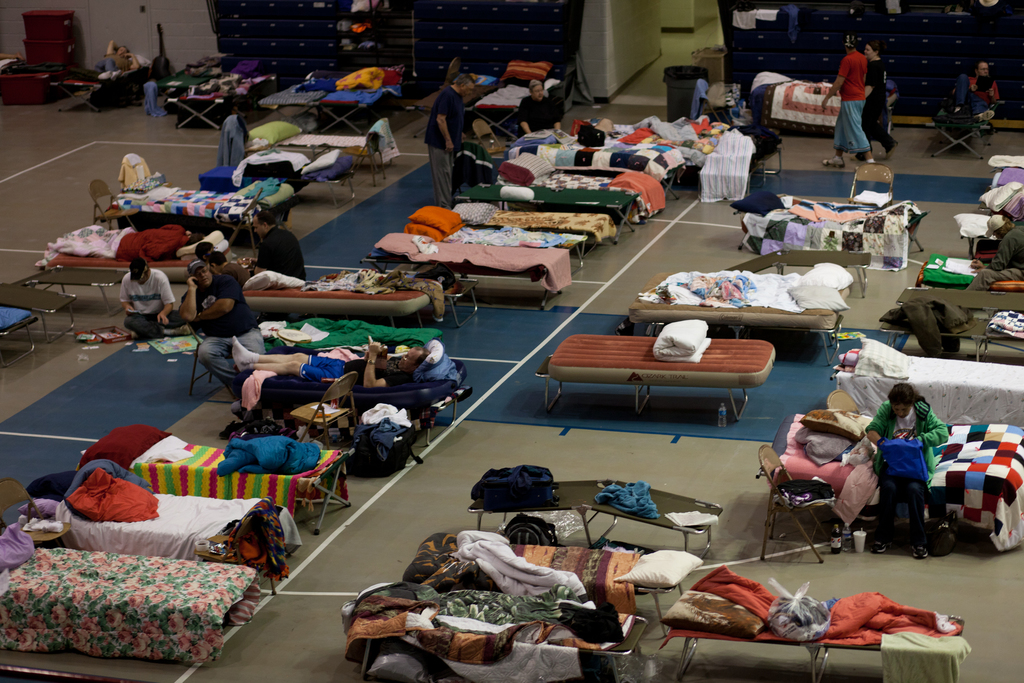
As warnings intensified, schools and community centers across Puna and Ka‘ū counties activated emergency shelter plans. Staff stocked supplies, reviewed registration procedures and prepared for potential overnight stays. Although no evacuation had been ordered, officials wanted capacity ready for thousands of residents living in lava prone zones.
The shelters served as reassurance for families who experienced major eruptions in past years. Many remembered the speed at which earlier events displaced entire neighborhoods. The preparations helped maintain calm by demonstrating readiness for any scenario the volcano presented.
8. Air quality monitors tracked rising levels of volcanic haze.
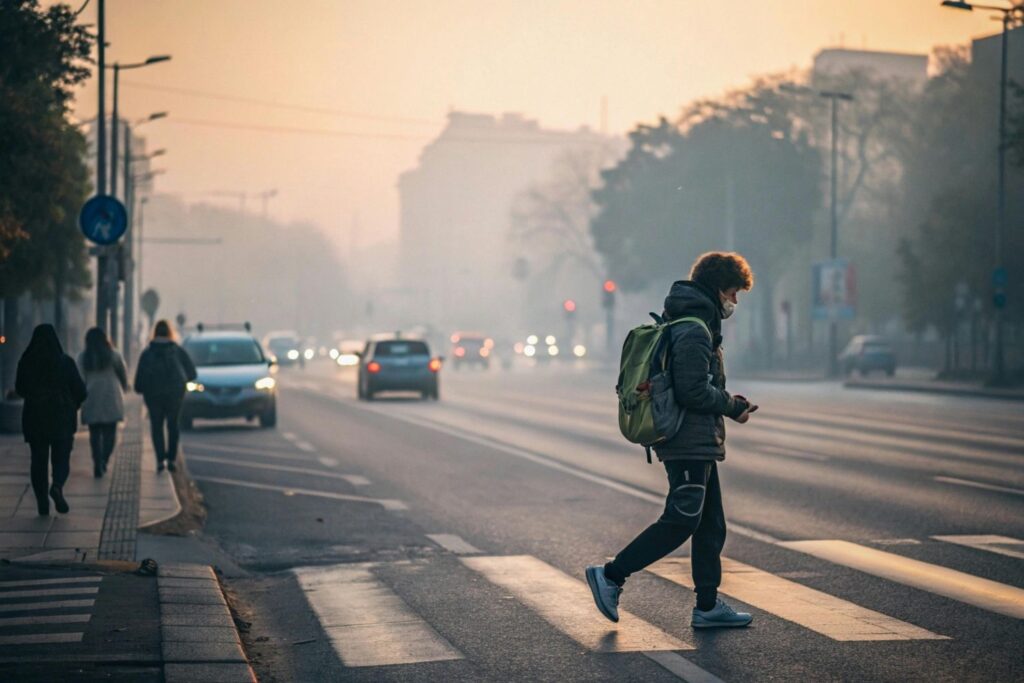
Vog spread quickly across downwind communities as sulfur dioxide and fine particles drifted from the summit. Residents with respiratory conditions received alerts urging them to stay indoors or relocate temporarily. Schools prepared to modify outdoor activities depending on haze levels throughout the day.
Scientists monitored wind patterns to predict where the densest vog might settle. The shifting conditions highlighted how even moderate volcanic gas output could affect daily life. The situation underscored the need for rapid communication and flexible planning during heightened volcanic activity.
9. Scientists feared the lava column was nearing a critical threshold.
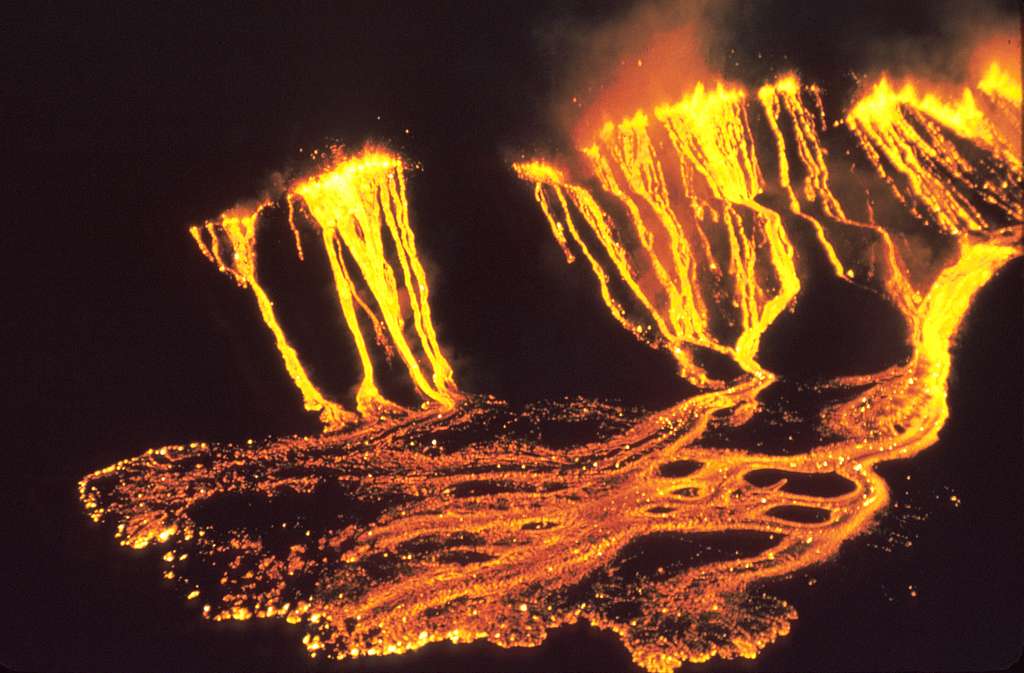
Models indicated that the rising column of magma beneath Halemaʻumaʻu might soon encounter a narrow constriction in the vent. If this occurred, pressure could spike sharply, increasing the odds of a vertical blast. Researchers compared the data to previous eruptions where similar constrictions led to sudden explosive releases.
This possibility drove the more cautious tone from officials. The next hours or days could determine whether the system stabilized or pushed toward eruption. The uncertainty left communities in alert mode as monitoring intensified.
10. The situation left the island waiting for a decisive shift.
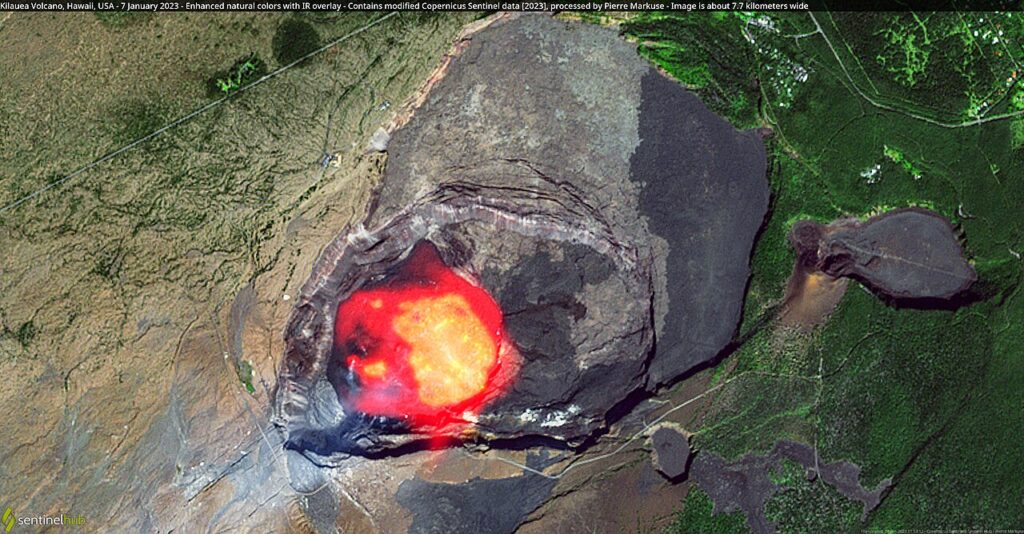
Despite the tension, scientists stressed that volcanic systems can stall or reverse course unexpectedly. The pressure may release slowly without producing a blast. Still, the convergence of seismic activity, gas output and rapid ground inflation created a scenario that demanded caution.
Residents remained ready as the volcano revealed only fragments of its next move. For now, the island watched the summit closely, knowing that even subtle signals could mark the turning point between calm and chaos.