
A secret realm shaped by unusual insect alliances.

Ant societies reveal unexpected agricultural patterns as workers nurture, defend, and relocate insects that offer steady nutrition. These interactions unfold in forests, orchards, grasslands, and tropical understories where small bodies cluster on stems and roots. Scientists in Europe, Asia, and South America continue to map these exchanges, noting how coordinated many of the routines appear. Once you start paying attention, it becomes clear that these insects gain safety while ants gain stability, creating relationships that feel both ancient and surprisingly dynamic.
1. Certain ant colonies manage aphids with organized consistency.

Aphids move slowly along stems while ants keep them close, guard them from predators, and collect honeydew. The relationship unfolds quietly in gardens and woodlands where the exchange repeats for months. The structure becomes even clearer according to National Geographic, which highlights how ant patrols defend the clusters from hungry predators midseason.
Over time these interactions deepen as ants carry aphids to fresh growth, shelter them from storms, and relocate them during drought. Colonies thrive when this food source stays reliable, giving workers a dependable supply of sugars that helps the nest survive long stretches when nectar becomes difficult to find.
2. Some ants transport mealybugs between roots with careful purpose.
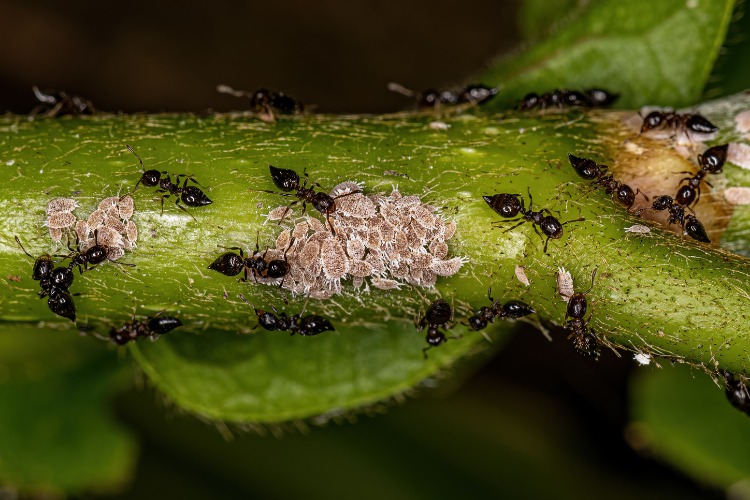
Mealybugs nestle among plant roots while ants guide them through underground passages that twist through soft soil. Researchers in tropical regions often find mealybugs arranged in tidy groups tended by workers that groom them and collect honeydew. Science News describes this cooperation as a structured exchange revealed most clearly in dense rainforest soils.
As the season shifts, ants move mealybugs toward healthier roots, ensuring the colony maintains a dependable carbohydrate source. When predators approach, workers seal tunnels and reorganize chambers to maintain stability. The rhythm of care continues through wet and dry periods, giving both partners resilience in a constantly changing environment.
3. Several species breed scale insects with remarkable commitment.

Scale insects cling to bark while ants position them on new branches where sap flows steadily. Surveys in Southeast Asia show colonies returning repeatedly to the same trees, expanding scale clusters and guarding them from parasitic wasps. The precision of the behavior becomes clearer as reported by BBC Earth, which describes the tight protection surrounding these insects.
As months pass, ants reorganize the clusters as trees grow, shifting insects toward shaded areas that prevent overheating. The partnership offers the colony a long lasting energy source, and the scale insects gain strong defenders. This quiet maintenance increases the survival of both groups during unpredictable weather cycles.
4. Young ants internalize tending skills through constant exposure.
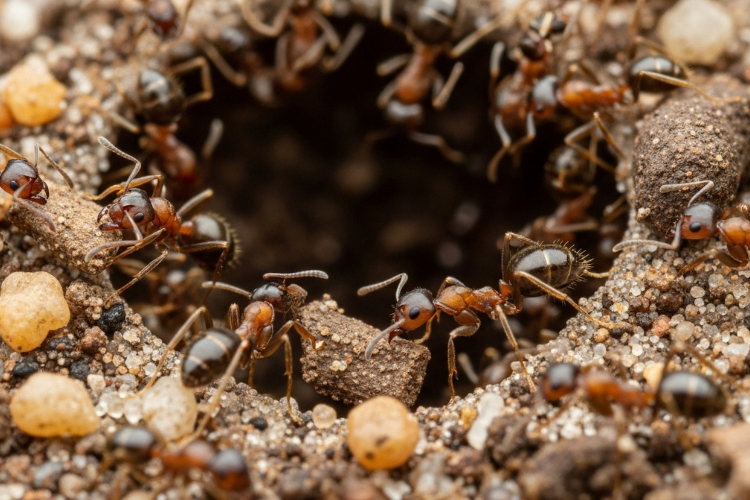
Inside a nest, young workers watch experienced ants clean insects, position them correctly, and respond when predators get close. These cues shape their instincts before they ever leave the colony’s interior chambers. The learning happens wordlessly as workers mirror what they observe, repeating motions until they become routine.
Once the new workers join outside patrols, the entire system becomes self sustaining. Each generation inherits techniques rooted in the colony’s history, creating continuity even when environmental pressures shift suddenly. This quiet transmission of knowledge helps colonies stay steady during storms or droughts that could otherwise destabilize insect partners.
5. Many ants defend their partner insects with intense coordination.
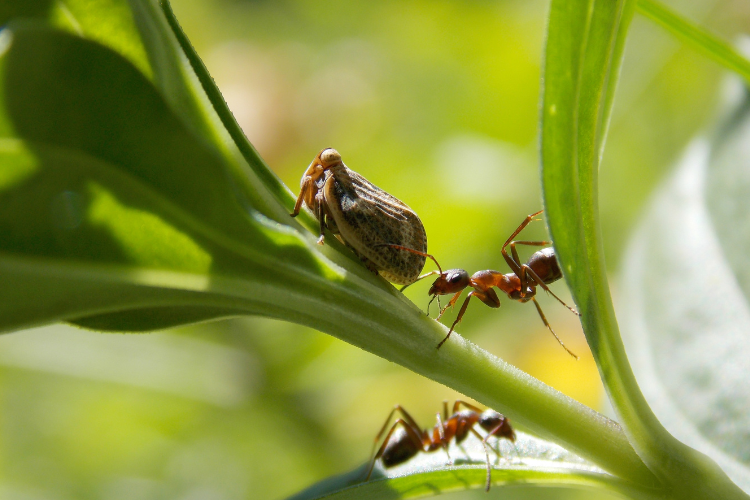
When predators such as lady beetles or lacewing larvae approach, ant workers cluster quickly around their insect partners. They lift aphids or scale insects to safer spots while blocking access with their bodies. These fast responses help maintain food sources that matter deeply during lean months.
The defense often continues for hours when threats repeat. Workers learn where attacks occur and strengthen those locations by widening tunnels or adjusting guard positions. The protection feels almost strategic as colonies reinforce routines that shield their partners and preserve the delicate relationships supporting long term nest stability.
6. Some colonies reshape plant surfaces to shelter valued insects.

Workers modify small crevices on stems or open bark layers to create safer spots for insects that produce honeydew. These adjustments give aphids or scale insects secure chambers away from wind and predators. The small architectural changes accumulate gradually, forming tiny shelters that remain protected through multiple seasons.
Over time these structures grow into networks of microchambers. Each becomes part of a larger system that the ants patrol regularly. The shelters also buffer temperature swings, keeping insects alive during shifts that might kill unprotected clusters. This quiet engineering ultimately enhances the colony’s ability to maintain a stable food source.
7. Ant workers guide insects along stems with subtle movements.

Workers tap their antennae near aphids or scale insects to encourage relocation toward better feeding sites. These gentle signals create directed lines of movement that shift entire groups. Researchers note the calm precision of these moments when insects follow chemical cues and settle where sap pressure is strongest.
Once groups reach better positions, ants adjust spacing so every insect feeds efficiently. The migration may repeat several times a season as plants change. Each shift reveals how flexible the partnership can be, with ants continually updating the layout to keep production steady even during unpredictable growth cycles.
8. Colonies relocate insect partners into soil chambers during harsh seasons.

When cold or drought threatens survival, workers gather their insect partners and carry them underground where humidity and temperature stay stable. These movements happen quickly, sometimes within hours of environmental shifts. The soil chambers protect insects while giving ants consistent access to honeydew.
Throughout these sheltered weeks, workers maintain clean surroundings and reorganize chambers when moisture levels fluctuate. Once conditions improve, ants return the insects to surface plants with practiced ease. This cycle of removal and return forms a seasonal rhythm that strengthens the long term survival of both colonies and their partners.
9. Ants regulate insect populations to match shifting conditions.

Workers increase or reduce aphid or scale insect numbers depending on plant health and seasonal food shortages. When resources expand, colonies allow populations to grow and spread across multiple stems. When scarcity rises, ants consolidate insects into small clusters that require less protection.
This quiet regulation prevents energy waste during difficult periods. Workers focus defense on fewer sites, improving efficiency as environmental pressures increase. Such adaptive behavior gives colonies the flexibility to endure fluctuations in weather, predation, and plant growth without losing the nutritional support provided by their insect partners.
10. Entire ecosystems shift in places where these partnerships dominate.
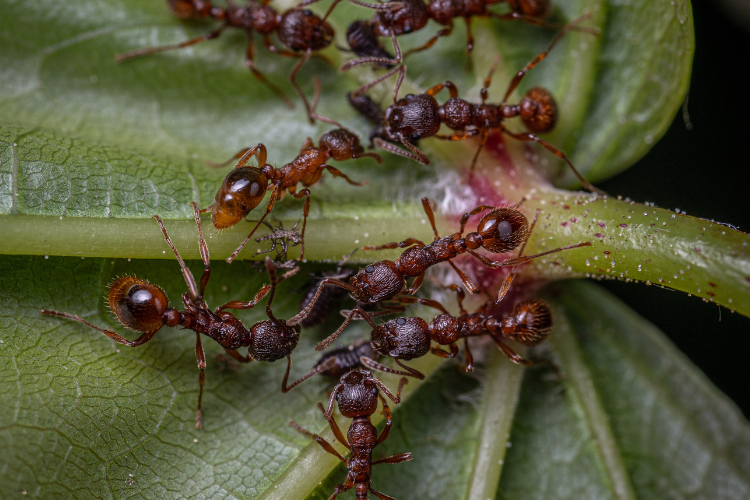
Forests and grasslands develop differently when ant managed insects change sap flow patterns on plants. Predators modify hunting routes, and plants adjust chemical defenses. These subtle shifts accumulate over years, influencing everything from soil microbes to bird foraging patterns.
As the partnerships persist, landscapes reorganize around them. Birds may nest near ant traffic routes, while spiders build webs where insect clusters attract prey. Each species responds to the modified environment, forming a mosaic of interactions shaped quietly by ants tending the tiny creatures that sustain their colonies.