
Quiet behaviors often hide serious physical strain.

Dogs rarely announce pain clearly. They adapt instead. At home, on walks, and during familiar routines, many dogs continue functioning while their bodies quietly compensate. The real risk is not sudden injury but delayed recognition. Subtle changes in movement, rest, and interaction often appear weeks before obvious symptoms. By the time limping, crying, or refusal becomes clear, pain has usually reshaped behavior for some time. The signs are easy to dismiss, which is exactly why they matter.
1. Movement slows in ways that feel easy to miss.

Some dogs continue daily routines while movement subtly changes at home. They pause before standing, hesitate on stairs, or shift weight strangely when turning. These moments pass quickly, blending into normal life, yet they mark the earliest stage where pain influences behavior without obvious limping or vocal distress appearing outwardly quietly early.
Veterinary clinicians often see this pattern long before owners worry. According to the American Veterinary Medical Association, dogs frequently mask musculoskeletal pain through hesitation rather than limping, allowing arthritis or ligament injuries to progress silently for months before recognition occurs during ordinary walks, stairs, greetings, and daily household routines at home.
2. Sleeping positions shift without any obvious explanation.
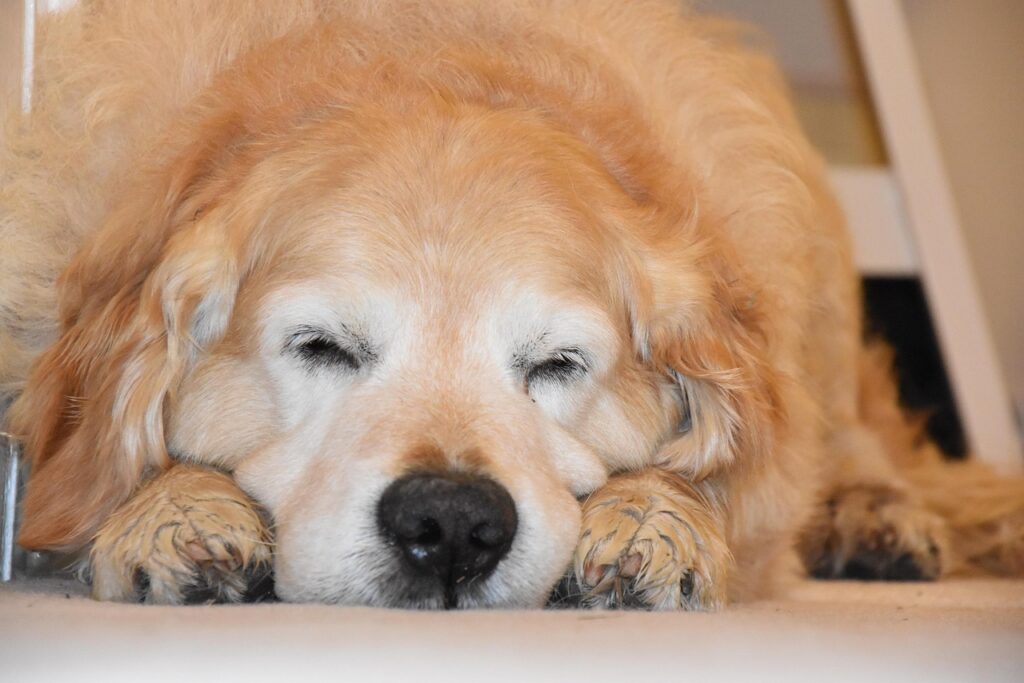
At rest, dogs may sleep often yet never seem comfortable. They stretch awkwardly, curl tightly, or wake repeatedly to reposition through the night. These quiet disruptions feel minor, but they suggest the body is avoiding pressure on sensitive areas, revealing discomfort long before daytime behavior draws concern from attentive owners nearby.
Pain often surfaces first when movement stops and muscles relax. During rest, orthopedic, spinal, or abdominal strain cannot be masked by momentum. Subtle posture changes help redistribute weight, reduce tension, and protect sore regions, signaling problems that remain invisible while dogs continue walking, playing, eating, and greeting people normally each day.
3. Social distance replaces affection without clear warning.

Some dogs slowly stop seeking closeness without dramatic warning signs. They rest farther away, tolerate petting briefly, or avoid certain touches. The change feels emotional, yet it often reflects physical discomfort that makes contact unpredictable and risky, especially when movement or pressure might worsen pain during ordinary interactions at home daily.
According to the American College of Veterinary Surgeons, pain involving joints, spine, or internal organs commonly drives withdrawal. Distance allows dogs to control contact, prevent sudden pressure, and protect sore areas long before growling, snapping, or overt defensive behavior appears during handling, grooming, or routine household movement around people nearby.
4. Grooming patterns change in uneven telling ways.
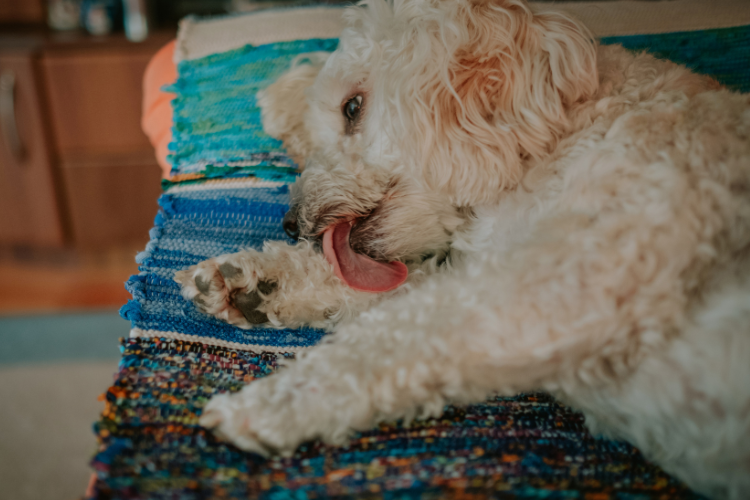
Dogs in pain may groom regularly yet not with balance. Some areas are ignored while others receive constant licking. Fur texture shifts, mats form, and saliva stains appear without parasites or skin disease. These uneven patterns develop quietly, hinting that normal movement or reach has become uncomfortable, limited, or strained.
Restricted flexibility often determines which areas receive attention. Pain makes twisting, bending, or reaching difficult. Avoided spots frequently match painful joints or muscles, while repeated licking briefly soothes irritation. Over time, the coat becomes a subtle record of how discomfort shapes movement, posture, rest, and daily self care habits overall.
5. Eating continues but mechanics subtly look different.

Many dogs keep eating while the act itself changes. They lower the head slowly, drop food, or pause between bites. These brief moments disappear inside routine, but they signal that chewing, swallowing, or posture now feels uncomfortable even though hunger and enthusiasm remain intact during regular meals each day still.
Pain in the mouth, neck, or stomach alters mechanics. Dental disease, cervical strain, or nausea can make eating awkward without reducing appetite. Dogs persist because calories matter, yet their bodies adapt cautiously, revealing discomfort through slowed, careful movement rather than refusal, weight loss, or dramatic feeding changes owners expect first typically.
6. Irritability appears during routines once handled calmly.

Irritability often appears during routines once handled calmly. Nail trims, harnessing, lifting, or being asked to move may trigger tension, freezing, or avoidance. These reactions feel sudden and personal, yet they signal shrinking tolerance. Pain lowers patience, making ordinary handling feel risky, unpredictable, and worth resisting before discomfort escalates further.
The response is protective rather than behavioral. Dogs anticipate pain and set boundaries early. What looks like stubbornness is caution. Addressing the physical cause often restores tolerance. Ignoring it teaches the dog that warning signals fail, increasing the chance of defensive reactions later during care, training, or emergency handling situations.
7. Breathing patterns change while the dog rests.

At rest, breathing may become shallow, uneven, or slightly faster. During walks or play it seems normal. This contrast hides pain driven stress. Subtle respiratory shifts reflect tension within the body, especially when muscles relax and internal discomfort surfaces without movement masking underlying strain during sleep cycles nightly periods quietly.
Pain activates stress pathways even without exertion. Abdominal inflammation, spinal issues, or injury can alter breathing rhythms subtly. Because exercise still looks normal, concern is delayed. Watching resting respiration over time can reveal hidden problems earlier than mobility changes, appetite loss, or visible distress signals in domestic dogs today often.
8. Play interest fades while awareness remains intact.

A dog may still watch toys or follow movement but stop short of engaging. Interest remains, yet action disappears. The pause feels like mood change, though it reflects calculation. Play demands flexibility, speed, and trust. Pain interrupts confidence, encouraging stillness over movement to avoid triggering discomfort during active moments daily.
Choosing observation protects the body while preserving awareness. Dogs remain mentally engaged, tracking environment without strain. Owners may mistake restraint for disinterest. In reality, pain teaches conservation. Restoring comfort often revives play quickly, revealing how willingness depends less on age or temperament than physical readiness and sound movement ability overall.
9. Bathroom posture shifts without obvious accidents.

Elimination still happens, yet posture changes. Squatting looks tense, alignment shifts, or repositioning repeats before finishing. These adjustments suggest pain during flexion. Because results appear normal, effort goes unnoticed. Over time, discomfort increases, leading to avoidance, delay, or accidents that finally draw attention from observant caregivers within familiar home routines.
Joint stiffness, spinal strain, or abdominal pain often surface here first. The act requires balance and flexibility. Dogs persist quietly until effort outweighs tolerance. Early recognition matters. Changes in bathroom posture frequently precede limping or appetite loss, offering an early window for assessment and intervention before conditions worsen significantly further.
10. Personality changes feel gradual rather than dramatic.
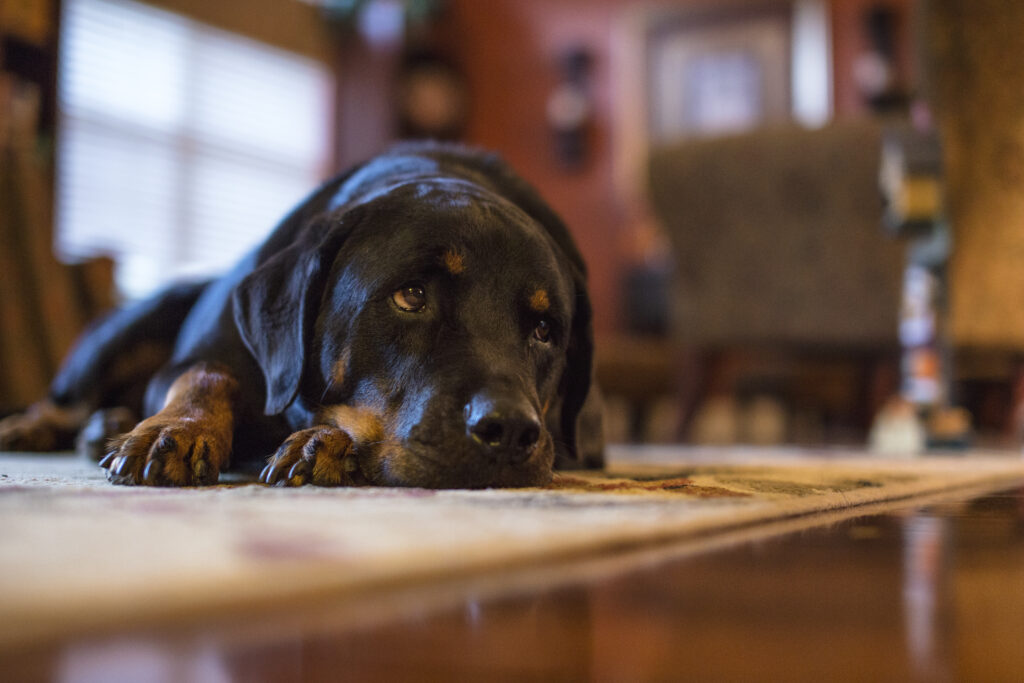
Personality shifts unfold slowly, almost invisibly. A dog seems quieter, less expressive, or more serious. Nothing specific alarms observers. The change feels like aging. Yet pain reshapes behavior gradually, replacing ease with caution as the dog adapts routines to minimize discomfort across daily life within familiar environments over extended time.
Compensation hides suffering effectively. Dogs adjust movement, interaction, and expression to cope. By the time distress is obvious, pain may be entrenched. Recognizing gradual personality change as information rather than temperament allows earlier care. Addressing pain can restore demeanor, mobility, and engagement before decline becomes permanent in many cases today.