
A vast reservoir reshapes our understanding today.
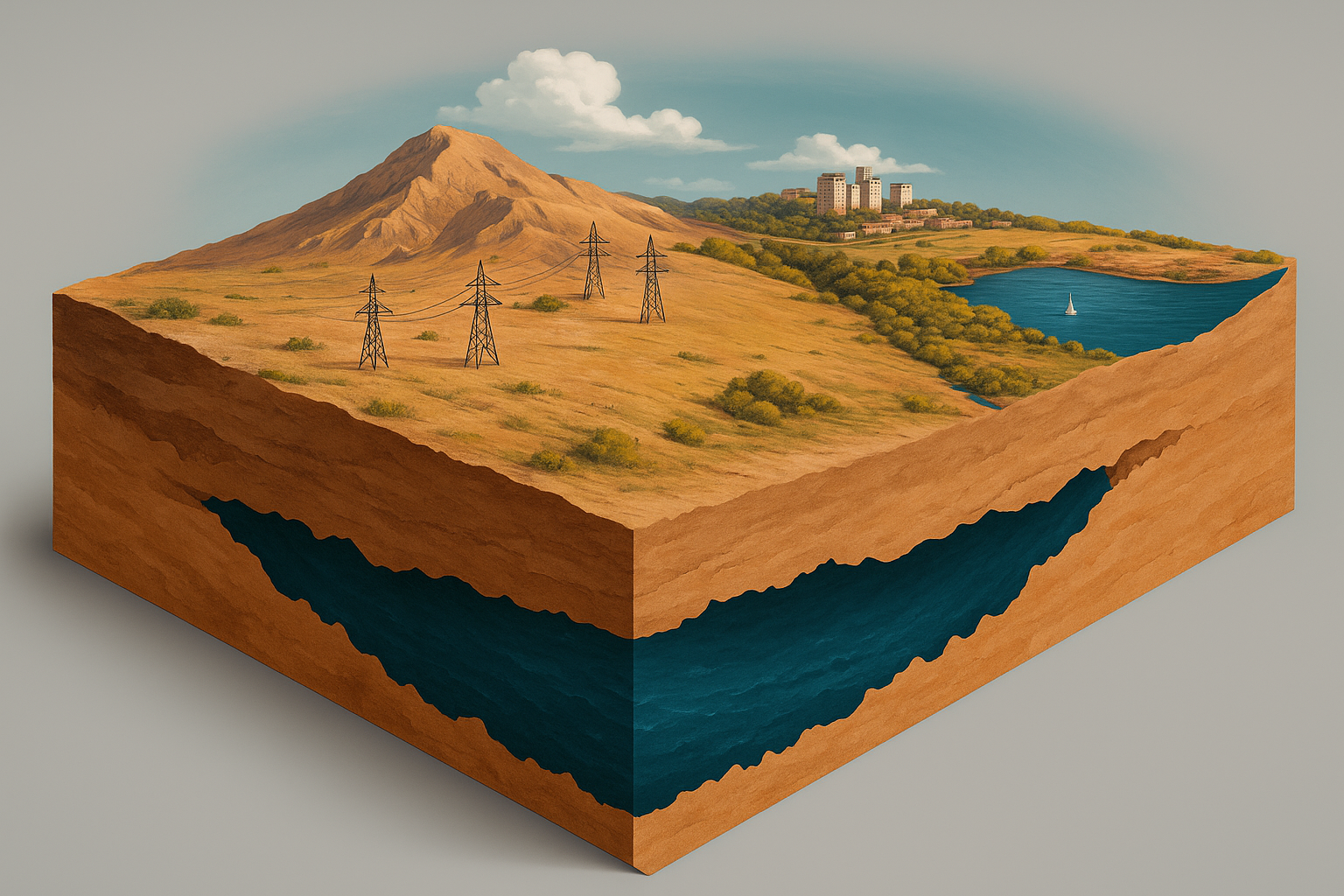
For years geophysicists suspected that Earth held more water locked deep within its interior than the surface oceans ever revealed. Now new evidence confirms that a massive reservoir sits hundreds of miles down in the transition zone between the upper and lower mantle. It does not look like the oceans we know, yet it may hold as much water as all of them combined. The discovery challenges how our planet formed, how it cycles water and how fragile the surface environment truly is.
1. The discovery began with unexpected seismic signatures.

Researchers noticed shockwave patterns from distant earthquakes bending in ways that suggested trapped water inside mantle minerals. As reported by Nature, these signals pointed toward a layer saturated with water rich structures rather than dry rock. It was a subtle clue but it forced seismologists to rethink their entire model of the mantle’s interior.
When seismic waves slow, they reveal density shifts. This slowdown suggested that the region nearly four hundred miles down contains material holding enormous amounts of water. The planet’s interior no longer seemed like a uniform shell but a layered system with hidden reservoirs.
2. A rare mineral sample confirmed water locked deep below.
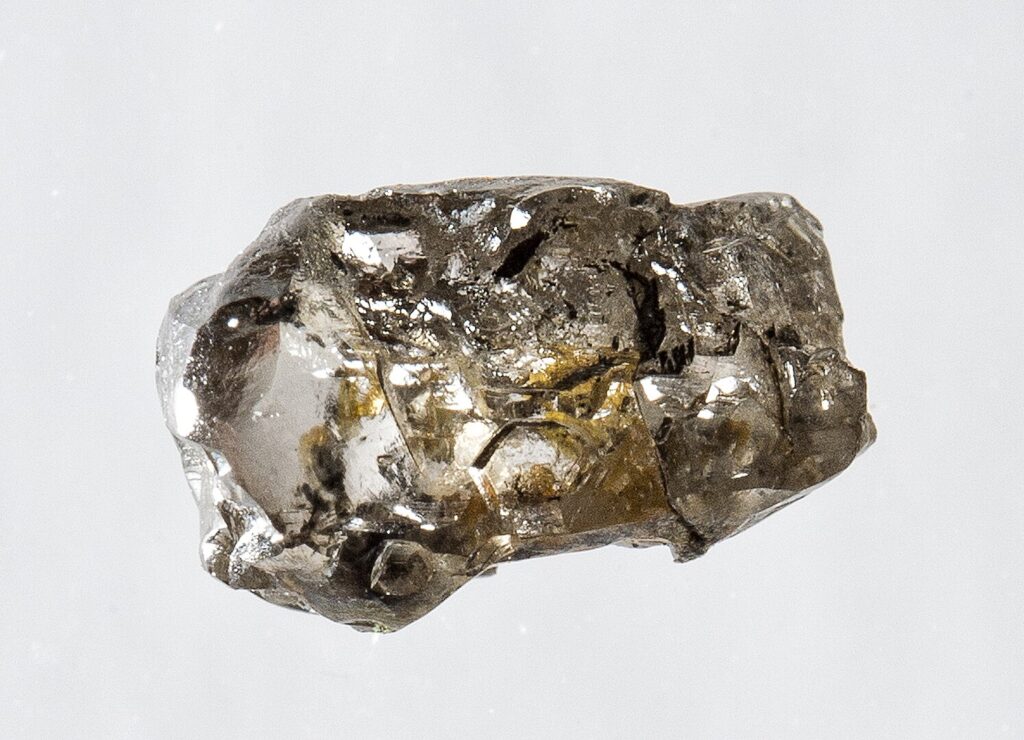
A diamond found in Brazil contained a mineral called ringwoodite, which only forms under extreme pressure. As stated by Science Magazine, the ringwoodite was filled with hydroxyl groups that indicated high water content. This was the first physical proof that the deep mantle could store water on a massive scale.
The diamond carried clues from a part of Earth unreachable by drilling. Its chemistry revealed that the mantle behaves like a sponge capable of retaining water in solid form. The discovery made the hidden ocean concept more than a theory and opened new paths of investigation.
3. The mantle’s transition zone acts like an enormous reservoir.
Scientists studying mantle convection realized that this transition zone, between four hundred and seven hundred miles deep, contains minerals that naturally absorb water. As discovered by the Geological Society of America, this zone may hold an amount of water comparable to Earth’s surface oceans. It functions as a concealed storehouse regulating planetary processes.
Water changes how rock melts, moves and releases heat. A reservoir at this scale influences volcanic activity, plate movement and the long term cycling of gases. The transition zone becomes a quiet engine guiding Earth’s behavior from below.
4. This reservoir changes how Earth may have formed.
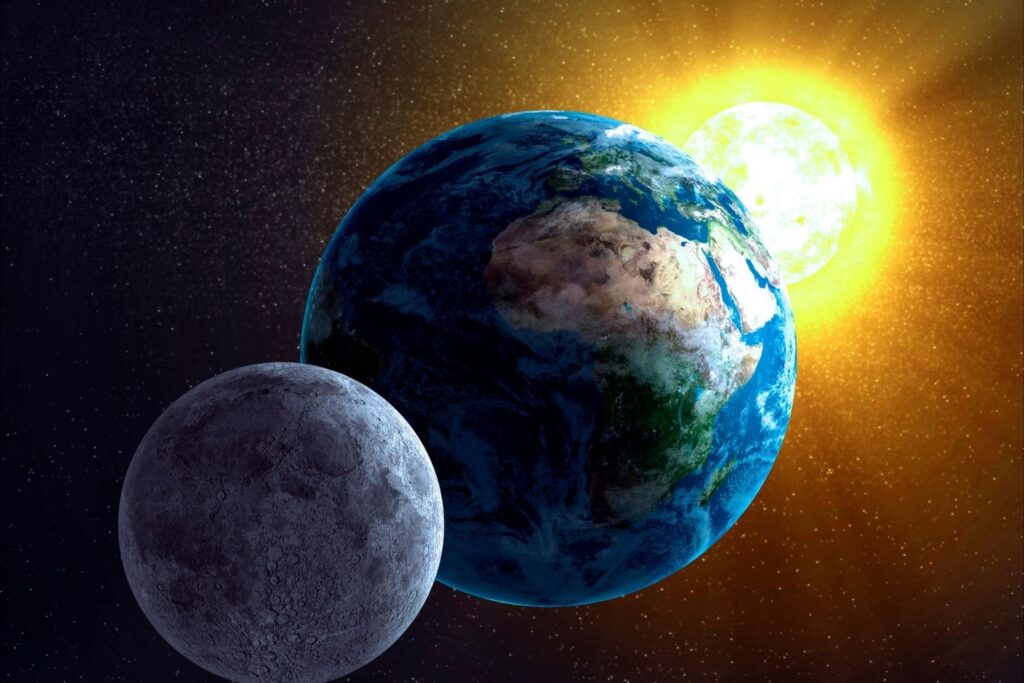
If Earth’s interior held water from the beginning, early oceans may not have come only from comets or surface outgassing. Instead the planet might have released water upward as it cooled. This challenges old narratives about ocean formation and forces scientists to consider more complex origins.
The deep mantle could have acted as a stabilizing vault, releasing moisture slowly as the crust hardened. That would explain why Earth retained water long enough for life to emerge while other planets dried out or froze.
5. It also shifts theories about volcanic behavior.
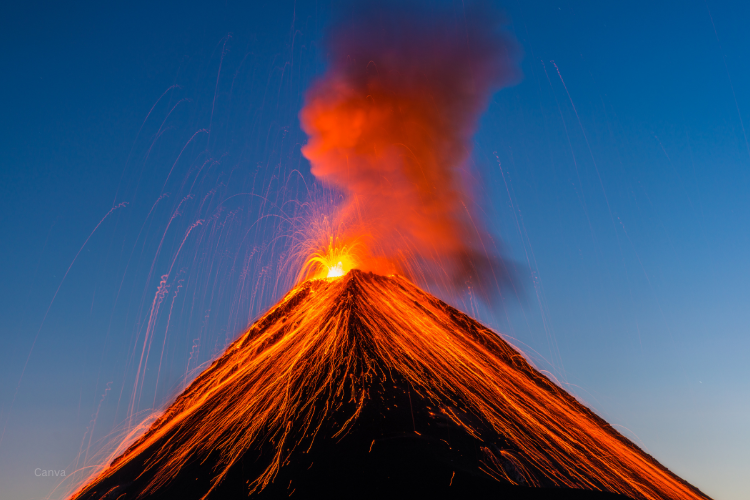
Volcanoes erupt differently when water is locked within rising magma. A hydrated mantle source can produce more explosive events due to rapid expansion of gases. The hidden reservoir therefore plays a quiet but powerful role in shaping volcanic chains along the Pacific and other regions.
Studying mantle water levels may help forecast long term volcanic patterns. If pockets of the transition zone shift or heat unevenly, entire volcanic arcs could behave differently than surface measurements suggest.
6. Mantle water may influence plate movement.
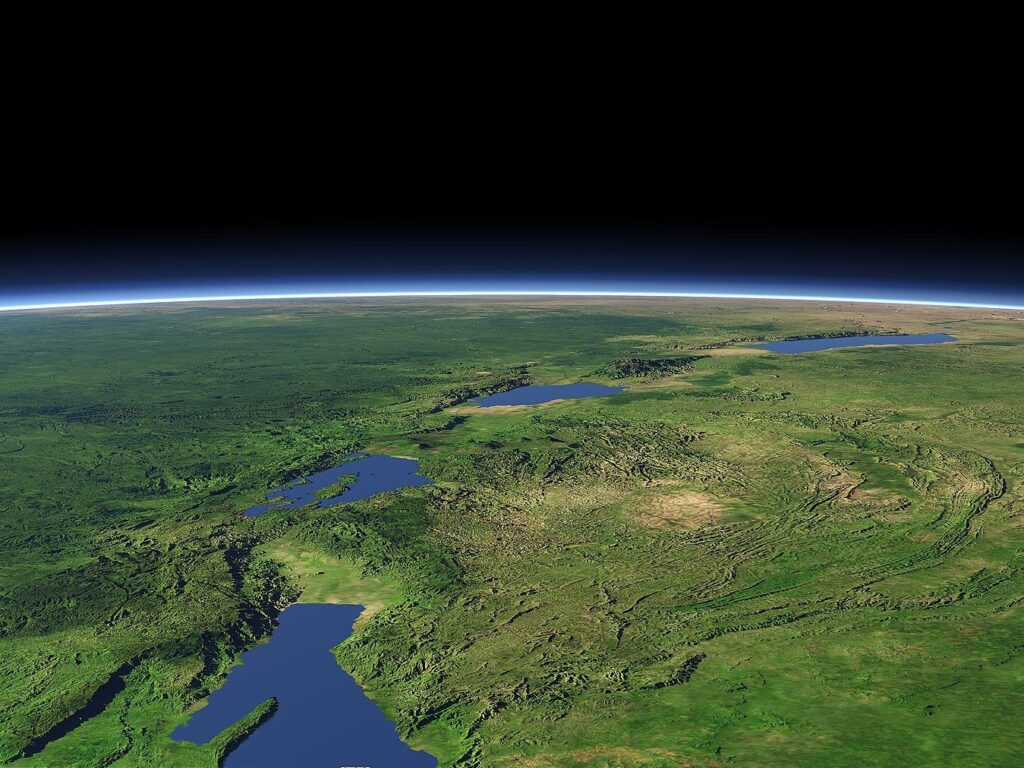
Water reduces friction between moving slabs of crust. When deep rock contains water, plates can slide, bend or subduct more easily. This changes the speed of tectonic drift and the frequency of major earthquakes over long timescales.
If the hidden ocean shifts or warms, it could alter stress patterns across continents. That means some ancient tectonic puzzles, such as sudden plate accelerations, may trace back to water rich zones far below the crust.
7. The reservoir alters how scientists view Earth’s carbon cycle.

Water rich mantle regions help transport carbon deep into the planet during subduction. When that carbon returns through volcanic vents, it influences climate over millions of years. A massive reservoir deep underground therefore acts as a moderator of atmospheric conditions.
Understanding its movement can reveal why Earth remained habitable while nearby planets lost stability. The hidden ocean becomes a climate partner operating on timescales too vast for direct observation.
8. This discovery raises questions about early life conditions.
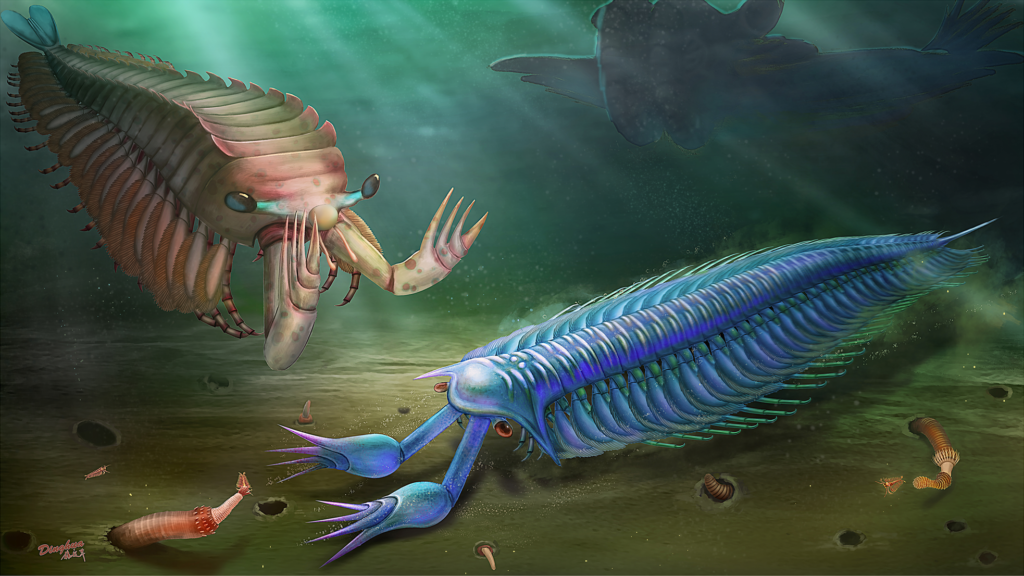
If water cycled between deep layers and the surface, early oceans may have fluctuated in ways that shaped primitive ecosystems. Water chemistry, temperature and nutrient levels would all depend partly on mantle behavior.
Such shifts might explain sudden evolutionary bursts or long periods of stability. The deep reservoir could have quietly shaped the conditions that allowed life to adapt and diversify.
9. Future earthquakes may reveal more about its boundaries.

Each major quake sends waves through the transition zone, offering data on where water is stored and how it moves. New imaging techniques can map these zones with greater clarity, allowing researchers to trace underground currents that change slowly over time.
As instruments grow more sensitive, scientists expect to find pockets of higher or lower water content. These maps will act like sonar for the deep Earth, showing a hidden world that shapes surface conditions from below.
10. The hidden ocean forces a new view of our planet.

Earth is not a dry rock covered by a thin layer of water. Instead it behaves like a layered water bearing system with reservoirs stretching far beneath the crust. This perspective changes everything from planetary modeling to climate history.
The idea reshapes Earth science by revealing an interior far more dynamic than imagined. Beneath our feet lies a world of stored water influencing heat, movement and the conditions of life in ways scientists are only beginning to understand.