
The object did not belong where it rested.

In the mountains of central Norway, a hiker noticed a length of worked wood and stone emerging from melting ground during a late summer trek. The area, long used for grazing and migration, rarely reveals human artifacts. At first glance, the object looked broken, useless, and out of time. Still, its placement felt deliberate. The hiker reported the find to local authorities, triggering a careful investigation. What followed revealed a forgotten system built for survival, and consequences that once followed closely behind it.
1. The object emerged where ice had recently retreated.

The device appeared as seasonal ice pulled back from a high mountain pass. Its sudden exposure suggested long concealment beneath snow and frozen ground. The hiker sensed fragility and stopped short of touching it, uncertain whether it was dangerous or protected.
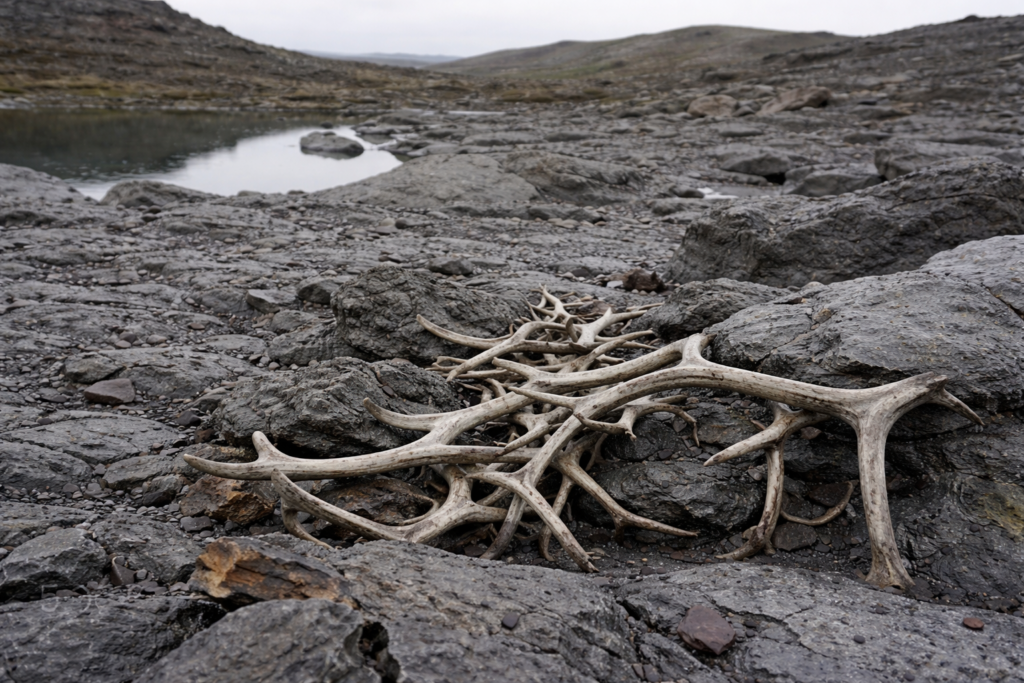
Archaeologists later confirmed that melting ice often reveals preserved artifacts. In this region, ice loss has exposed tools dating back more than a millennium. The timing explained why the object remained hidden until now, though its purpose remained unclear initially.
2. Early examination suggested deliberate mechanical design.

The object included shaped wooden components fitted together with stone weights. Nothing about it seemed decorative or symbolic. Its form suggested function, precision, and repetition.
Experts recognized familiar construction techniques used in early Nordic hunting systems. The design hinted at motion and force rather than storage or shelter. Still, no single piece explained the whole structure, raising questions about how it once operated in the open landscape.
3. Its placement aligned with ancient migration routes.

The device sat along a natural funnel between ridges. Animals moving through the pass would have little room to deviate. The location appeared intentional rather than accidental.
Historical studies show reindeer herds followed the same routes for thousands of years. Early hunters understood these paths intimately. Placing equipment here would have increased effectiveness dramatically, but also increased the risk of unintended outcomes.
4. Wear patterns indicated repeated heavy use.

The wood showed smoothing in specific areas, while stone components bore impact marks. These signs suggested repeated activation rather than one time deployment.
Such wear implies long term use across seasons. Archaeologists noted that maintenance would have been required, meaning the device was part of a larger hunting system. Its continued use increased efficiency but also raised the likelihood of fatal accidents involving both animals and people.
5. Researchers identified it as part of a pit trap system.

Further excavation revealed anchor points nearby. Together, the elements formed part of a concealed trap designed to funnel reindeer into deep pits.
These systems were effective but unforgiving. Animals fell and were unable to escape. Humans navigating the same terrain risked falling as well, especially during snow cover or low visibility conditions common in mountain environments.
6. Historical records describe fatal accidents near such traps.
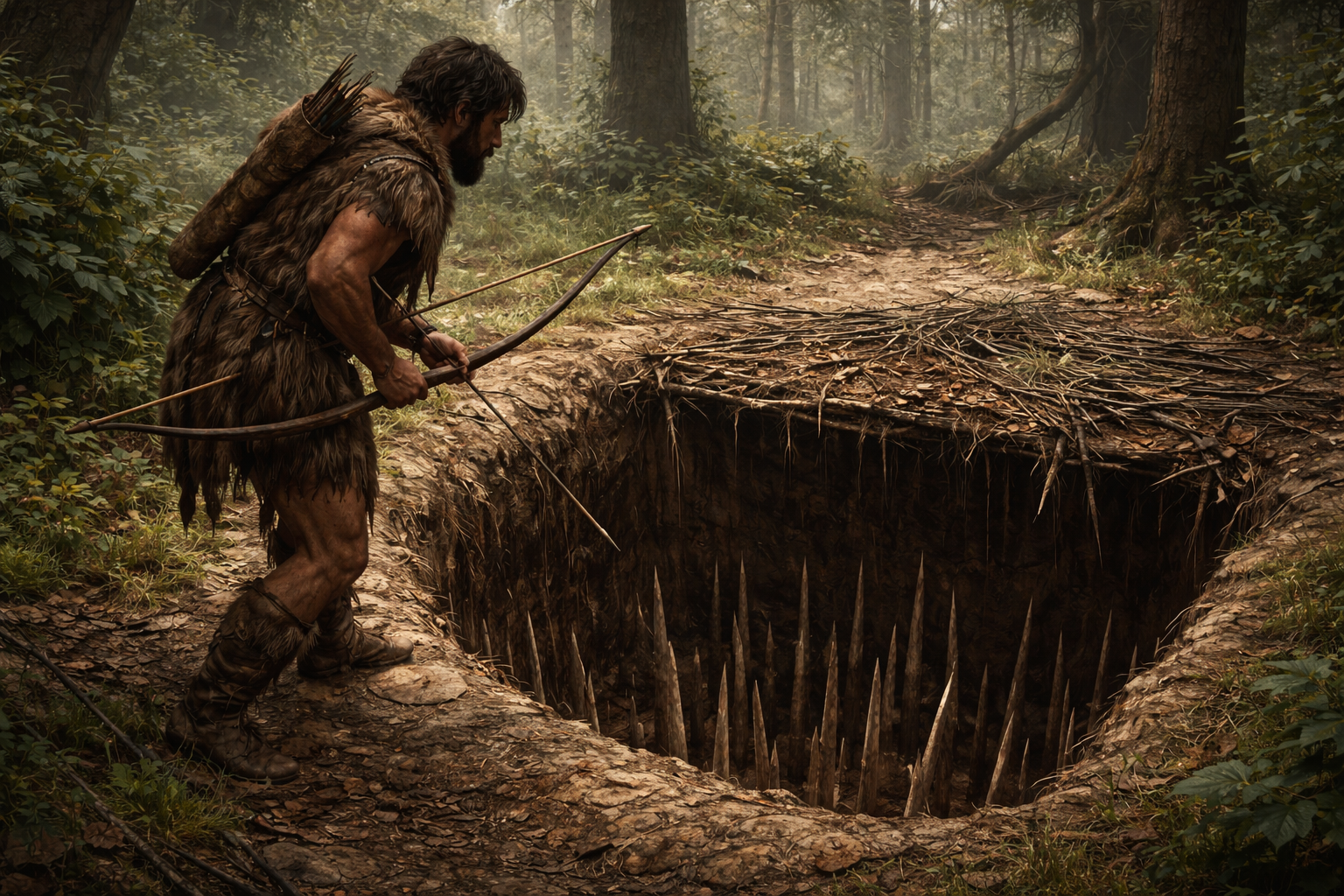
Old oral histories and later written accounts reference hunters and travelers dying after falling into hidden pits. These were known hazards even in their own time.
The trap type balanced survival needs against constant danger. Communities accepted the risk because food security depended on success. The tragedy linked to the device lies in this compromise between nourishment and loss.
7. Construction required coordinated group effort.
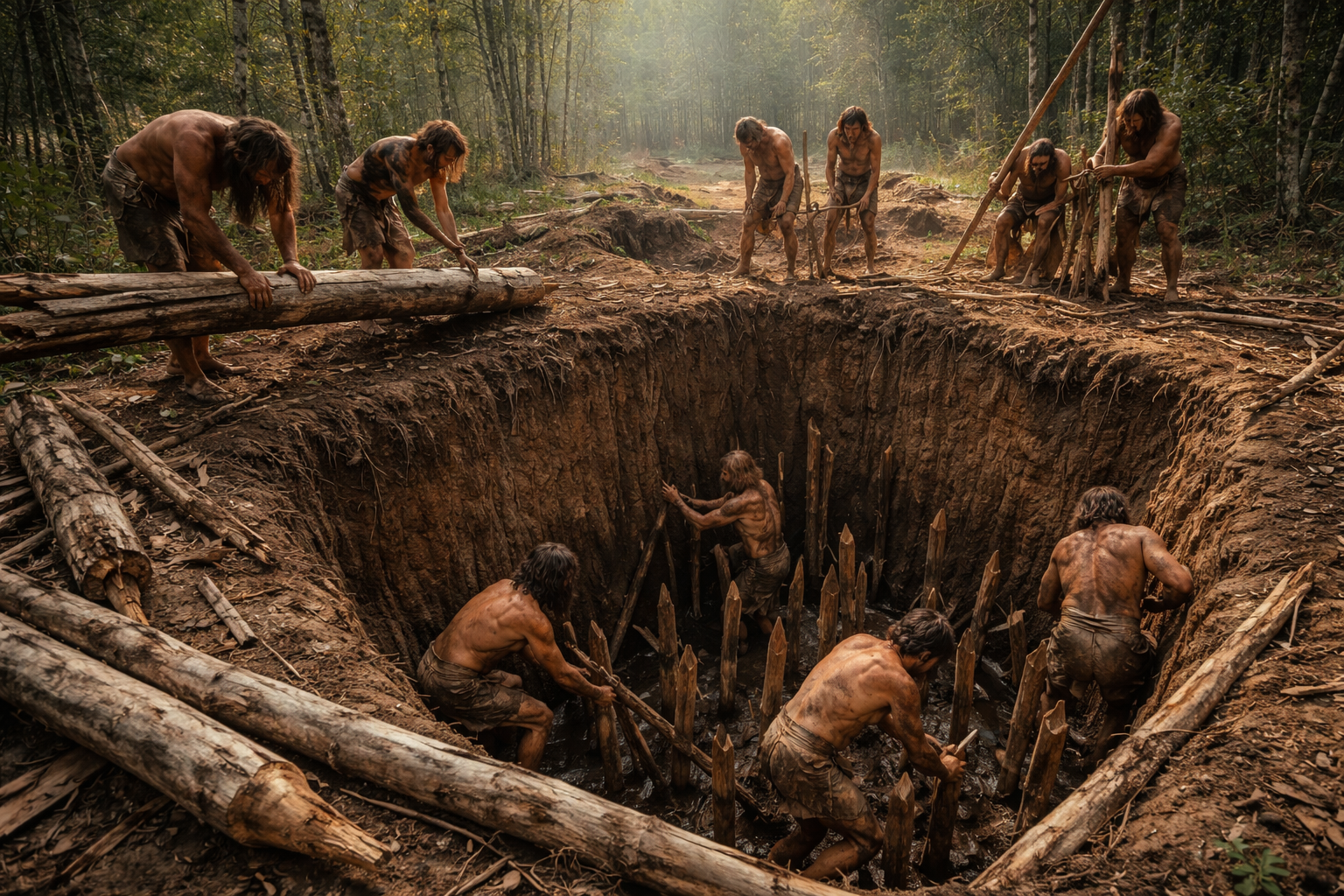
Building such a trap demanded planning, labor, and shared knowledge. One person alone could not assemble it properly.
This indicates organized social structures and collective decision making. Everyone involved understood both benefit and danger. Responsibility for accidents was communal, not individual, reflecting how survival pressures shaped moral boundaries.
8. The device functioned silently and without warning.
Once set, the trap required no active trigger. Animals and people alike could activate it unknowingly.
Silence increased effectiveness but removed any chance of reaction. Archaeologists note that this design feature explains why injuries and deaths occurred repeatedly, even among experienced hunters familiar with the landscape.
9. Its abandonment coincided with changing hunting methods.

Evidence suggests the trap fell out of use as hunting strategies evolved. New tools reduced reliance on permanent pit systems.
As communities shifted practices, old traps were left behind. Over time, their danger faded from memory while remaining physically present, waiting beneath snow and soil.
10. The discovery reframed survival as calculated risk.

The device illustrates how early societies accepted danger as part of sustenance. Every hunt carried the possibility of loss.
What appears cruel now was once necessary. The tragedy linked to the device lies not in intention, but in the harsh balance between survival and sacrifice faced by people living at the edge of endurance.