
New evidence reveals a continent wide ancient network.

For decades, archaeologists suspected the Hopewell were connected to faraway places, but proof was fragmented. Recent excavations and laboratory advances have finally tied those threads together. Artifacts uncovered from burial mounds and ceremonial earthworks across the Midwest contain materials that originated thousands of miles away. These finds, dating roughly between 100 BCE and 400 CE, point to a vast and surprisingly stable exchange system. Rather than isolated villages, the Hopewell emerge as participants in a continent spanning web of relationships that moved goods, ideas, and cultural meaning across North America.
1. Exotic materials appear far from their natural sources.
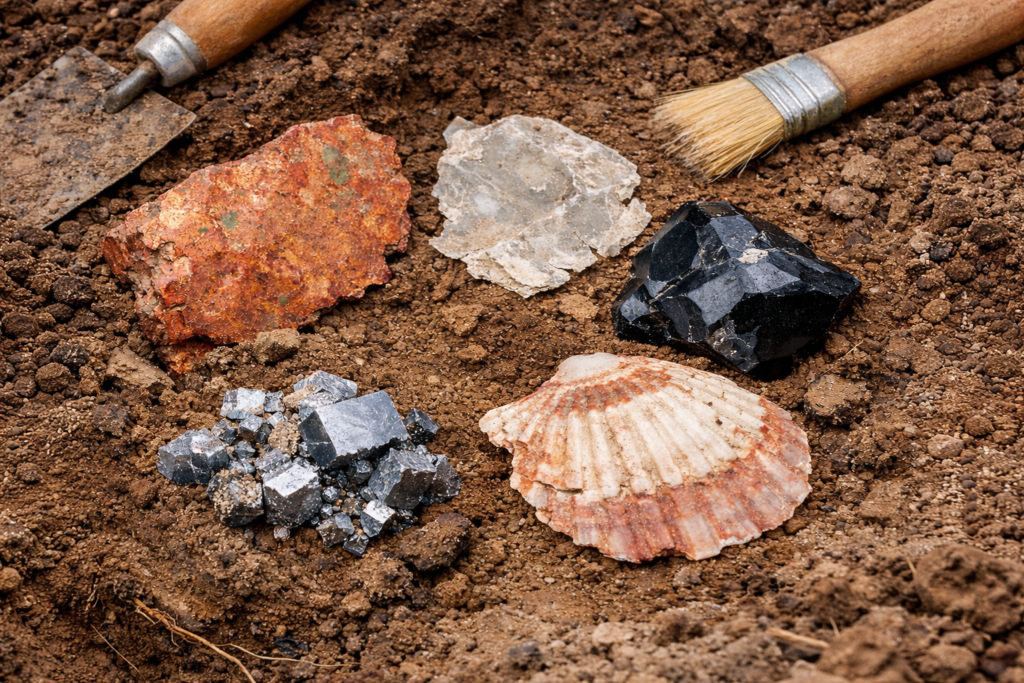
Hopewell sites concentrated in present day Ohio, Illinois, and Indiana contain copper, mica, obsidian, marine shell, and galena that do not exist locally. Copper came from Lake Superior, obsidian from the Rocky Mountains, mica from the Appalachians, and shells from the Gulf Coast. The distances involved stretch hundreds to thousands of miles, ruling out accidental movement or isolated travel.
The repeated presence of these materials across multiple sites suggests deliberate and sustained exchange. Obsidian chemically traced to Yellowstone appears alongside Gulf Coast shells in Ohio mounds. This pattern reflects long standing relationships rather than one time events, according to the Smithsonian National Museum of Asian Art. The materials themselves serve as physical proof of connections linking distant regions into a shared system.
2. Chemical analysis confirms distant geological origins.
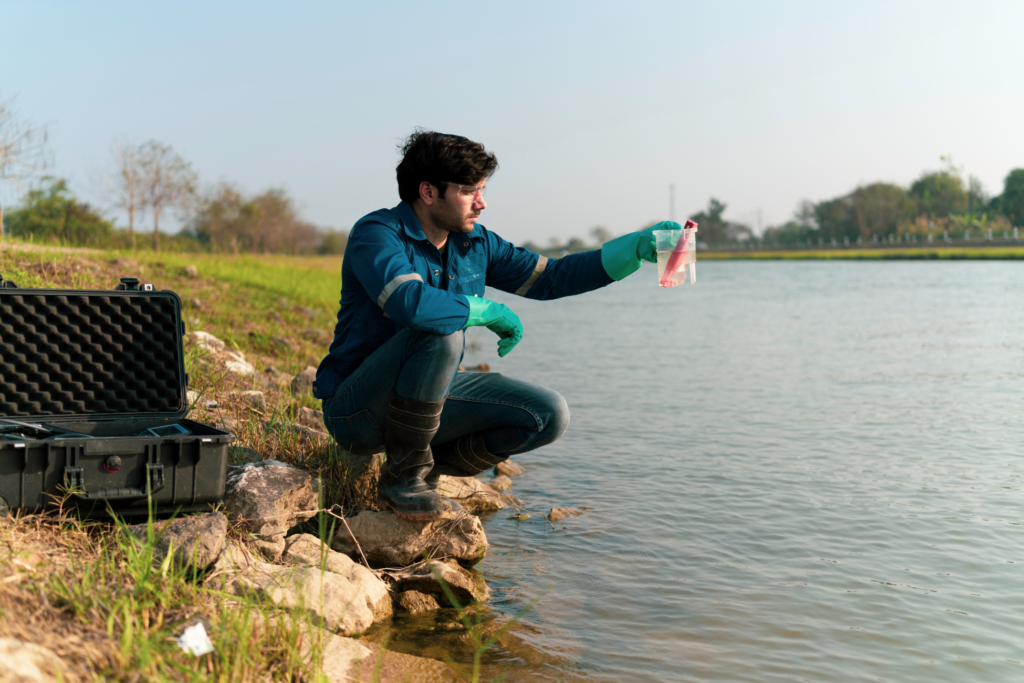
Modern sourcing techniques have transformed how archaeologists study ancient exchange. By analyzing trace elements and isotopic signatures, researchers can match artifacts to specific geological formations. Hopewell copper aligns with Lake Superior deposits, while obsidian samples match volcanic sources in the western United States with remarkable precision.
These findings remove earlier doubt. When the same distant sources appear repeatedly across Hopewell sites, coincidence becomes impossible. The consistency suggests organized pathways of movement and shared knowledge about where valued materials originated. Scientific sourcing has grounded long standing theories in measurable evidence, as stated by the National Park Service, which manages several major Hopewell earthwork complexes across the Midwest.
3. Burial mounds preserve evidence of long range connections.

The most striking non local materials are often found in burial mounds rather than domestic spaces. Finely worked copper plates, carved mica sheets, and shell ornaments were placed carefully with the dead, often arranged in deliberate patterns within massive earthworks.
This context reveals meaning beyond utility. Exotic materials likely carried symbolic weight, representing alliances, spiritual beliefs, or social standing. Their presence in ceremonial settings suggests shared ritual language across regions. Similar burial practices and artifact placement appear at distant Hopewell sites, reinforcing the idea of a connected cultural system, according to the Ohio History Connection, which curates one of the largest Hopewell collections in North America.
4. Rivers served as natural trade corridors.

Geography played a central role in making long distance exchange possible. The Hopewell heartland sits near major river systems including the Ohio, Scioto, and Mississippi Rivers. These waterways acted as natural corridors, allowing people and goods to travel efficiently across vast distances.
Canoes could move heavy or fragile materials far more easily by water than overland. River networks linked inland communities indirectly to coastal and mountain regions through a series of exchanges. The clustering of Hopewell earthworks along river valleys strongly suggests waterways structured the exchange system, shaping where people gathered and how materials flowed across the continent.
5. Exchange likely relied on social relationships not merchants.

There is little evidence that the Hopewell had professional traders or formal marketplaces. Instead, exchange appears to have been embedded in social life. Goods likely moved during ceremonial gatherings, seasonal festivals, or diplomatic visits between communities.
In this system, trust mattered more than profit. Materials carried meaning because of the relationships they represented. A copper ornament was valuable not only for its rarity, but for the connection it symbolized. Such exchanges require stable social bonds over time. The regular appearance of the same distant materials suggests these relationships endured for generations, reinforcing cooperation across regions without centralized authority.
6. Craft styles reveal shared artistic traditions.
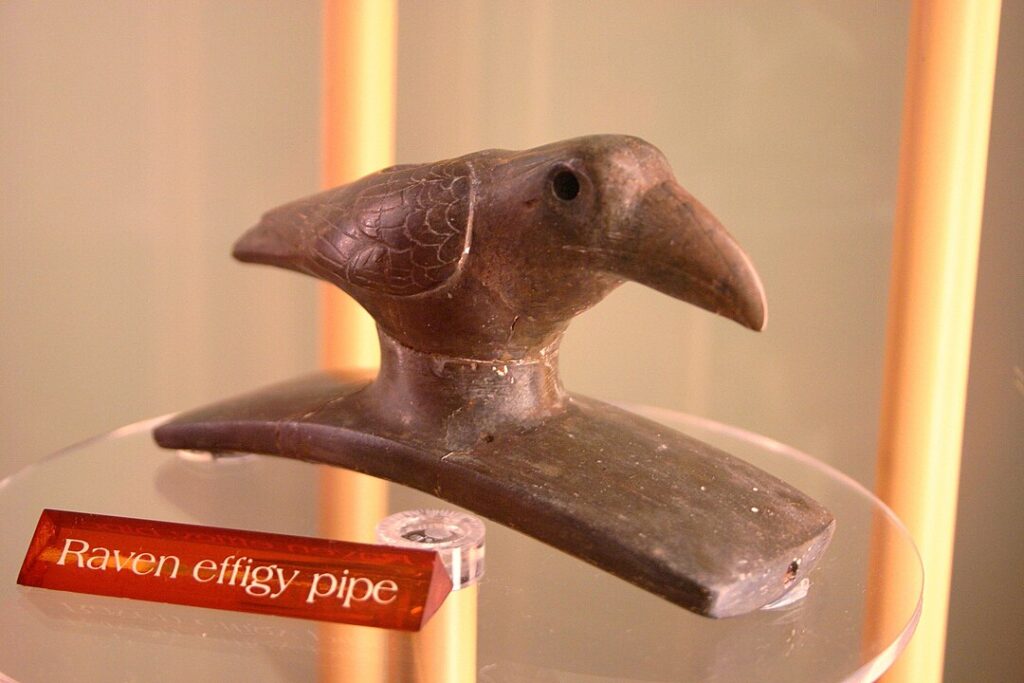
Hopewell artifacts show striking similarities in design even when found hundreds of miles apart. Engraved copper sheets, effigy pipes, and carved stone tools display repeated motifs and construction techniques that point to shared aesthetic traditions.
This consistency suggests that ideas traveled alongside materials. Artisans may have learned styles through direct contact or shared ceremonial knowledge. Exchange networks functioned as channels for cultural transmission, spreading symbolism and craftsmanship across regions. At the same time, local variations remained, showing that communities adapted shared ideas to their own traditions rather than copying them exactly.
7. The network spanned multiple ecological zones.
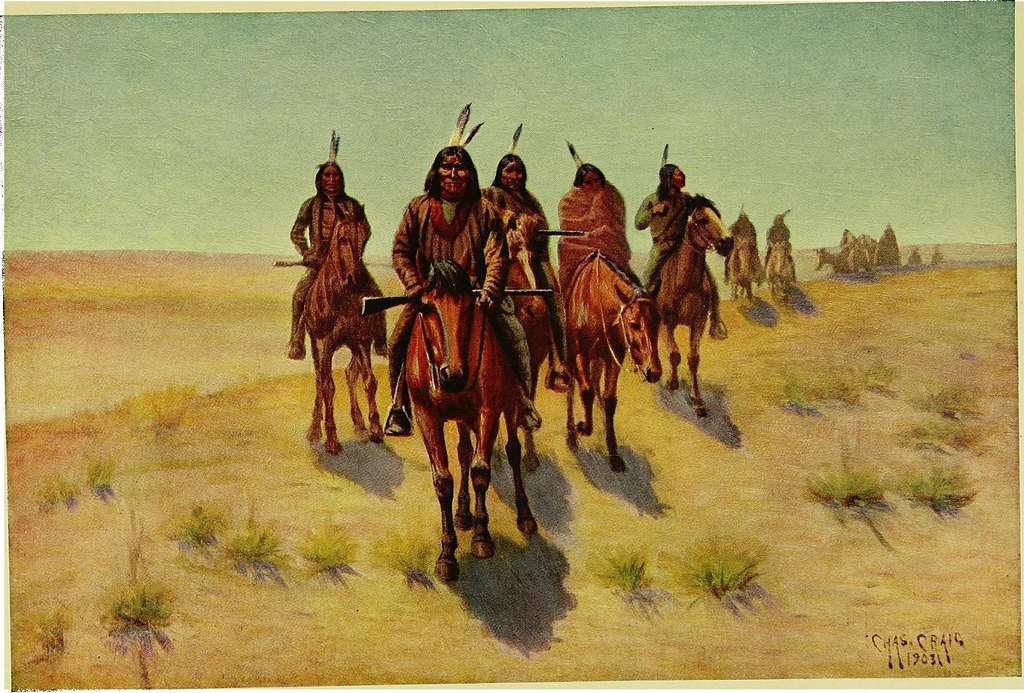
The Hopewell exchange system connected forests, plains, coastlines, and mountain regions. Each area contributed resources unique to its environment, creating mutual dependence among distant groups.
This ecological diversity strengthened relationships. Communities valued materials they could not produce themselves, encouraging cooperation rather than isolation. The movement of goods across such varied landscapes demonstrates a sophisticated understanding of geography and resource distribution. The network linked people living in dramatically different environments into a system built on shared benefit and long distance awareness.
8. Exchange reinforced social status and leadership.
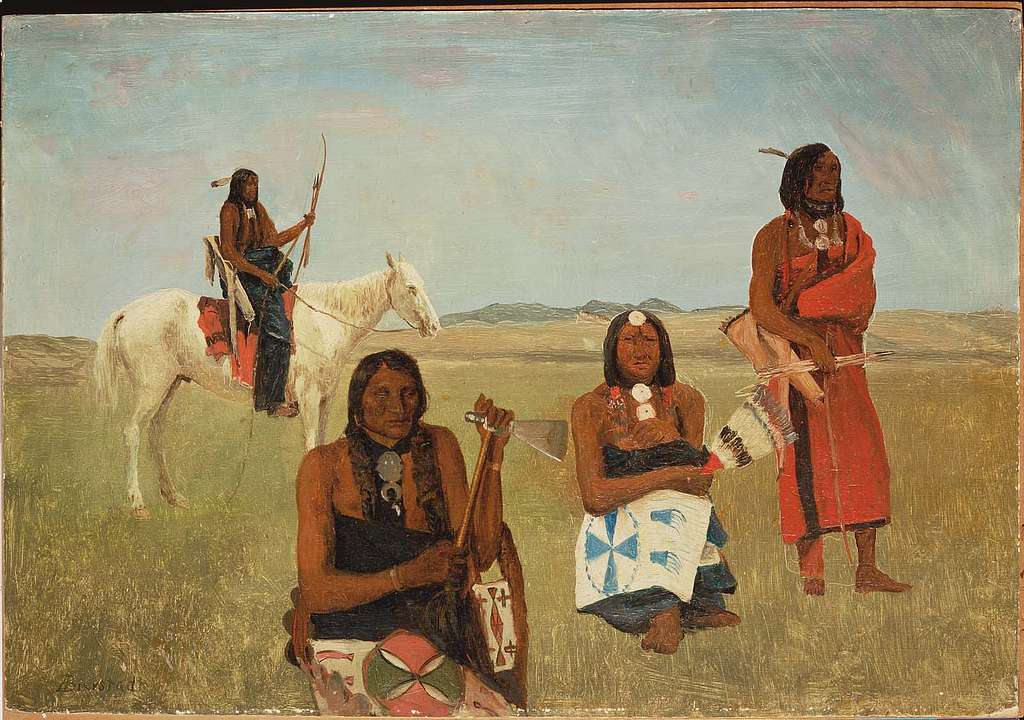
Access to exotic materials was likely controlled by influential individuals within Hopewell communities. Leaders or ritual specialists may have overseen the movement and distribution of rare goods, using them to reinforce social roles.
Rather than exercising power through force, status may have been expressed through connection. Possessing distant materials signaled access to broader networks and spiritual authority. This model allowed leadership to emerge without centralized political control. Prestige flowed from relationships and ritual knowledge, shaping social hierarchies while maintaining relatively cooperative community structures.
9. The system depended on stability and shared norms.
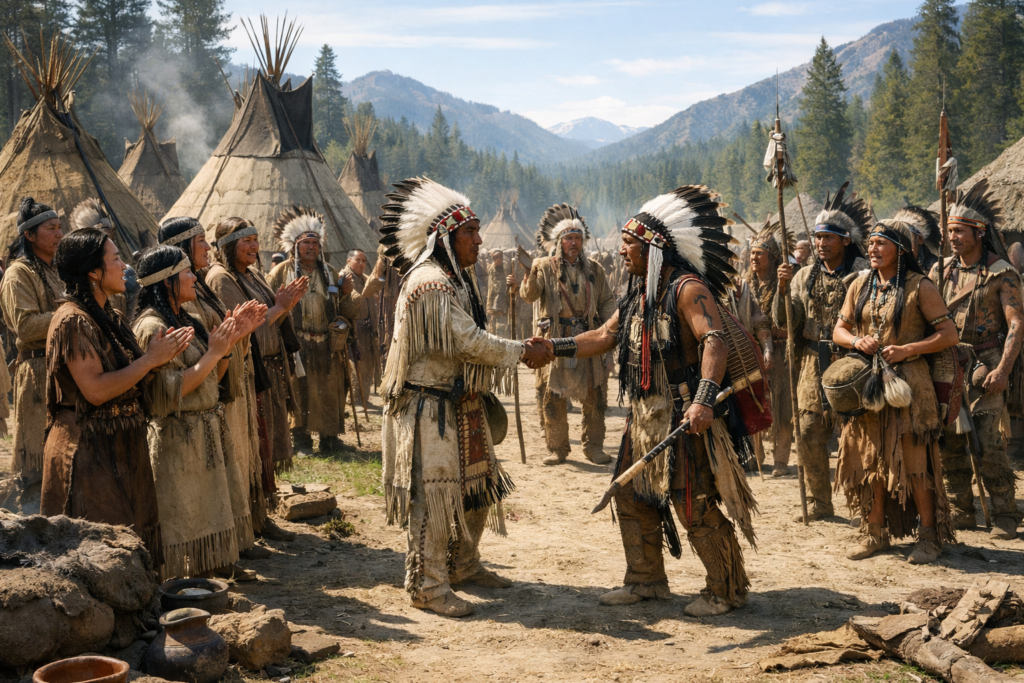
Sustained long distance exchange requires predictability. Communities had to trust that visitors would be welcomed, agreements honored, and ceremonial protocols respected. This implies shared norms governing hospitality, conduct, and exchange across regions.
Such stability points to a remarkably cooperative world. Widespread conflict would have disrupted these networks. Instead, the Hopewell exchange system persisted for centuries, suggesting a broad zone of relative peace. Shared expectations allowed people to move, trade, and gather across vast distances with confidence and continuity.
10. The network reshapes how ancient North America is understood.
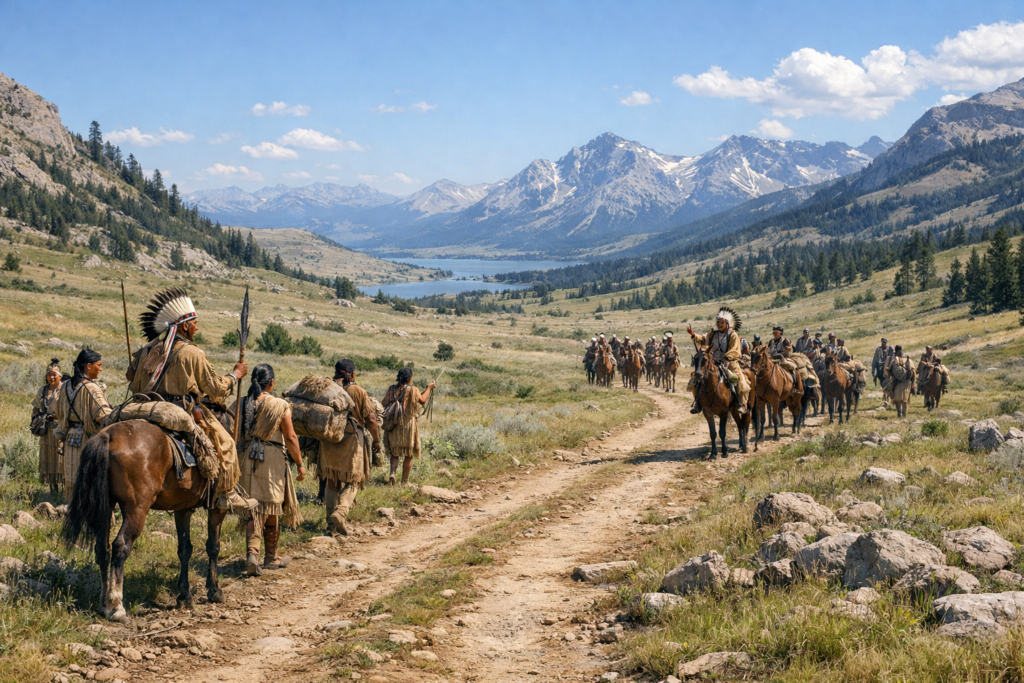
These discoveries challenge outdated views of prehistoric North America as fragmented and isolated. The Hopewell were part of an interconnected world defined by communication and cooperation rather than separation.
Recognizing this network forces a reevaluation of social complexity before European contact. It highlights the ability of ancient societies to organize large scale systems without written language or centralized states. The Hopewell exchange network stands as evidence that North America was linked by human relationships long before modern borders existed.