
The risks most owners never notice early.
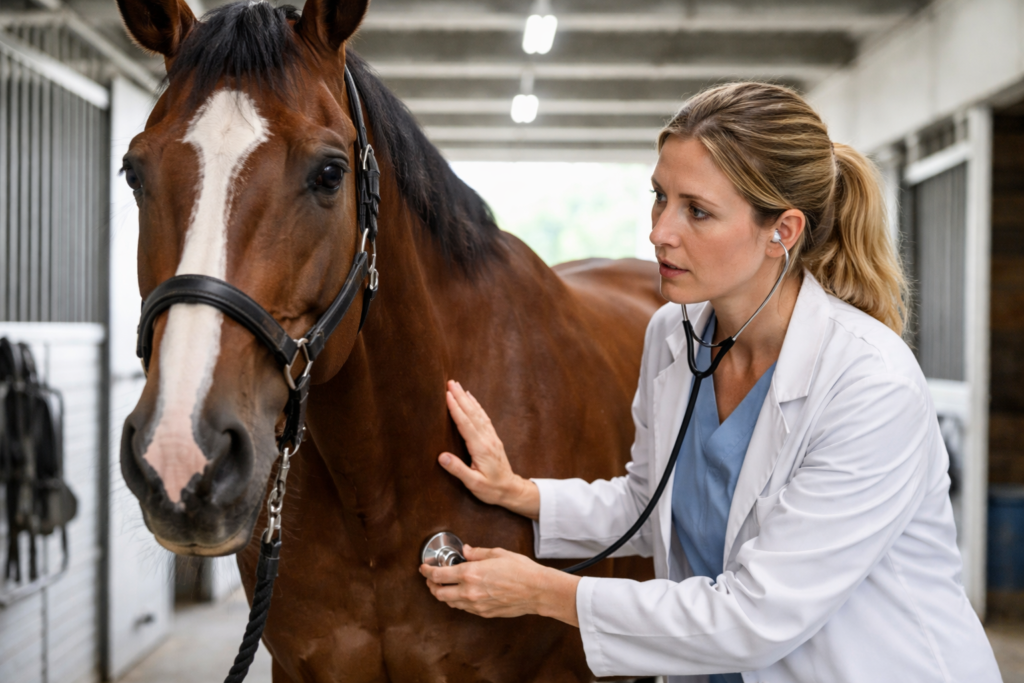
Domesticated horses often appear healthy until subtle problems surface suddenly and expensively. Many of these conditions develop quietly, masked by routine care or misread as normal behavior. Modern stabling, feeding, and workload patterns differ sharply from how horses evolved to live, creating health stresses that accumulate over time. Veterinarians see the same issues repeatedly, often diagnosed late, when treatment becomes harder and outcomes uncertain. Understanding what hides beneath good coats and calm temperaments can change how owners manage care long before visible symptoms force action.
1. Insulin resistance often develops without obvious weight changes.
Many horses maintain normal looking body condition while metabolic changes progress unnoticed. Energy regulation slowly destabilizes, increasing the risk of sudden laminitis episodes that seem to appear without warning. Owners often miss early warning signs because appetite and performance may remain unchanged.
Insulin resistance disrupts how glucose is processed, particularly in easy keepers and aging horses. Subtle fat deposits along the crest or tailhead often precede clinical disease. Diet composition, not just quantity, plays a critical role in progression and long term management.
2. Gastric ulcers are widespread even in well cared horses.
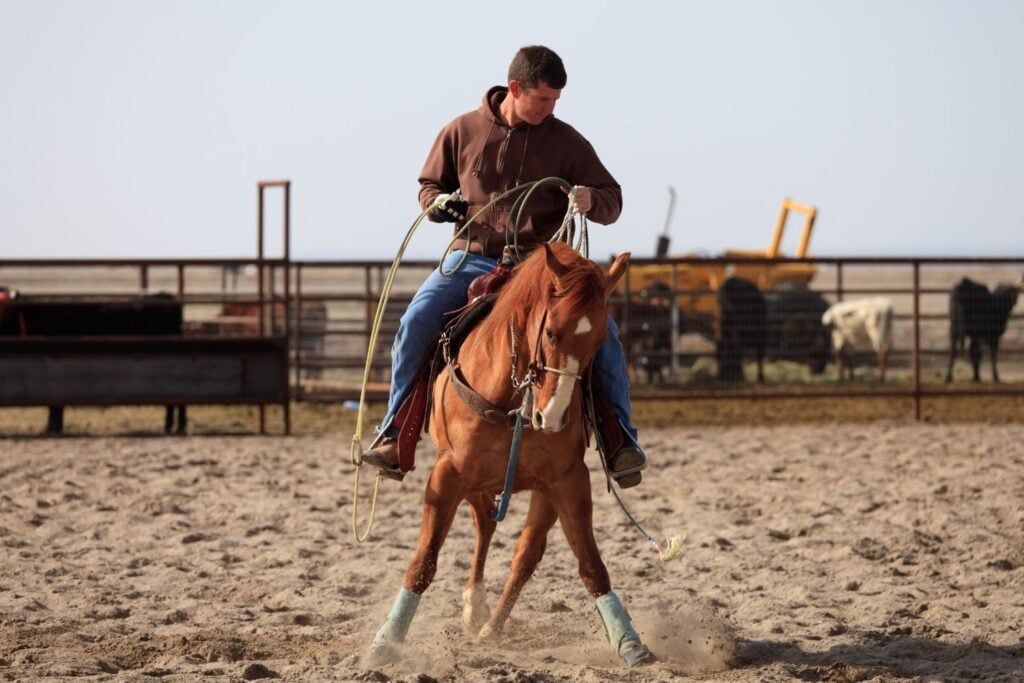
Ulcers frequently develop without dramatic symptoms. Horses may seem mildly irritable, distracted under saddle, or inconsistent in performance. These behaviors are often attributed to training issues rather than pain.
Modern feeding schedules and intermittent forage access increase stomach acidity. Constant acid exposure damages the stomach lining when grazing time is limited. The condition can persist long before severe signs prompt investigation or treatment.
3. Degenerative joint disease progresses long before lameness appears.
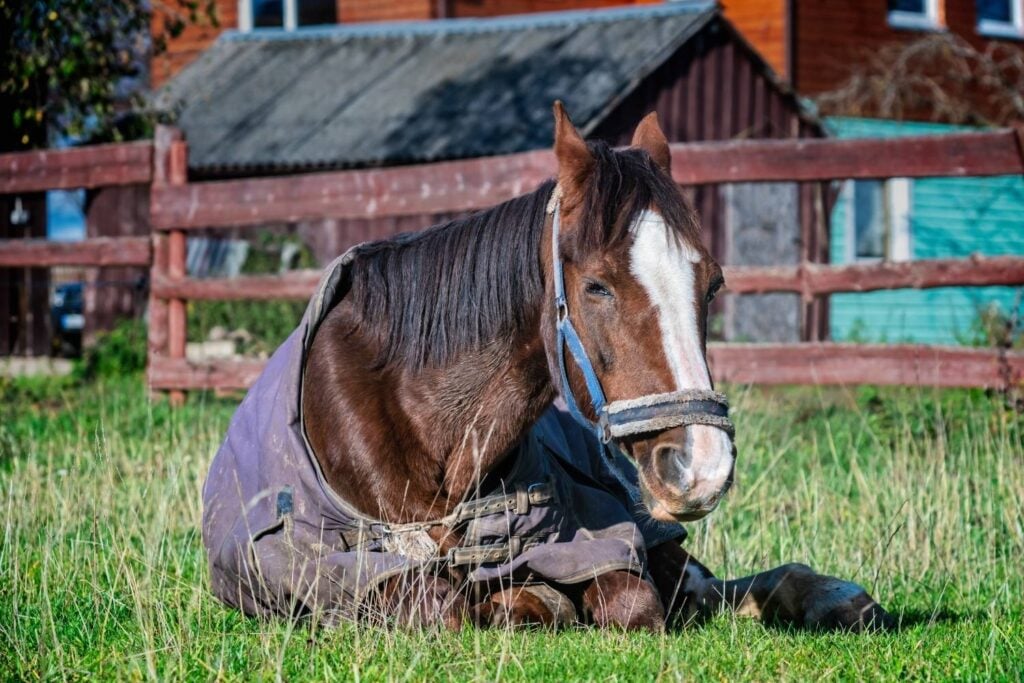
Joint damage accumulates gradually through repetitive motion and workload stress. Early inflammation causes microscopic cartilage changes without visible swelling or limping. By the time stiffness becomes obvious, irreversible damage may already exist.
Degenerative joint disease affects horses of all disciplines. Early intervention depends on recognizing subtle performance decline. Joint wear progresses silently, especially in confined horses with limited natural movement between training sessions.
4. Dental imbalance interferes with digestion and nutrition.
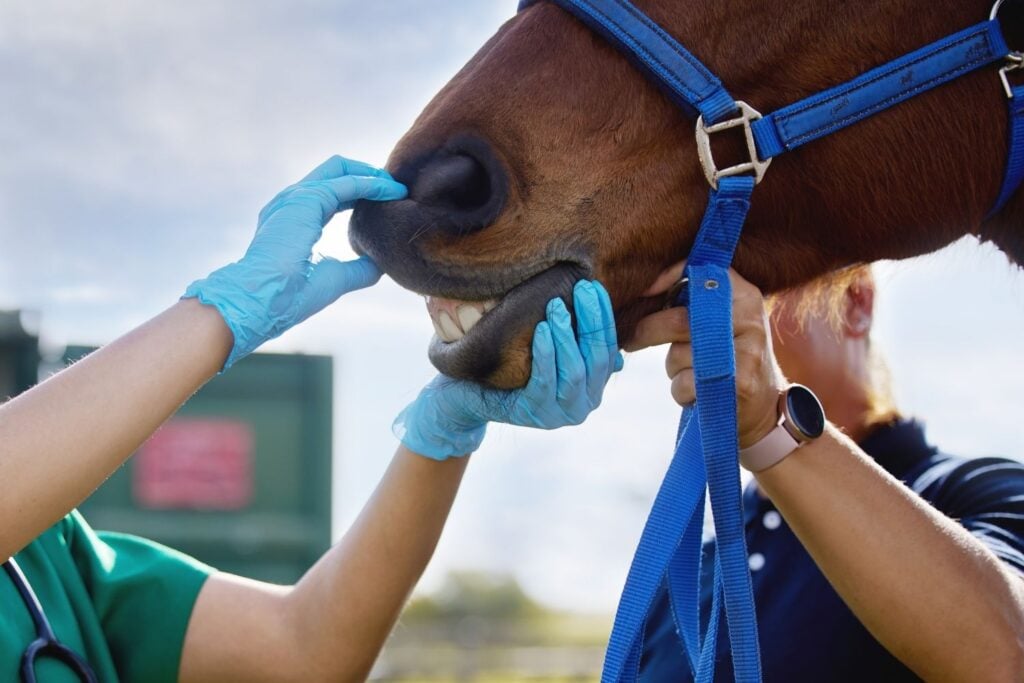
Uneven tooth wear often develops unnoticed, especially in horses without regular dental exams. Sharp points and hooks reduce chewing efficiency, leading to digestive strain and weight fluctuation.
Poor mastication affects nutrient absorption and gut health. Horses may compensate by eating slower or dropping feed. Over time, reduced fiber breakdown contributes to colic risk and metabolic stress.
5. Respiratory irritation builds from stable environments.
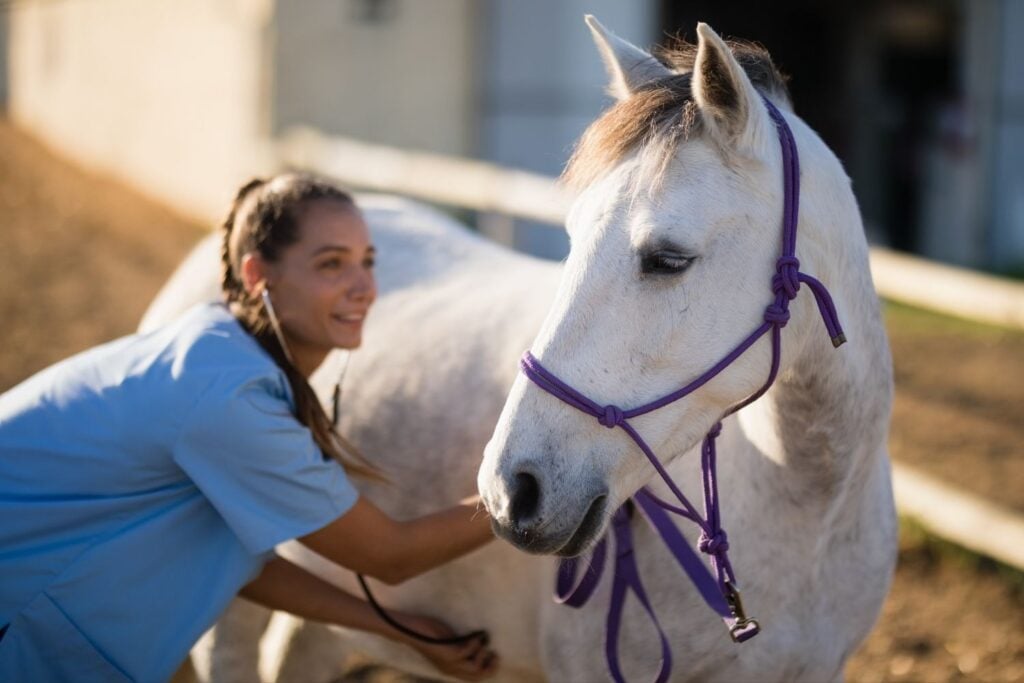
Dust, mold spores, and ammonia accumulate in enclosed barns. Horses inhale these irritants daily, gradually inflaming sensitive airways. Early signs resemble mild allergies or seasonal discomfort.
Chronic exposure can lead to inflammatory airway disease. Reduced oxygen exchange affects stamina and recovery. Horses may cough lightly or show nasal discharge intermittently without obvious illness.
6. Vitamin and mineral imbalances quietly disrupt systems.
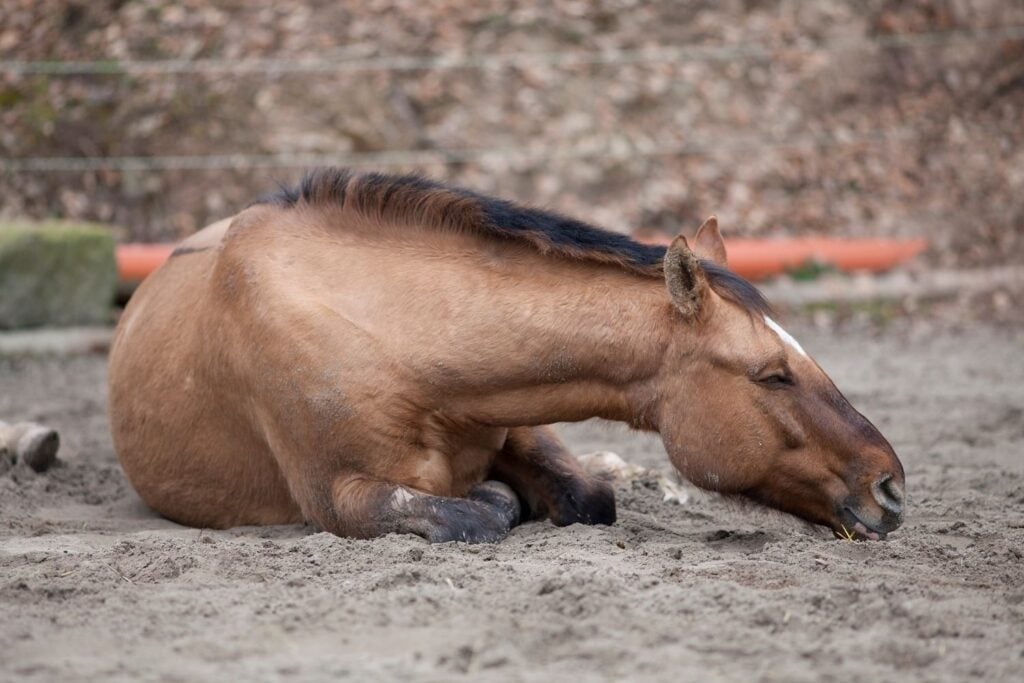
Even well fed horses can lack critical micronutrients. Soil depletion and processed feeds alter mineral availability. Imbalances develop slowly, affecting immune function and muscle performance.
Deficiencies rarely cause immediate illness. Instead, horses show vague symptoms like dull coats or slow healing. Excess supplementation can be equally harmful when not carefully balanced.
7. Hoof capsule distortion masks internal damage.
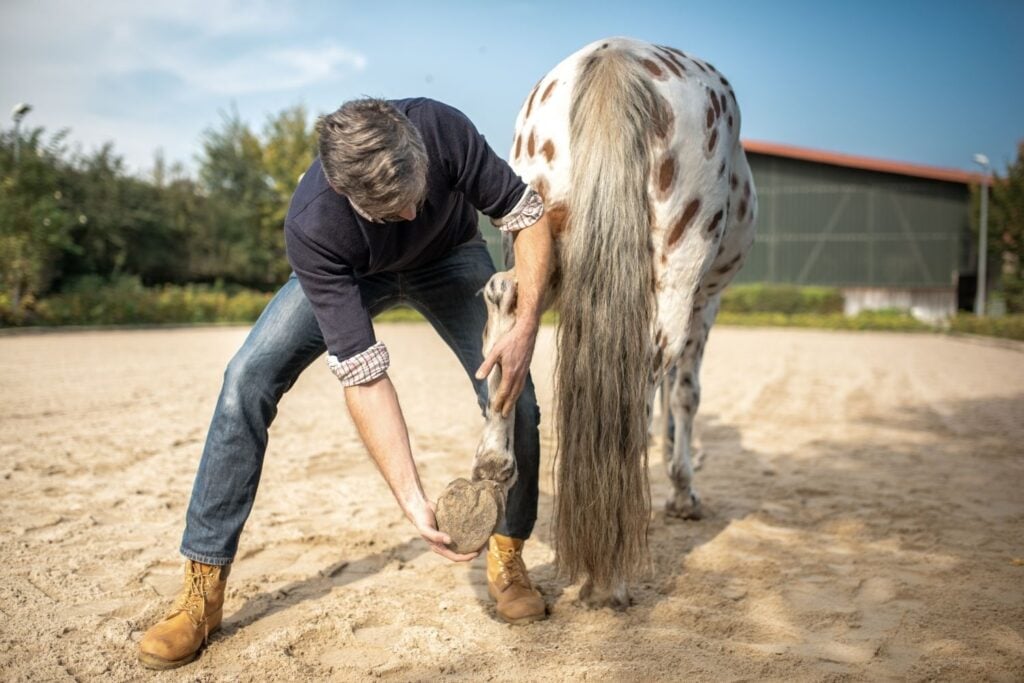
Hooves may appear strong externally while internal structures weaken. Imbalances alter weight distribution, stressing ligaments and bones. Subtle changes escape notice during routine trimming.
Over time, internal strain increases injury risk. Hoof shape reflects long term management choices. By the time cracks or lameness appear, corrective work becomes more complex and prolonged.
8. Chronic dehydration affects digestion and kidneys.
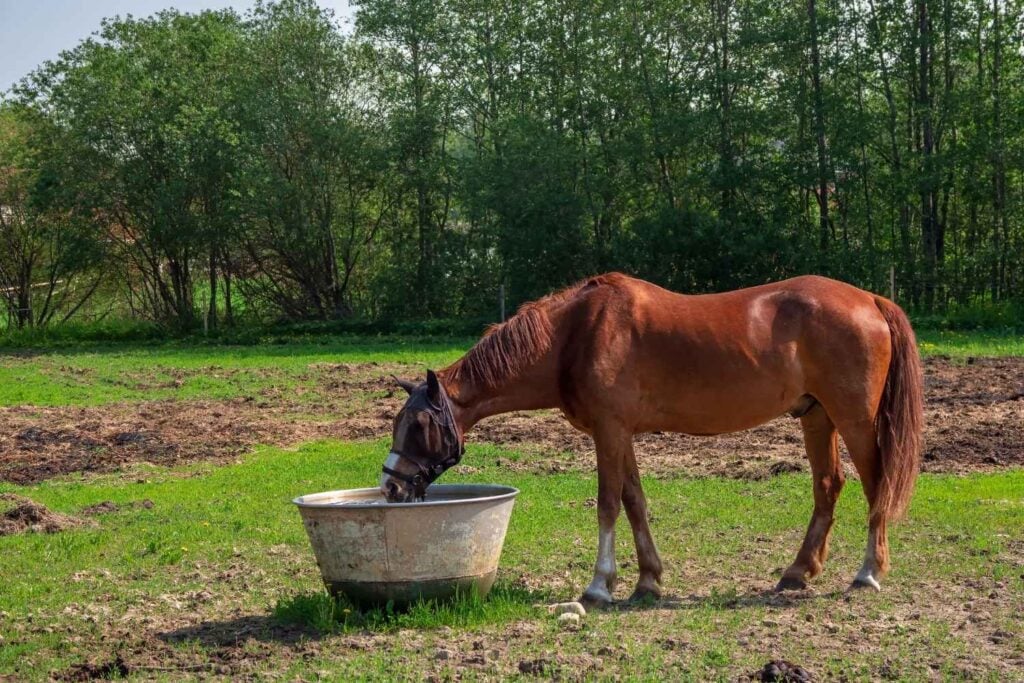
Horses often drink less than needed, especially in cold weather or unfamiliar environments. Mild dehydration persists unnoticed, thickening gut contents and stressing renal function.
Water intake varies widely between individuals. Insufficient hydration contributes to colic risk and metabolic inefficiency. Environmental factors strongly influence drinking behavior.
9. Parasite resistance complicates internal health management.
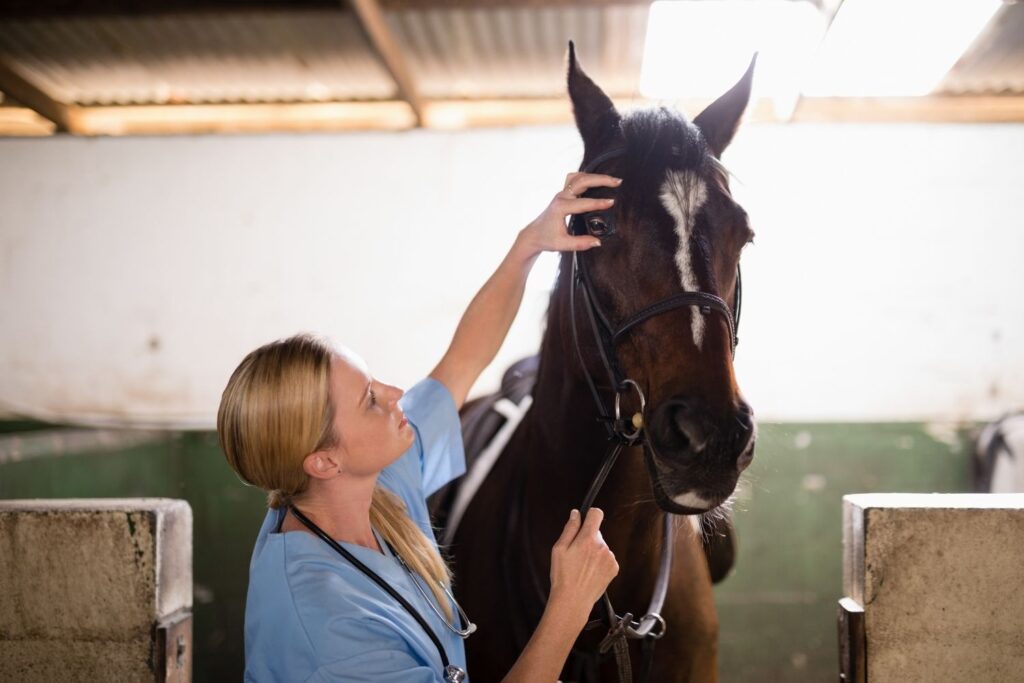
Routine deworming has altered parasite populations. Resistant strains persist while owners assume protection is adequate. Subclinical parasite loads still affect digestion and immunity.
Without targeted testing, unnecessary treatments continue. Parasite damage accumulates quietly. Strategic control requires monitoring rather than habit.
10. Muscle soreness hides behind behavioral changes.
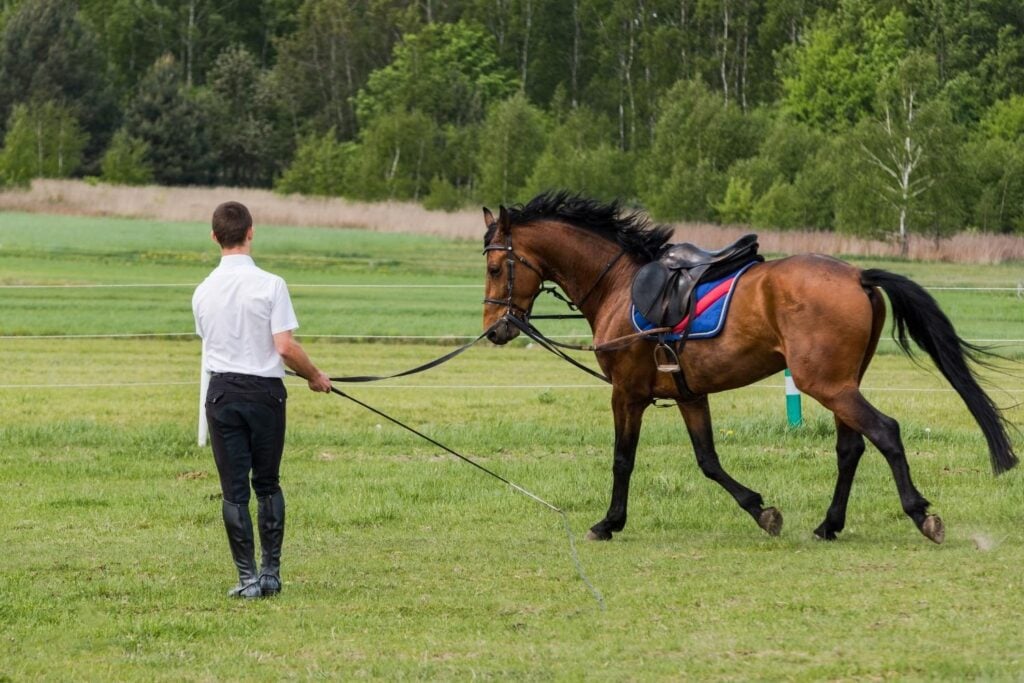
Chronic low grade muscle pain alters posture and movement subtly. Horses may resist certain tasks or seem unwilling without obvious injury. These signs are often misinterpreted as attitude problems.
Muscle imbalance develops from poor saddle fit or uneven conditioning. Pain suppresses performance long before lameness appears. Addressing musculoskeletal comfort early prevents secondary injuries from cascading across systems.