
What these animals were meant to communicate remains unclear.
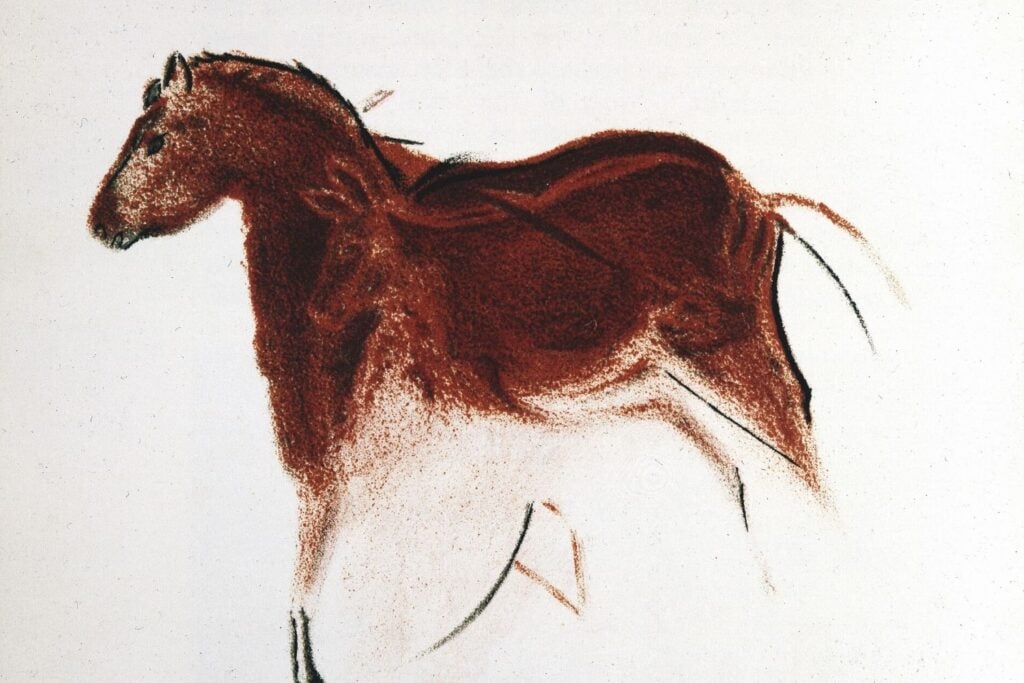
Long before writing systems or recorded history, humans left behind images that still resist simple explanation. Among the most striking are horses painted, carved, and etched across cave walls in Europe and Asia. These images appear repeatedly, rendered with precision, motion, and restraint that feel intentional rather than decorative. Archaeologists once treated them as records of hunting or idle creativity. New discoveries complicate that view. The placement, repetition, and detail suggest something layered and purposeful. The question is no longer whether these images mattered, but what role they played in shaping early human thought.
1. Chauvet horses appear during extreme Ice Age instability.
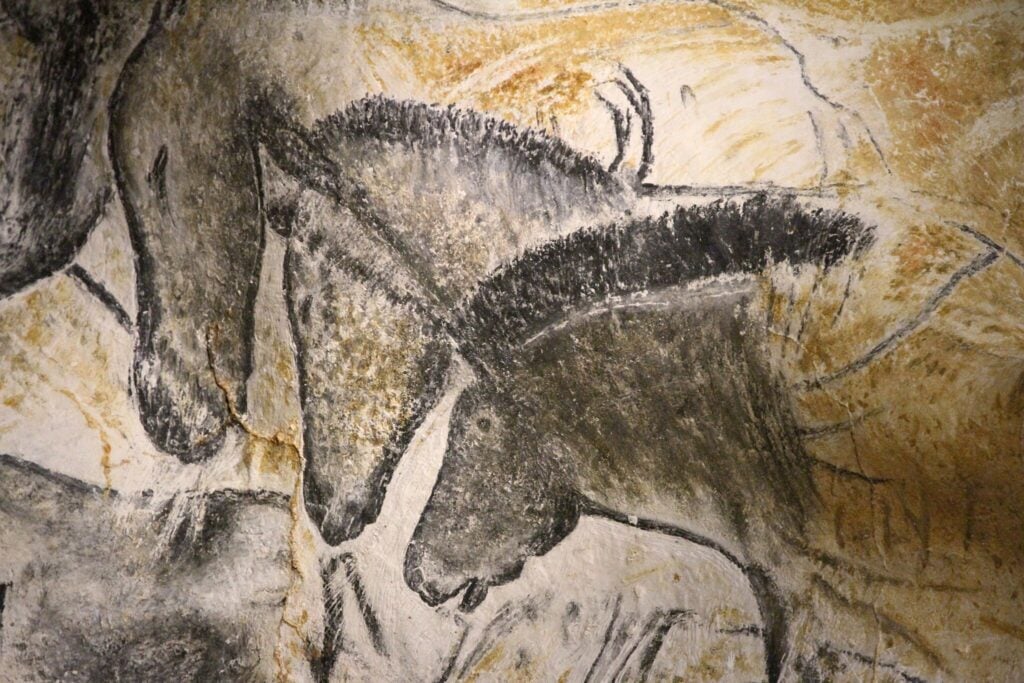
Some of the earliest known horse images come from Chauvet Cave in southern France, dating to around forty thousand years ago. The paintings appear during a period of severe climate fluctuation when glaciers advanced and retreated unpredictably. Human survival required constant movement and adaptation, leaving little margin for unnecessary activity. Food sources shifted rapidly, and animal populations changed routes with the climate.
Yet the Chauvet horses are carefully composed, overlapping, and shaded to suggest motion. Their creation demanded time, light, and safety. Choosing to depict horses during such instability suggests they carried meaning beyond sustenance. The animals may have symbolized endurance, migration, or continuity in a rapidly changing world. The act of painting itself may have offered psychological grounding during periods of environmental stress.
2. Lascaux horses were hidden far from living spaces.
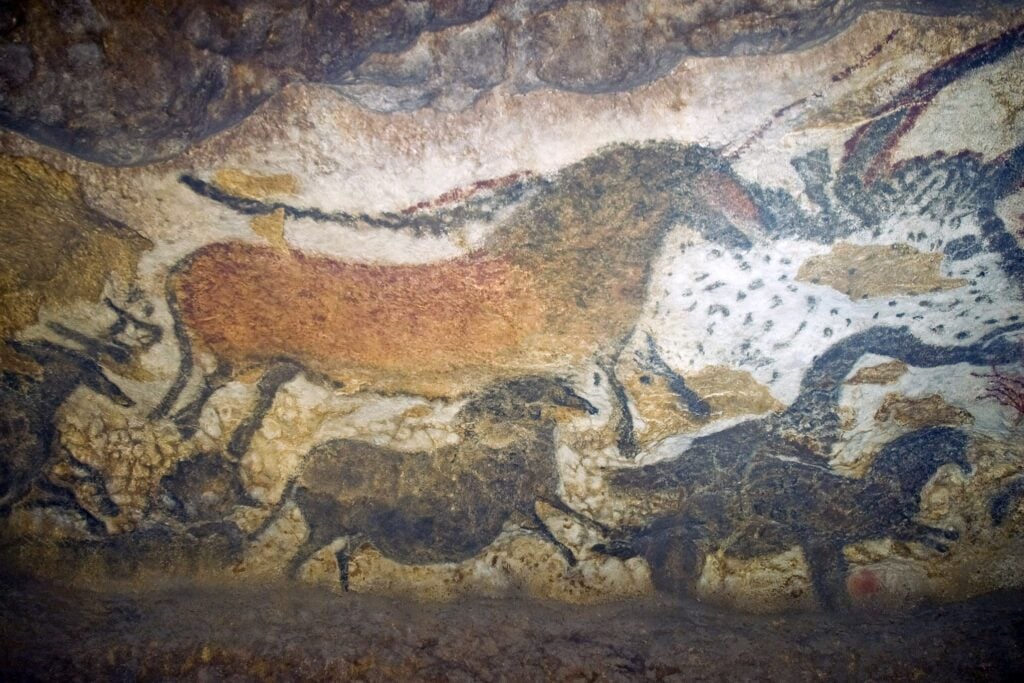
The horses at Lascaux Cave were painted deep within the cave system, far from areas used for shelter or food preparation. Reaching them required navigating darkness and narrow passages. This was not space used casually or frequently. Torches, planning, and repeated visits were necessary to access these chambers.
Their placement implies deliberate separation from daily life. The effort suggests ritual, teaching, or restricted access. Horses positioned away from living areas may have been tied to specific events or shared experiences. The cave itself becomes part of the message, not just a backdrop. Entering the space may have been as meaningful as viewing the images themselves.
3. Altamira horses display precise anatomical realism.
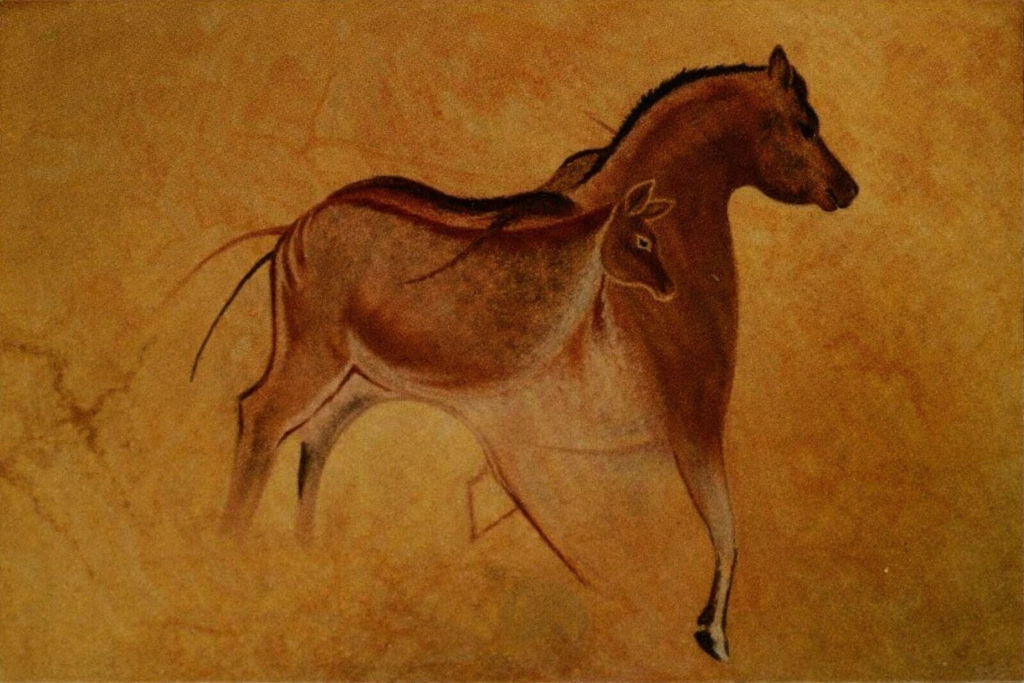
In Altamira Cave in Spain, horses are depicted with remarkable anatomical accuracy. Muscle tension, posture, and proportion align closely with real animals. These were not symbolic stick figures or simplified forms. Subtle details suggest observation across different ages and conditions.
Such realism suggests prolonged observation and deep familiarity. The artists understood how horses moved and carried weight. This precision exceeds what hunting records require. It implies admiration or identification, elevating horses from prey to something worthy of careful preservation. The images reflect knowledge passed down rather than spontaneous depiction.
4. Pech Merle horses repeat across distant regions.
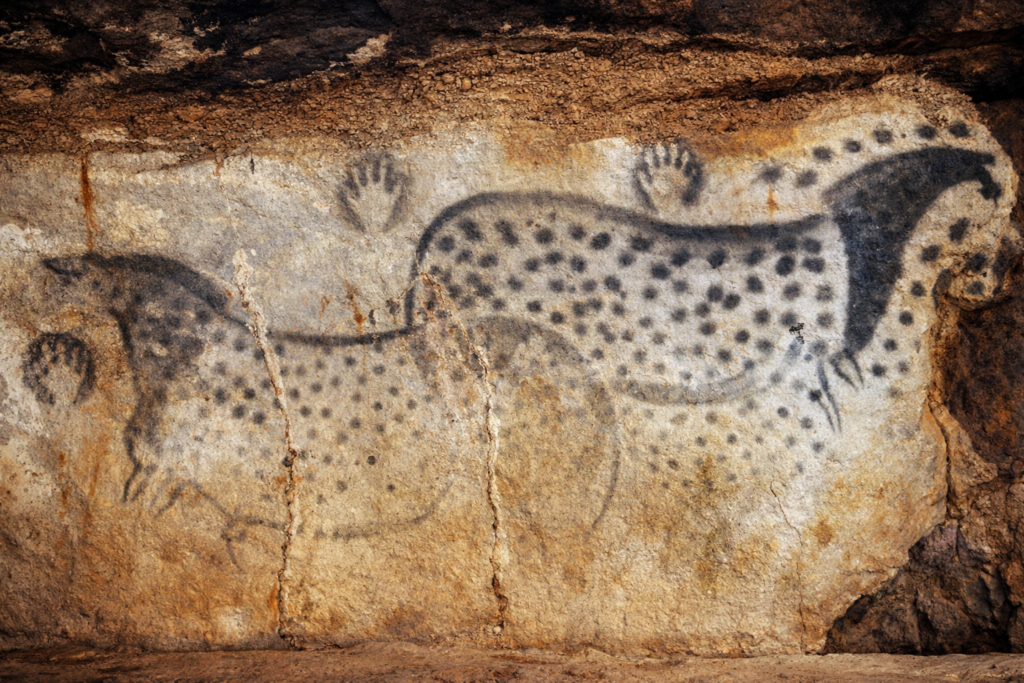
The spotted horses of Pech Merle in France appear hundreds of kilometers from similar horse imagery elsewhere in Europe. While stylistic elements differ, the subject remains consistent. This repetition across distance is striking. It suggests ideas moved with people, not just tools.
Shared imagery implies shared meaning. The recurrence suggests horses represented ideas understood across groups. These depictions may reflect a symbolic language carried through migration or contact, rather than isolated artistic preference. The horse becomes a common reference point across landscapes. Such continuity hints at long standing cultural exchange.
5. Horses dominate walls over predators at Lascaux.
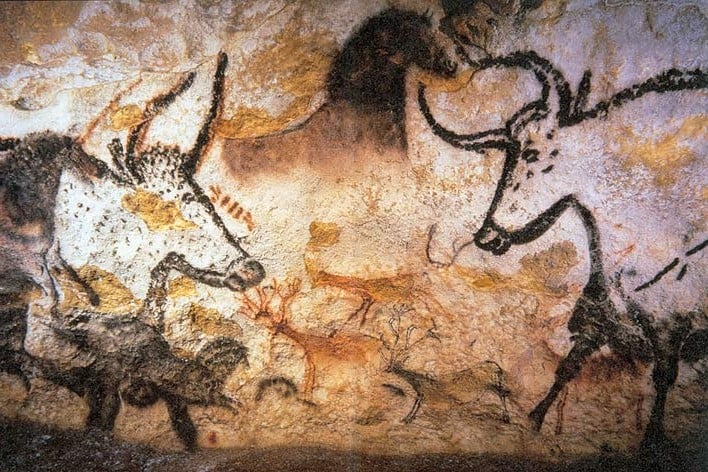
At Lascaux, horses outnumber depictions of predators like lions or bears. Humans appear rarely, if at all. This imbalance reflects deliberate selection. Dangerous animals that posed immediate threats received less attention.
Predators inspired fear, yet horses received more visual emphasis. That choice suggests admiration rather than avoidance. Horses may have embodied desirable traits such as speed or balance. Their prominence indicates cultural importance beyond immediate threat or utility. The walls reflect values as much as survival concerns.
6. Some Lascaux horses feature unnatural markings.
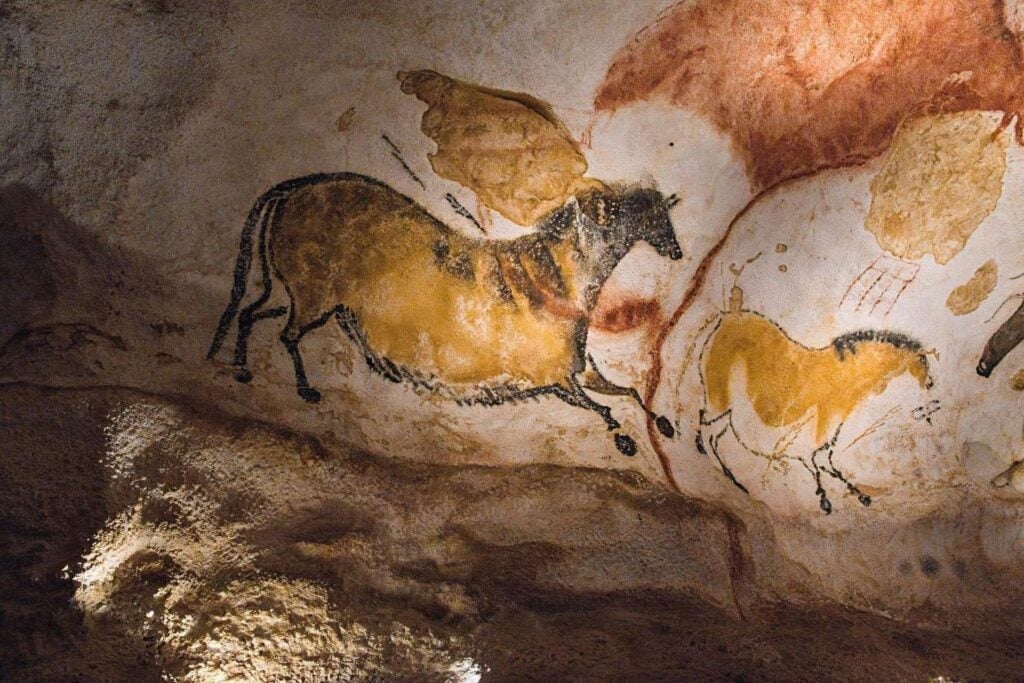
Several Lascaux horses display dots, exaggerated outlines, or stylized features that do not match real coats. These markings appear intentional and consistent. They repeat across multiple figures rather than appearing as errors.
Such alterations suggest symbolic roles rather than literal portraits. The horses may represent mythic or social identities. Changing appearance transforms animals into carriers of meaning. The imagery blends realism with abstraction, signaling belief layered onto observation. These markings hint at stories no longer accessible.
7. Handprints near horse images include children.
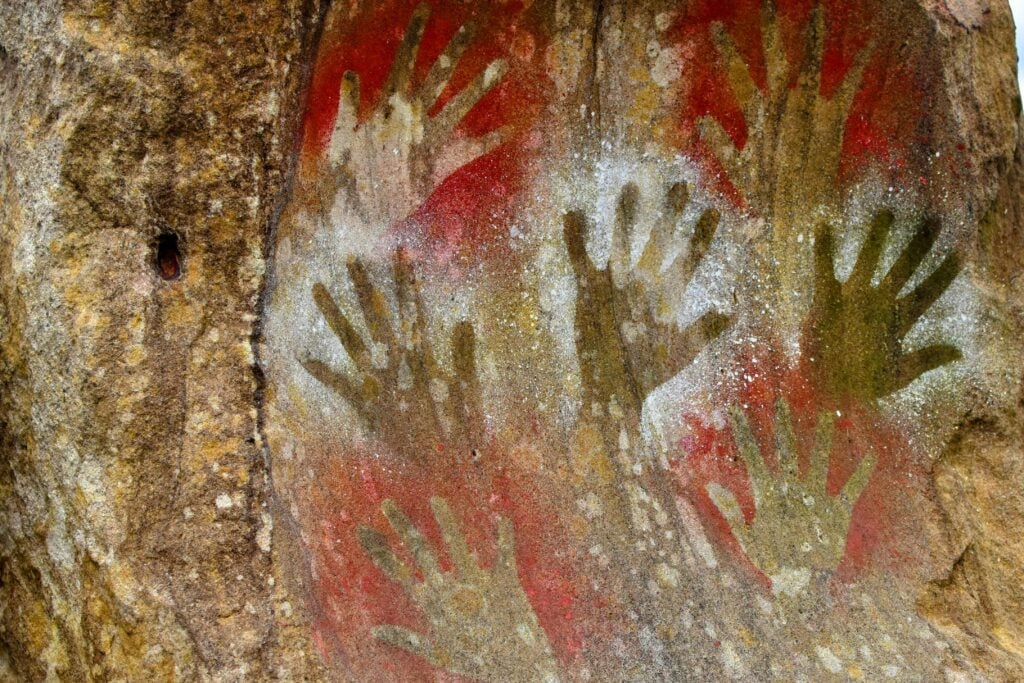
In multiple caves, including Pech Merle, small handprints appear near horse depictions. The size suggests children participated or observed closely. Art creation was not restricted to elites. The presence of young hands implies inclusion rather than exclusion.
Including children implies teaching or initiation. Horses may have served as cultural anchors for shared knowledge. The images likely supported storytelling or instruction, embedding meaning across generations rather than individual expression. Participation may have reinforced memory and identity. The art became a communal experience.
8. Solitary horses dominate Chauvet compositions.
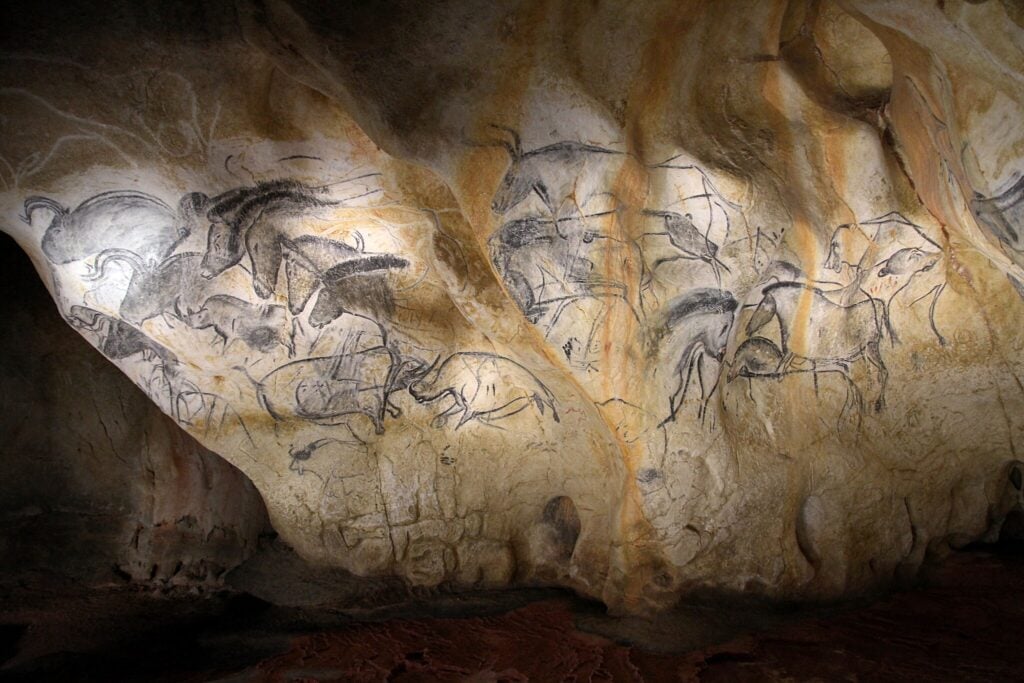
Many Chauvet horses appear alone, without weapons or hunters nearby. The absence of action is notable. These are not scenes of pursuit or capture. The stillness contrasts sharply with later narrative art.
Isolation suggests contemplation rather than instruction. The horse stands as subject, not object. This presentation implies reverence or symbolic focus. Horses may have represented forces or ideals rather than targets for consumption. Their solitude encourages observation rather than reaction.
9. Cave contours shape horse bodies deliberately.
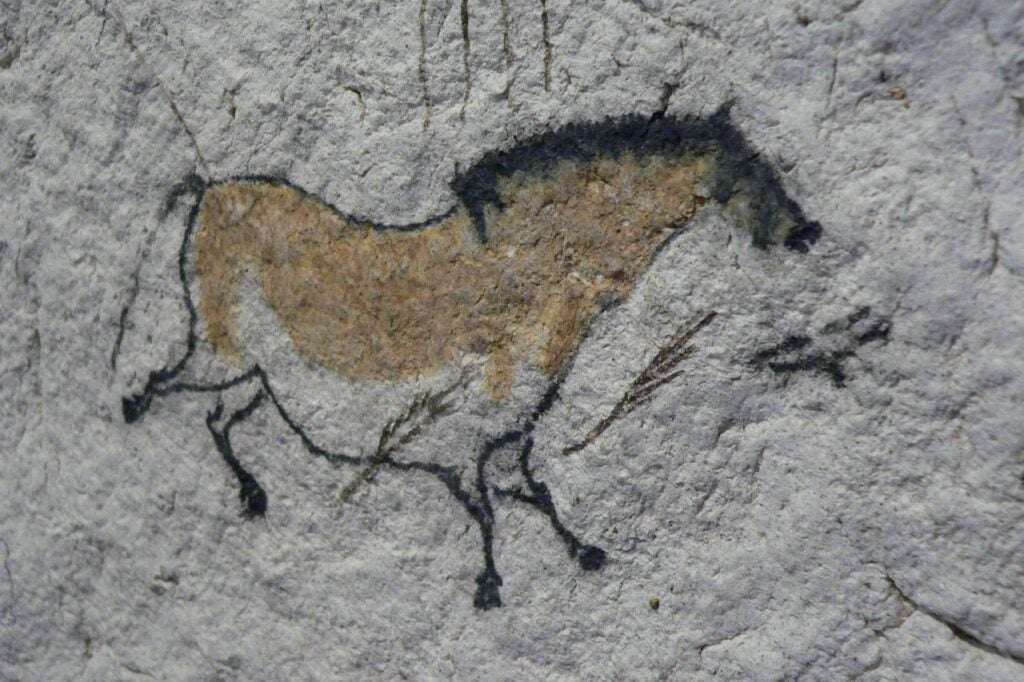
Artists at Chauvet and Lascaux used natural rock bulges to form shoulders or flanks. Cracks became limbs. This required planning and sensitivity to the cave surface. The rock dictated form as much as pigment.
Blending animal form with stone suggests belief in a living landscape. Horses appear to emerge from the cave itself. This integration implies spiritual presence rather than decoration. The cave becomes participant in the image’s meaning. Art and environment merge into a single expression.
10. Horse imagery persisted across thousands of years.
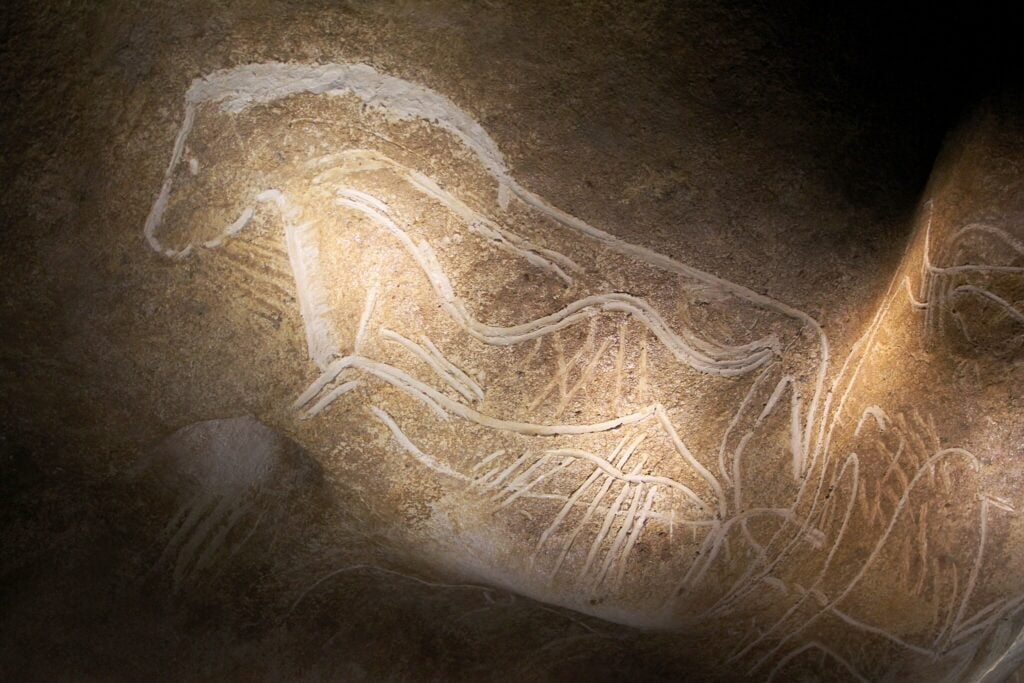
Horse depictions span tens of millennia across sites. Different groups returned to the same subject repeatedly. That persistence matters. Few animals received such sustained attention.
Consistency suggests enduring cultural importance. Even without written explanation, repetition implies shared understanding. These images were not idle marks. They were deliberate acts meant to endure, carrying meaning long after their creators vanished. The horse remained central as societies changed.x`