
The language most people never hear.
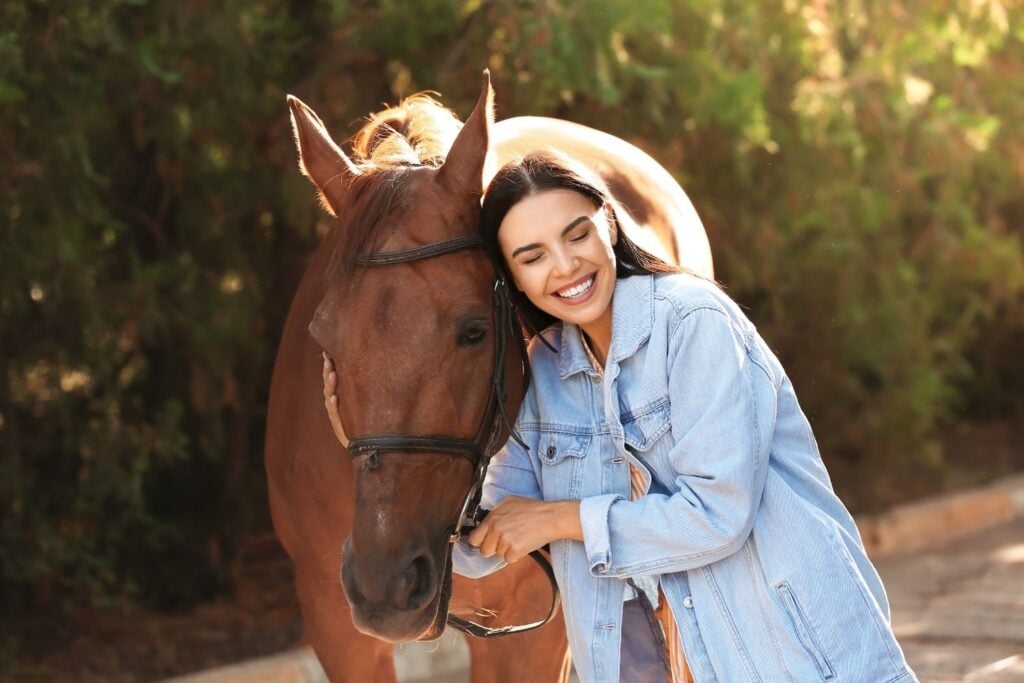
You can stand next to a thousand pound horse, run a hand down its neck, and believe you are the only one doing the communicating. That assumption is usually wrong. Long before a horse pins its ears or refuses a jump, it has already been signaling discomfort, curiosity, irritation, or trust. The problem is not silence. It is translation. The signs are small, fast, and easy to miss unless you know exactly where to look.
1. The ears shift before the body does.
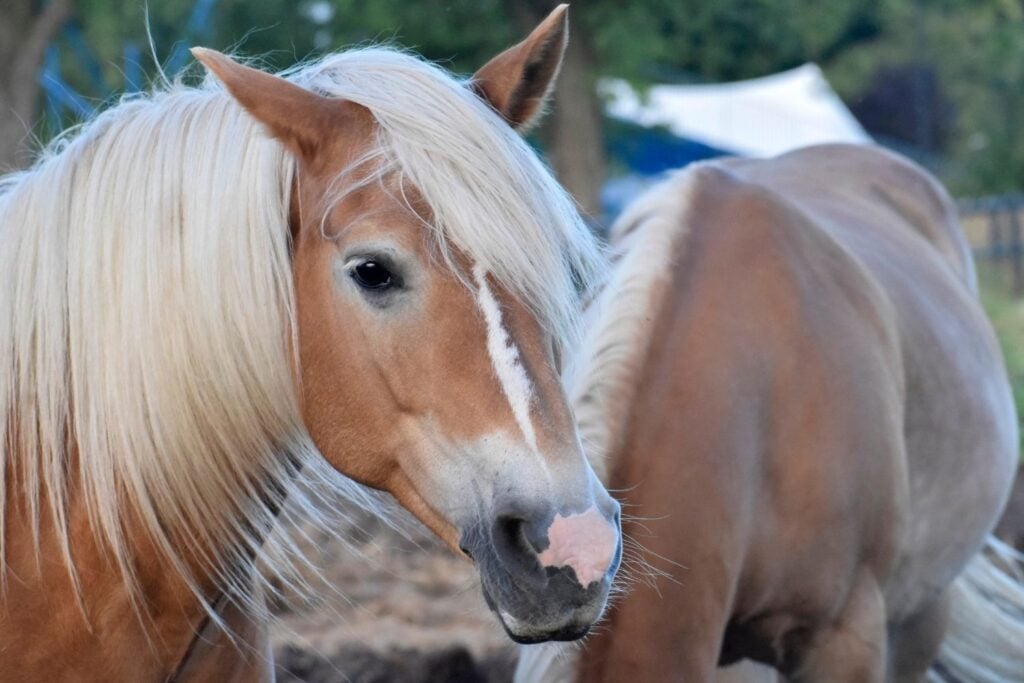
A horse’s ears can rotate nearly 180 degrees independently. Subtle flicks often signal attention changes seconds before the rest of the body reacts. Riders focused only on the reins frequently miss those early warnings.
When both ears lock forward, the horse is assessing something ahead. When one ear remains tuned to a rider’s voice while the other tracks movement behind, it reflects divided attention. Rapid ear swiveling can indicate rising anxiety before spooking occurs. Those signals precede visible tension.
2. Eye tension reveals emotional shifts early.
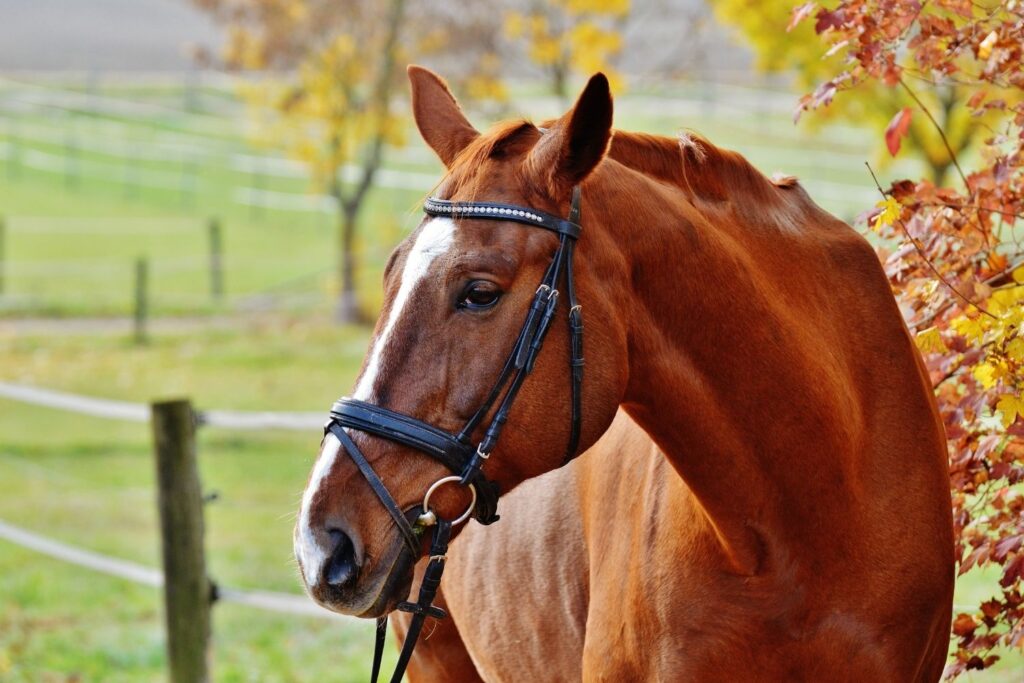
The area around a horse’s eye changes shape under stress. Tightening above the eyelid or increased visibility of the white sclera often signals discomfort or alarm before a larger reaction follows.
Researchers studying equine facial expressions have documented measurable changes in orbital tension during pain or fear. Riders who interpret a wide eye only after a bolt miss the buildup. The expression forms gradually, providing early information about emotional state.
3. Subtle nostril flaring signals rising alertness.
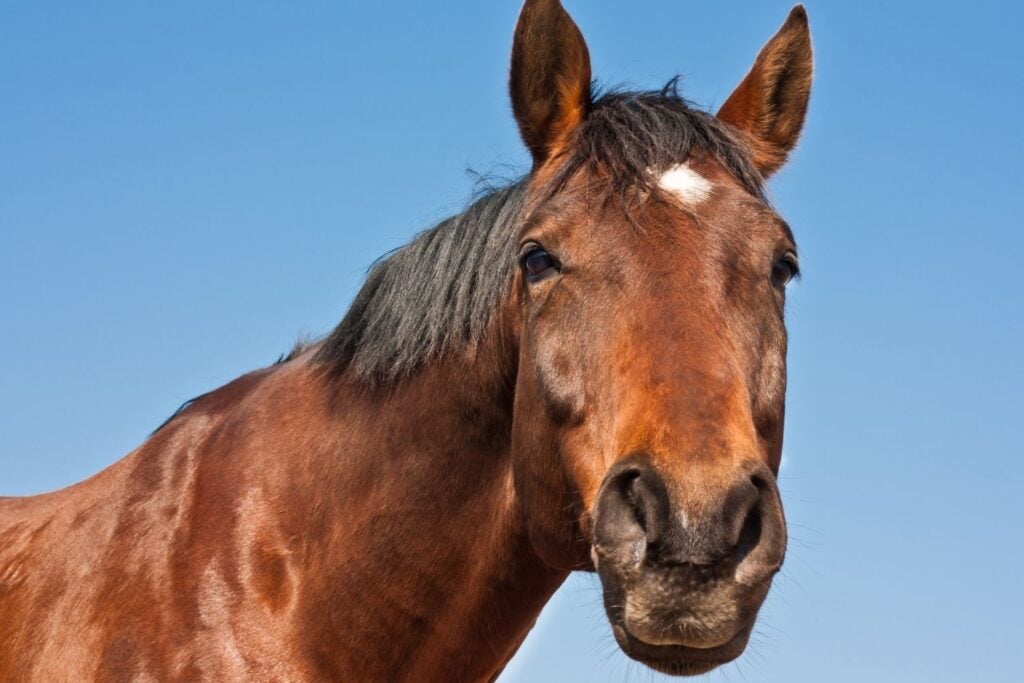
A slight flare of the nostrils can indicate heightened arousal or focused attention. It may occur well before a horse raises its head or shifts weight.
Respiratory changes accompany emotional shifts. Increased airflow through widened nostrils allows scent processing and oxygen intake during stress. Observing that flare during groundwork can reveal anticipation, uncertainty, or readiness long before a visible behavioral response emerges.
4. Tail position communicates social intention.
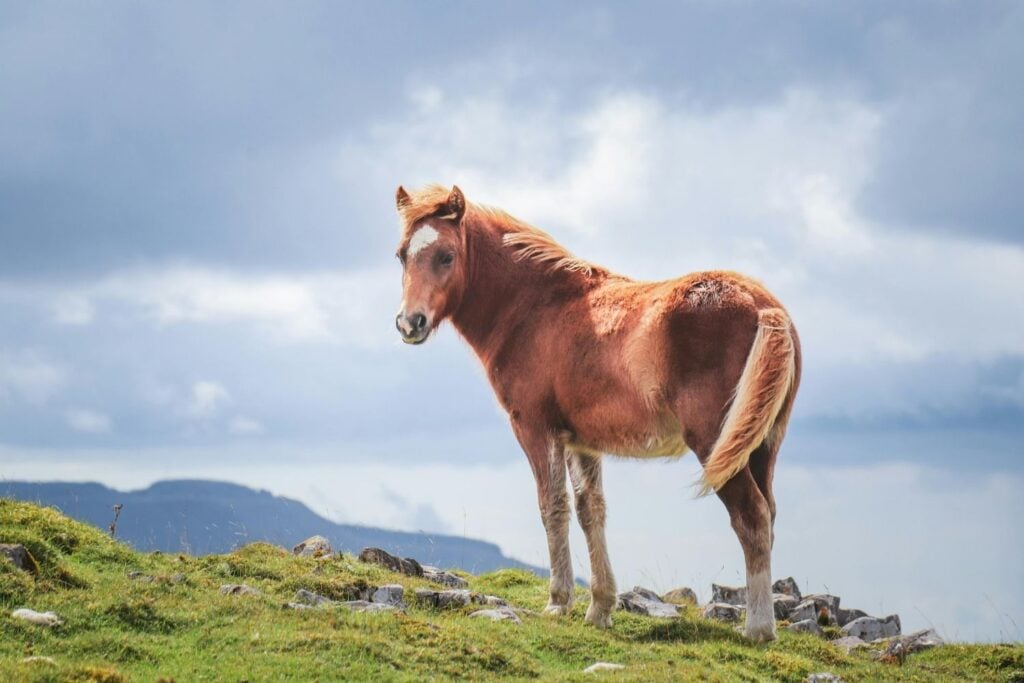
A tail clamped tightly against the hindquarters often reflects anxiety or discomfort. Conversely, a softly swinging tail indicates relaxation. Many handlers notice only dramatic swishing linked to irritation.
In herd settings, tail carriage influences social dynamics. A raised tail can signal excitement, while rigid movement suggests agitation. Recognizing nuanced changes prevents misinterpreting defensive behaviors as sudden or unpredictable.
5. Weight shifts forecast movement decisions.
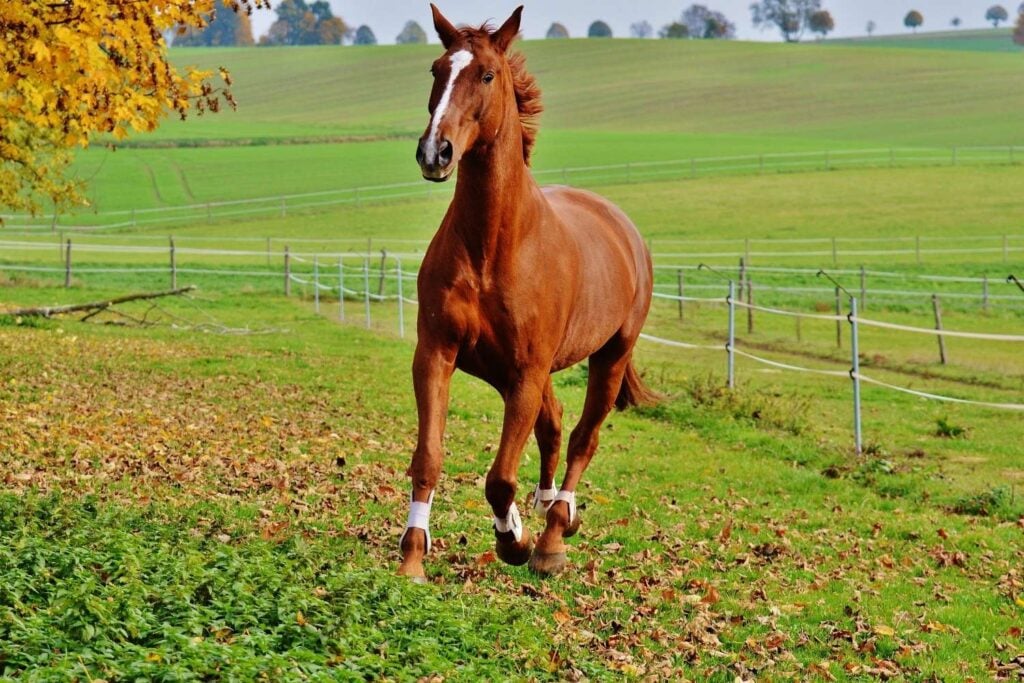
Before a horse steps sideways, backs up, or prepares to bolt, its weight redistributes. A subtle lean onto the forehand or slight shift to one hind leg often precedes larger motion.
Experienced trainers watch hooves rather than shoulders. Micro adjustments in balance communicate intention. Ignoring those early cues increases the chance of being caught off guard when the horse commits to movement.
6. Licking and chewing reflect processing moments.
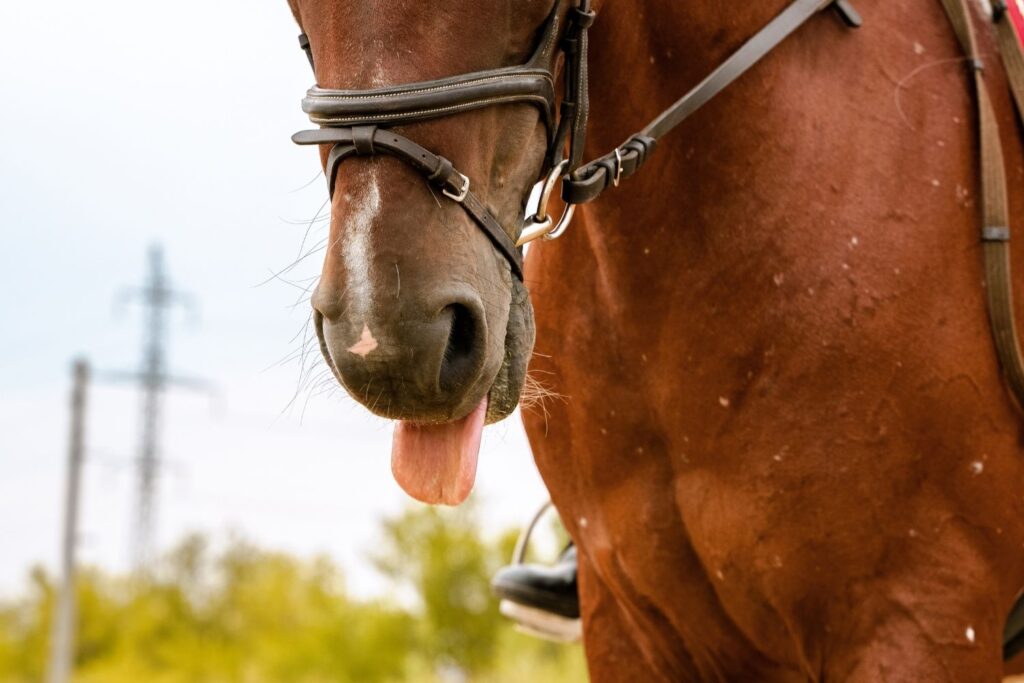
After a stressful stimulus passes, horses sometimes lick their lips or chew softly without food present. These behaviors frequently appear during training sessions.
Equine behavior specialists interpret licking and chewing as signs of release or cognitive processing. The gesture often follows a moment of tension. Recognizing it as communication rather than random movement changes how handlers pace instruction.
7. Muscle tension along the neck speaks volumes.
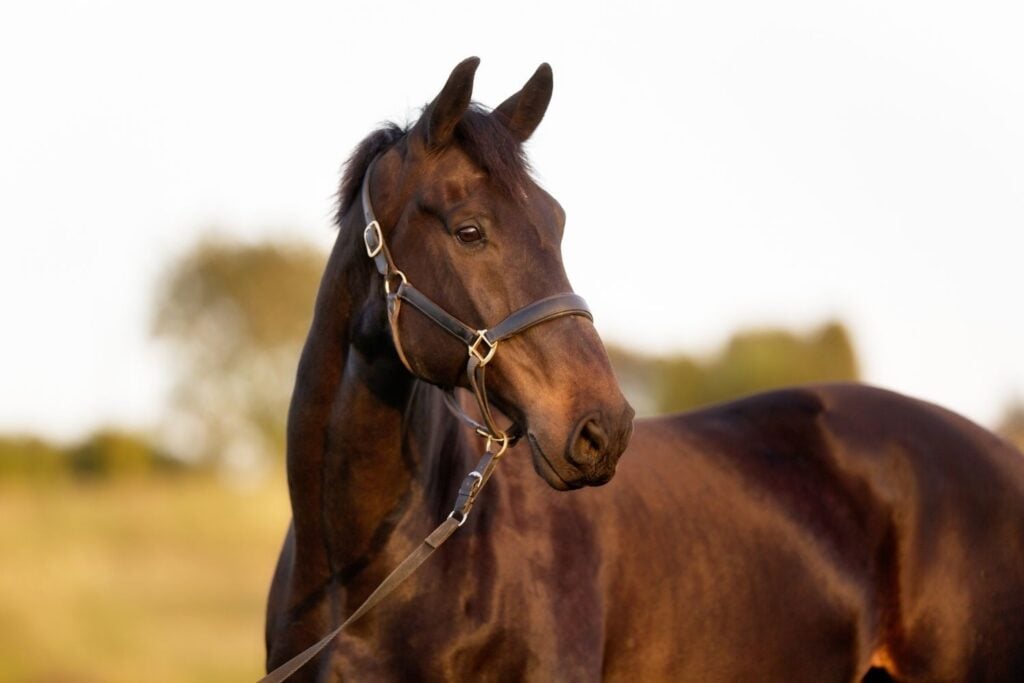
The crest of a horse’s neck tightens subtly when stress rises. Even before visible resistance, muscles may harden under a rider’s hand.
Touch becomes diagnostic. Running fingers along the neck during grooming can reveal tension patterns that precede behavioral resistance under saddle. These physical changes reflect internal state, not disobedience.
8. Breathing rhythm mirrors emotional state.
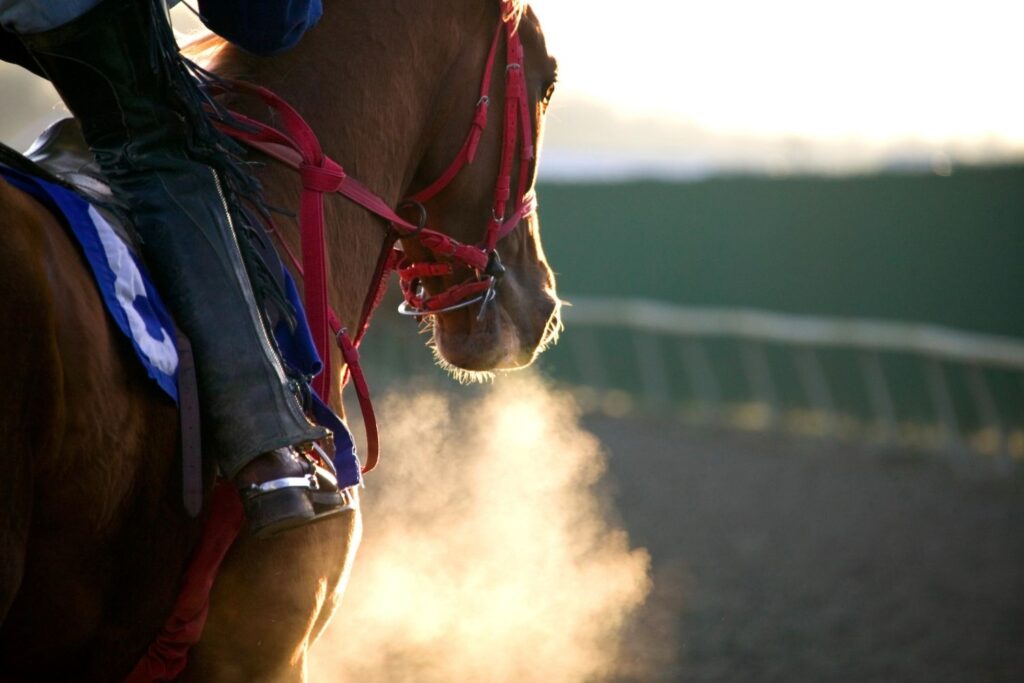
Horses alter breathing patterns under stress. Rapid shallow breaths can appear before dramatic reactions. Slow steady respiration typically accompanies calm focus.
Observing flank movement during groundwork offers insight into emotional stability. A sudden change in rhythm often signals that something in the environment has shifted the horse’s comfort threshold.
9. Lowered head indicates trust and comfort.
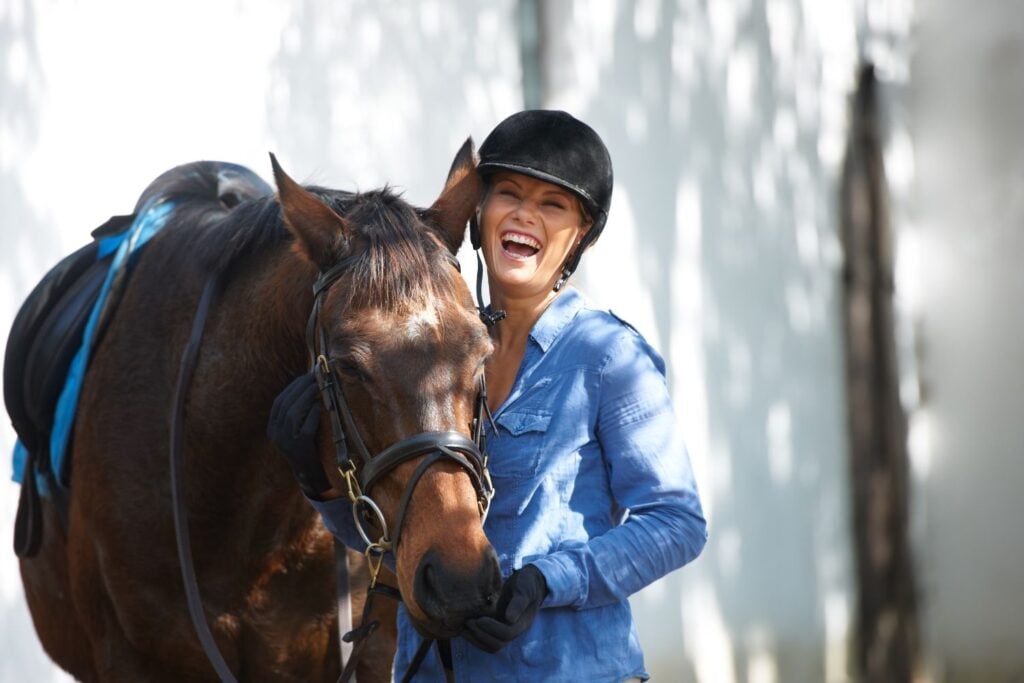
When a horse voluntarily lowers its head to human chest level or below, it often signals relaxation. This posture reduces defensive readiness.
In natural herd interactions, lowered head position reflects safety. Trainers who reward this posture reinforce calm states. The gesture may appear subtle but carries significant communicative weight about perceived security.
10. Stillness can be louder than motion.
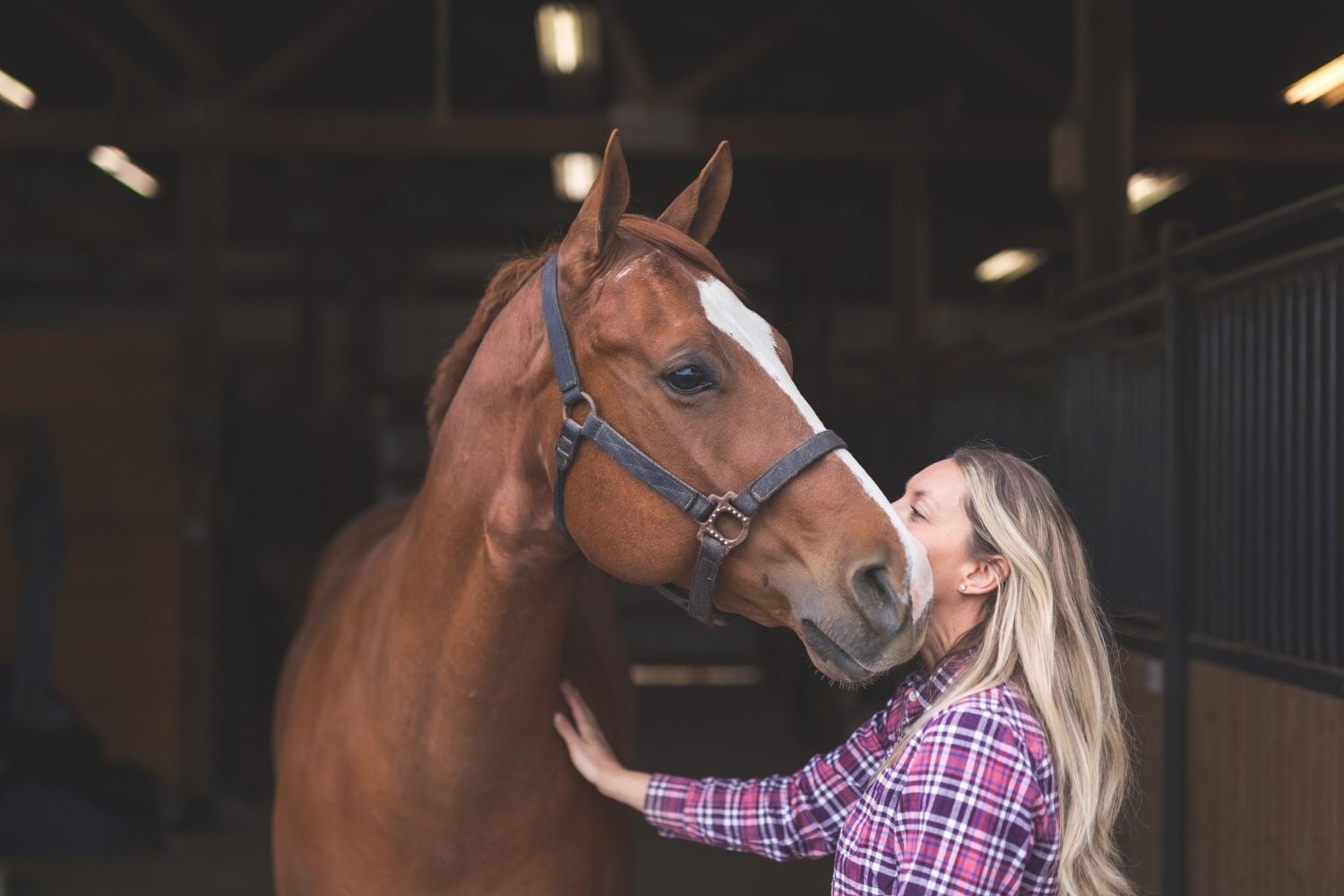
Not all communication involves movement. A horse that freezes rather than reacts may be signaling uncertainty. Stillness often precedes either flight or compliance.
Humans tend to interpret quiet posture as agreement. In reality, it may indicate intense evaluation. Recognizing that pause as part of dialogue rather than absence of response transforms how interactions unfold between species sharing space.