
Before laboratories, stables held the answers.

In the late nineteenth century, when cities feared diseases that struck without warning, some of the most advanced medical facilities did not resemble hospitals at all. They resembled barns. Behind brick research institutes in Paris, Berlin, and New York stood rows of stalls housing animals whose blood would become medicine. Few people today realize how deeply modern immunology depended on them. The story begins not in a sterile lab, but in hooves on cobblestone.
1. Percherons powered early diphtheria antitoxin production.

In the 1890s, diphtheria killed tens of thousands of children across Europe and North America each year. Laboratories at the Pasteur Institute in Paris and Emil von Behring’s facility in Germany relied heavily on large Percheron draft horses because their size allowed greater plasma extraction with fewer collections. Their calm temperament also reduced stress during repeated procedures.
Horses were gradually injected with increasing doses of inactivated diphtheria toxin to stimulate antibody formation. Veterinarians monitored health closely while blood was drawn and serum separated. Once purified, this antitoxin was shipped to hospitals worldwide. Mortality rates in treated patients dropped dramatically, making equine serum one of the first truly transformative biological therapies in modern medicine.
2. French draft breeds supported tetanus treatment.
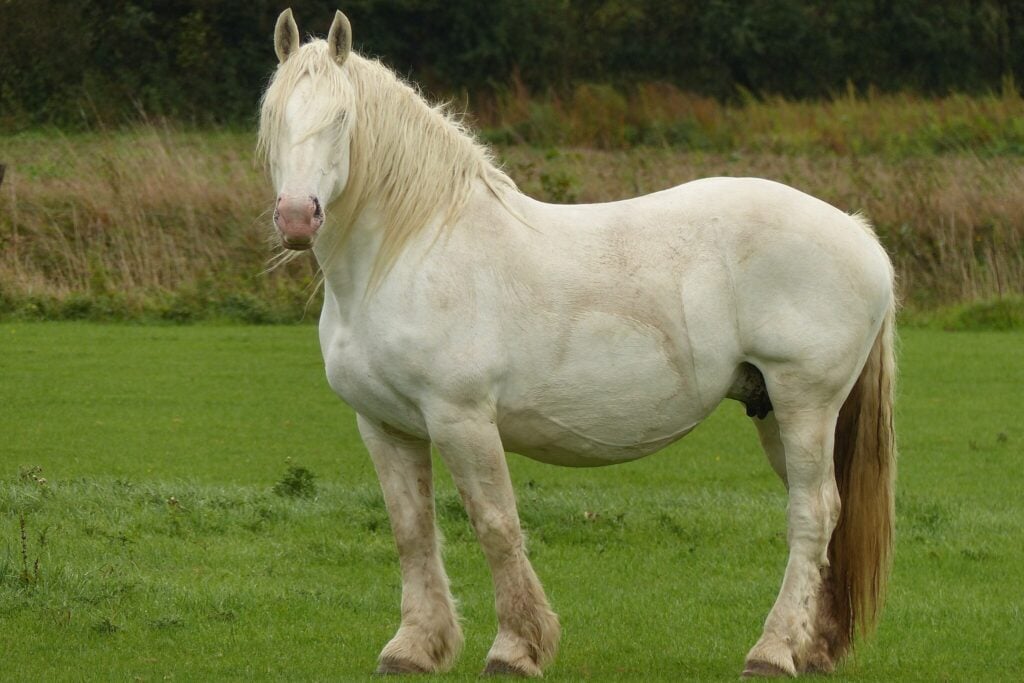
World War One created unprecedented demand for tetanus antitoxin. Battlefield injuries contaminated with soil frequently led to lethal infections. French draft horses housed at the Pasteur Institute and military laboratories were immunized against tetanus toxin to produce lifesaving serum.
Controlled injections stimulated the production of neutralizing antibodies. Blood was collected, plasma separated, and the antitoxin carefully filtered before transport to field hospitals across Europe. Reports from wartime medical units documented reduced tetanus mortality where serum was administered promptly. These horses became an unseen yet central component of military medical logistics during one of history’s most devastating conflicts.
3. Argentine Criollos enabled snake antivenom breakthroughs.
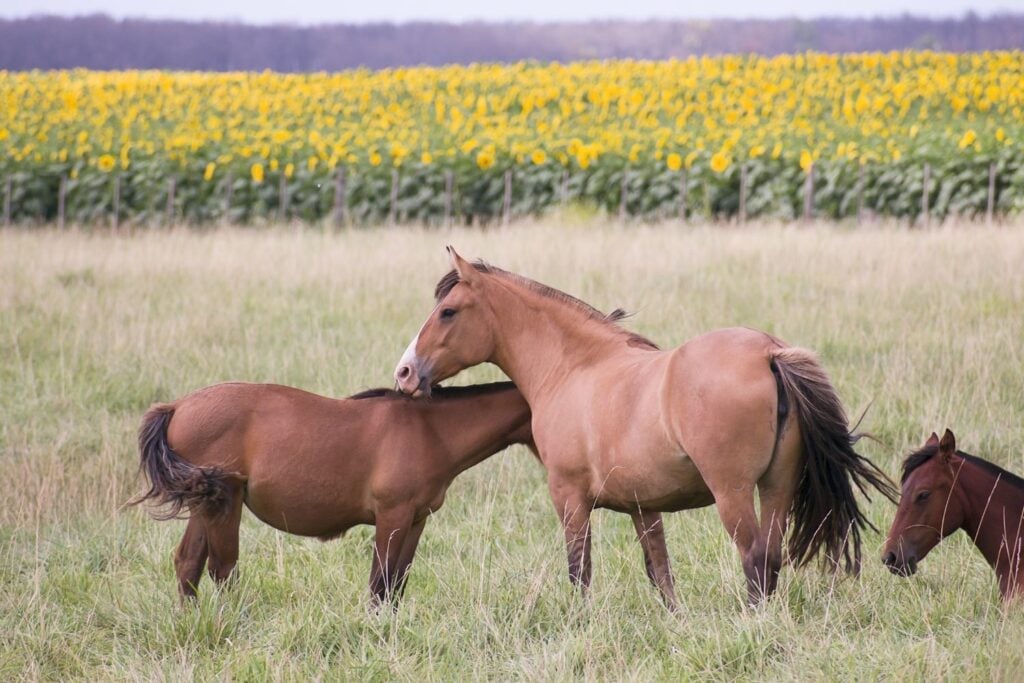
At the Instituto Butantan in São Paulo, founded in 1901, Argentine Criollo horses were selected for antivenom production because of their hardiness and adaptability to local climates. Agricultural workers across Brazil frequently suffered bites from Bothrops species, whose venom caused hemorrhage and organ failure.
Criollos were gradually exposed to minute quantities of venom to build immunity. Their plasma was harvested and refined into injectable antivenom. Distribution networks expanded throughout South America. Survival rates improved markedly in rural communities, transforming snakebite from near certain death into a treatable emergency.
4. American Standardbreds supplied rabies antiserum.
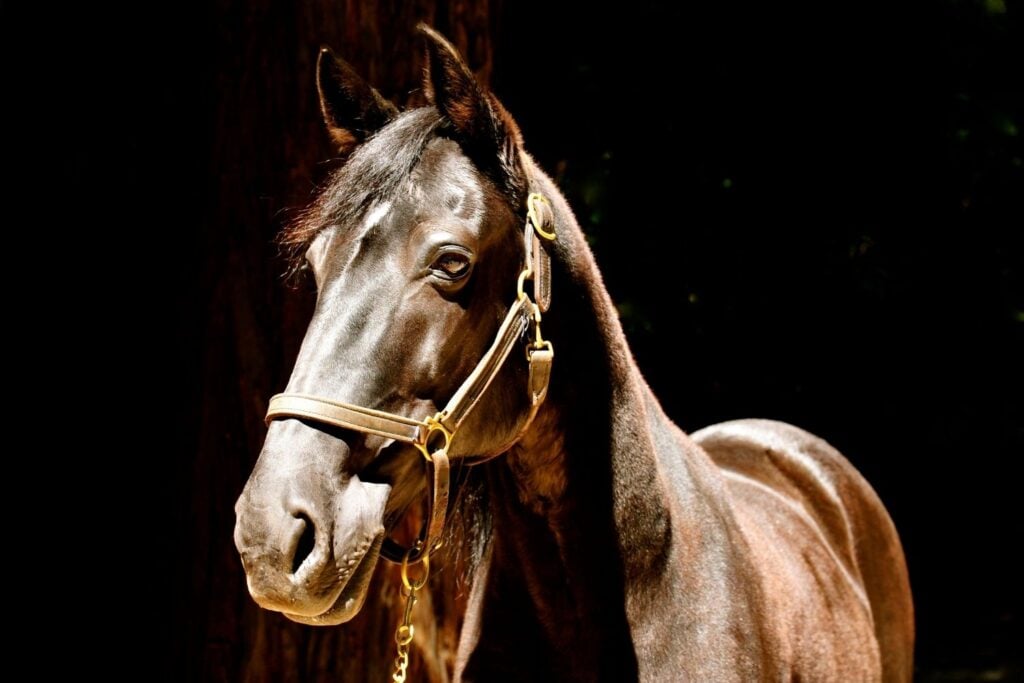
In the United States during the early twentieth century, American Standardbreds were among the breeds used in facilities producing rabies antiserum. Rabies carried an almost universal fatality rate once symptoms began, making preventive treatment critical after exposure.
Horses were immunized with viral preparations to stimulate antibody production. The resulting serum was administered to exposed individuals as part of early post exposure treatment protocols. Although later replaced by refined human immune globulin and modern vaccines, equine rabies antiserum represented a vital bridge in infectious disease management during a transitional era.
5. Lipizzan horses contributed to meningitis serum.
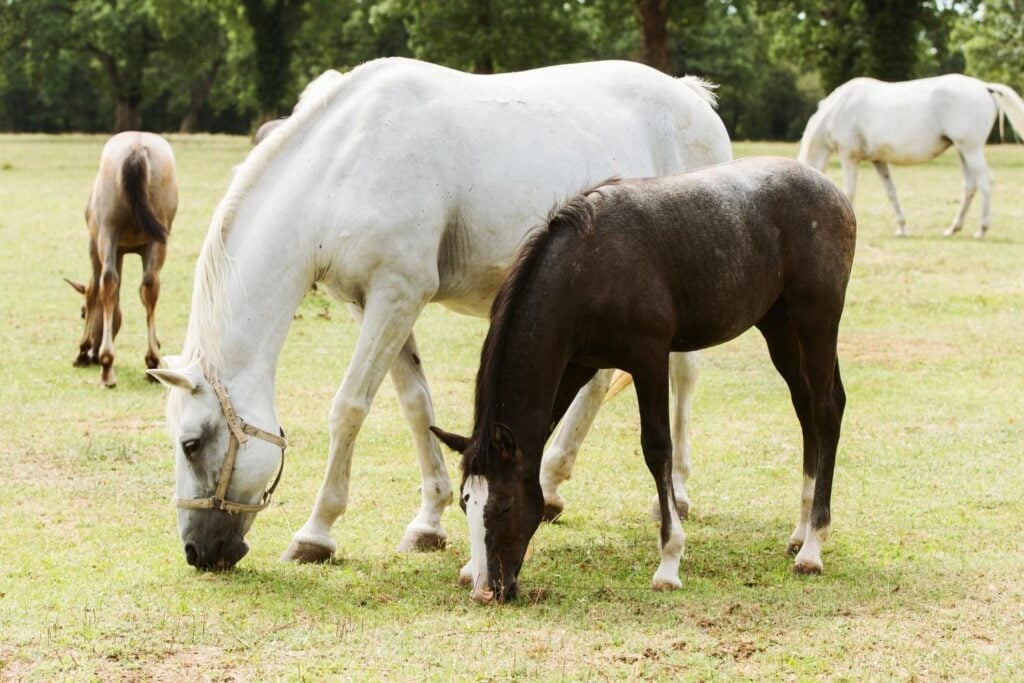
In Vienna and other centers of the Austro Hungarian Empire, Lipizzan horses were used in early experiments to produce meningococcal antiserum. Urban meningitis outbreaks posed severe threats in crowded European cities in the early 1900s.
Immunized horses generated antibodies against meningococcal bacteria. Physicians administered serum to infected patients with varying but often encouraging results. While antibiotics later eclipsed this therapy, the process refined purification methods and dosing standards that influenced broader immunological research.
6. Icelandic horses assisted Scandinavian serum programs.

Scandinavian research institutes in the early twentieth century utilized Icelandic horses due to availability and resilience in northern climates. Though smaller than continental drafts, these horses proved reliable for regional diphtheria and tetanus antitoxin programs.
Veterinary oversight ensured repeated immunization did not compromise health. Serum produced in these facilities supplied local hospitals, reducing dependence on imported treatments. The work demonstrated that even modest laboratories could participate in expanding biological medicine.
7. Heavy German drafts fueled industrial scale output.
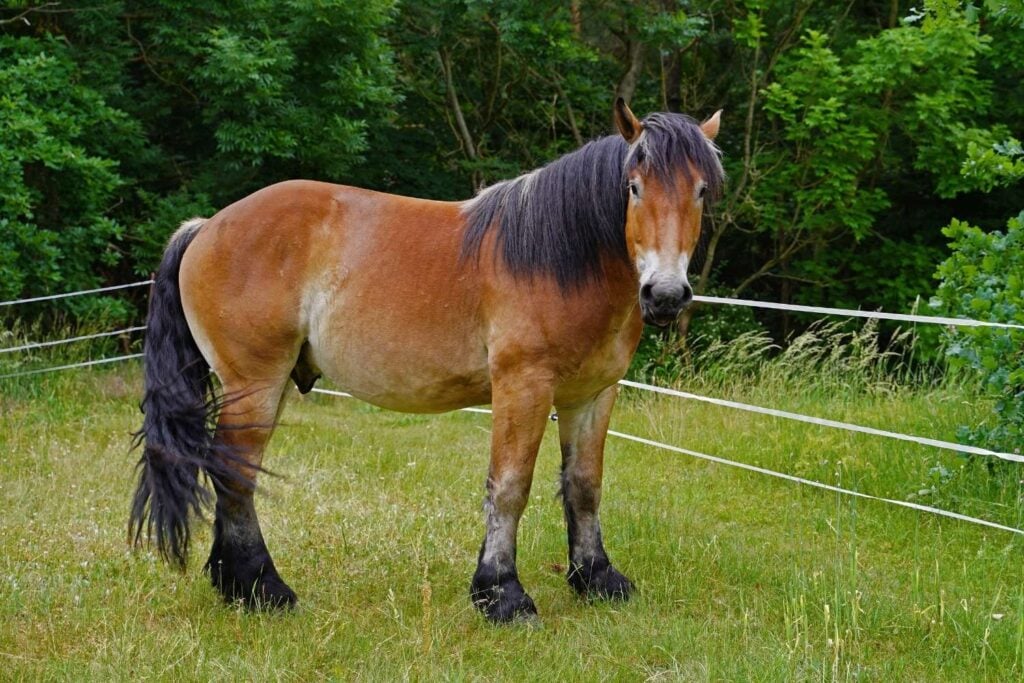
As serum demand increased across Europe, German laboratories expanded production using large draft breeds capable of yielding substantial plasma volumes. Facilities operated with near industrial efficiency by the early 1900s.
Regular immunization schedules, veterinary care, and systematic blood collection turned stables into proto pharmaceutical plants. Output scaled to meet national and international needs. This model of organized biological manufacturing foreshadowed modern biopharmaceutical infrastructure.
8. Mongolian horses shaped traditional tuberculosis care.
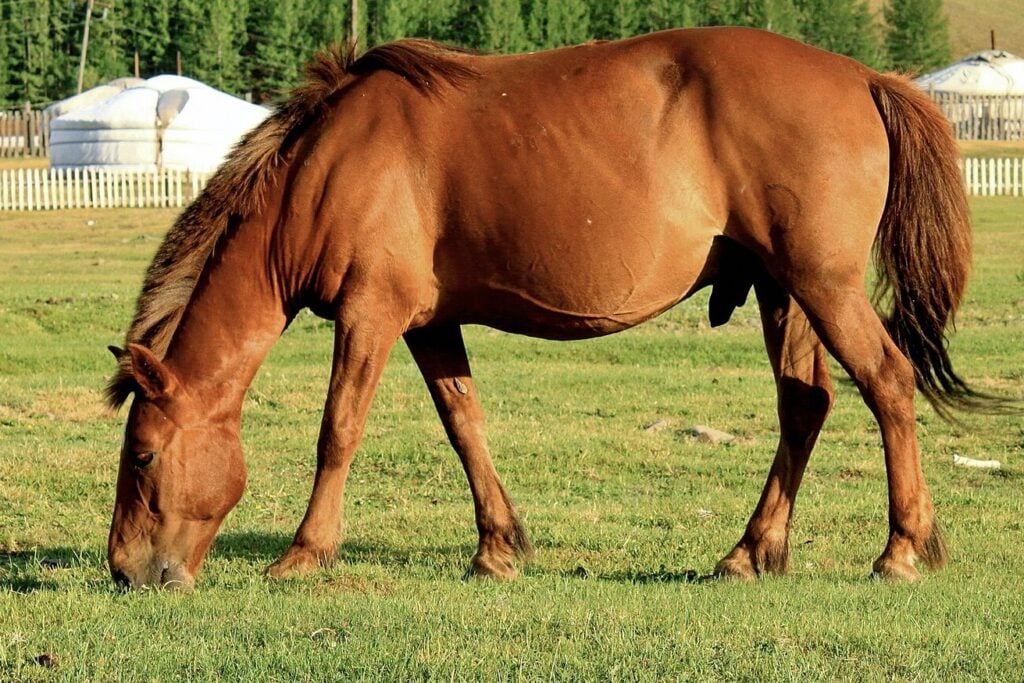
In Mongolia and parts of Russia, fermented mare’s milk known as airag played a role in tuberculosis sanatoria during the nineteenth century. Mongolian horses provided the milk used in these structured treatment programs.
Patients consumed fermented mare’s milk daily under medical supervision. Though not an antibody therapy, the regimen was believed to improve nutrition and immune resilience. Before antibiotics, such treatments reflected creative attempts to harness equine resources in chronic disease care.
9. Belgian draft breeds expanded plasma yields.
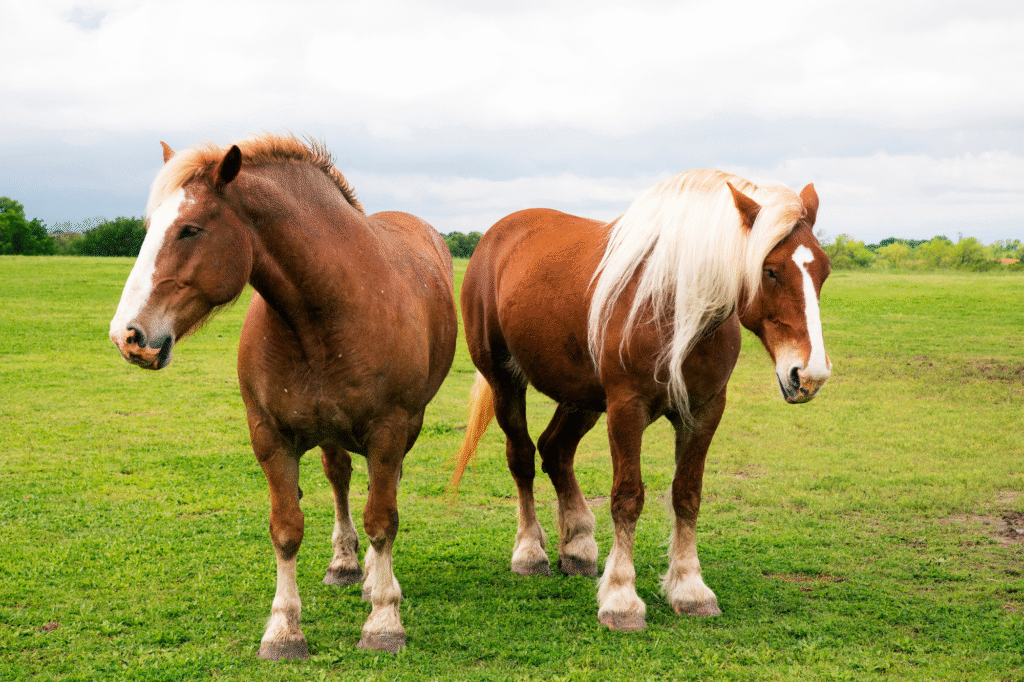
Belgian draft horses were favored in several European serum production centers for their substantial body mass and steady disposition. Larger blood volume allowed higher antibody yield per extraction cycle.
This efficiency enabled laboratories to distribute antitoxins across regions facing epidemics. The reliance on specific heavy breeds illustrates how animal physiology directly influenced therapeutic scalability during early immunological expansion.
10. Thoroughbreds later aided research refinement.
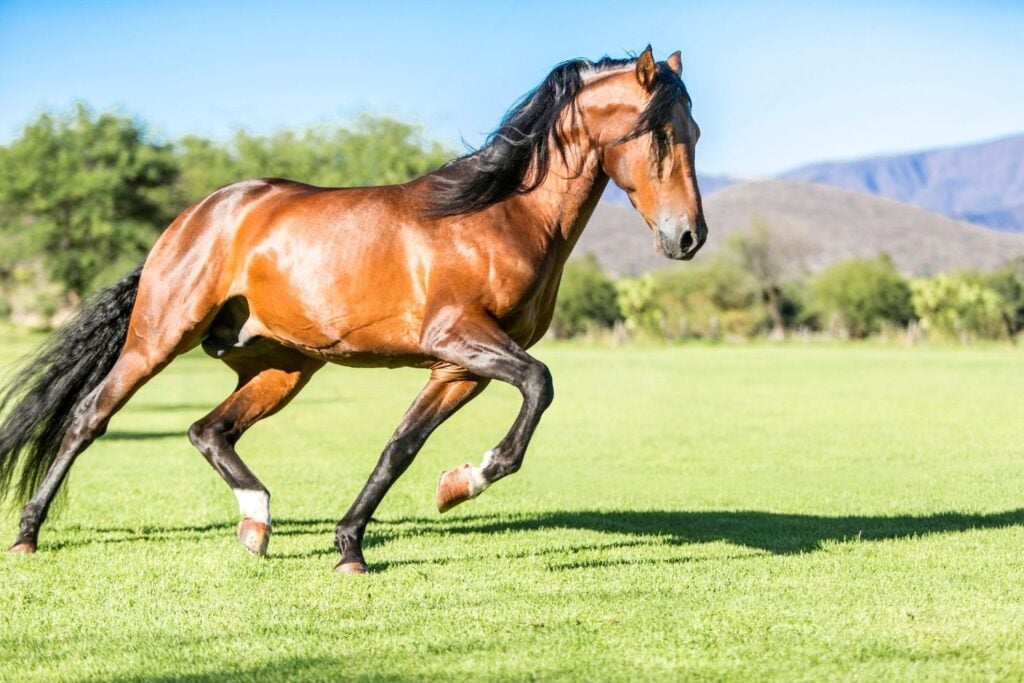
By the mid twentieth century, Thoroughbreds and mixed breeds were incorporated into research settings focused on refining antibody purification and studying immune response mechanisms rather than purely mass production.
These horses contributed to controlled experiments that improved serum safety and reduced adverse reactions. Although synthetic and recombinant technologies eventually reduced reliance on equine plasma, the groundwork laid by these animals shaped the evolution of immunology, vaccine science, and global public health systems.