
What looks like stubbornness may be something deeper.
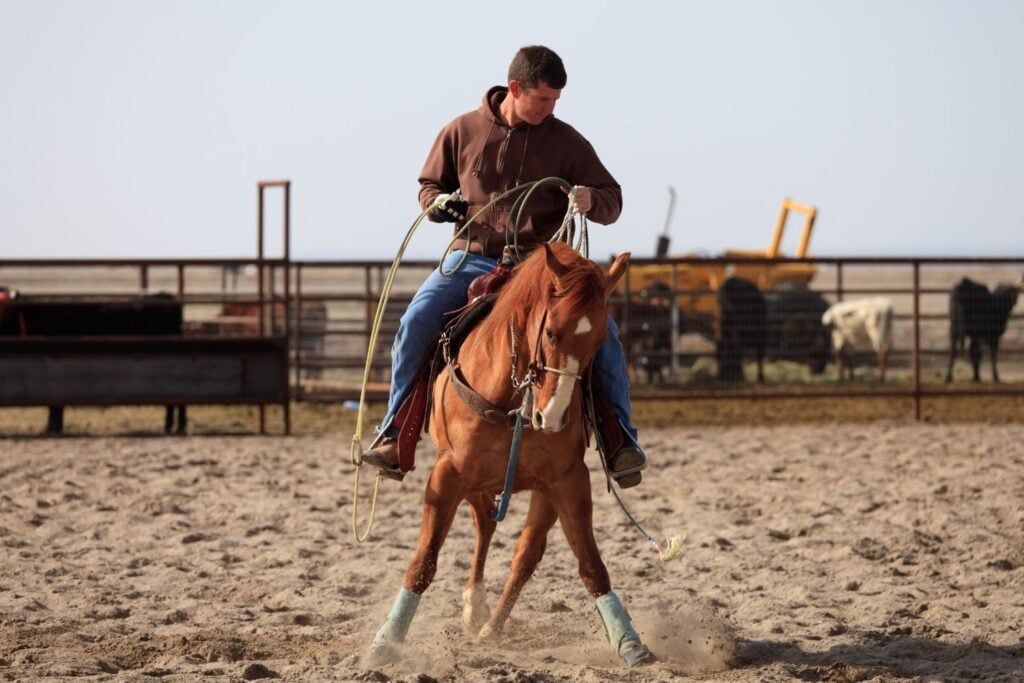
Anyone who has spent time around horses has seen it happen. A calm, capable horse suddenly resists a specific rider for reasons no one can immediately explain. Trainers debate it, owners downplay it, and riders often take it personally. Yet refusals like this are not random. They unfold at barns, lesson programs, and trails across the world, often without visible warning. The stakes are real because misunderstanding a refusal can lead to injury, broken trust, or lasting behavioral issues.
1. Horses sense tension before riders realize it.
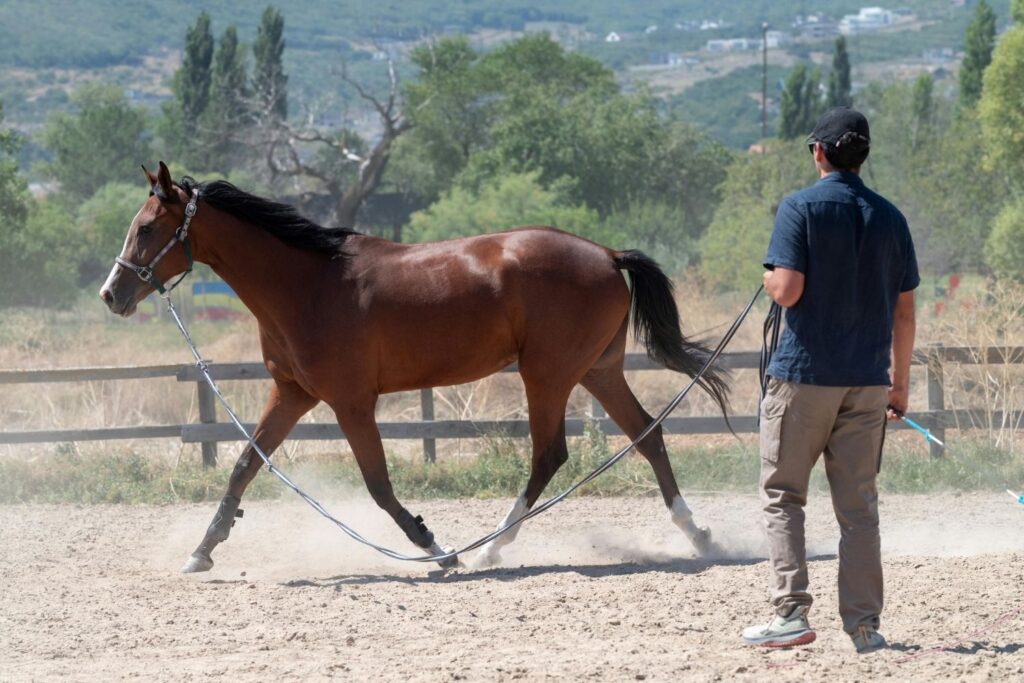
A horse may hesitate, stiffen, or refuse to move long before a rider notices anything wrong. That pause can feel insulting or defiant, especially when the same horse performs smoothly with others. Riders often assume the issue is attitude rather than perception.
Horses are highly attuned to muscle tension, breathing patterns, and posture changes. Subtle anxiety in a rider alters balance and pressure through the saddle. The horse reacts to that shift instinctively, even when the rider believes they feel calm and confident.
2. Past handling creates invisible associations that linger.
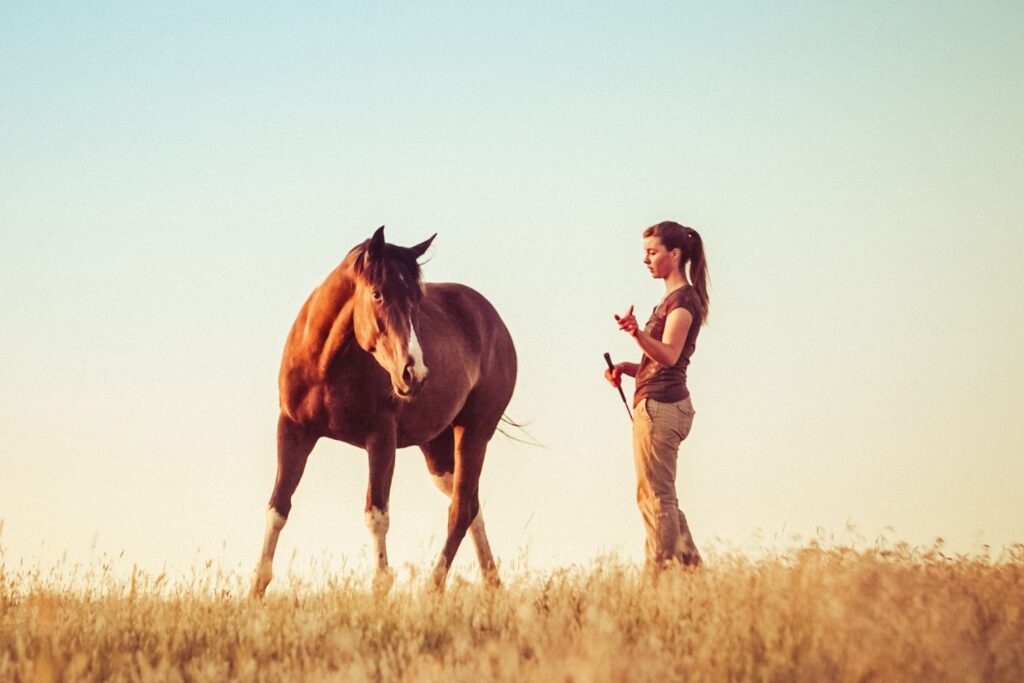
A horse refusing a rider may be responding to something long forgotten by humans. The behavior can seem sudden, but the trigger may be rooted in earlier experiences. This creates confusion when no obvious conflict has occurred recently.
Horses form strong associative memories. A rider’s voice, body shape, or handling style can resemble someone linked to discomfort or fear. Even neutral actions may revive those associations. The refusal is often protective rather than oppositional.
3. Inconsistent cues create confusion instead of cooperation.
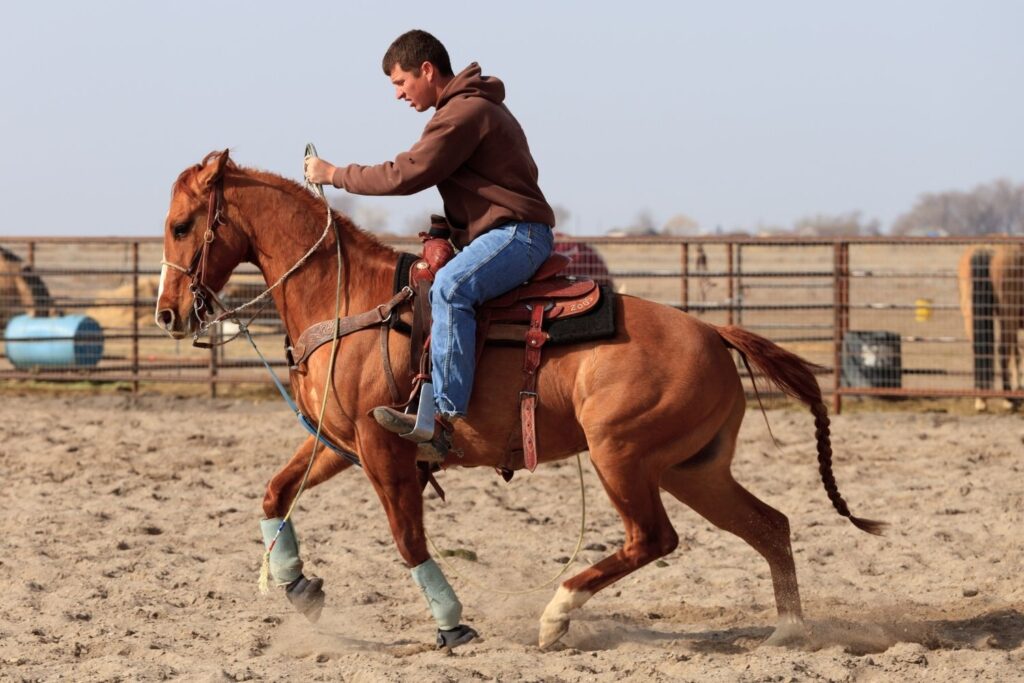
What feels like resistance can actually be hesitation caused by mixed signals. A horse asked to move forward while simultaneously restricted may stop entirely. The rider experiences refusal, but the horse experiences contradiction.
Horses rely on clarity and timing. When leg, rein, and seat cues conflict, the safest response is to pause. Some riders unknowingly send opposing messages. The horse avoids guessing wrong by refusing until the communication makes sense again.
4. Subtle physical discomfort amplifies rider differences.
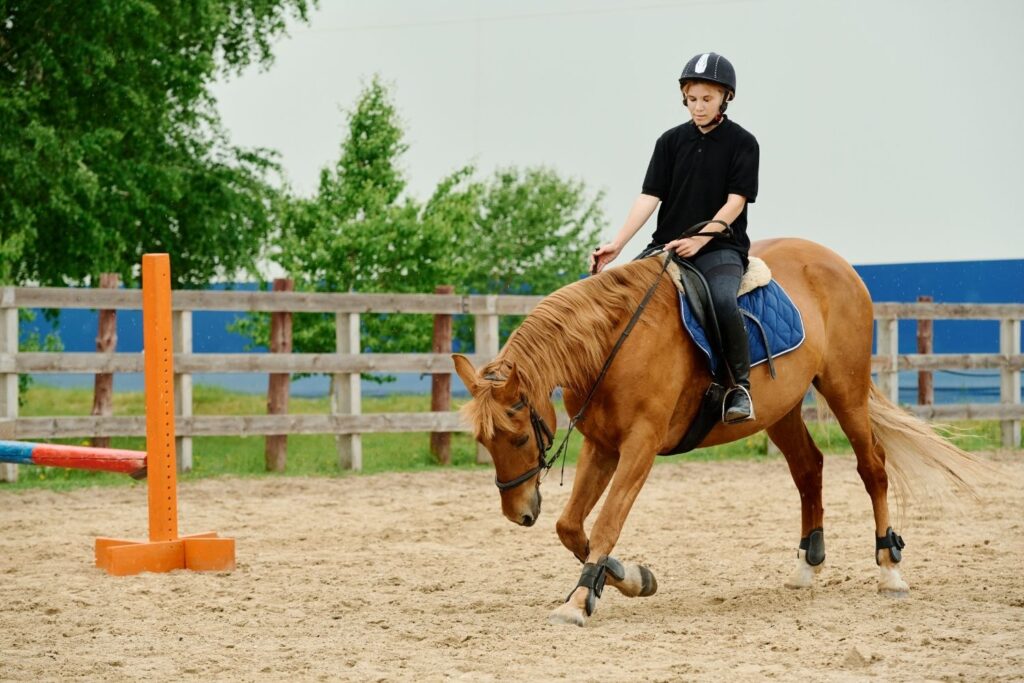
A horse that tolerates one rider may resist another because of how weight is distributed. Even small differences in balance can create pressure points. The horse responds to discomfort rather than personality.
Saddle fit, rider symmetry, and posture matter deeply. A slightly heavier or less balanced rider can aggravate soreness that remains unnoticed. The refusal acts as feedback. Without investigation, that signal is often misunderstood or ignored.
5. Energy mismatches disrupt the horse’s sense of safety.
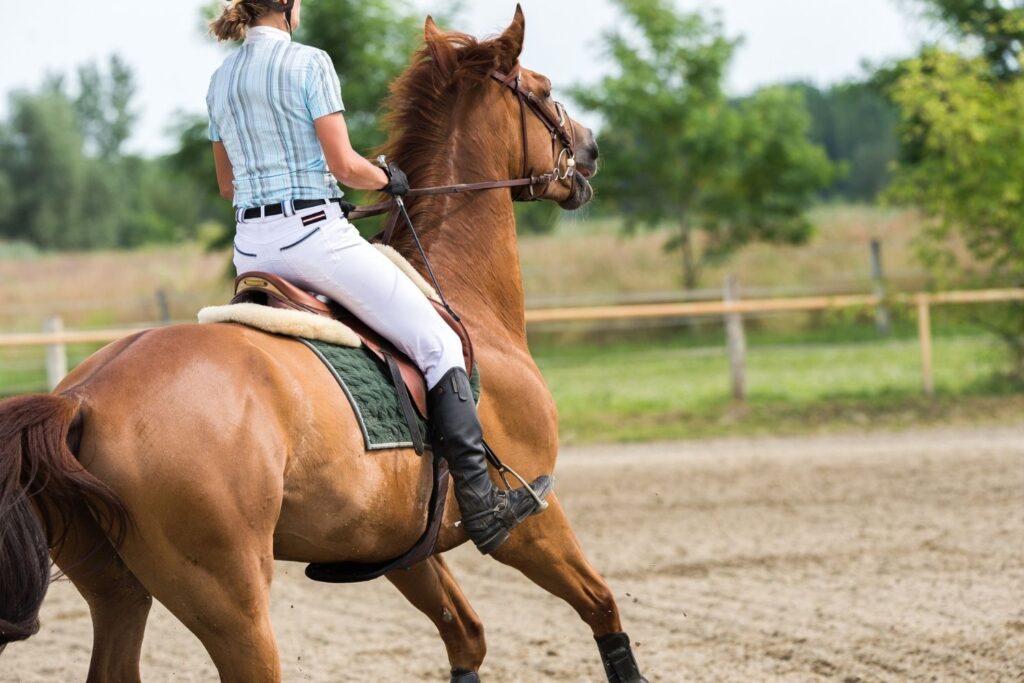
Some riders move too fast, others too slowly. A mismatch in rhythm can unsettle a horse accustomed to a certain pace. The result may look like stubbornness when it is actually caution.
Horses prefer predictable energy. When a rider’s movements feel erratic or overly forceful, the horse may freeze or resist. This response stabilizes the situation. Refusal becomes a way to regain control when the interaction feels unsafe.
6. Horses respond differently to confidence and dominance.
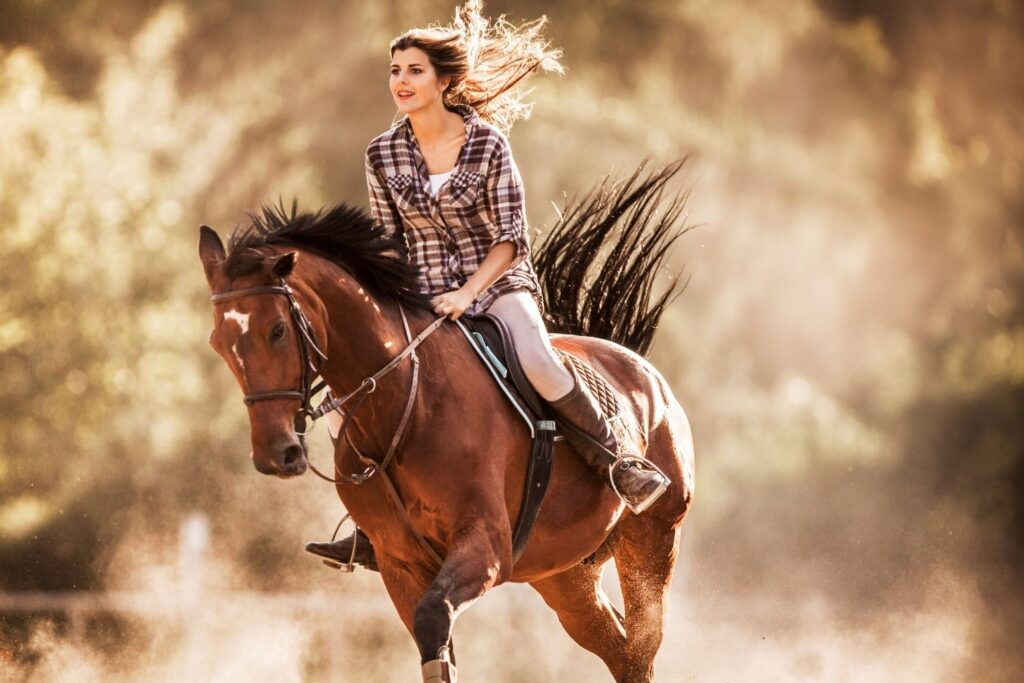
Confident riding is not the same as forceful riding. Horses distinguish between calm leadership and pressure driven control. When that line is crossed, resistance often follows.
A rider attempting to assert dominance may create tension rather than trust. Horses react by shutting down or refusing movement. With other riders who communicate quietly, the same horse may appear willing and compliant, reinforcing the confusion.
7. Smell and chemistry influence equine reactions.
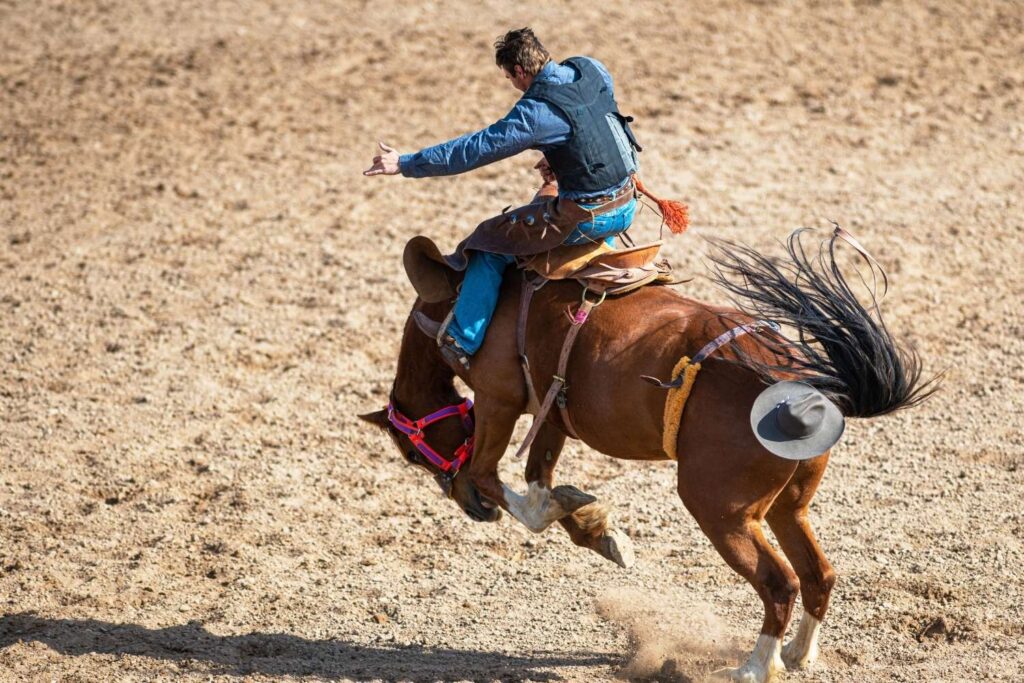
Horses possess a keen sense of smell that humans underestimate. Changes in scent can alter how a horse perceives a rider. This factor is rarely considered when refusals occur.
Stress hormones, medications, and unfamiliar scents signal emotional states to horses. A rider under pressure may smell different, triggering alertness. The horse’s refusal reflects caution toward what feels unpredictable or unfamiliar.
8. Environmental context changes how horses assess riders.
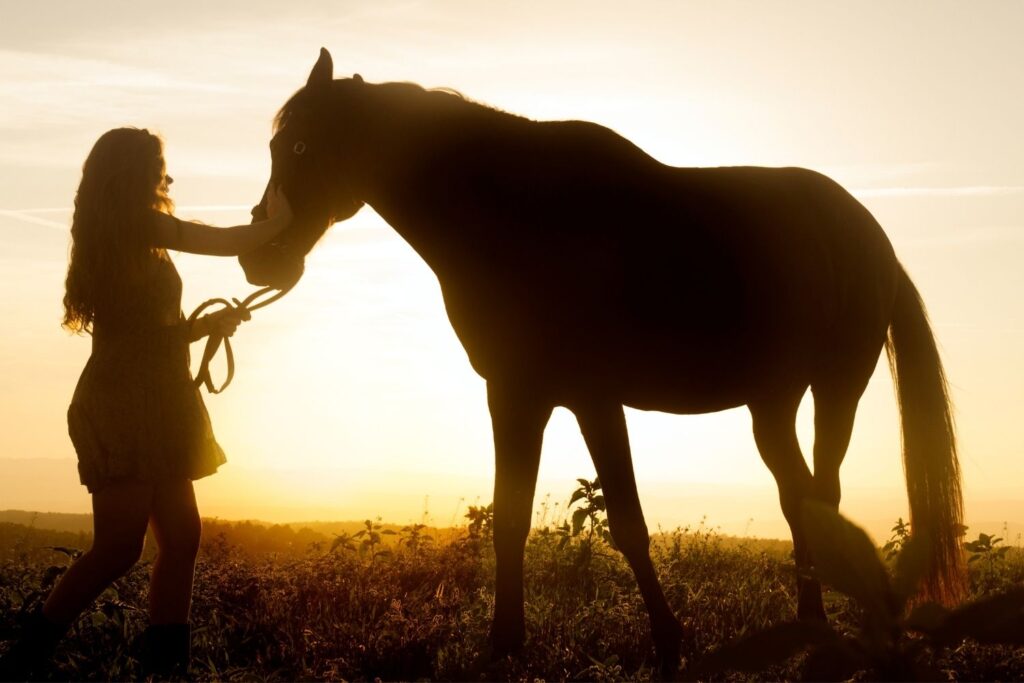
A horse may accept a rider in one setting and refuse in another. That inconsistency frustrates people but follows a pattern from the horse’s perspective. Context shapes perception.
Lighting, footing, noise, and spatial layout affect how horses interpret cues. A rider associated with uncertainty in a specific environment may be refused there but not elsewhere. The horse is responding to combined factors, not the rider alone.
9. Horses often test trust before offering cooperation.
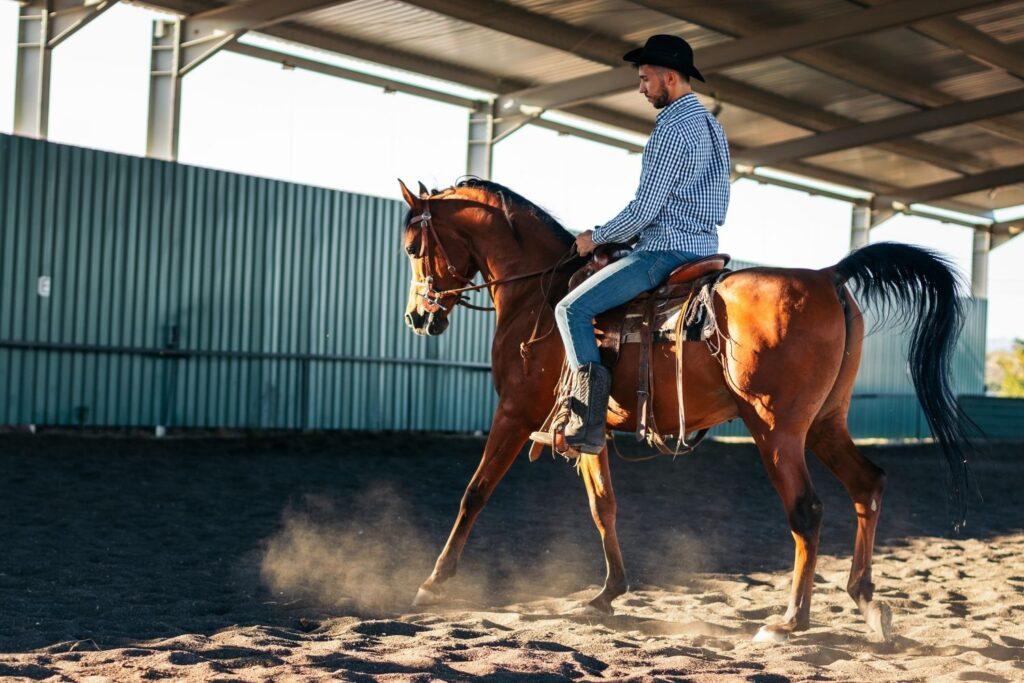
Refusal can be a boundary check rather than rejection. The horse pauses to assess whether the rider will respond with clarity or frustration. The moment carries weight.
Horses learn quickly from these interactions. A calm response builds trust, while punishment reinforces avoidance. What appears as refusal may actually be a question. How the rider answers determines whether the partnership deepens or fractures.