
Survival depends on more than strength alone.
Horses survive in deserts, tundra, mountains, and coastal plains, yet the physical cost of those environments is often underestimated. From heat waves in central Australia to subzero winters on the Mongolian steppe, equine bodies face extremes that threaten circulation, hydration, and muscle function. Adaptation is not cosmetic, it is structural and physiological. Veterinarians and biologists continue to uncover how these animals adjust in real time and across generations. The stakes rise as climate volatility increases, testing limits long assumed stable.
1. Seasonal coat growth regulates heat loss and gain.
In extreme climates, temperature swings can overwhelm large mammals quickly. Horses exposed to cold snaps or sudden heat waves face rapid energy loss or overheating. Failure to regulate body temperature threatens mobility, digestion, and immune response. Wild populations without shelter are especially vulnerable when weather shifts faster than physiology can respond.
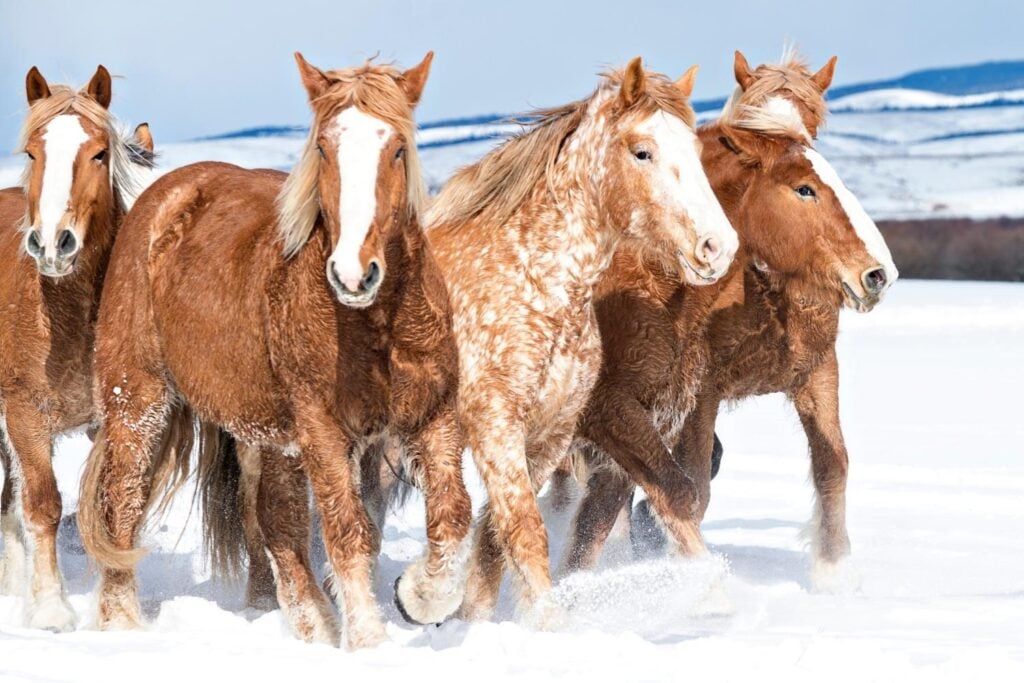
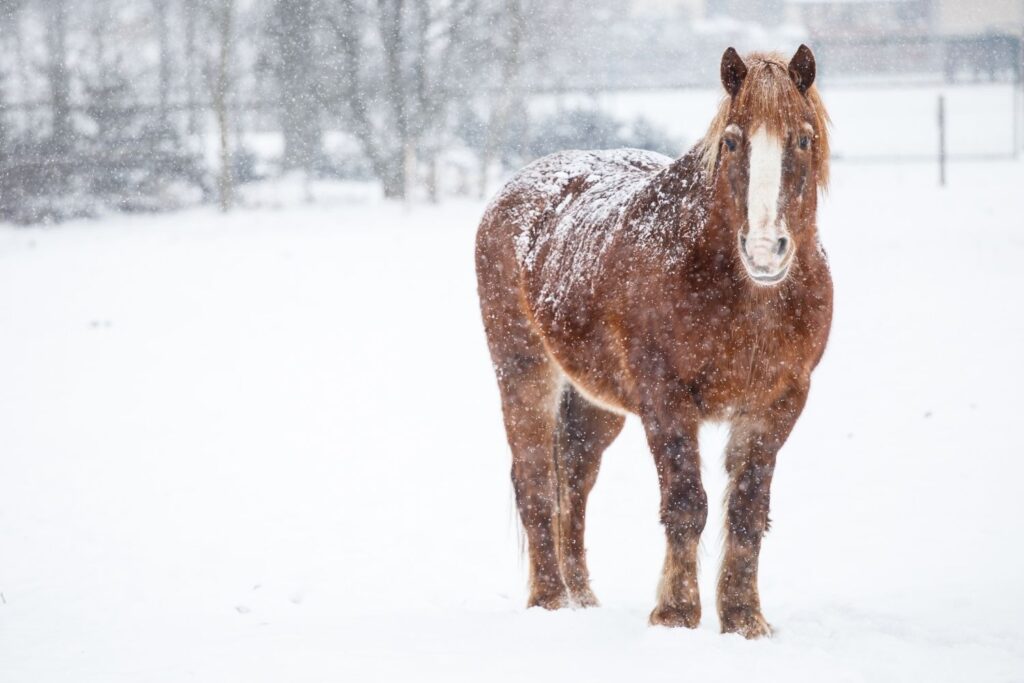
Horses adapt by growing dense winter coats and shedding them efficiently during warmer months. Hair length, density, and oil production shift with daylight changes. This biological response reduces heat loss in winter and prevents overheating in summer, allowing survival across regions with dramatic seasonal contrast over long periods naturally.
2. Skin blood flow adjusts to conserve heat.

Cold exposure places immediate strain on circulation. Without rapid adjustment, extremities risk tissue damage while core organs compete for warmth. In hot climates, the opposite danger appears as internal heat builds faster than it can dissipate.
Horses regulate blood flow near the skin to manage heat exchange. In cold conditions, vessels constrict to conserve warmth. During heat, vessels dilate, allowing excess heat to release through the skin. This vascular flexibility helps stabilize core temperature under opposing extremes without exhausting energy reserves prematurely.
3. Hoof structure changes with terrain and moisture.
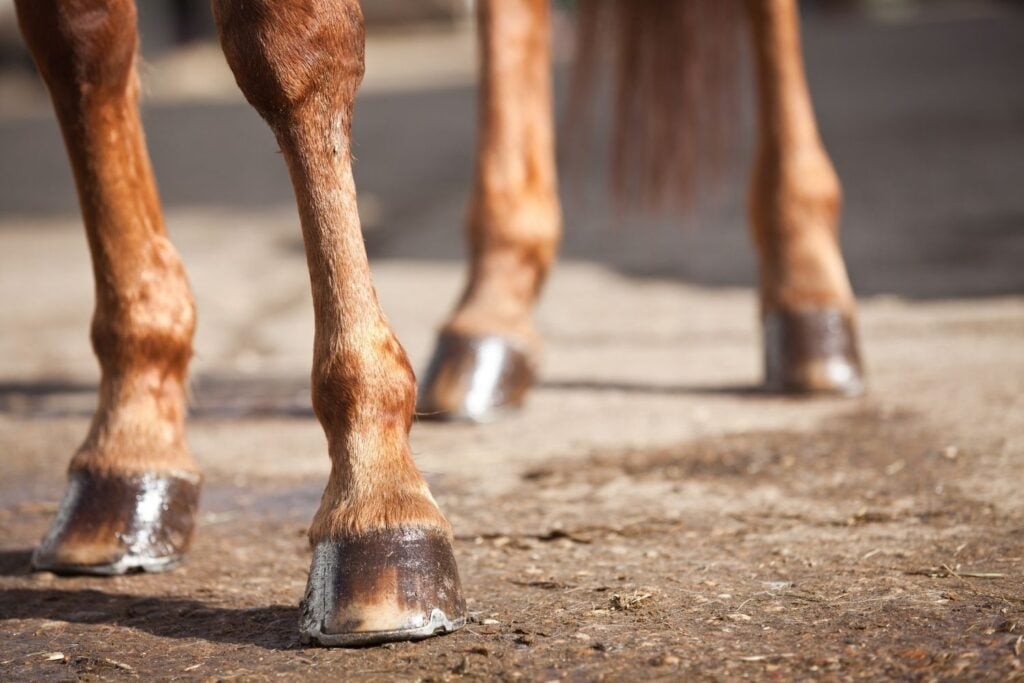
Ground conditions vary dramatically between frozen plains, dry deserts, and wetlands. Hooves that fail to adjust crack, soften, or lose traction, increasing injury risk. A single structural weakness can mean lameness or death in wild environments.
Horse hooves adapt by altering growth rate, density, and moisture balance. In dry climates, hooves harden and thicken. In wetter regions, they remain broader and more flexible. This responsiveness allows horses to move safely across varied surfaces while maintaining durability.
4. Body size shifts influence heat retention.
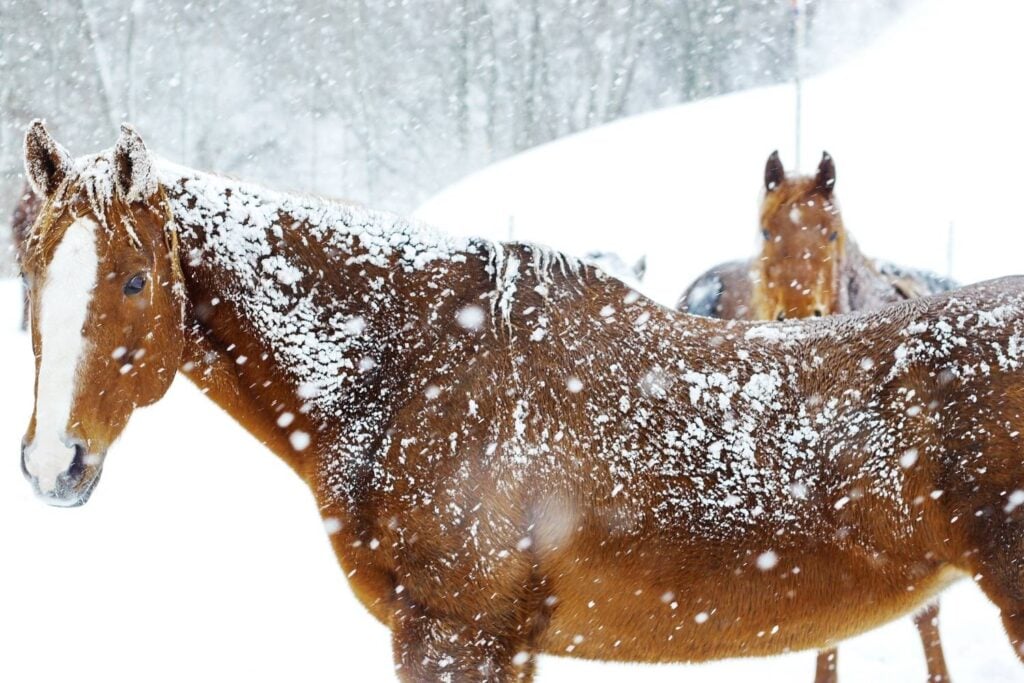
Large bodies retain heat more effectively, while smaller frames shed it faster. In extreme climates, size can determine survival. Horses that cannot balance mass with temperature demands face constant stress.
Populations in colder regions often develop stockier builds with reduced surface area. In hotter climates, leaner frames dissipate heat efficiently. These structural trends reduce metabolic strain and reflect long term adaptation rather than short term conditioning alone.
5. Fat distribution supports insulation and energy storage.
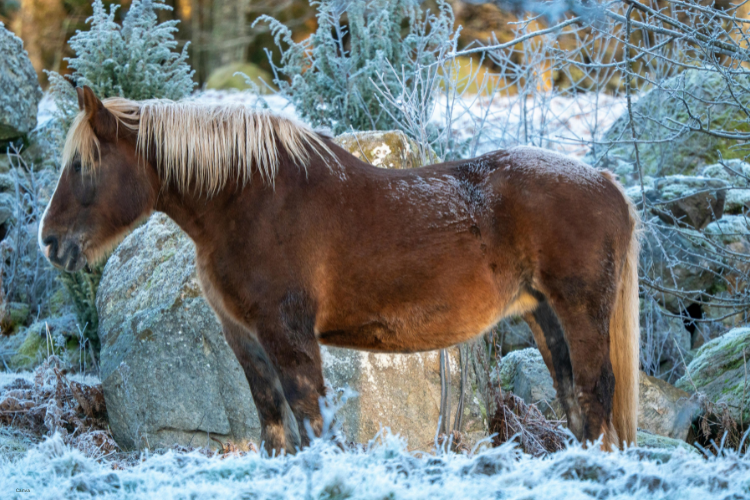
Extreme cold increases calorie demands dramatically. Without insulation and reserves, horses burn muscle rapidly. Energy depletion weakens immune response and movement capacity.
Horses adapt by storing fat strategically along the neck, ribs, and hindquarters. These deposits insulate against cold and provide energy during scarce forage periods. In warmer climates, fat levels remain lower, reducing heat retention that would otherwise cause stress.
6. Digestive efficiency adjusts to limited forage.
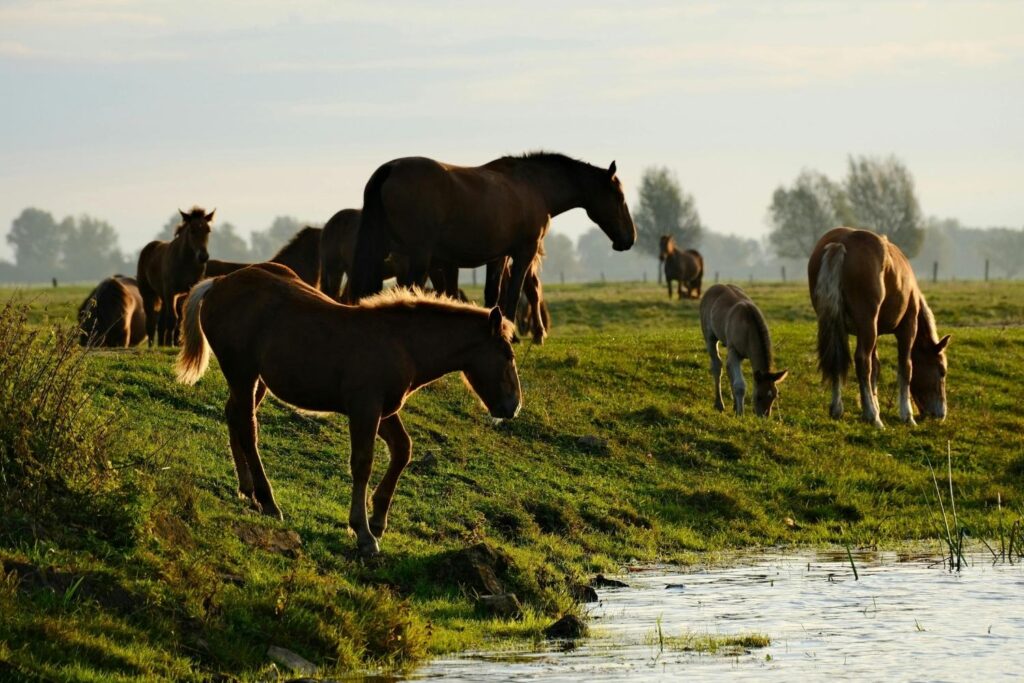
Harsh climates often limit food availability. Horses unable to extract sufficient nutrients face weight loss and organ stress. Survival depends on maximizing low quality forage.
Horses adapt with highly efficient hindgut fermentation. Microbial populations adjust to digest coarse grasses and sparse vegetation. This flexibility allows calorie extraction where other species fail, supporting endurance across extreme landscapes.
7. Respiratory systems adapt to cold dry air.
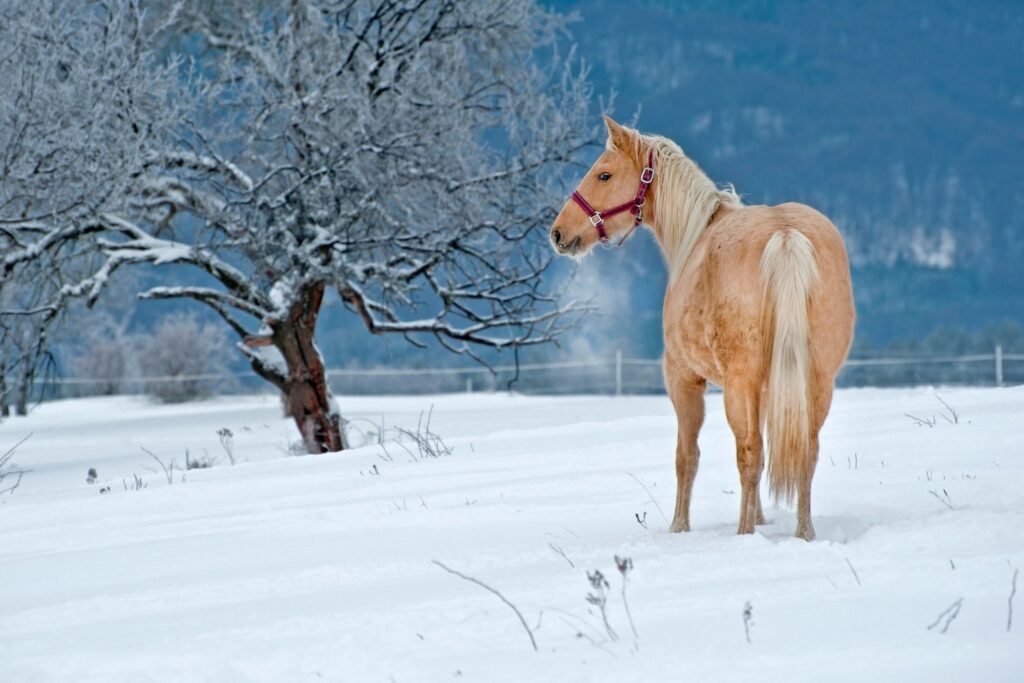
Cold climates expose lungs to dry air that can damage tissue. Rapid breathing during exertion worsens moisture loss, increasing infection risk.
Horses develop nasal structures that warm and humidify incoming air. This protects lower airways and maintains oxygen efficiency. The adaptation reduces respiratory strain during long exposure to freezing conditions.
8. Muscle fiber composition shifts with climate demands.
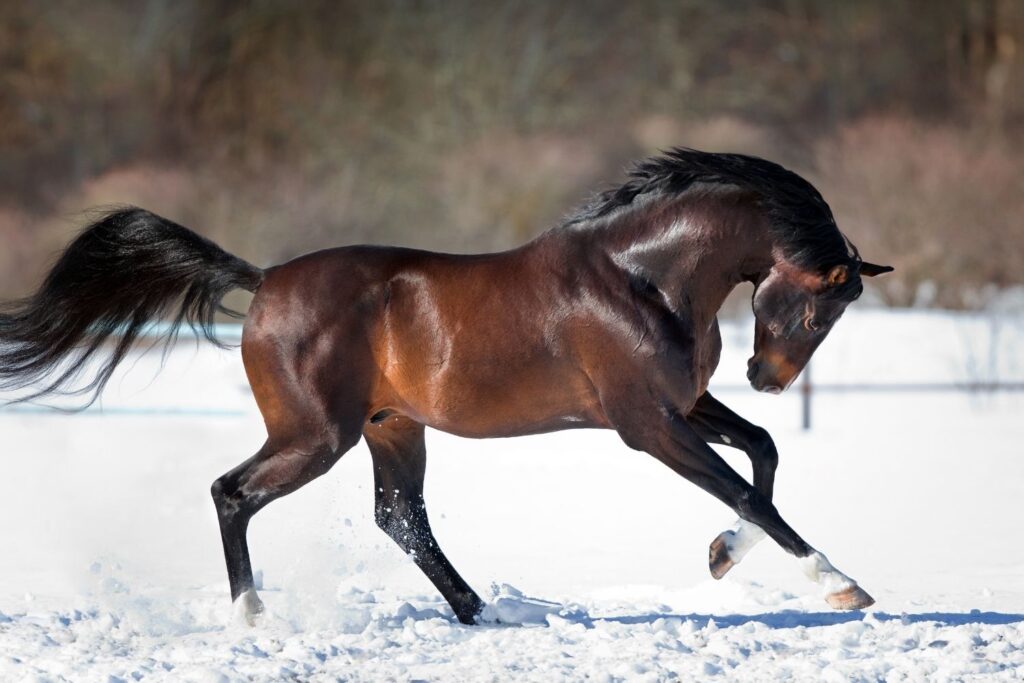
Extreme environments demand endurance rather than speed. Muscles optimized for sprinting fatigue quickly under sustained effort in harsh terrain.
Horses in demanding climates develop higher proportions of slow twitch muscle fibers. These fibers resist fatigue and operate efficiently with limited oxygen. The shift supports long distance travel and energy conservation under constant environmental stress.
9. Behavioral posture supports thermal regulation.
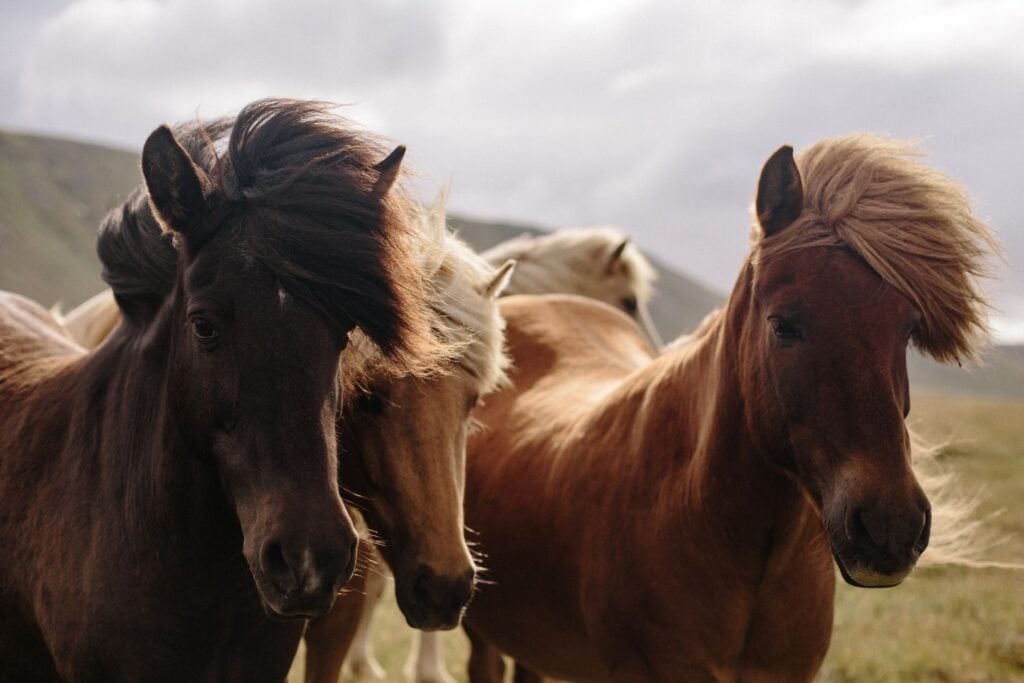
How a horse stands matters in extreme weather. Improper posture exposes vital areas to wind or sun, accelerating heat loss or gain.
Horses instinctively adjust stance to minimize exposure. Turning hindquarters into wind or aligning with sun angles reduces thermal strain. These subtle behaviors complement physical adaptations, enhancing survival without added energy cost.
10. Long term genetic selection reinforces climate resilience.
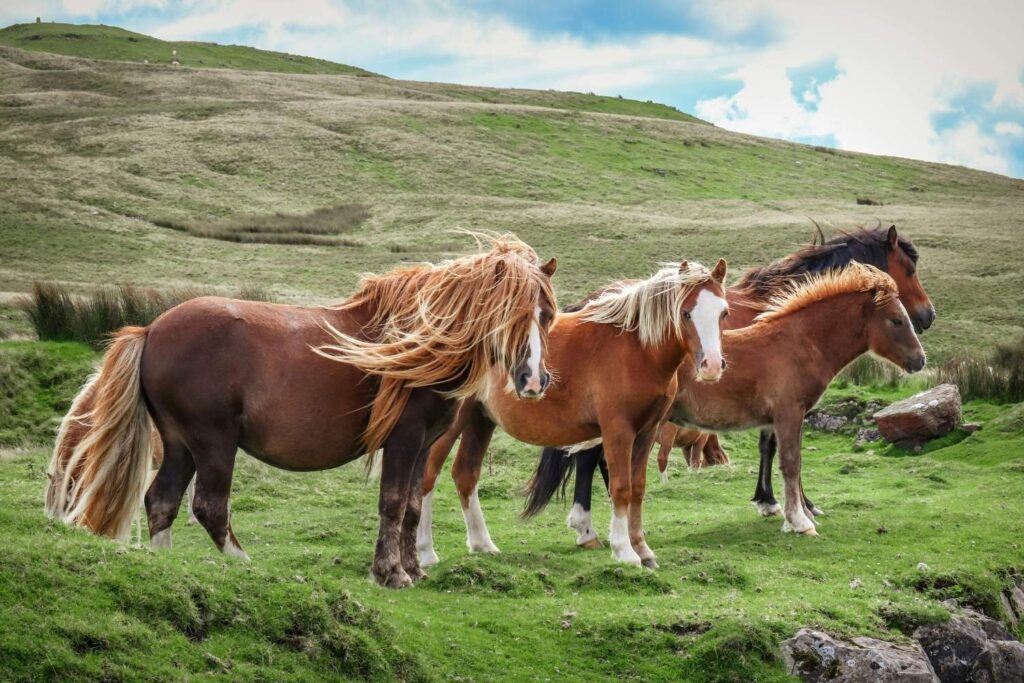
Individual adaptation has limits. Over generations, only the most resilient traits persist in extreme climates. Others fade quickly.
Natural selection favors horses whose bodies manage temperature, nutrition, and stress efficiently. These inherited traits accumulate, producing populations uniquely suited to deserts, tundra, or high altitude plains. Adaptation becomes embedded rather than learned.