
New research reframes an ancient human horse bond.

For centuries, people assumed horses responded mainly to reins, legs, and posture, with voice acting as background noise. That assumption is now unraveling. Behavioral scientists studying equine perception are finding that horses process human sound with far more nuance than once believed. Tone, rhythm, and emotional content appear to shape how horses interpret human intent, sometimes more powerfully than physical cues. This shift is changing how trainers, veterinarians, and riders understand communication between species.
1. Horses distinguish human voices more precisely than expected.
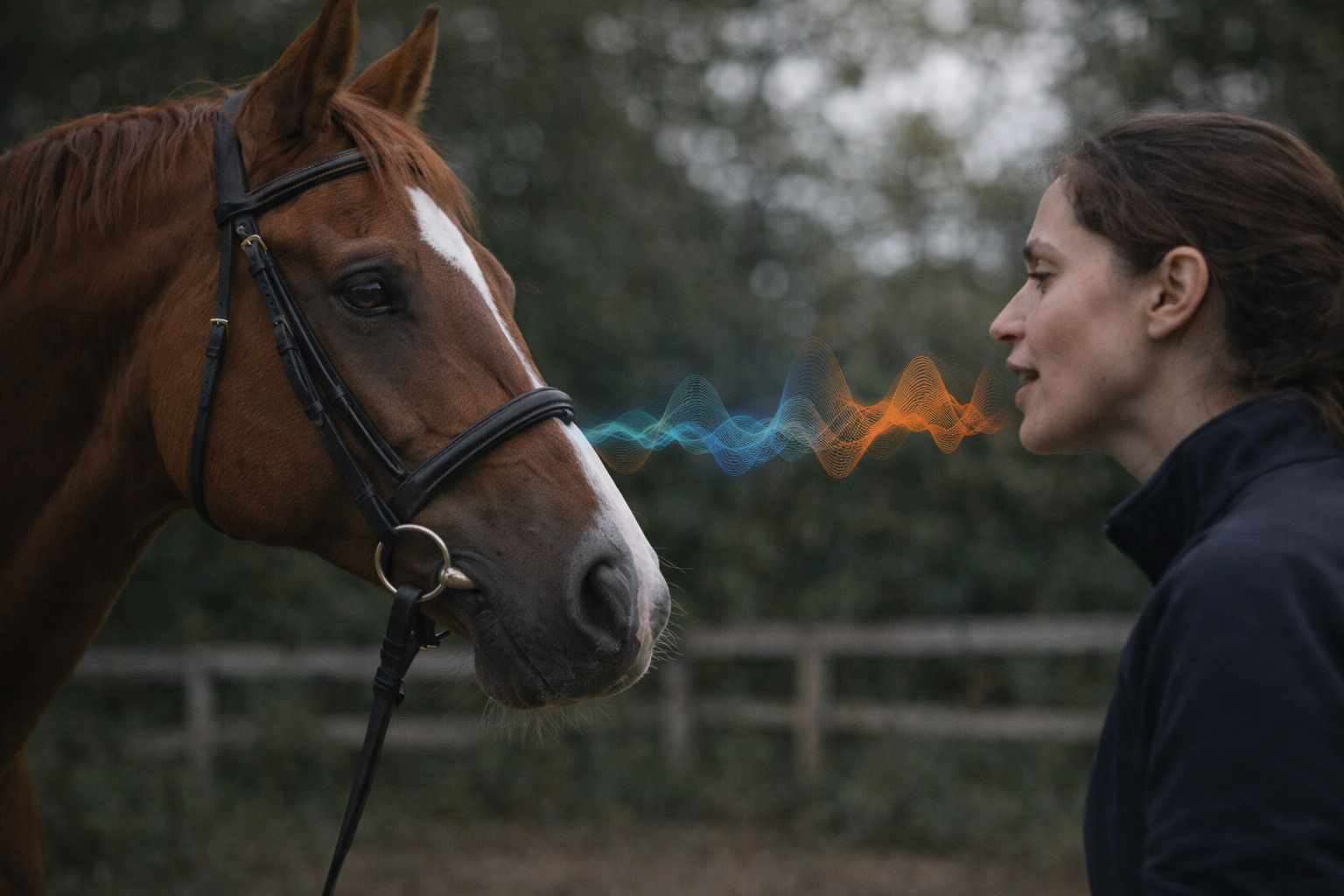
Researchers once believed horses reacted only to general sound cues, not individual voices. Controlled studies now show horses can reliably differentiate familiar human voices from unfamiliar ones, even without visual contact.
This ability suggests advanced auditory recognition. According to research published by the University of Sussex, horses responded differently to recorded voices of known handlers versus strangers, adjusting ear position, heart rate, and attention patterns in ways indicating recognition rather than simple conditioning.
2. Emotional tone influences equine responses more than words.

Horses appear less sensitive to specific verbal commands than to the emotional tone behind them. Calm, steady voices produce different reactions than sharp or tense speech, regardless of vocabulary.
This sensitivity mirrors how horses communicate with each other. As reported by the University of Rennes Animal Cognition Research Group, horses exposed to positive human vocal tones showed lower stress markers and more cooperative behavior compared to those hearing neutral or negative tones.
3. Horses integrate voice and facial cues simultaneously.

Rather than processing sound in isolation, horses combine what they hear with what they see. When vocal tone conflicts with facial expression, horses show measurable confusion and hesitation.
This suggests cross modal perception once thought limited to primates. As discovered by researchers at the University of Tokyo, horses matched angry voices with angry human faces and calm voices with relaxed expressions, indicating integrated emotional processing across senses.
4. Frequency range matters more than volume alone.

Horses hear a wider range of frequencies than humans, extending into higher pitches. Subtle changes in pitch may carry more meaning to them than loudness.
A raised voice is not always clearer. Instead, pitch instability can signal agitation or uncertainty. Horses appear to track these variations closely, responding to consistency rather than force, which helps explain why yelling often degrades communication instead of improving it.
5. Familiar accents affect listening confidence.

Horses exposed to the same handlers over long periods seem more responsive to familiar speech patterns, including accent and cadence. These patterns become auditory landmarks associated with predictability and safety.
When unfamiliar accents appear, horses may hesitate briefly, even if tone remains friendly. This reaction reflects adjustment rather than distrust, showing how finely tuned their auditory memory becomes through repeated human interaction.
6. Early handling shapes lifelong auditory sensitivity.

Foals exposed to calm human voices early in life show different listening behaviors as adults. Early experiences appear to calibrate how strongly horses attend to human sound.
Those raised with consistent verbal interaction often orient their ears toward speakers more readily and recover from startling noises faster. This suggests early auditory learning plays a role similar to early socialization in shaping long term responsiveness.
7. Stress alters how horses process spoken cues.

Under stress, horses narrow their sensory focus. Auditory processing becomes less flexible, and subtle vocal cues may be missed entirely.
In these moments, horses respond more to rhythm and repetition than meaning. A steady, predictable voice helps regulate arousal, while erratic speech increases confusion, reinforcing the importance of vocal consistency during challenging situations.
8. Horses remember vocal cues longer than assumed.

Memory for sound appears stronger than previously believed. Horses can retain associations between specific voices and outcomes for extended periods, even after long gaps without exposure.
This long term memory explains why past interactions linger. A voice linked to calm handling may soothe years later, while one associated with stress can trigger vigilance, shaping behavior long after the original context fades.
9. Training success correlates with vocal predictability.
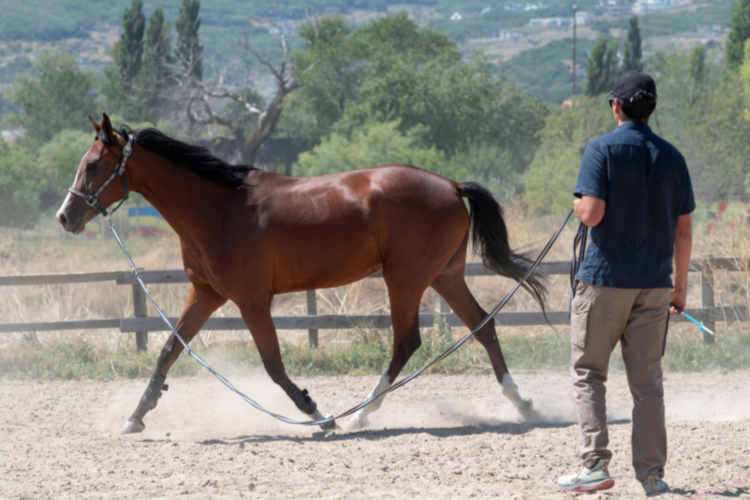
Handlers who use consistent tone and pacing tend to see more reliable responses. Horses appear to learn vocal patterns as part of broader behavioral cues.
Inconsistent vocal delivery, even with correct physical aids, can undermine clarity. The horse listens for patterns, not commands, aligning its behavior with auditory predictability rather than verbal instruction alone.
10. Communication is becoming a two way auditory exchange.

The emerging view frames horses not as passive listeners but as active interpreters of human sound. They adjust responses based on context, history, and emotional content.
This reframing challenges traditional training models. Understanding how horses hear humans is shifting from volume and command toward dialogue, where listening matters as much as speaking in shaping cooperation and trust.