
How hooves quietly reshaped human history worldwide.
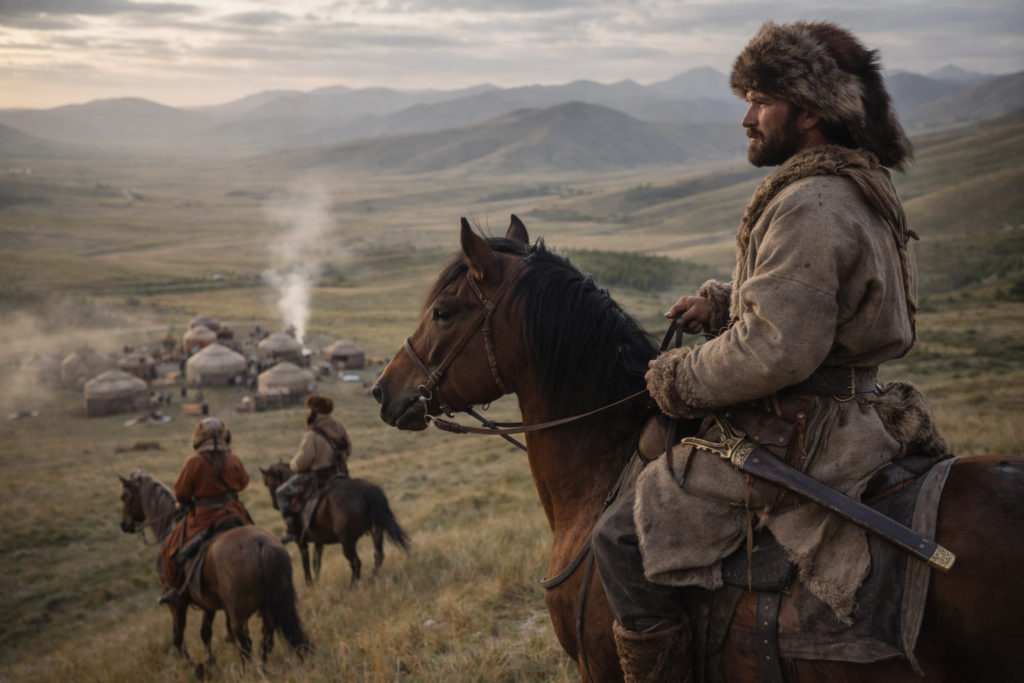
Long before roads were paved or borders agreed upon, horses altered how humans related to distance. Their influence rarely appeared dramatic in the moment, yet it accumulated steadily across centuries. Once people learned to breed, ride, and rely on horses, movement changed in scale and speed. Communities once separated by weeks of travel began interacting within days. That shift reshaped trade, warfare, language, and belief systems simultaneously. Archaeological evidence increasingly shows that civilization did not simply grow outward. It was carried, quite literally, by hooves.
1. Early domestication collapsed distances across Eurasian landscapes.

The earliest clear evidence of horse domestication comes from the Pontic Caspian steppe around 3500 BCE, where human groups began managing horse breeding and movement intentionally. This changed how far people could travel seasonally and how often they encountered unfamiliar groups. Distance lost its power as a barrier.
As movement expanded, cultural traits spread with it. Burial practices, metal tools, and even dietary habits appeared across wide regions with striking similarity. These patterns suggest sustained contact rather than coincidence. According to research published by the Smithsonian Institution, horse domestication accelerated long range interaction across Eurasia, enabling cultural exchange on an unprecedented scale.
2. Mounted travel rewrote trade networks between early societies.

Before horses became common, trade depended heavily on rivers and coastal routes. Inland communities remained isolated unless foot caravans could sustain the journey. Mounted travel changed that balance by opening vast overland corridors. Traders could now move goods efficiently across terrain once considered impractical.
This mobility reshaped Bronze Age economies. Tin from Central Asia reached Mesopotamia more reliably. Textiles moved inland. Economic power shifted toward crossroads rather than coastlines. Entire trade systems reorganized around speed and reach, reshaping settlement patterns and wealth distribution, as stated by the British Museum in its analysis of early transcontinental exchange.
3. Horses reshaped warfare and political consolidation patterns.

The introduction of horses into warfare altered not only battles but governance itself. Leaders gained the ability to project authority far beyond city walls. Messengers moved faster. Armies repositioned quickly. Control became a matter of response time rather than proximity.
This advantage favored emerging states capable of supporting mounted forces. Territories expanded and remained unified longer than before. Archaeological records show defensive networks stretching outward rather than inward. This relationship between horse based mobility and political consolidation has been documented repeatedly, including analyses reported by National Geographic examining early cavalry and chariot societies.
4. Steppe cultures acted as transmission engines of ideas.
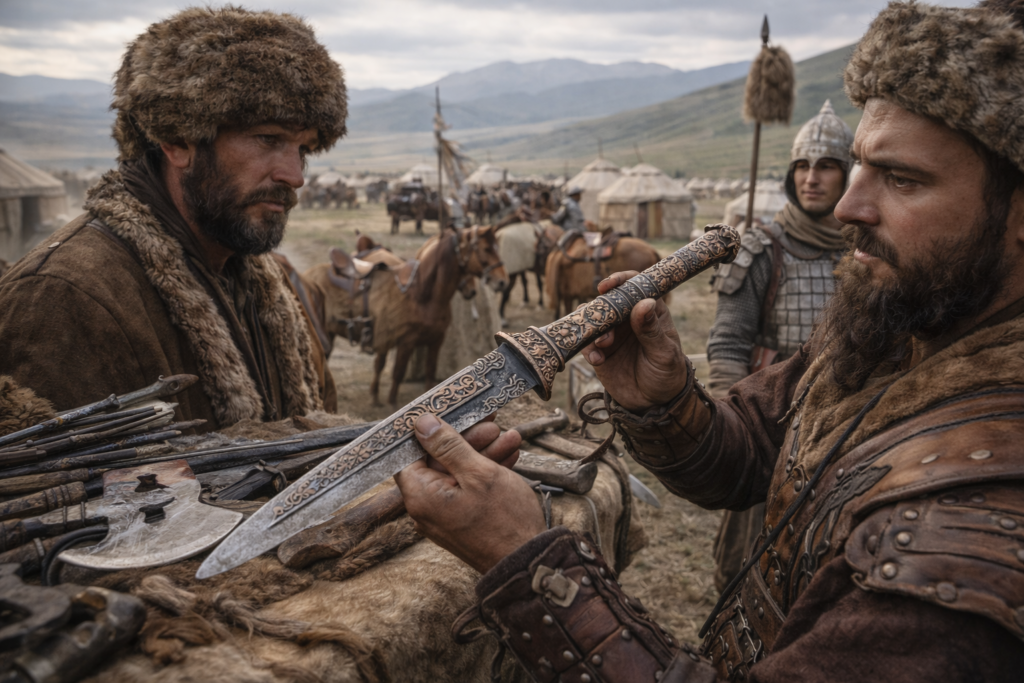
Nomadic societies of the Eurasian steppe rarely built cities, yet their impact on civilization was enormous. Their mobility allowed them to connect distant settled cultures without fully assimilating into them. Horses made this constant movement sustainable.
Through trade, conflict, and intermarriage, these groups transmitted technologies such as advanced weaponry, riding equipment, and metalworking techniques. Beliefs and artistic motifs followed similar paths. Over generations, steppe cultures functioned as living corridors, carrying innovations between civilizations that otherwise had little direct contact.
5. Horses enabled surplus management beyond local regions.
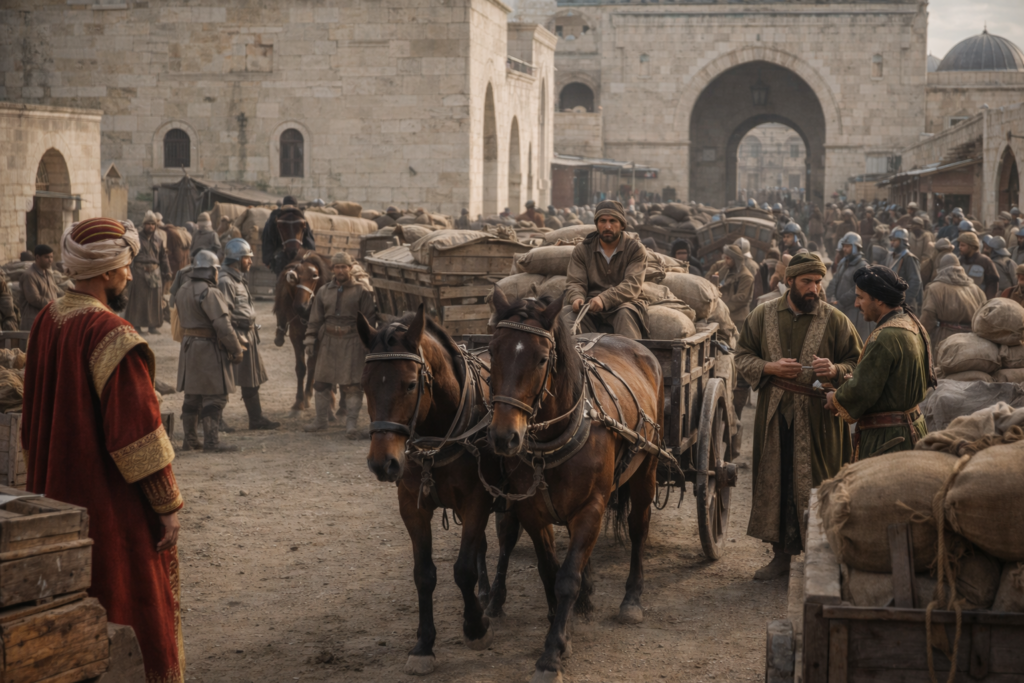
Agricultural surplus only strengthens civilization when it can be redistributed. Horses provided that capacity. Food, tools, and labor could move between regions efficiently, reducing vulnerability to local crop failures or conflict.
Cities began relying on extended supply networks rather than nearby fields alone. This stability allowed populations to grow and specialize. Administrators, soldiers, and artisans emerged as permanent roles. The ability to move surplus transformed economic planning, reinforcing hierarchy and interdependence across regions linked by horse powered transport.
6. Language families expanded alongside mounted migration waves.

Linguists have long noticed that major language families spread in patterns that mirror ancient horse routes. When mounted travel became reliable, human migration no longer hugged rivers or coastlines. Entire communities could move across grasslands carrying speech, customs, and memory with them.
As groups settled or passed through new regions, languages adapted. Words blended, accents shifted, and grammar evolved. Over centuries, Indo European languages radiated outward from the steppe, not through conquest alone but repeated contact. Horses did not invent language, yet they gave it legs, allowing speech communities to travel farther than walking ever allowed.
7. Religious symbolism followed horses into sacred spaces.
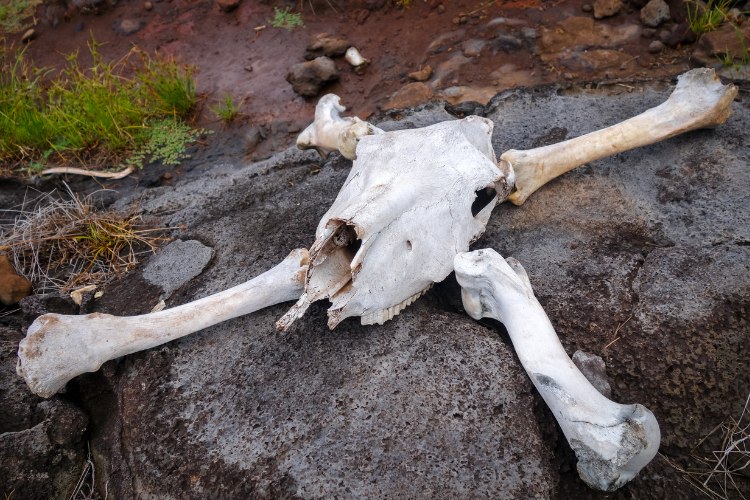
Once horses became central to survival and power, they entered belief systems almost naturally. Their speed and strength seemed otherworldly to early societies. Deities were imagined riding them, guiding the sun, or carrying souls between worlds.
Archaeological finds show horses buried with elites, painted on cave walls, and carved into ritual objects. These were not decorative choices. They reflected deep spiritual meaning. Across Eurasia, horses symbolized fertility, war, and divine authority, revealing how practical reliance slowly transformed into sacred reverence within evolving civilizations.
8. Urban planning adapted to mounted mobility needs.
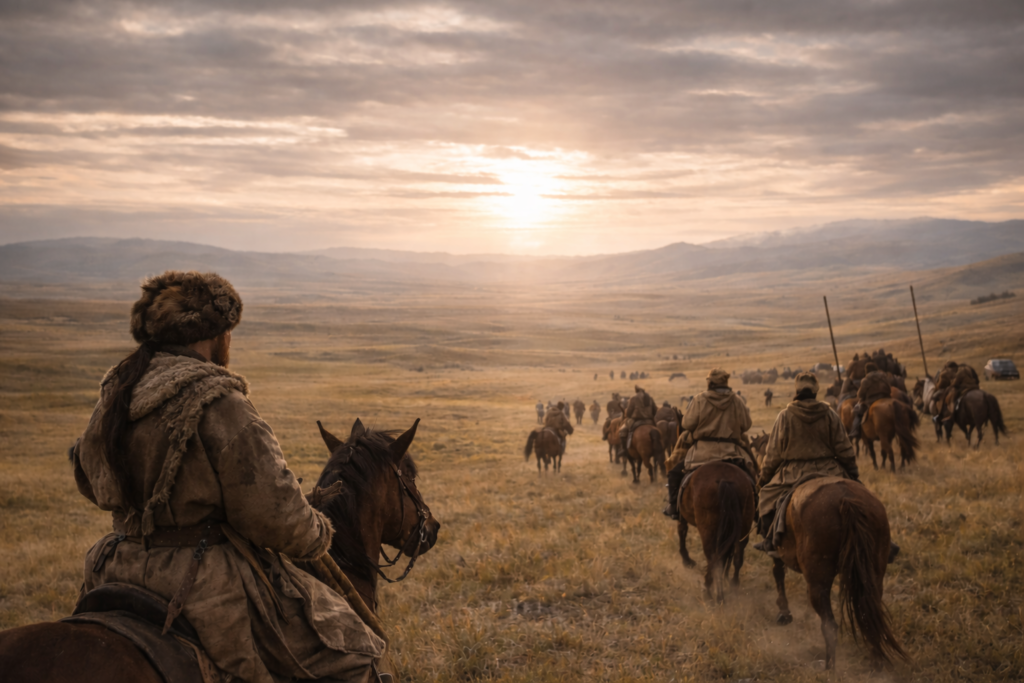
Cities changed once horses became common. Roads widened to accommodate traffic. Gates were reinforced to manage faster arrivals. Stables appeared near administrative centers and markets, integrating animals into daily urban rhythm.
This shift altered governance. Officials could respond quickly to unrest. Trade arrived on predictable schedules. Time itself felt compressed. Urban planning began reflecting speed and reach rather than simple defense. The horse quietly restructured how cities functioned, turning them into hubs within wider networks rather than isolated strongholds.
9. Environmental transformation followed horse driven expansion.
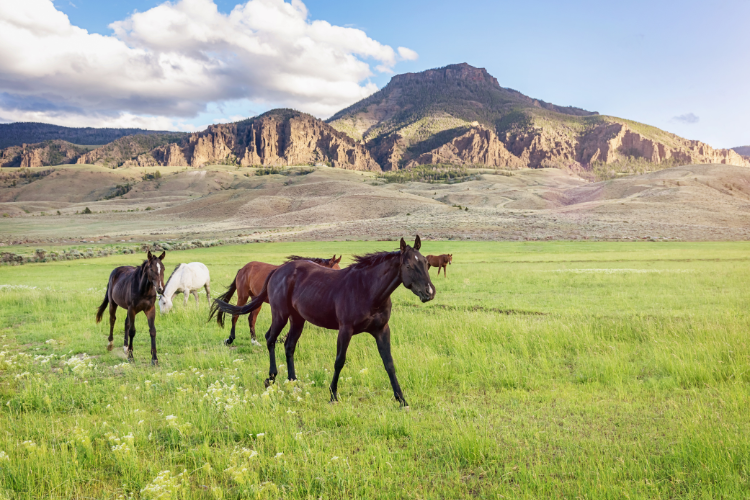
As horse use expanded, landscapes changed with it. Grazing reshaped grasslands. Human settlement pushed into territories once marginal for agriculture. Mobility encouraged expansion beyond traditional ecological limits.
These changes carried consequences. Wildlife patterns shifted. Soil use intensified. Farming followed movement routes. Civilization expanded its footprint steadily, guided by the endurance and needs of horses. Environmental transformation was not sudden, but cumulative, mirroring the gradual spread of mounted societies across continents.
10. Decline of horses reshaped civilizations again.
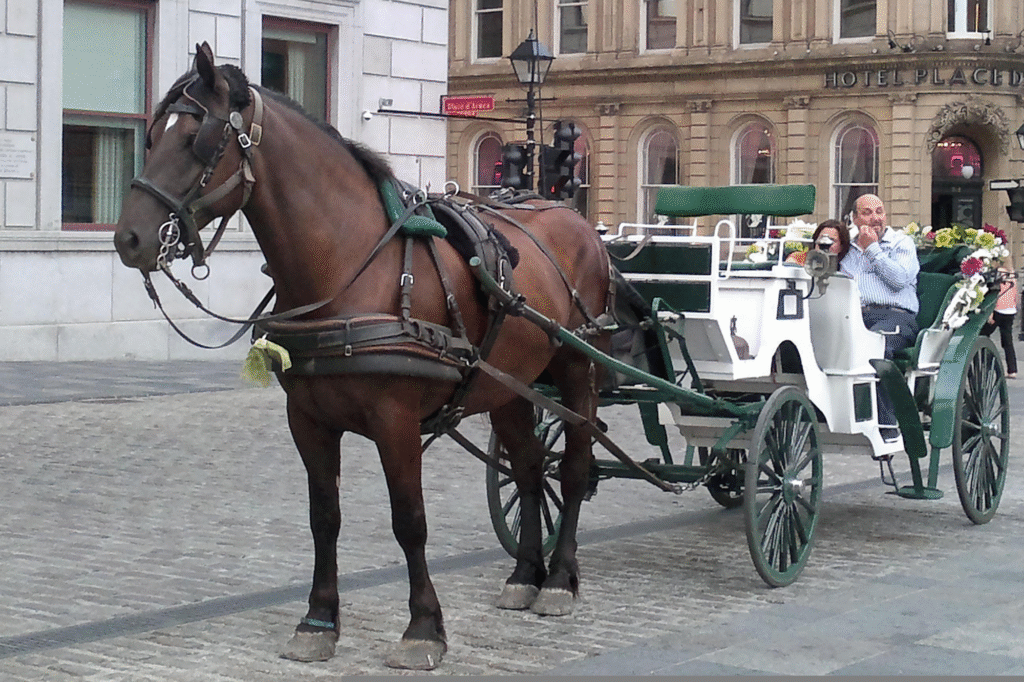
When mechanization began replacing horses, societies reorganized yet again. Roads adapted for engines. Trade accelerated further. Cities reshaped themselves around machines rather than animals.
Still, the foundations remained. Borders, languages, and political systems built during the horse era endured. Even as hooves faded from daily life, the structures they enabled continued to shape modern civilization. The horse era ended quietly, but its influence remains embedded in how the world is organized today.