
Everyday products may quietly harm your dog.

Household chemicals surround dogs every day, often unnoticed. Floors, fabrics, air, and water quietly carry residues that interact with curious noses and paws. Dogs experience exposure differently because of grooming habits, body size, and metabolism. Veterinarians increasingly trace chronic skin, stomach, and neurological problems back to routine products used inside ordinary homes across seasons locations and daily routines at home.
1. Cleaning sprays leave residues dogs absorb daily.

Dogs walk lie and lick surfaces treated with cleaners. Residues cling to paws then enter mouths during grooming. Floors couches and baseboards become exposure zones especially in kitchens and bathrooms where products are used repeatedly throughout busy households each week.
Veterinarians link chronic paw irritation to disinfectants and degreasers. According to the Environmental Protection Agency many household cleaners contain compounds that irritate skin or disrupt respiration when inhaled or ingested repeatedly at low doses inside enclosed living spaces over time.
2. Air fresheners change indoor air dogs breathe.
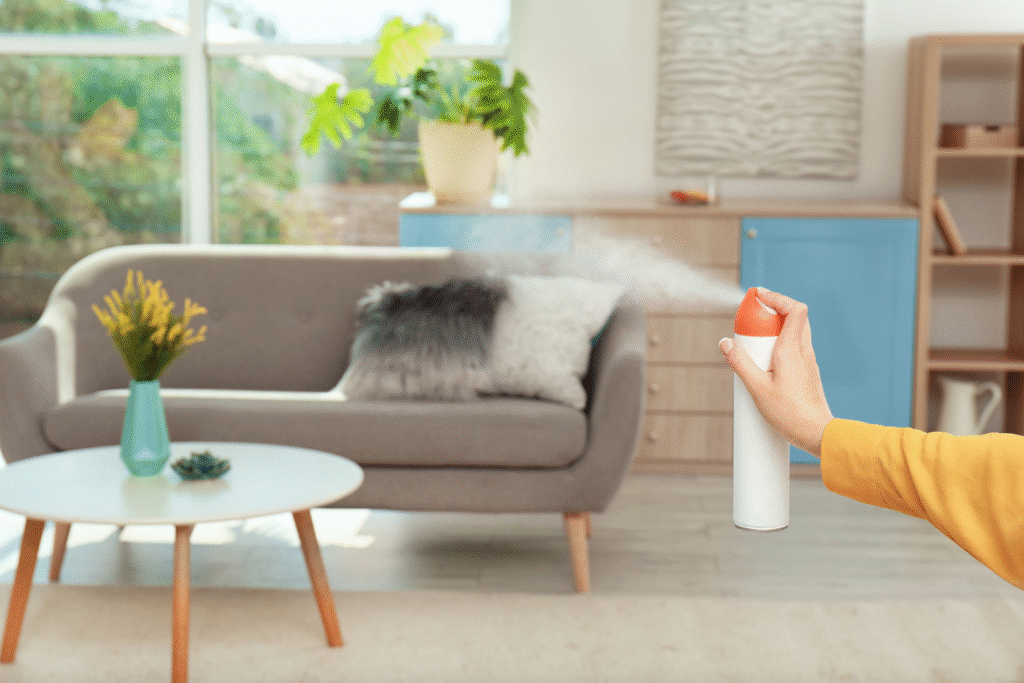
Scented sprays plugins and candles release volatile chemicals into enclosed rooms. Dogs inhale closer to the floor where concentrations settle. Smaller lungs and faster breathing rates increase dose exposure during hours spent indoors in homes across seasons and climates yearly.
Respiratory irritation often precedes coughing lethargy or anxiety. As reported by the American Veterinary Medical Association fragranced products can worsen airway inflammation in pets especially those with allergies or heart disease living in poorly ventilated spaces for long periods indoors.
3. Treated lawns follow dogs back inside homes.

Fertilizers herbicides and pesticides stick to fur and paws. Dogs track residues onto carpets beds and sofas. Repeated contact increases ingestion during grooming and sleeping especially after walks in suburban yards or parks near homes during spring summer months annually.
Exposure risk spikes within hours of application. According to the National Pesticide Information Center dogs exposed to lawn chemicals show higher rates of vomiting tremors and skin reactions particularly when products are applied without proper drying time outdoors near residences.
4. Plastic food bowls leach chemicals over time.

Many plastic bowls degrade with scratches and heat. Chemicals migrate into food and water during daily use. Dogs consume small doses repeatedly which can affect digestion hormones and immune responses over long periods inside busy households worldwide today quietly unnoticed.
Switching to stainless steel or ceramic reduces exposure significantly. Veterinarians note improvements in chronic chin acne stomach upset and appetite once plastic containers are removed and replaced consistently in feeding areas within homes across age groups and breeds over time.
5. Flea treatments linger on furniture and bedding.

Topical preventatives spread beyond the application site. Dogs rub against couches rugs and human bedding transferring residues. Contact continues for days exposing skin mouths and noses during rest and sleep cycles in shared living spaces nightly at home routinely yearround.
Most products are safe when used correctly but stacking exposures matters. Washing fabrics and limiting contact during initial absorption periods helps reduce cumulative chemical load on dogs sensitive to neurological or skin effects over months of repeated treatment cycles indoors.
6. Household dust concentrates toxins at floor level.

Dust acts as a sponge for flame retardants metals and pesticides. Dogs spend more time close to floors sniffing licking and lying where these particles accumulate heavily in carpets and corners throughout homes built across decades in urban areas nationwide.
Regular vacuuming with HEPA filters reduces burden significantly. Damp mopping prevents particles from becoming airborne. These small routine changes lower chronic exposure that quietly affects endocrine and immune systems over years for dogs living indoors full time with families today.
7. Human medications pose hidden ingestion risks daily.

Dropped pills flavored chewables and topical creams attract dogs. Even small doses can cause organ failure seizures or death. Bathrooms bedrooms and nightstands become danger zones especially in busy households with children older adults or multiple medications present daily inside.
Many poisonings occur within minutes of exposure. Prompt veterinary care saves lives but prevention matters more. Secure storage and immediate cleanup reduce accidental ingestion events that remain distressingly common in modern households across cities suburbs and rural areas alike today.
8. Paints and solvents release lingering vapors indoors.
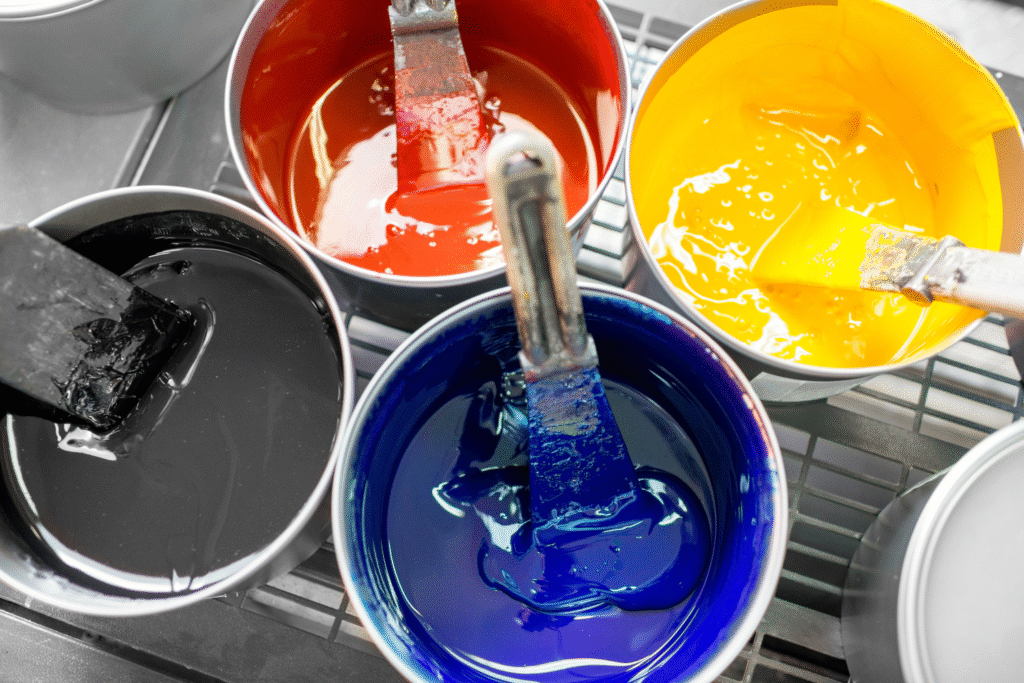
Renovations introduce fumes that persist longer than expected. Dogs exposed during painting or flooring projects inhale chemicals continuously. Garages basements and closed rooms trap vapors that spread through ventilation systems affecting homes during remodels across seasons and climates nationwide annually.
Signs include lethargy nausea or coordination changes. Keeping dogs away until full curing finishes reduces risk. Time frames vary by product so caution often extends beyond surface dryness alone inside living spaces shared by pets and people daily longterm exposure.
9. Laundry products cling to fur and skin.
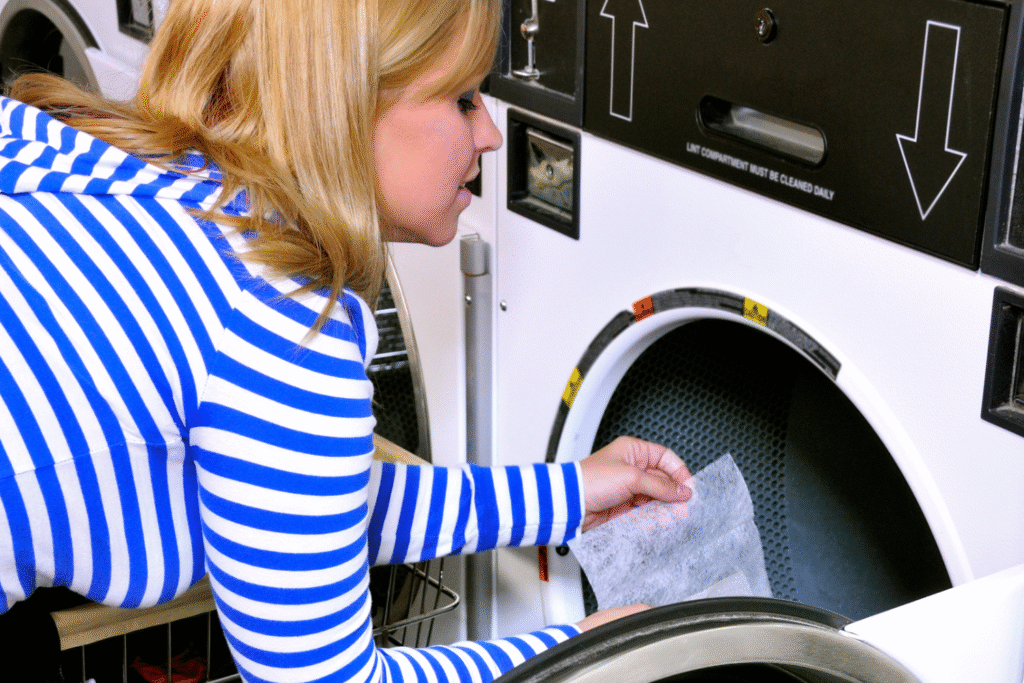
Detergents softeners and scent boosters leave residues on blankets and clothing. Dogs sleeping on washed fabrics absorb chemicals through skin contact and grooming behaviors night after night within homes where laundry runs frequently using fragranced formulas year round indoors daily.
Switching to fragrance free products lowers exposure. Owners often see reduced itching and ear inflammation. Small laundry changes quietly improve comfort without sacrificing cleanliness or convenience for families with dogs of all ages living indoors together long term conditions improving.
10. Water sources may carry unseen contaminants locally.
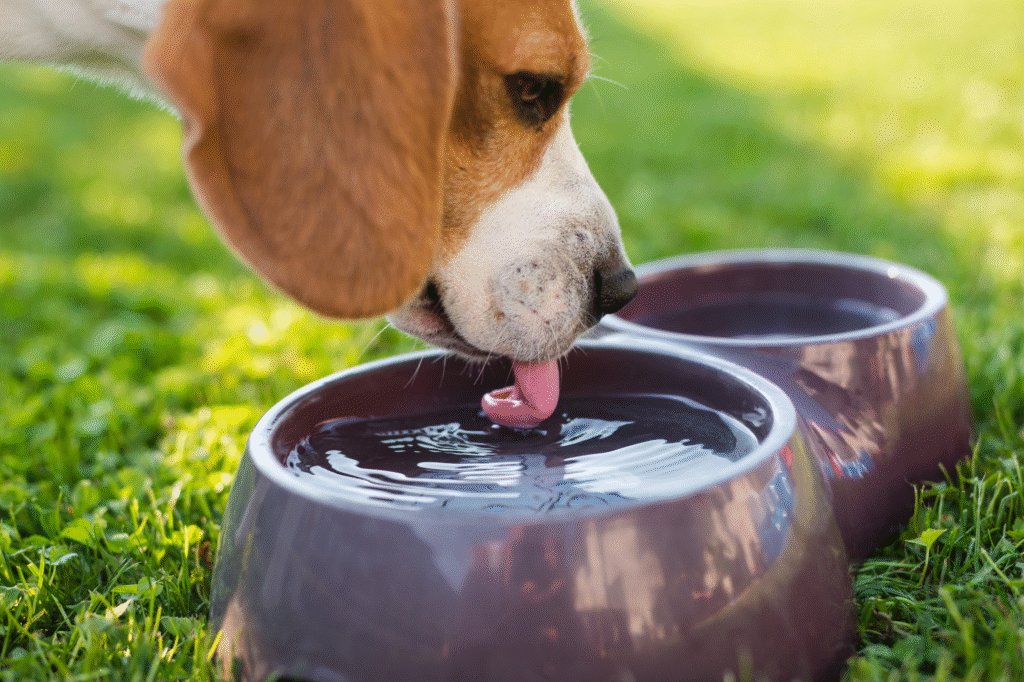
Tap water can contain trace metals chemicals or runoff byproducts. Dogs drink more relative to body weight increasing exposure. Bowls filled daily concentrate whatever passes through household plumbing systems in older neighborhoods using aging infrastructure across regions nationwide today quietly.
Filtration improves taste and safety for everyone. Veterinarians often recommend filtered water for sensitive dogs with kidney or bladder issues. Simple changes reduce lifelong chemical intake gradually over years of daily hydration inside homes shared with people and pets alike.