
A deeper look reveals a sky far less empty than we believed.
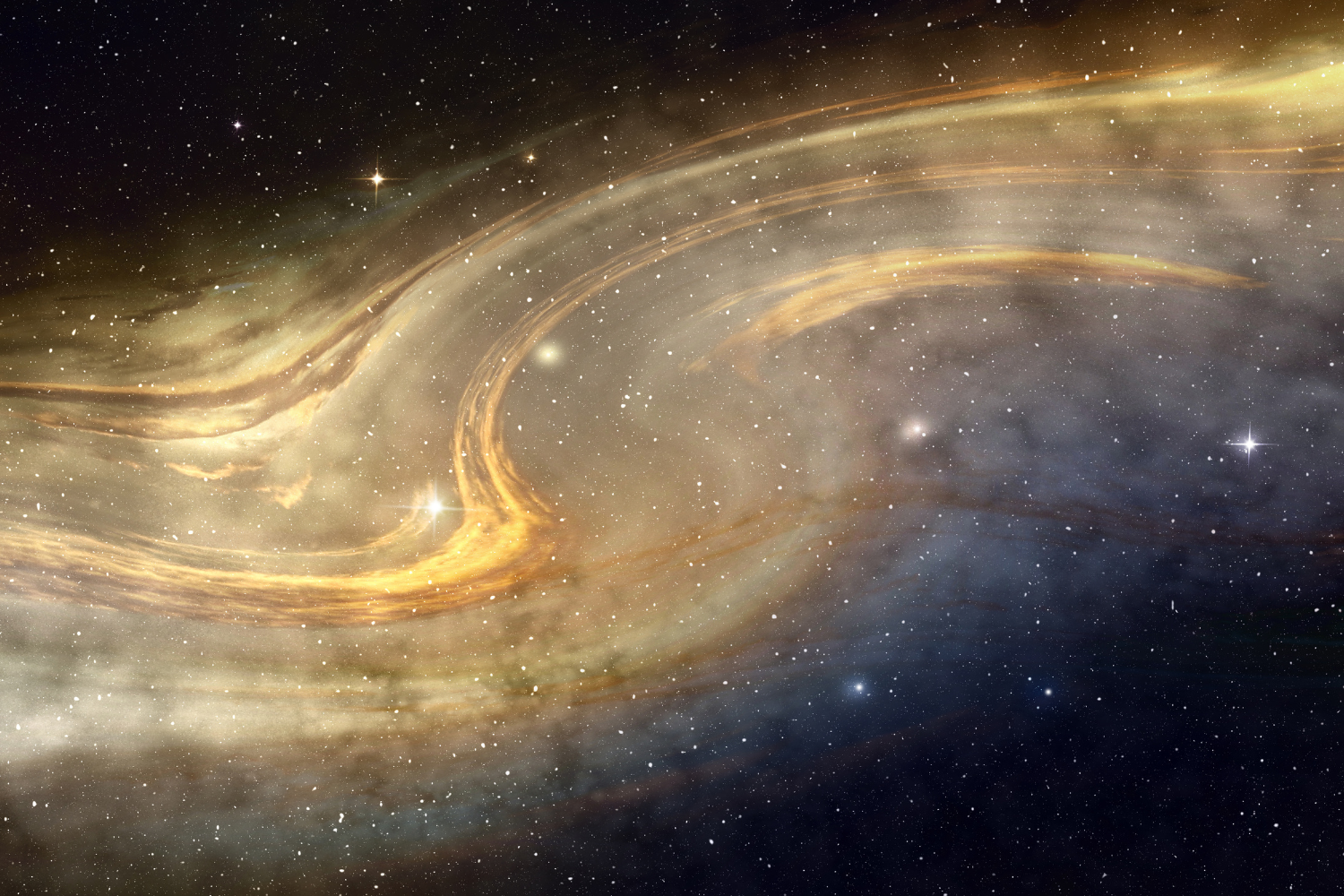
For decades, astronomers have stared into patches of darkness and counted what they could see. Each improvement in technology added a few more galaxies to the ledger, stretching our sense of scale just a little further. But when Hubble turned its attention to the universe in ultraviolet light, something unexpected happened. Regions once thought sparsely populated began to glow with hidden structure. The familiar cosmic map started to feel incomplete. What looked like distant emptiness now hints at staggering abundance, and the implications ripple through every model of how the universe formed and evolved.
1. The galaxy count expands far beyond previous estimates.
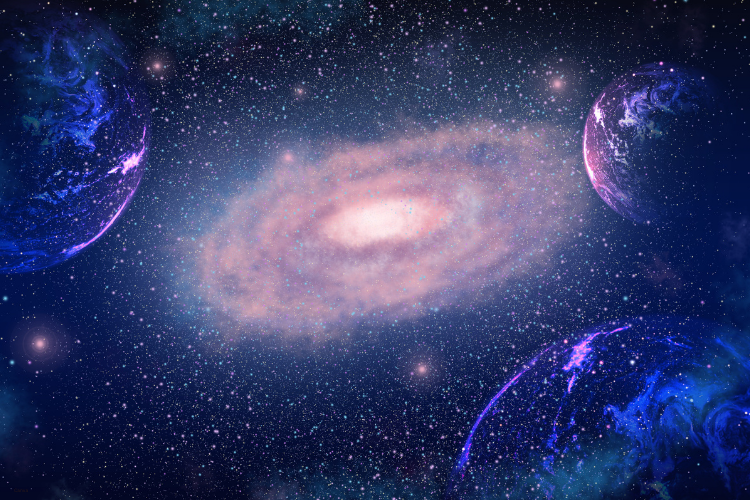
Astronomers examining ultraviolet deep field data found that the number of faint and distant galaxies is dramatically higher than earlier predictions. According to research led by Christopher Conselice, the true count may exceed past estimates by nearly an order of magnitude. This revelation reshapes the foundation of cosmic population studies and sets the stage for everything that follows as we now understand that the sky holds far more galaxies than once imagined.
2. Ultraviolet imaging uncovers young stars and early galaxies clearly.
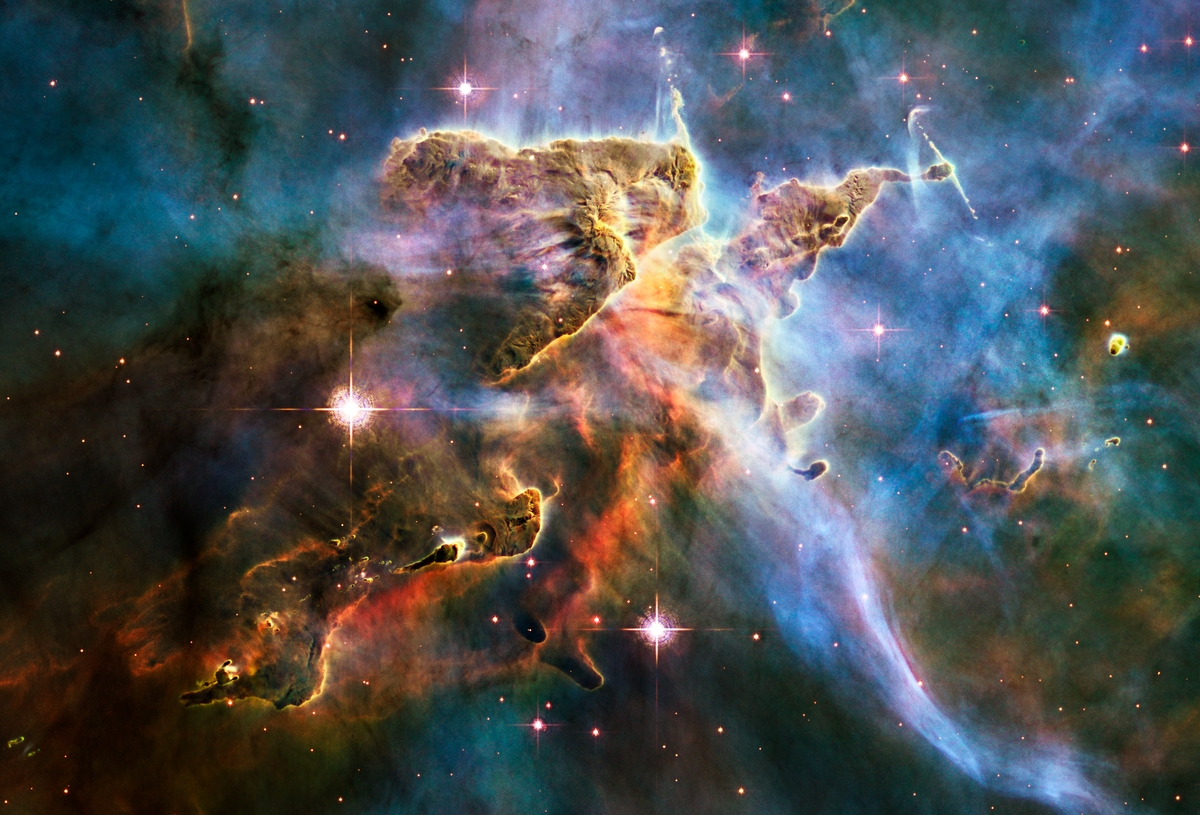
Hot young stars glow most strongly in ultraviolet wavelengths, and that makes this survey especially revealing for early galactic activity, as stated by NASA’s overview of the ultraviolet campaign. Once scientists saw how many newly forming stars and emerging galaxies appeared in this spectrum, the early chapters of galactic history became much easier to track. This clarity creates a satisfying shift in perspective, guiding the story toward how these young systems evolve across deep time.
3. The expanded census changes models of long term galaxy evolution.
A richer galaxy count means researchers must reconsider how galaxies form, merge and change over billions of years, a need highlighted in recent deep field analyses referenced by astrophysical studies. With more ultraviolet bright galaxies to examine, the rise and decline of star formation looks more gradual and textured than earlier models suggested. That updated understanding flows naturally into the next insight as scientists follow how structure builds on structure across cosmic history.
4. Ultraviolet light helps reveal galaxies from earlier cosmic eras.
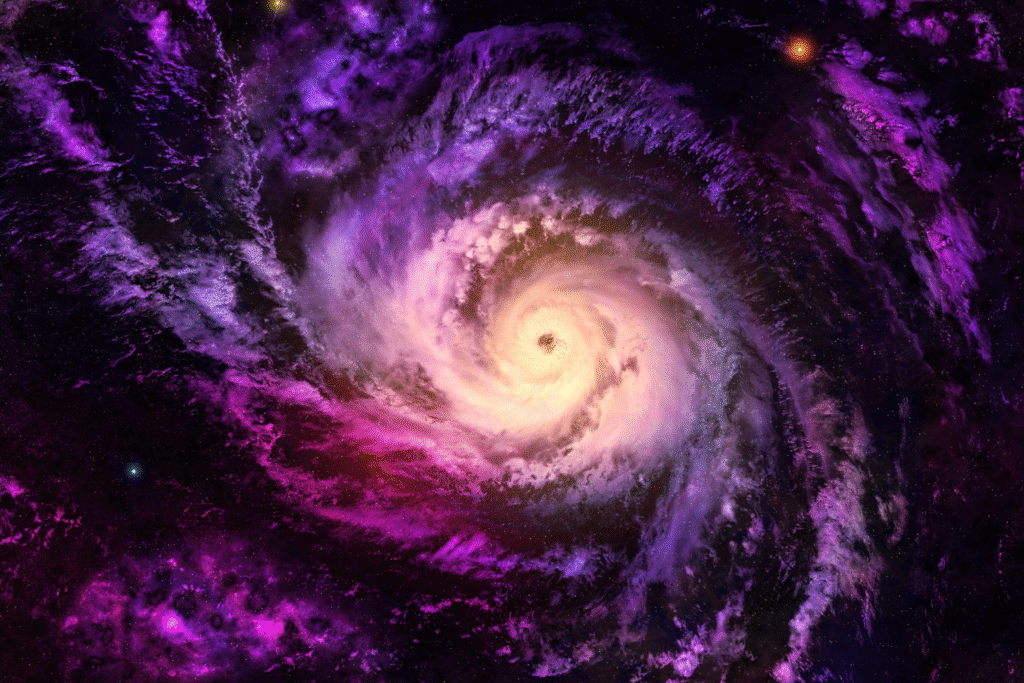
Because the universe stretches light over time, ultraviolet signals from very distant galaxies arrive shifted into wavelengths Hubble can capture. This means the survey reaches far deeper into the past, catching galaxies during younger, more energetic phases. Seeing them at these early stages allows researchers to trace how the building blocks of the universe gradually take shape.
5. A broader sample improves understanding of star formation diversity.

With so many more galaxies visible, scientists can compare how stars form in tiny dwarfs, massive spirals and everything in between. That variety helps identify patterns that would otherwise go unnoticed. As the narrative continues, it becomes clear that this wide sampling is crucial to seeing the underlying rules that drive star formation in every environment.
6. The findings refine the search for the earliest galaxies.
If galaxies are more numerous than once expected, the hunt for the first luminous structures becomes more strategic. Researchers can better pinpoint candidates from the era when the universe transitioned out of darkness. This step smooths the way toward understanding how the earliest stars influenced everything that followed.
7. Galaxy interactions appear more complex with a larger dataset.
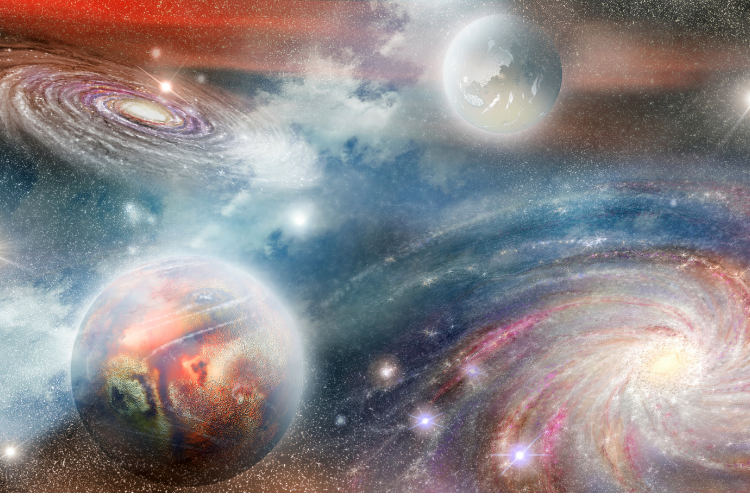
A bigger population reveals more collisions, mergers and gravitational encounters than earlier surveys could capture. These interactions play major roles in shaping galaxy size, structure and star formation. As the picture grows richer, the evolving universe feels less static and more like a dynamic conversation between countless celestial neighbors.
8. Star forming regions become easier to compare across cosmic distances.

Ultraviolet clarity allows astronomers to spot energetic starburst regions in both near and far galaxies. Comparing them side by side helps reveal which conditions spark the most intense star making episodes. This comparison flows seamlessly into larger questions about when and where the universe was most productive.
9. Hidden dwarf galaxies become more visible in ultraviolet surveys.
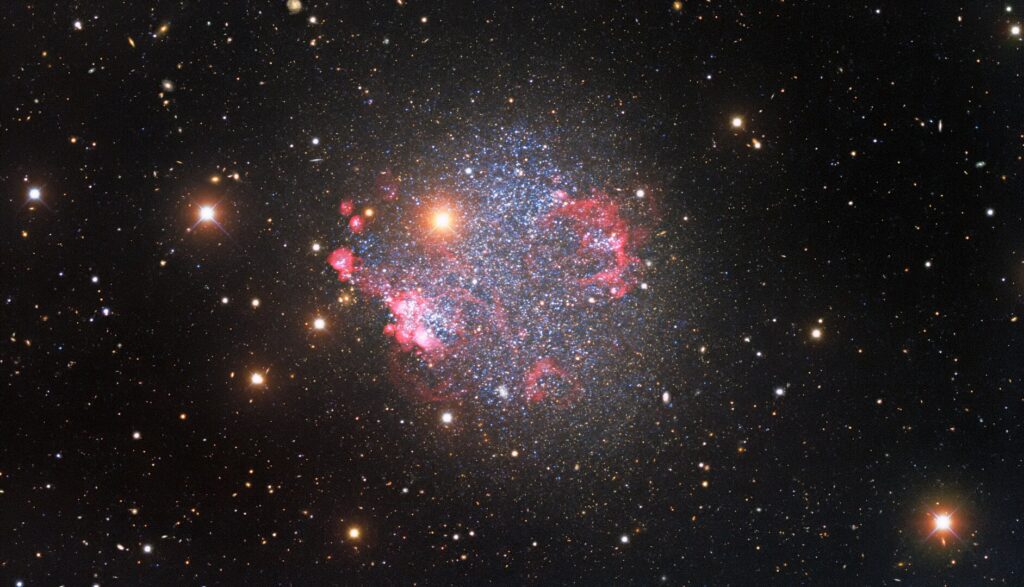
Many of the smallest galaxies remained undetected in earlier observations. The ultraviolet approach highlights them more clearly, giving scientists a fuller inventory of the faintest building blocks of the universe. Their inclusion rounds out the overall story of how larger galaxies grow from smaller ones over immense spans of time.
10. Future telescopes will expand on Hubble’s ultraviolet discoveries.
With this foundation in place, upcoming observatories will push even deeper, mapping galaxies across more wavelengths and greater distances. The discoveries from Hubble form a stepping stone for the next wave of exploration, tying every insight together as scientists prepare to refine the universe’s grand narrative even further.