
Ancient shifts shaped migrants long before they crossed.
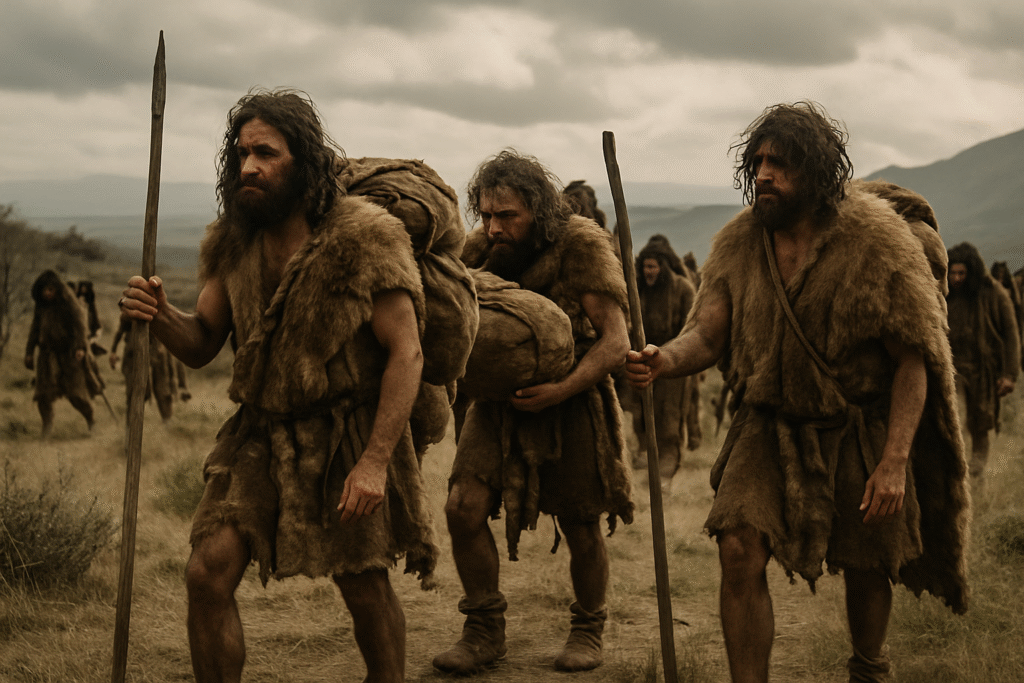
The latest genetic work has forced researchers to reconsider what happened to early humans before they stepped into the Western Hemisphere. Samples pulled from Siberian caves, ancient teeth and long buried bone fragments show that the ancestors of the first Americans did not arrive as a single unchanged lineage. They carried the marks of three major evolutionary shifts that shaped their biology, resilience and survival strategies long before they crossed into the Americas. Each shift left clues in their DNA that researchers can now finally read.
1. A population split in Siberia changed early human biology.
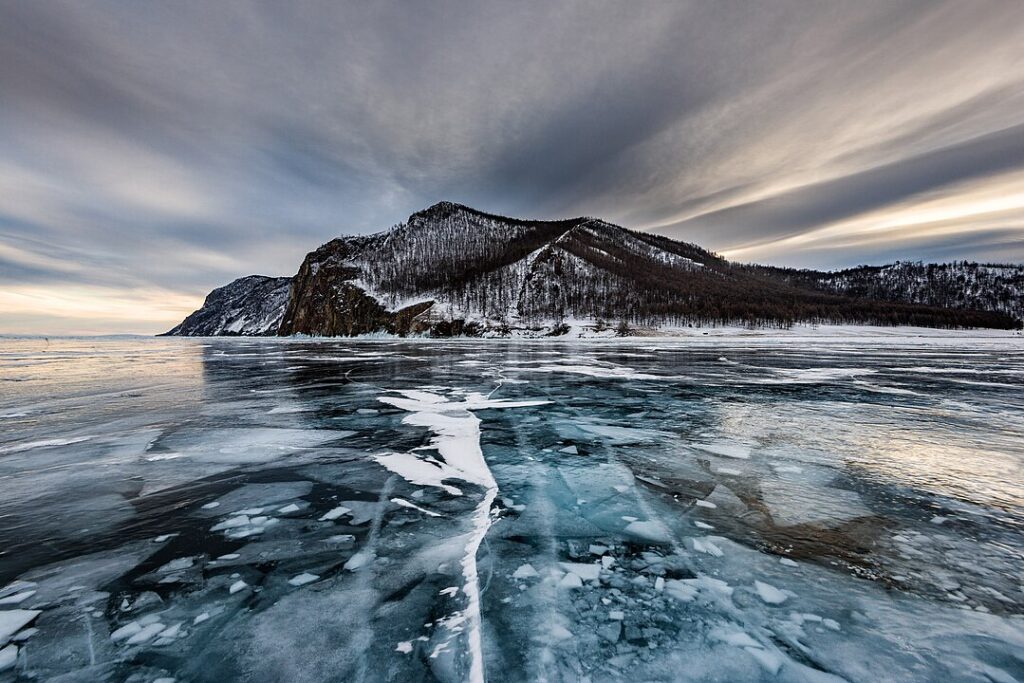
Geneticists analyzing remains from the Lake Baikal region and sites near the Yana River found clear markers of an early divergence from other Eurasian groups. The split altered traits linked to metabolism and cold adaptation. As reported by Nature, these changes suggest humans in Siberia were already evolving into a distinct population well before their descendants moved east.
The isolated communities endured extreme winters and scarce resources, shaping their physiology in ways other groups did not experience. The separation created a lineage uniquely prepared for the harsh environments they would encounter on their long migration path.
2. Harsh Ice Age conditions forced a second evolutionary leap.
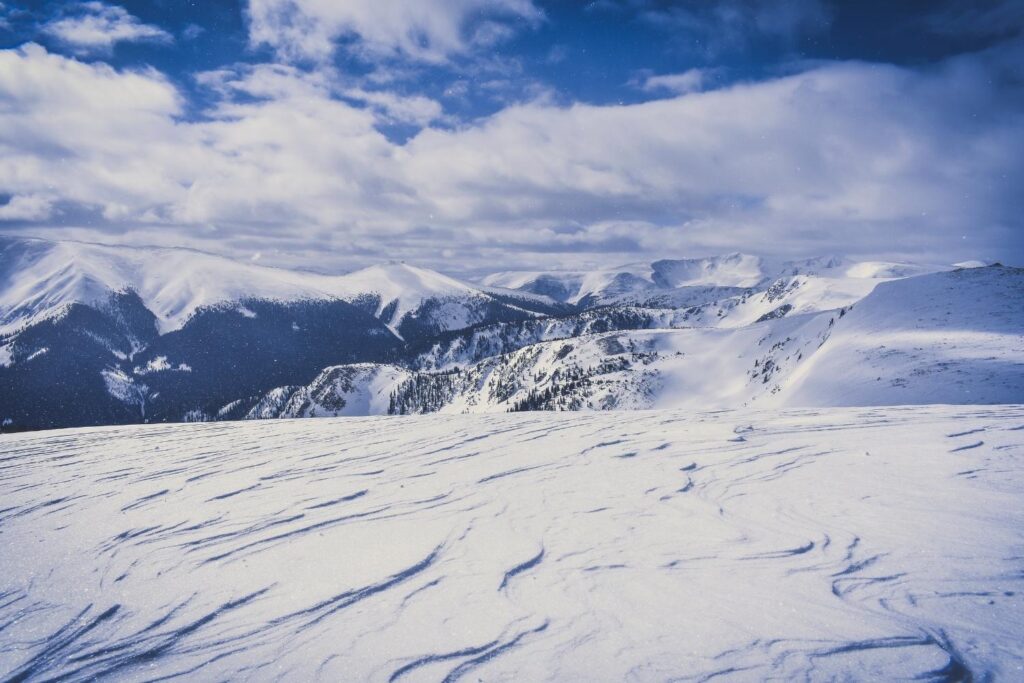
When climate patterns tightened across northern Eurasia, human groups near the Lena River and the Altai Mountains faced dramatic drops in temperature and food availability. Scientists studying ancient genomes found signs of selection in genes tied to fat storage and immune strength. These adaptations appear suddenly and uniformly across the population, as stated by Science Magazine.
Living through this climatic bottleneck transformed the group into a smaller yet more resilient population. The survivors carried strengthened biological tools for coping with cold stress and nutritional instability, shaping the lineage that would later move toward Beringia.
3. A third shift occurred in the long standstill in Beringia.
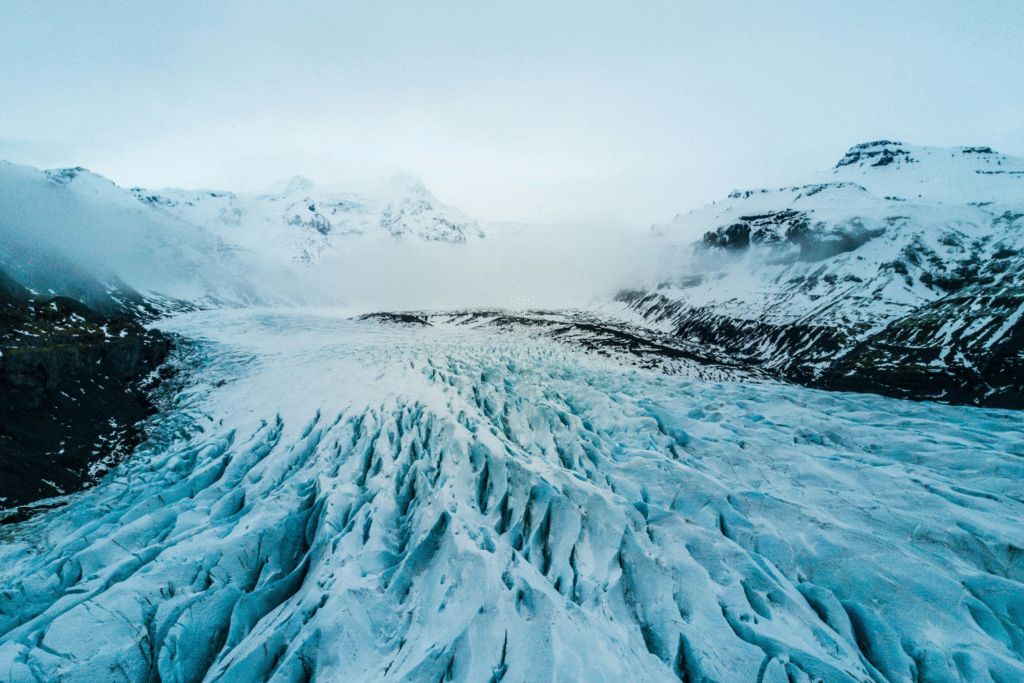
Evidence from ancient DNA suggests that early migrants spent thousands of years in the Beringian region, trapped between glacial barriers. During this standstill, their biology shifted again. Genes related to vitamin D processing, endurance and cold weather resilience show unique variations discovered by the BBC. The prolonged isolation acted like a pressure chamber for rapid evolutionary change.
The standstill reshaped the migrants’ physiology into something distinct from their Siberian ancestors. By the time they eventually moved into Alaska, they carried traits finely tuned to unforgiving northern conditions.
4. New genomic links reveal unexpected ancestral mixing.
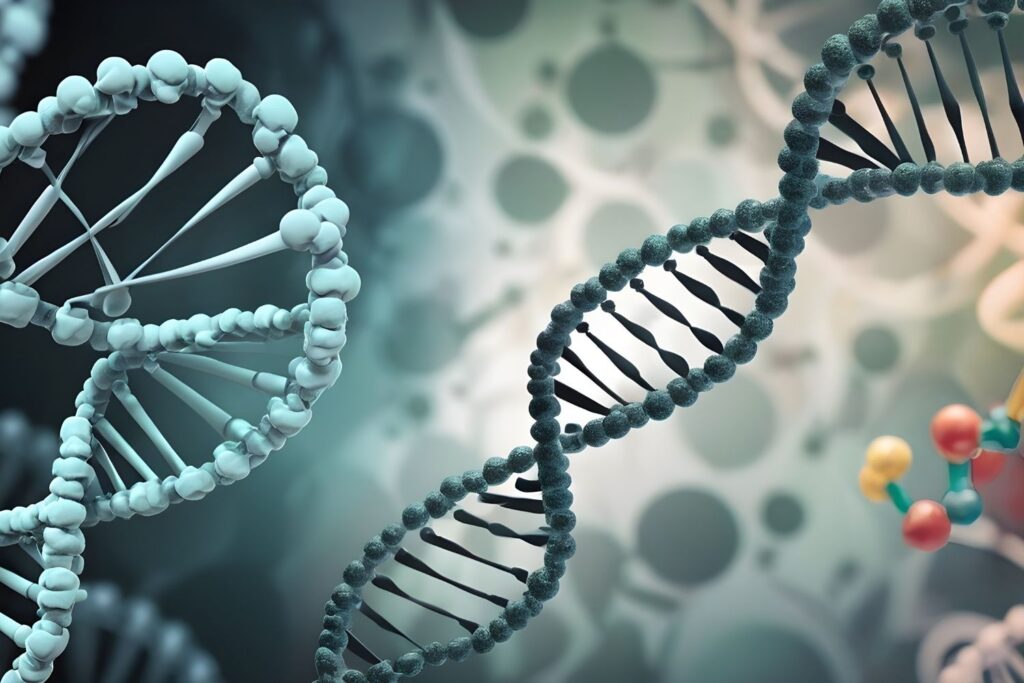
Researchers tracing ancestral strands uncovered interactions between early Siberian migrants and other deeply ancient groups. These exchanges introduced variations not seen in modern Eurasian populations. The mixing did not occur frequently, but the small contributions had long lasting impacts.
Some of these inherited traits relate to immune response strength, which would have given early migrants an advantage as they encountered new pathogens along their migration routes. Each genetic layer became part of the foundation carried into the Americas.
5. Evidence shows neurological traits shifted during migration routes.
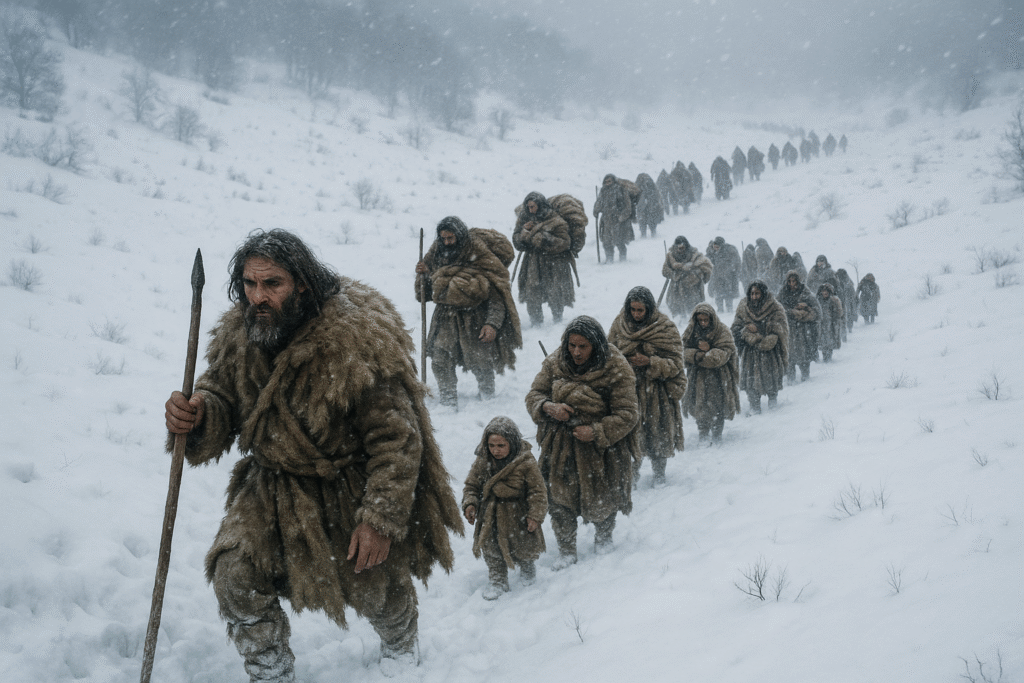
Variation in genes associated with cognitive endurance and stress responsiveness appears more frequently in ancient American ancestors than in related populations. This suggests selection favored individuals who could handle unpredictable climates and resource scarcity.
The push across vast frozen landscapes required problem solving, memory and decision making under pressure. Migration through extreme environments acted as a filter that reinforced these abilities, leaving measurable signatures in the genome.
6. Cold adaptation traits intensified as groups moved northward.

Several genetic markers tied to thermoregulation and heat loss resistance appear in stronger patterns the farther north researchers sample ancient remains. This gradient matches the migration path through Siberia into Beringia.
These adaptations likely changed everything from body composition to energy expenditure. The selective pressures of long winters and limited sunlight carved this lineage into a population capable of surviving environments most early humans could not endure.
7. Dietary shifts reshaped metabolism before the crossing.
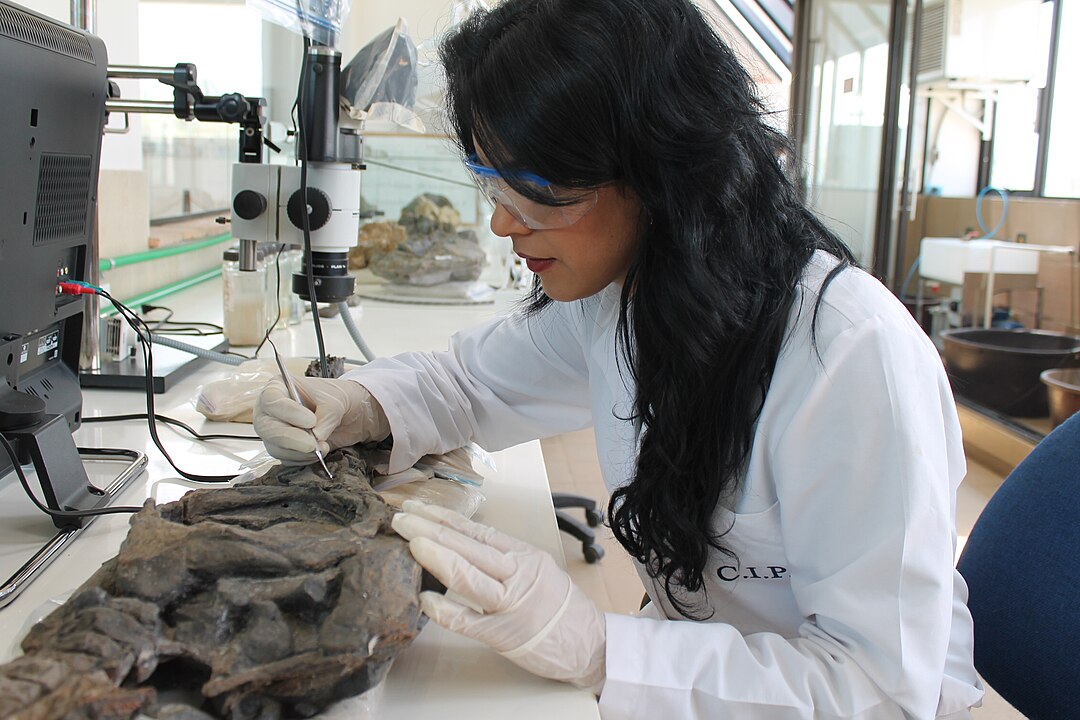
Stable isotope data from bones in Yakutia and along the Kolyma River show a diet increasingly heavy in animal protein and marine resources. Genetic evidence suggests the population adapted by developing more efficient fat utilization and metabolic flexibility.
This dietary resilience gave migrants the ability to survive seasons when plant foods were nonexistent. It also supported the high energy demands of long distance travel across frozen terrain. The adaptations became embedded in the ancestry long before the Americas appeared on the horizon.
8. Isolation strengthened unique genetic signatures.
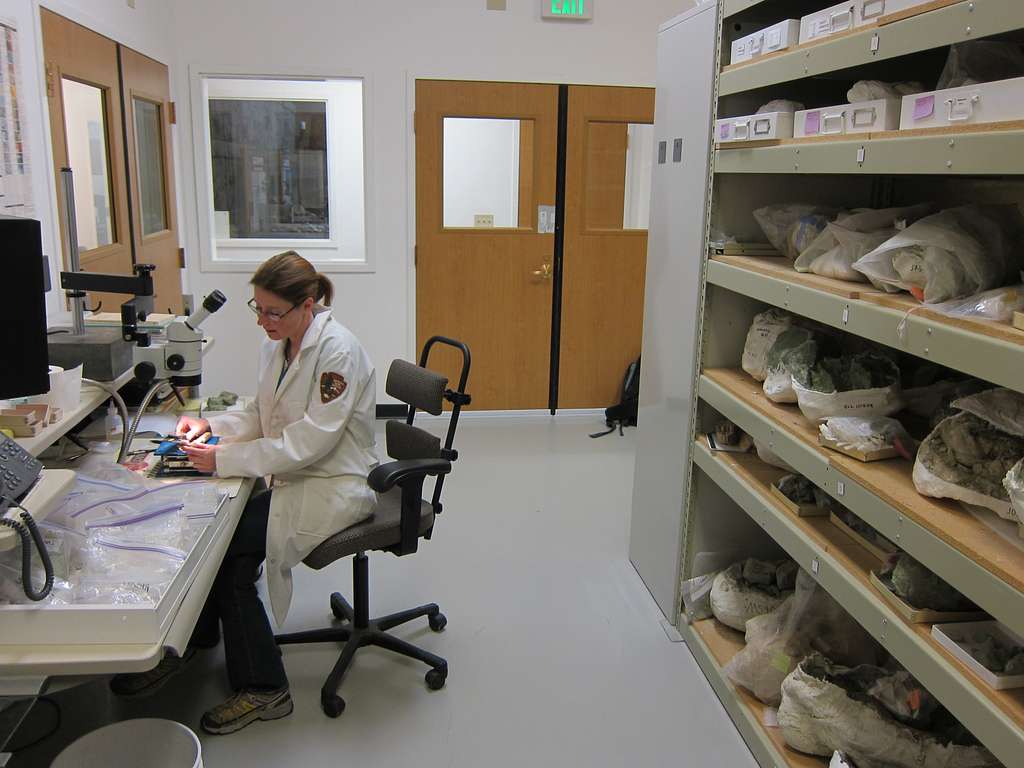
Ancient populations living at the edge of habitable land often became genetically isolated. For the ancestors of the first Americans, these periods of separation allowed rare mutations to become common within the group.
Once these migrants finally moved south, the distinctive genetic markers they carried created a clear fingerprint that researchers can still trace today. The isolation preserved those signatures across thousands of years.
9. Migration pressures shaped physical endurance traits.
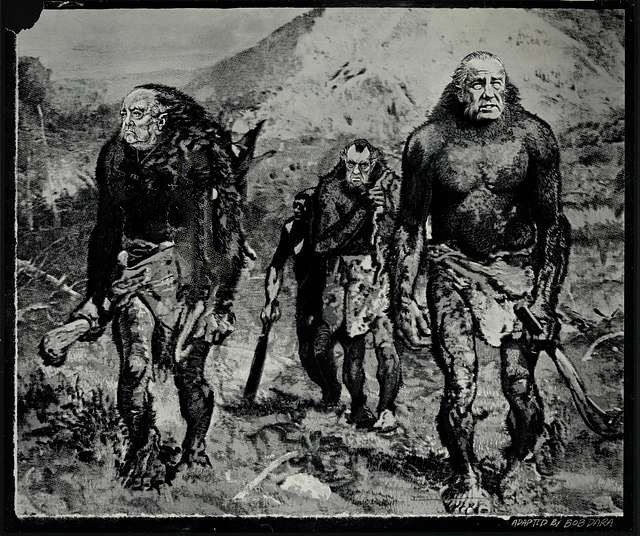
Travel across ice fields, frozen rivers and harsh steppe regions demanded sustained endurance. Lineages that lasted through these challenges show patterns in genes linked to oxygen processing and muscle recovery. These traits would have increased their survival odds during long hunts and seasonal missions.
The landscape did not simply test them. It reshaped them. Their bodies evolved to meet the demands of a journey that took generations to complete.
10. The final genetic profile formed before stepping into Alaska.

By the time the first migrants reached the Alaskan coast, they were no longer the same people who had left Siberia generations earlier. Their DNA carried the accumulated results of three evolutionary breaks shaped by isolation, climate shock and survival pressures.
These shifts produced a lineage uniquely equipped for the environments of the Americas. The story revealed by their genomes is not one of a single migration, but of transformations layered over centuries. The evidence shows that humanity’s path into the New World began with an ancient reshaping long before the first footprints crossed the land bridge.