
Where the food chain stops favoring people.
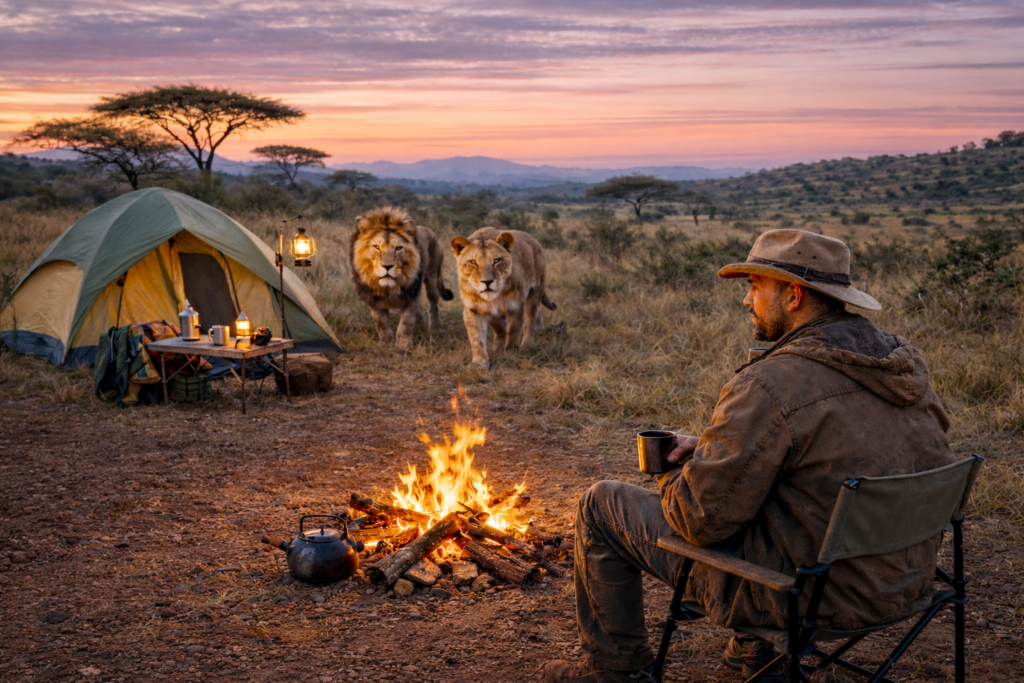
There are places on Earth where being human offers no advantage at all. In these regions, strength, intelligence, and tools fade against instinct, speed, and terrain. Predators do not hesitate, and landscapes do not forgive mistakes. People enter briefly, often overconfident, while the wild operates continuously. Here, danger is not rare or dramatic, it is routine. Survival depends on awareness, restraint, and knowing when presence alone makes you vulnerable. In such places, hesitation invites consequences that unfold faster than reaction.
1. The Sundarbans mangroves still hunt people daily.

The mangrove forests between India and Bangladesh form narrow corridors of mud and water. Visibility is poor, sound travels unpredictably, and tides rise fast, trapping movement. Tigers here have learned human routines and use water channels to approach from behind.
Villagers wear backward facing masks, yet deaths continue. According to National Geographic, Sundarbans tigers kill dozens of people each decade, often striking as tides erase escape routes entirely. Even experienced locals remain vulnerable.
2. Komodo Island turns curiosity into a fatal mistake.
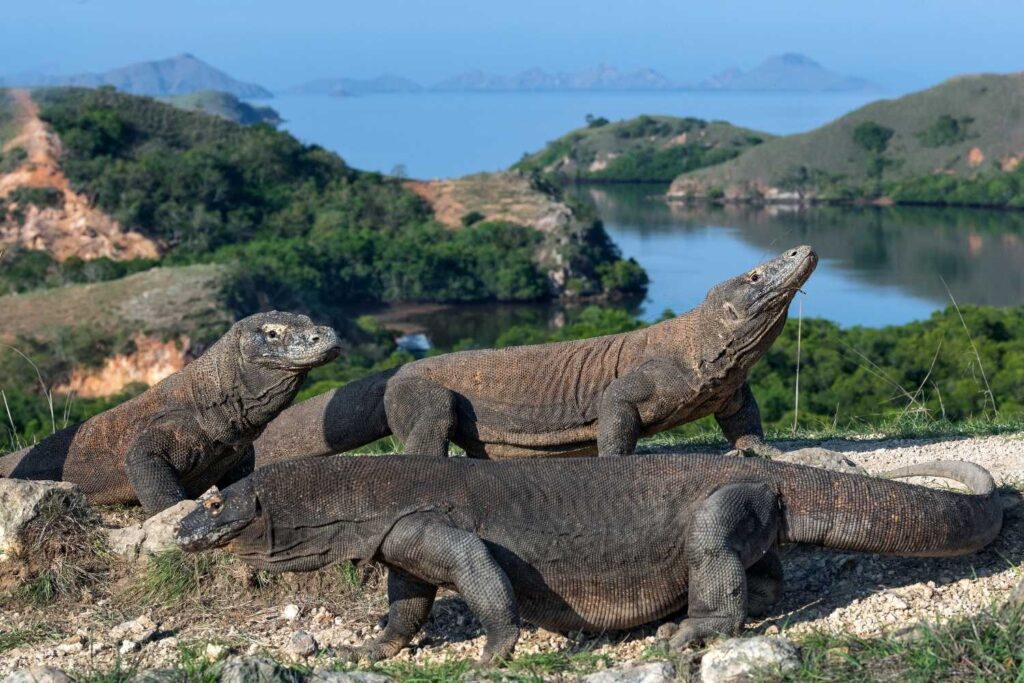
Komodo dragons dominate their island with size, patience, and chemical weapons. They rely heavily on scent and can track injured prey for miles without rushing. Visitors often misjudge how quickly distance closes once movement draws attention.
A single bite can be fatal hours later. Their venom prevents clotting and lowers blood pressure. As reported by the Smithsonian National Zoo, prey often collapses long after the initial attack. Escape rarely improves outcomes.
3. The Okavango Delta changes who controls the water.

Seasonal flooding transforms Botswana’s Okavango Delta into shifting channels where visibility changes constantly. Crocodiles blend into banks, while hippos defend territory with sudden aggression. Boats offer limited protection in narrow passages.
Many attacks occur near shore. According to BBC Earth, hippos kill more people annually in Africa than lions. In the delta, calm water can turn violent without warning. Familiar scenery offers little safety.
4. Tsavo East proved lions will hunt people.
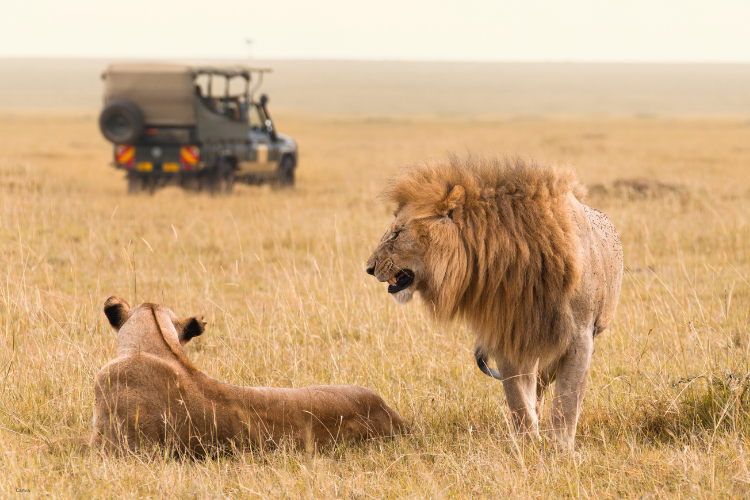
In 1898, railway workers in Kenya’s Tsavo region were dragged from tents by lions repeatedly. Sparse prey and open terrain shaped bold hunting behavior that targeted humans directly.
Those conditions still return during droughts. Modern Tsavo supports large prides accustomed to human presence. Camps lack barriers, night sounds mask movement, and fatal encounters still occur when hunger overrides caution. History still echoes here.
5. Kakadu floodplains belong to crocodiles.

Northern Australia’s Kakadu National Park supports one of the densest saltwater crocodile populations on Earth. Rivers and billabongs shift seasonally, changing safe zones quickly and unpredictably.
Fishing and swimming areas move constantly. Crocodiles strike from below with explosive force. Many victims never see movement. Rangers often recover nothing, because crocodiles leave little evidence behind. Absence becomes the warning.
6. Amazon headwaters erase human advantage quickly.
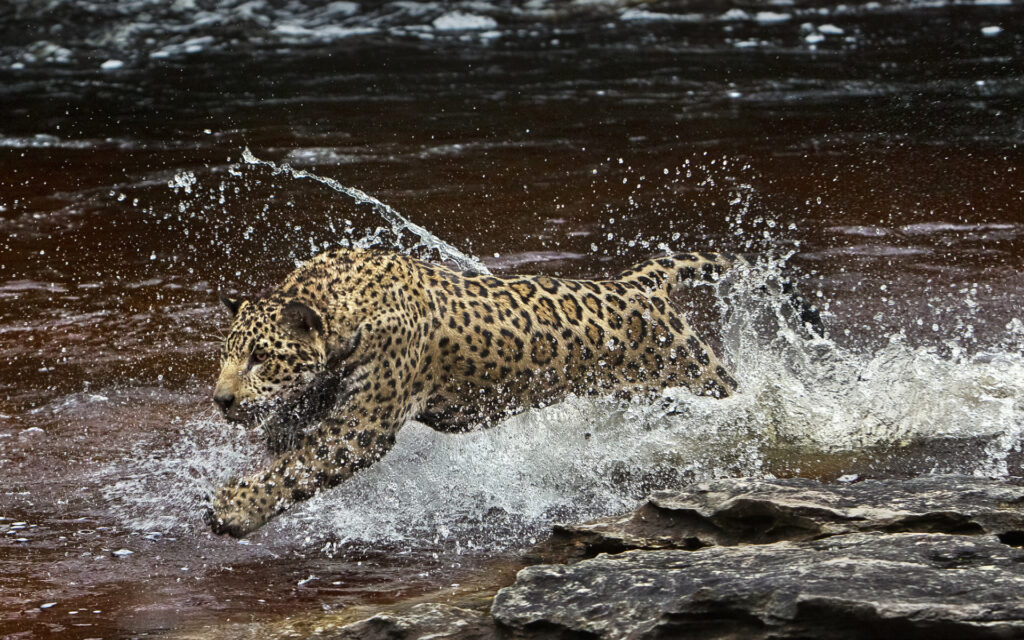
Dense rainforest limits sight, slows movement, and drains energy fast. Jaguars move through understory with ease while humans struggle with footing, heat, and disorientation.
Venomous snakes and insects compound danger. Infection alone can become fatal without treatment. Rivers delay evacuation for days. The forest does not chase. It waits until exhaustion leads to mistakes. Time works against visitors.
7. Lake Malawi hides danger close to shore.

Lake Malawi appears calm but supports large crocodiles and aggressive territorial fish. Shorelines shift with water levels, changing where predators hunt.
Many attacks happen within meters of land. Confidence increases near shore while awareness drops. Locals avoid dusk crossings. Visitors often do not recognize danger until movement triggers a sudden strike. Proximity offers false comfort.
8. Gir Forest keeps lions near villages.
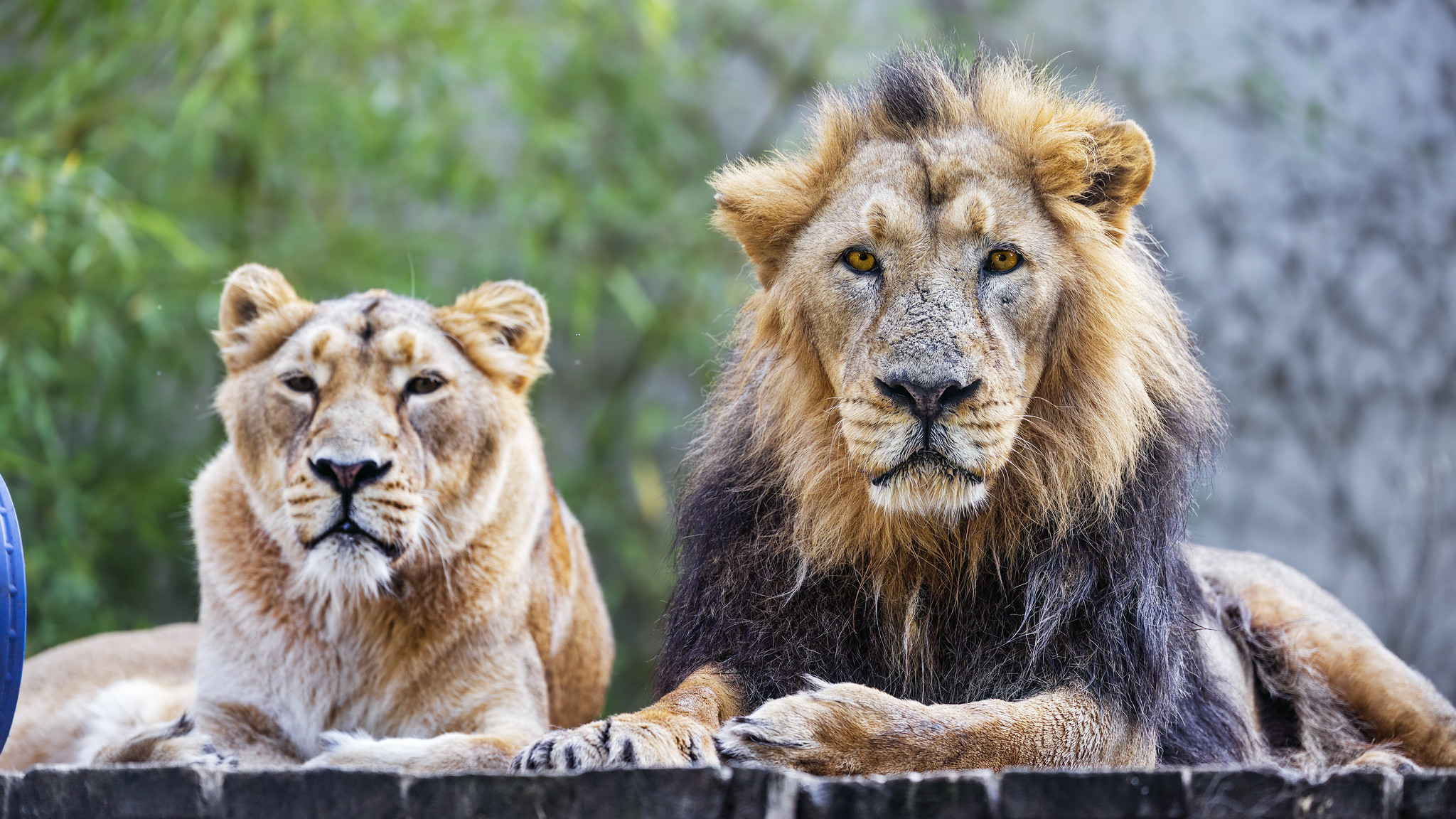
India’s Gir Forest holds the last Asiatic lions, living near farms and footpaths. People travel narrow routes daily for grazing and work. Encounters are frequent and close.
Lions here show little fear of humans on foot. Attacks often occur at dawn or dusk. Retreat options are limited. A single misjudgment can provoke pursuit where space disappears quickly. Routine increases risk.
9. The Farallon Islands belong to sharks.

Cold Pacific currents concentrate seals near the Farallon Islands off California. Great white sharks patrol feeding grounds in predictable patterns shaped by tides and migration.
Human access is tightly restricted. Swimming is prohibited and cage diving banned. Boats remain the only refuge. Attacks are rare but decisive, with rescue options limited by isolation and cold water. The margin is unforgiving.
10. The Pantanal floods favor jaguars.
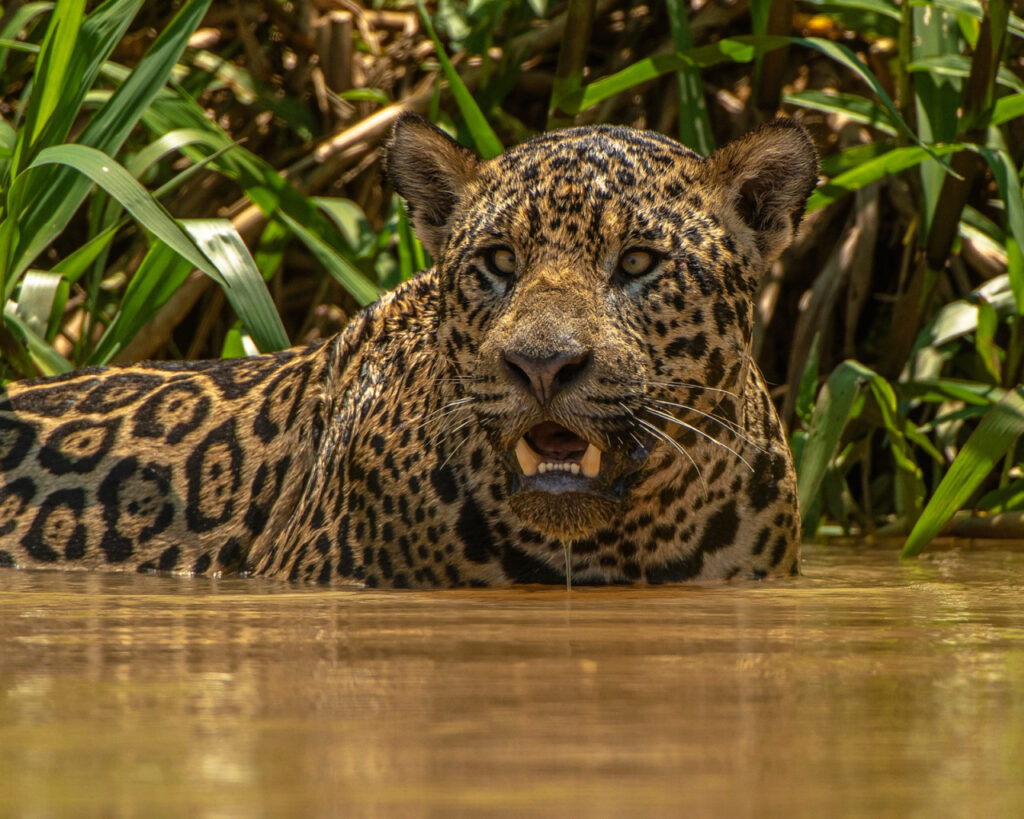
Brazil’s Pantanal wetlands flood seasonally, forcing wildlife and people onto narrow high ground. Jaguars thrive here, using water edges as hunting corridors near camps and boats.
As floodwaters rise, isolation increases. Jaguars lose fear around human activity. Encounters happen at close range, where reaction time is minimal and escape often leads into deeper water. Distance offers little protection.
11. Denali’s backcountry strips away confidence.
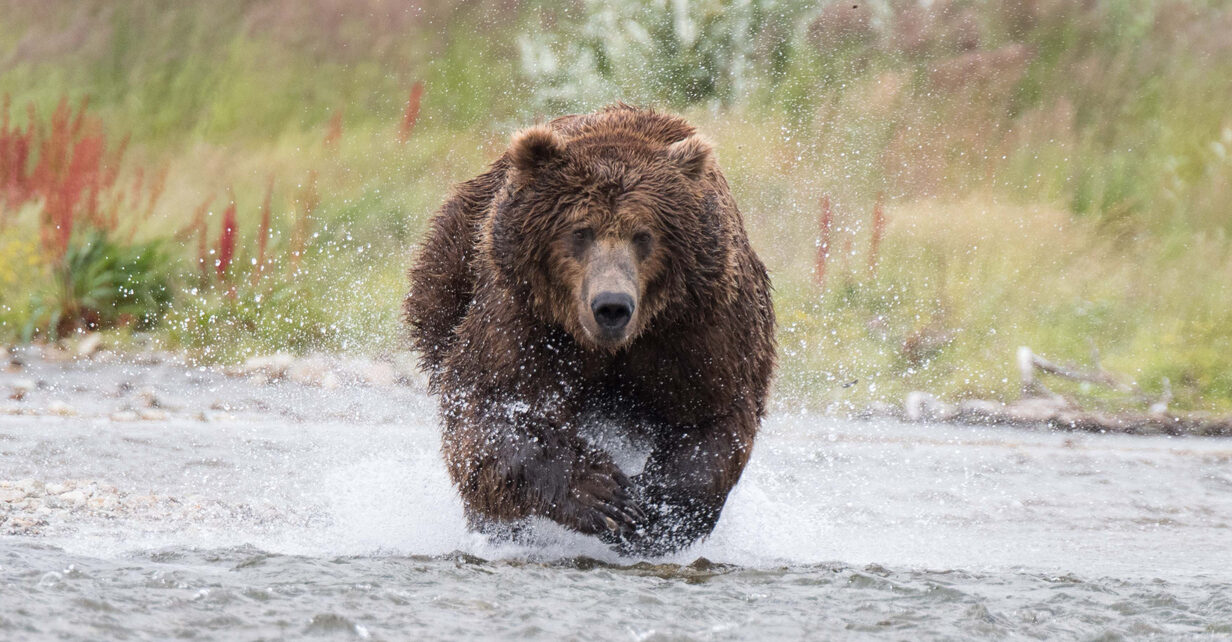
Alaska’s Denali region supports large grizzly bears that move faster than expected across open terrain. Weather shifts quickly, reducing visibility and reaction time without warning.
Many attacks involve experienced hikers. Bears defend space immediately. Distances close in seconds. Once a charge begins, terrain and weight favor the animal. The margin for error is extremely small. Experience does not guarantee safety.