
New evidence keeps rewriting humanity’s oldest assumptions.

For centuries, maps left wide spaces blank and historians filled them with silence. Deserts were too harsh, tundra too cold, forests too dense, and mountains too unforgiving. Yet each decade peels back another layer of certainty. Footprints emerge where no one expected them. Tools surface in places written off as impossible. The story unfolding now is not about isolated discoveries. It is about a growing realization that humans adapted earlier, traveled farther, and stayed longer than we ever assumed.
1. Deserts long dismissed as barriers were occupied.

For much of modern archaeology, deserts were treated as corridors at best and voids at worst. Harsh temperatures and scarce water made sustained human presence seem unlikely. That assumption is steadily collapsing as sites across the Sahara and Arabian Peninsula reveal hearths, stone tools, and migration pathways dated tens of thousands of years earlier than expected.
Environmental shifts created wetter windows that humans exploited repeatedly. Seasonal lakes and grasslands supported movement and settlement cycles. According to Nature, satellite analysis combined with fieldwork shows humans did not merely pass through these regions. They returned, adapted, and built lives shaped by extreme landscapes once assumed empty.
2. Frozen regions show signs of year round survival.

The Arctic was long framed as a late chapter in human expansion. Permanent settlement there seemed improbable until advanced technology appeared. Evidence now contradicts that timeline. Sites across Alaska, Siberia, and northern Canada reveal toolkits, shelters, and hunting strategies designed for long term survival in extreme cold.
These findings suggest people learned to manage ice, darkness, and scarce resources far earlier than assumed. Seasonal mobility existed, but so did deep knowledge of place. As reported by Smithsonian Magazine, archaeological layers show repeated occupation rather than brief visits. The Arctic was not a final frontier. It was a lived landscape.
3. Dense rainforests were shaped by early societies.

Rainforests were once labeled pristine wilderness, untouched until recent centuries. That narrative is rapidly unraveling. In the Amazon Basin, lidar scans reveal vast networks of earthworks, managed forests, and settlement patterns hidden beneath the canopy.
These societies practiced soil engineering, selective planting, and landscape modification over generations. Their presence reshaped ecosystems rather than destroying them. As discovered by Science, charcoal layers and botanical remains show long term habitation dating back thousands of years. The forest itself became an artifact, quietly preserving human fingerprints long overlooked.
4. High mountains supported people earlier than expected.
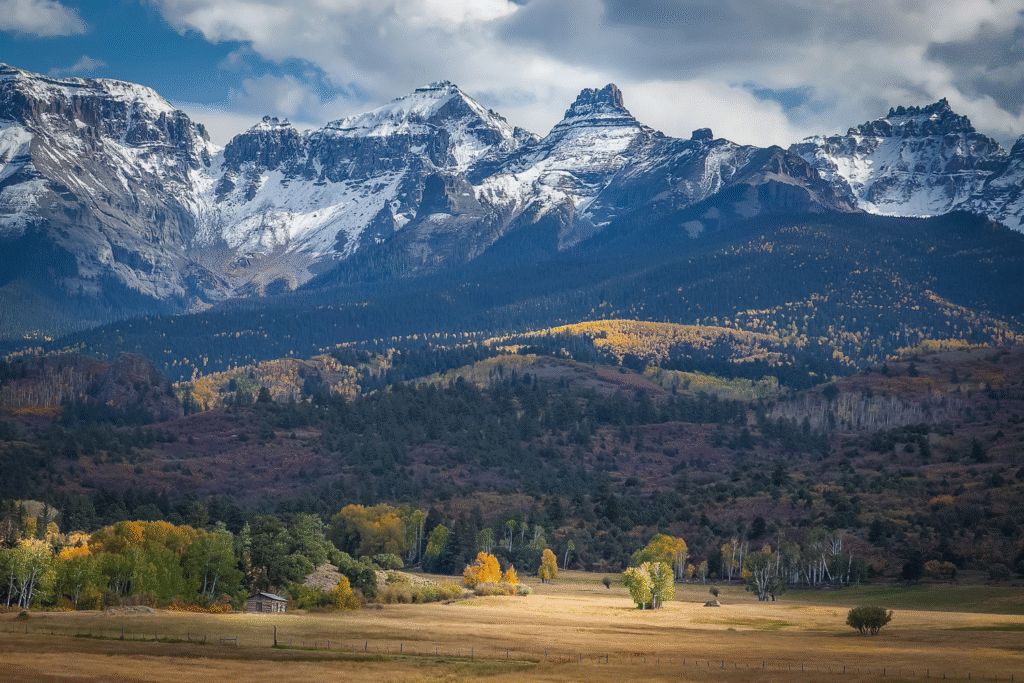
Extreme altitude was thought to be a major limiting factor for early humans. Thin air, cold temperatures, and rugged terrain suggested short visits at best. Excavations in the Andes and Tibetan Plateau tell a different story.
Stone tools and habitation layers indicate people lived at elevations above four thousand meters far earlier than genetic models predicted. Physiological adaptation happened quickly. Cultural strategies filled the gaps. Mountains were not avoided. They were learned, mapped, and incorporated into human survival systems with remarkable speed.
5. Coastlines reveal missing chapters of settlement.

Rising seas erased vast portions of early human history. Coastal settlements now lie underwater, invisible to traditional excavation. New marine archaeology methods are changing that picture.
Submerged landscapes off the coasts of Australia, Europe, and Southeast Asia preserve tools, hearths, and migration routes. Early humans followed shorelines rich in food and predictable resources. Their absence from land records was not absence from history. It was a matter of drowned evidence finally coming back into view.
6. Grasslands supported complex long term occupation.
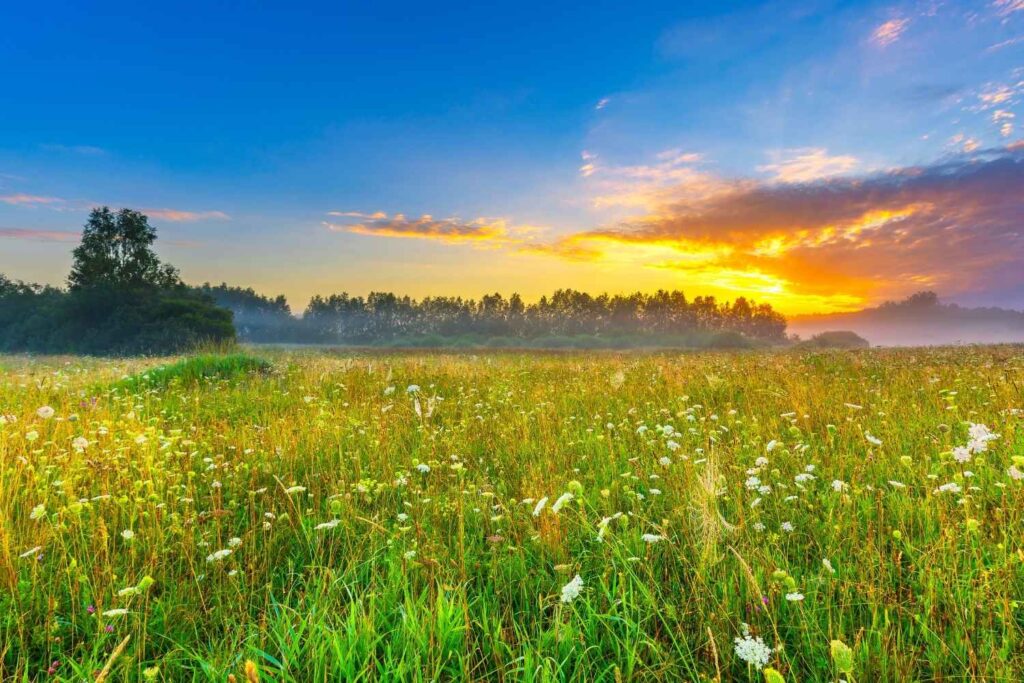
Open plains were often described as transit zones rather than destinations. The Great Plains of North America and Eurasian steppes now show repeated settlement, not just seasonal hunting camps.
Fire management, bison drives, and tool production created sustainable systems tuned to vast open environments. These societies understood animal behavior, weather patterns, and land cycles deeply. The plains were not empty stretches between civilizations. They were home, shaped by people who left subtle but enduring marks.
7. Islands were reached earlier than believed possible.
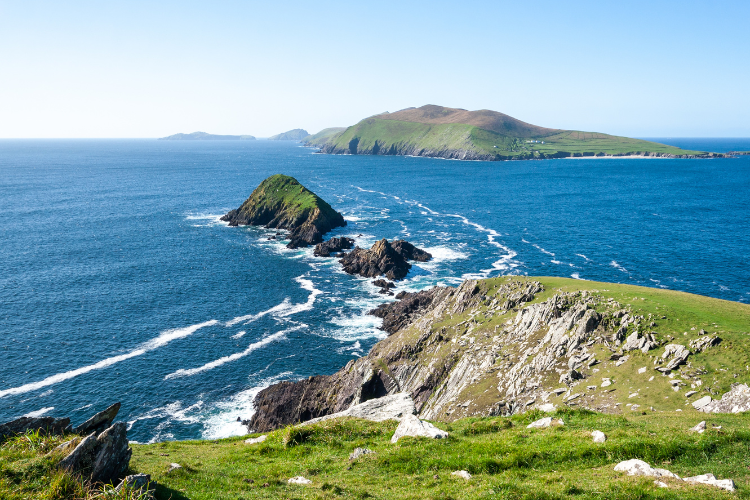
Remote islands once seemed unreachable without advanced seafaring technology. Archaeological finds across the Pacific challenge that assumption. Early humans crossed open water intentionally, carrying tools, plants, and animals with them.
Island settlements show planning rather than accidental drift. Navigation knowledge developed earlier than models suggested. These crossings required confidence, memory, and cultural transmission. Oceans did not halt human movement. They redirected it into new forms of exploration and adaptation.
8. Wetlands were engineered not avoided.
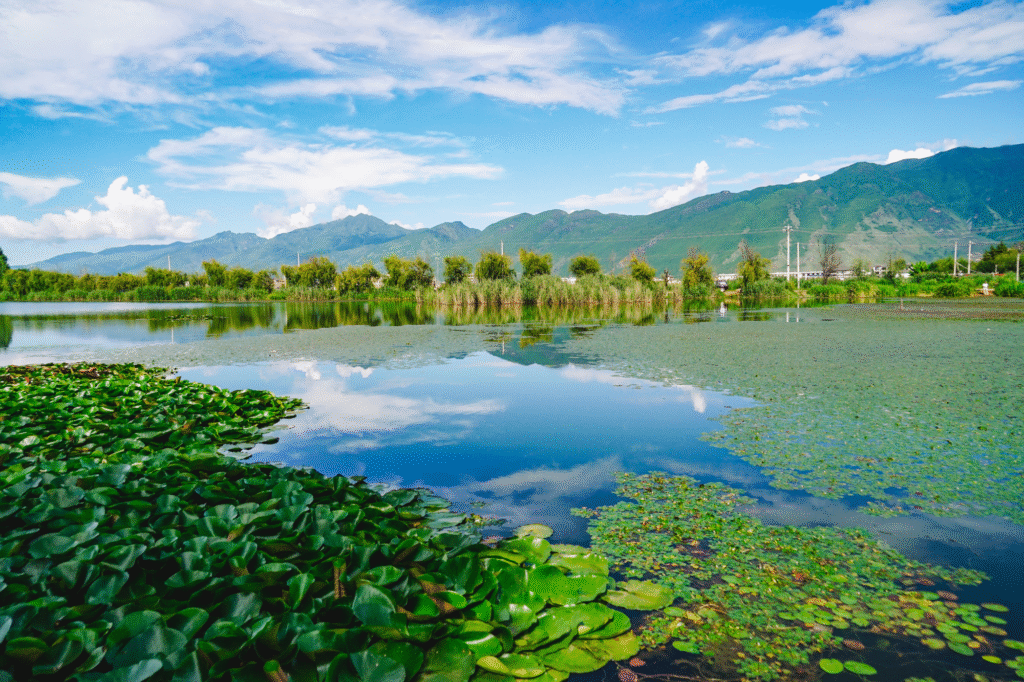
Marshes and swamps were historically framed as unhealthy and uninhabitable. Archaeology increasingly shows they were carefully managed environments. In places like Papua New Guinea and the British Isles, wetland structures reveal sophisticated water control.
Raised fields, fish traps, and wooden walkways supported dense populations. These landscapes demanded maintenance and knowledge. Wetlands were not marginal zones. They were productive systems shaped by human hands long before written records acknowledged them.
9. Caves hide evidence of everyday life.
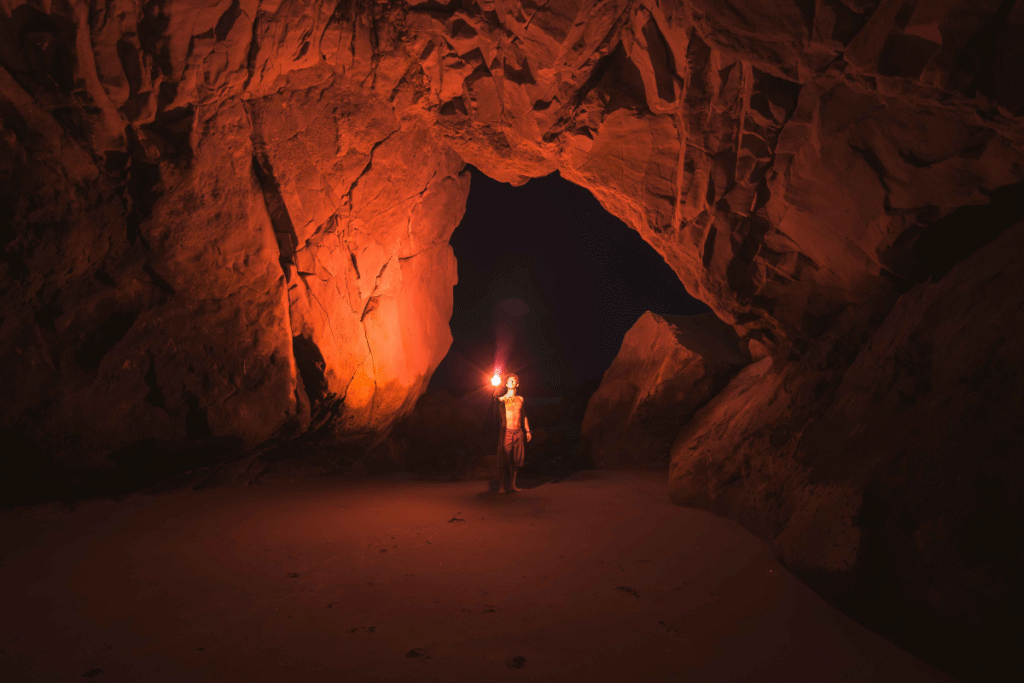
Caves were once viewed mainly as shelters of last resort. Many now appear as central hubs of activity. Inside them lie layers of tools, art, food remains, and ritual objects spanning thousands of years.
Their stable temperatures preserved fragile materials rarely found elsewhere. Caves reveal continuity rather than desperation. They served as homes, meeting places, and cultural anchors. What once seemed like temporary refuge increasingly looks like intentional settlement woven into broader landscapes.
10. Maps are finally catching up to reality.
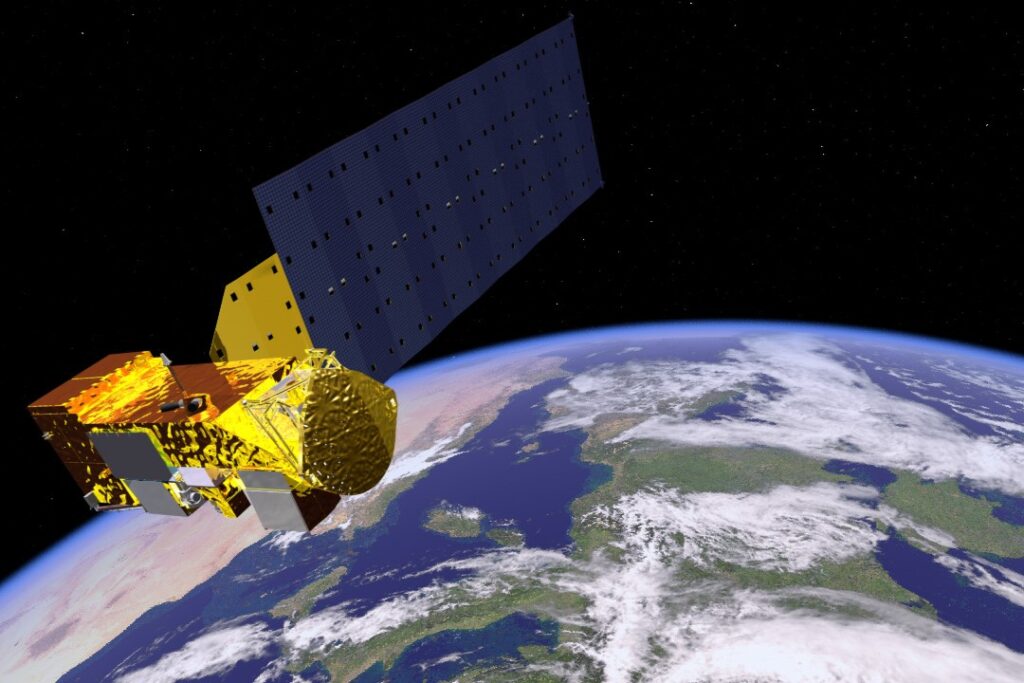
The idea of empty land is fading because technology changed how evidence is seen. Lidar, satellite imaging, and improved dating methods expose patterns invisible to earlier generations.
What emerges is not a scattered story of rare outliers. It is a dense web of human presence stretching across every environment. Humans did not conquer landscapes through brute force. They learned them. The planet was never empty. It was always inhabited, just waiting to be noticed.