
Natural hydrogen reshapes clean energy discussions.

Scientists are paying closer attention to naturally occurring hydrogen, often called white hydrogen, found deep underground where water reacts with minerals in ancient rock. The discovery has prompted headlines suggesting a nearly limitless energy source hidden beneath our feet. As more wells are drilled and new findings emerge, the story is becoming more intriguing. The next ten points explore how this mineral driven process works, what researchers are uncovering and why the truth is far more grounded and fascinating than the hype suggests.
1. Mineral reactions deep underground release natural hydrogen.
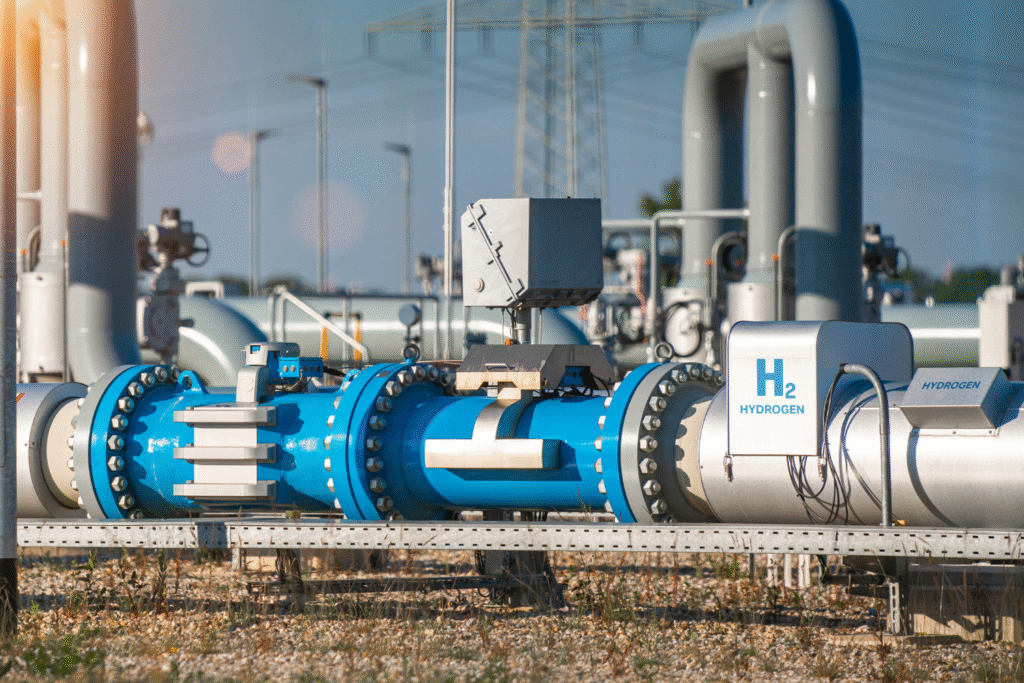
When water reaches iron rich minerals such as olivine in hot, pressurised rock layers, a reaction called serpentinization produces hydrogen gas, as reported by Nature. Scientists long assumed these reactions created small amounts of hydrogen, but new drilling results show far larger quantities accumulating in deep pockets. These reactions occur in ancient crust where heat and mineral rich fractures interact over long periods.
As more geological studies map these zones, the picture broadens. Each new well adds evidence that Earth’s chemistry has been quietly generating hydrogen far beneath the surface for millions of years. This realisation changes how geologists view the subsurface and invites even bigger questions about how much hydrogen might still be undiscovered.
2. Some hydrogen reservoirs appear to refill naturally over time.

A surprising detail emerging from field measurements is that certain wells show rising hydrogen levels rather than depletion, according to the United States Geological Survey. This suggests a continuous chemical reaction, not a one time resource, which explains why some researchers now consider white hydrogen a potentially renewable form of energy. The idea of a naturally replenishing reservoir challenges long held assumptions about underground fuels.
If the reaction continues steadily, these wells could operate differently from traditional oil or gas sites. Instead of diminishing with use, they might maintain or even increase output. While not proven everywhere, the early data fuels optimism and directs attention toward regions once considered geologically unimportant. That momentum leads into the next major finding.
3. Large hydrogen discoveries are appearing in multiple countries.

In recent years geologists have identified significant underground hydrogen pockets across France, Spain, Australia and parts of the United States, as stated by Science. Some of these fields were discovered accidentally while drilling for other resources. Others were confirmed through targeted surveys in old cratons where reactive minerals and trapped fluids meet. These discoveries push scientists to rethink the scale of natural hydrogen deposits.
Each confirmed find adds weight to the idea that Earth’s crust holds far more hydrogen than previously believed. The locations also highlight how widespread the process may be. As exploration continues, more regions are being mapped for their mineral composition and reactive potential, setting the stage for broader investigations into extraction.
4. Extraction depends on drilling into ancient fractured rock.

Accessing white hydrogen requires reaching deep formations where water and minerals interact. These old rock layers are often harder and more stable than traditional hydrocarbon zones, demanding advanced exploration equipment and careful mapping. Engineers must understand how fractures guide gas movement and how pressure affects flow. The process is still in early stages, and only a handful of wells offer real data.
The challenge forces researchers to adapt existing drilling methods used for geothermal or natural gas. Each well becomes a learning opportunity, revealing how hydrogen behaves underground and how best to capture it. Because this field is new, every sample and test helps build a foundation for future energy systems.
5. Natural hydrogen offers cleaner energy potential.
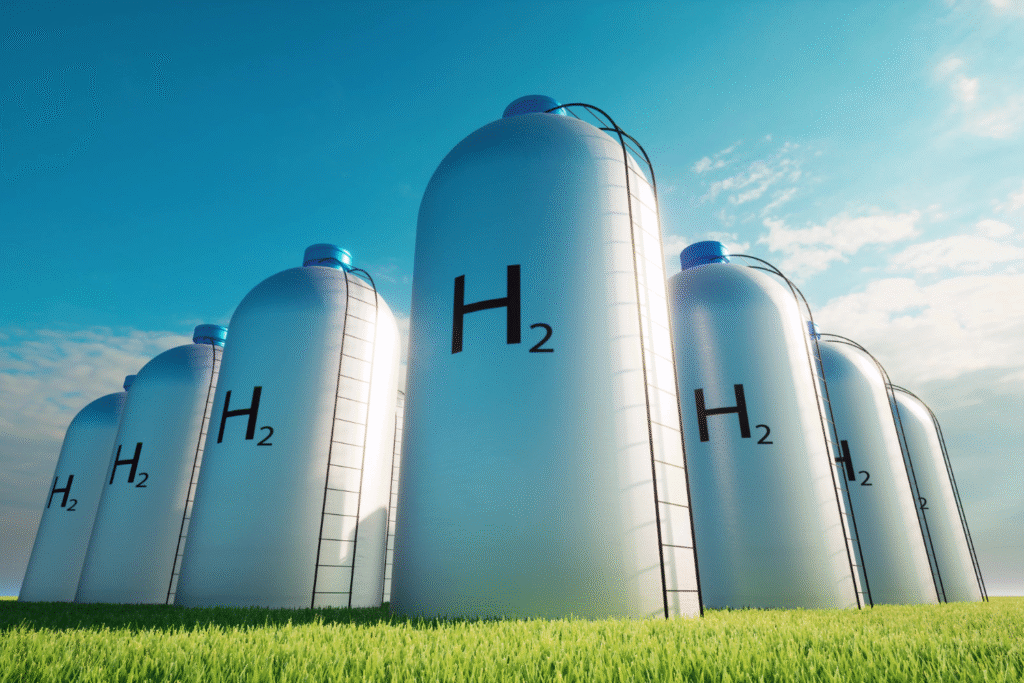
Hydrogen fuel produces only water when used in fuel cells, making it attractive as a clean energy option. Extracting natural hydrogen could avoid many emissions linked to fossil fuel production. If the resource proves scalable, it could support cleaner industrial processes, transportation systems and long term storage solutions. The environmental advantages are drawing global interest.
Still, environmental benefits rely on safe extraction. Hydrogen must be captured without leaks, contamination or excessive land disruption. Engineers emphasise containment and monitoring, reminding us that even clean fuels require careful management. If done well, the process could reduce greenhouse emissions significantly compared to conventional energy sources.
6. Remote and difficult landscapes challenge exploration.

Many promising hydrogen rich regions lie in remote, sparsely populated areas with little existing infrastructure. Building access roads, drilling sites and pipelines becomes expensive and slow. Some locations may hold abundant hydrogen but remain inaccessible until technology or economic drivers shift. This slows the pace of discovery and makes each exploratory well a calculated risk.
Distance also limits how quickly data can be gathered. Fewer wells mean fewer case studies to guide future exploration. As more regions are surveyed, the practical boundaries of white hydrogen development will become clearer. Until then companies must balance cost with potential reward.
7. Hydrogen’s movement through rock adds unpredictability.
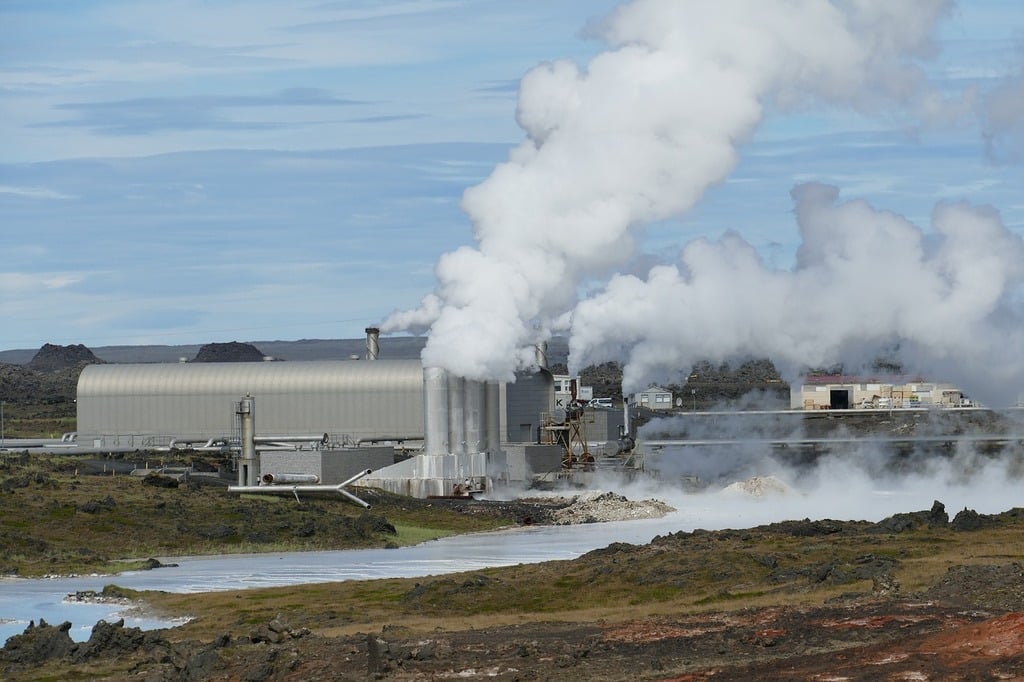
Hydrogen molecules are extremely small and move through rock differently than methane or other underground gases. They can slip through microfractures or migrate upward unless geological traps are strong enough to contain them. This makes predicting reservoir behaviour difficult and demands careful modeling before drilling begins.
Understanding this movement is now a central research challenge. If scientists can map how hydrogen travels, they can better identify which formations will hold stable deposits. That knowledge will help the industry avoid unproductive drilling and focus on regions with long term potential. This step is essential for growth.
8. Industry interest is rising as early results look promising.

Energy companies, governments and startups are launching exploratory programs worldwide. Pilot wells in Europe and Australia are testing flow rates, geological stability and long term pressure changes. These tests aim to determine whether natural hydrogen can be produced safely and affordably. Each project adds valuable data to a field that barely existed a decade ago.
This surge of interest mirrors early geothermal or shale exploration. The pace may be slow at first, but enthusiasm drives innovation. As teams gain experience across different landscapes, the outlook becomes clearer. With every step the field moves closer to understanding its true potential.
9. Natural hydrogen could support renewable energy systems.
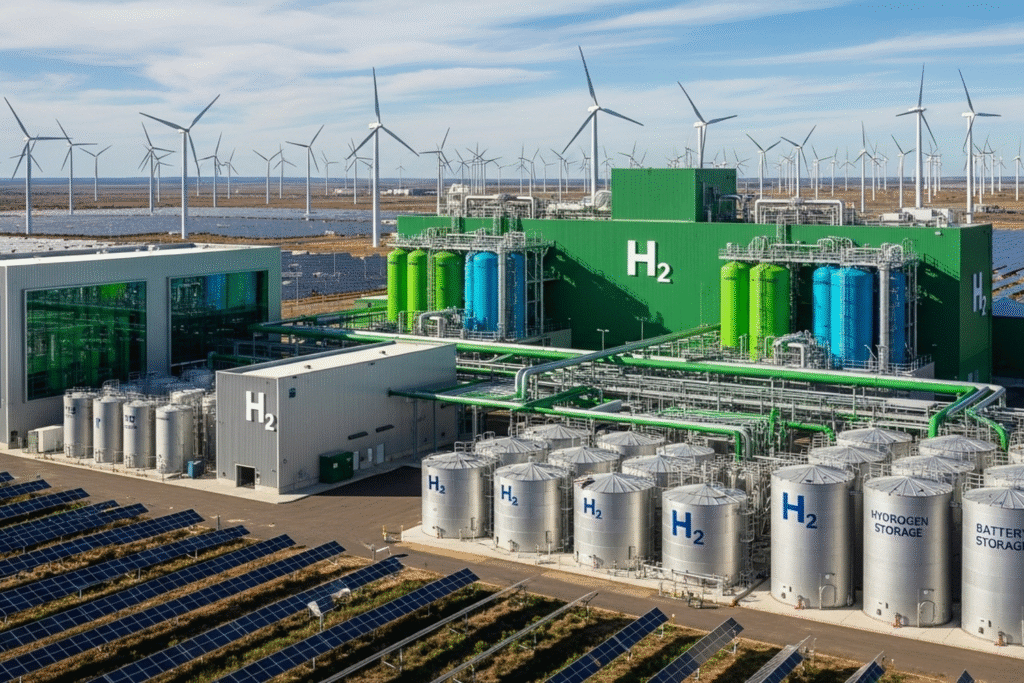
Hydrogen is valuable because it stores energy for long periods, smoothing gaps when solar or wind generation dips. If white hydrogen can be produced consistently, it could work alongside renewables to stabilise power grids. This pairing strengthens clean energy systems by offering flexibility that batteries alone cannot provide.
Using hydrogen for storage or transport also widens energy options. Industries that struggle to decarbonise may benefit from a steady supply. The question is whether natural hydrogen can scale cheaply enough to play this role. Until extraction becomes more predictable, the idea remains promising but not yet proven.
10. Ongoing research will define its real energy future.

Scientists are now studying mineral reaction rates, geological trapping ability and long term reservoir behaviour. They aim to learn how quickly hydrogen forms, how much accumulates and how safe extraction can become. These questions will determine whether white hydrogen becomes a meaningful global energy source or stays a geological curiosity.
For now the excitement is balanced by caution. Earth may indeed be producing more clean hydrogen than anyone imagined, but turning that discovery into a dependable energy supply requires time, testing and engineering progress. The potential is real, but the story is still unfolding.