
A wild signal carrying meaning across tense moments.
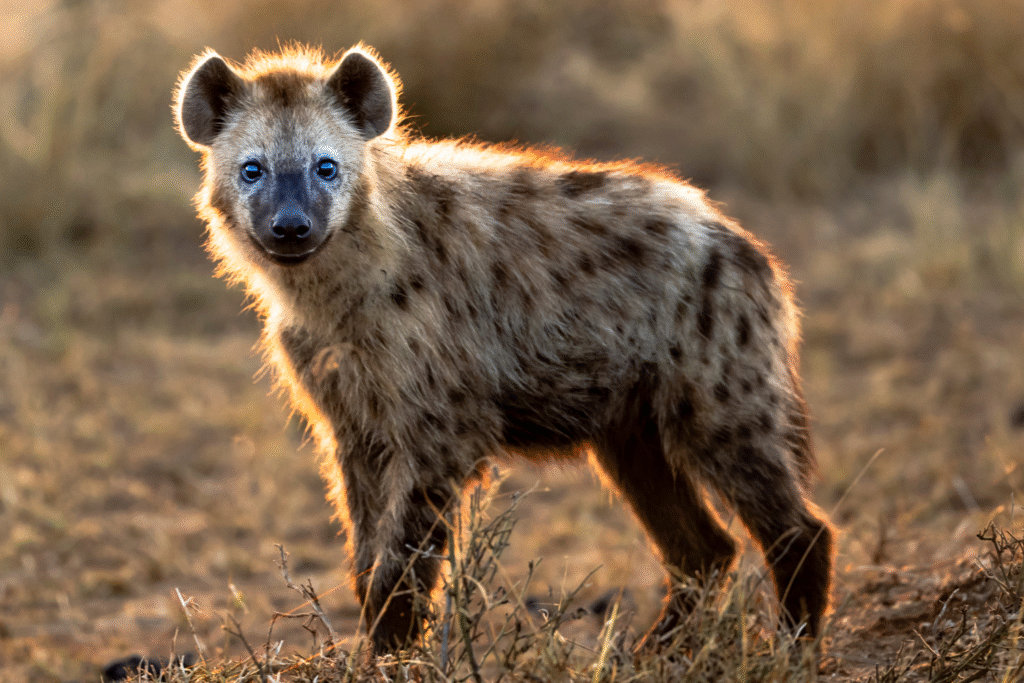
Hyenas rarely laugh for fun, and anyone who has watched them across the Serengeti during a tense standoff knows that their strange chatter carries intention. The sound rises when danger mixes with opportunity, especially when a kill is within reach. Researchers studying clan behavior are finding that the vocal bursts reflect strategy, rank, anticipation and raw urgency. Those details turn the eerie laughter into a finely tuned communication system that shapes every chaotic feeding event.
1. Hyenas use laughter to broadcast rising competitive tension.
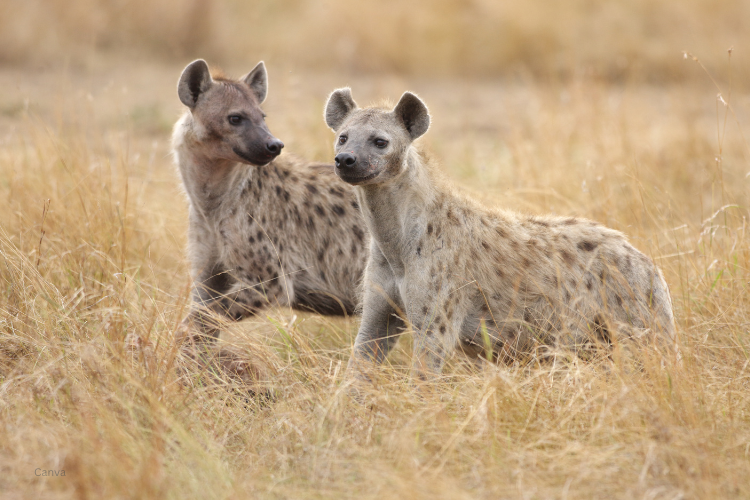
The closer a clan gets to a carcass, the more their vocal energy intensifies, a detail behavioral ecologists tracking spotted hyenas in Tanzania have documented for years. Their laughter conveys ranking disputes, emotional arousal and shifting alliances, as stated by National Geographic, which helps explain why the landscape seems to vibrate when a hunt reaches its finale.
That communication keeps group members informed as the chaos of a kill unfolds. It also alerts them to rivals gathering in the distance, which changes how individuals position themselves. What sounds unnerving to humans becomes a real time status update in the middle of escalating conflict.
2. Calls rise sharply when food competition becomes unavoidable.
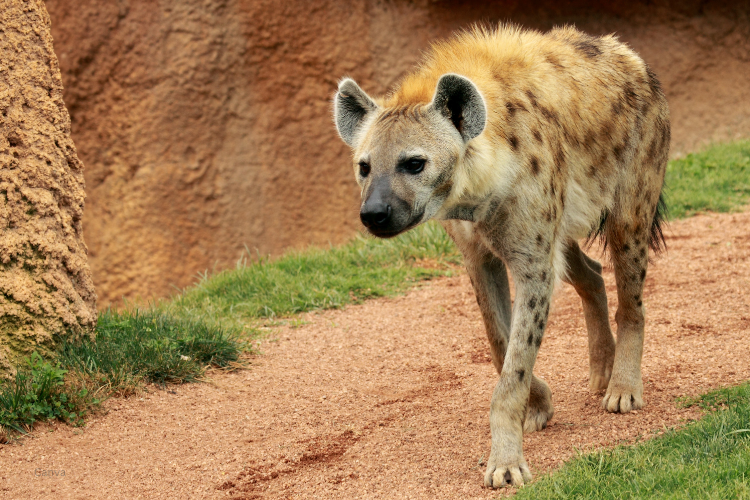
Field teams following clan movements near Ngorongoro Crater have recorded an immediate spike in specific laugh patterns the moment scavengers begin closing in, a trend supported according to BBC Earth. Those short erratic bursts often signal that hyenas understand mobility is ending and conflict is coming.
The shift in sound helps nearby clan mates gauge urgency even if they cannot yet see the carcass. It also pressures younger hyenas to yield space as dominant adults push forward. The resulting soundscape grows dense enough that lions sometimes respond by accelerating their own approach.
3. Vocal bursts help map dominance before the fight starts.

A 2023 behavioral analysis of East African clans found that high ranking females produce more stable structured calls during pre feed tension, a pattern described as discovered by Smithsonian Magazine. Lower ranking individuals often respond with uneven giggles that signal caution more than confidence.
Those vocal differences create a social map long before teeth meet bone. It is a quick way for the clan to remember who leads the charge and who hangs back. By the time the feeding begins, the hierarchy is already reinforced through sound alone.
4. Subtle shifts in pitch reveal emotional volatility.
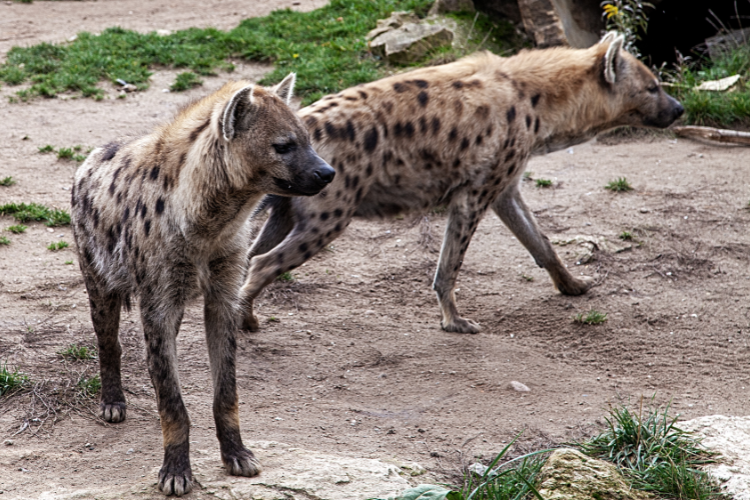
Researchers listening through parabolic microphones in Kenya noticed that pitch variation predicted how aggressively individuals would behave once they reached the carcass. A sharper pitch often indicated rising frustration among mid rank members who feared losing access to meat.
That emotional layering suggests their laughter functions as a pressure valve. It lets individuals release tension without committing to confrontation too early, which helps keep physical clashes from erupting before enough food is available to reduce risk.
5. Younger hyenas mirror the sounds to learn kill site etiquette.
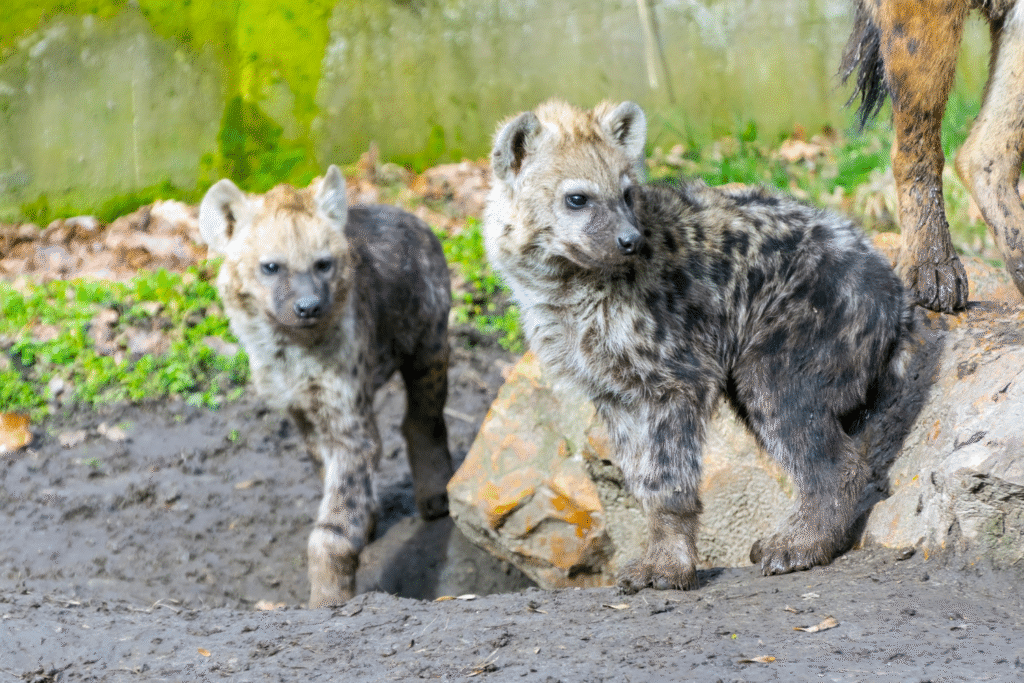
Observers watching juvenile hyenas in the Maasai Mara noted that young animals mimic adult laughter patterns even when they cannot fully join the feeding. Those imperfect copies act as a rehearsal for future dominance contests.
That early learning shapes how they interpret danger and opportunity. Listening closely, adults can sense when a youngster is growing bold enough to challenge an older sibling, adding yet another dynamic to an already intricate sound driven system.
6. The laughter helps coordinate movement during chaos.

When a carcass is contested by multiple predators, hyenas use rapid sequences of calls to coordinate flanking moves. Even in thick dust or tall grass, those signals keep individuals from colliding or scattering in counterproductive directions.
This coordination becomes crucial when lions appear. Hyenas often shift positions instantly, and their vocal system allows them to adjust as a unit. Without it, many hunts would collapse into disorganized retreats.
7. Rival clans can gauge clan size from the rhythmic bursts.

Field biologists have documented that distant hyenas listen to the rhythm and density of laughter to estimate how many competitors are present. This helps them choose whether to rush in or hold back to avoid injury.
The ability to perform long distance assessment keeps many confrontations from turning deadly. It offers a strategic preview before a single animal even approaches the kill site edge.
8. Calls intensify when lions threaten to seize the carcass.

Lions pose the greatest danger during feeding moments, and hyenas respond with a sharp escalation of vocalization. The laughter is less amusement and more a rally signal meant to gather reinforcements.
When enough clan members arrive, they may force lions to hesitate long enough to seize a few critical bites. Without that auditory rallying, many kills would be surrendered instantly.
9. Nighttime amplifies the chilling quality of their signals.
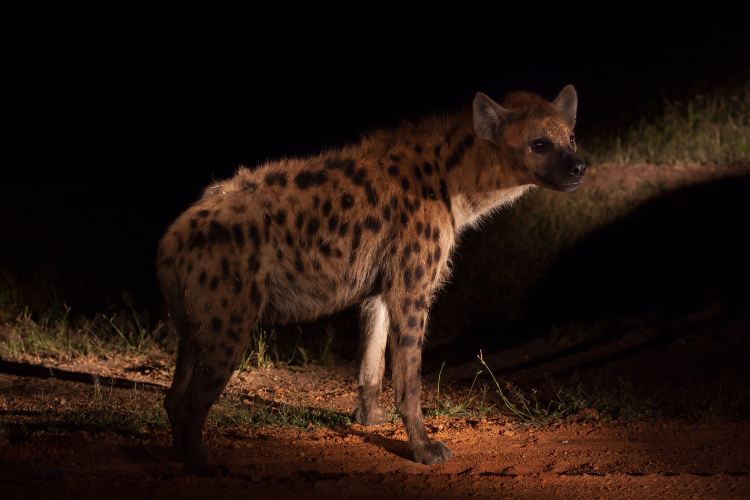
Under low light, hyenas depend more heavily on sound. Their laughter becomes a navigational cue and a territorial warning rolled into one, the cool darkness making even small interactions feel charged.
Because visibility drops, misunderstandings rise. Their calls provide a stabilizing thread that helps each hyena track the mood and intentions of the group while predators and scavengers silently close in.
10. The infamous laughter seals social bonds after the frenzy.

Once the meat is nearly gone, their laughter softens into shorter conversational notes that help ease the tension built during the fight. Those calmer sounds reaffirm bonds that were strained during the chaotic feeding.
In a landscape where every calorie demands risk, maintaining those bonds becomes essential. By the time the clan drifts back into the grasslands, their eerie laughter has already prepared them for the next brutal scramble for food.