
Scientists warn the stakes rise sharply.
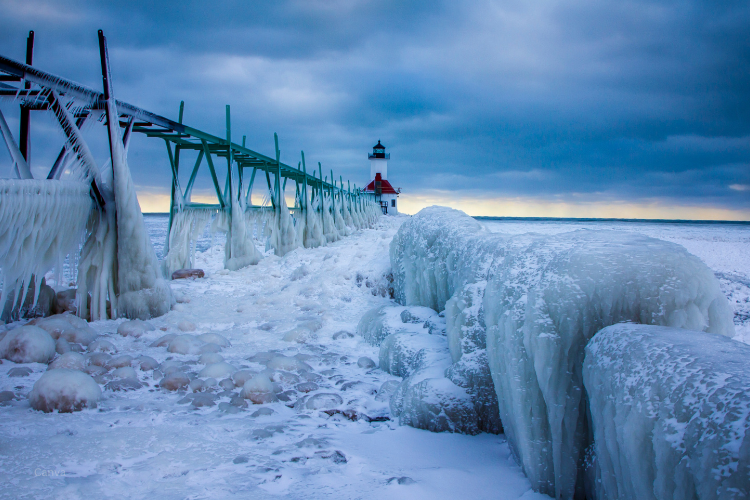
Ocean currents operate as the planet’s most powerful delivery system. They move heat, nutrients and weather patterns with a consistency that supports nearly everything humans rely on. When those currents weaken, the balance that keeps climate and food systems stable begins to shift in ways that reshape daily life. Researchers studying extreme warming scenarios have raised concerns that the global circulation could slow significantly. If that happens, humanity would face a set of changes that unfold in rapid, linked stages with consequences that reach far beyond the ocean.
1. Global temperatures shift in unpredictable directions.
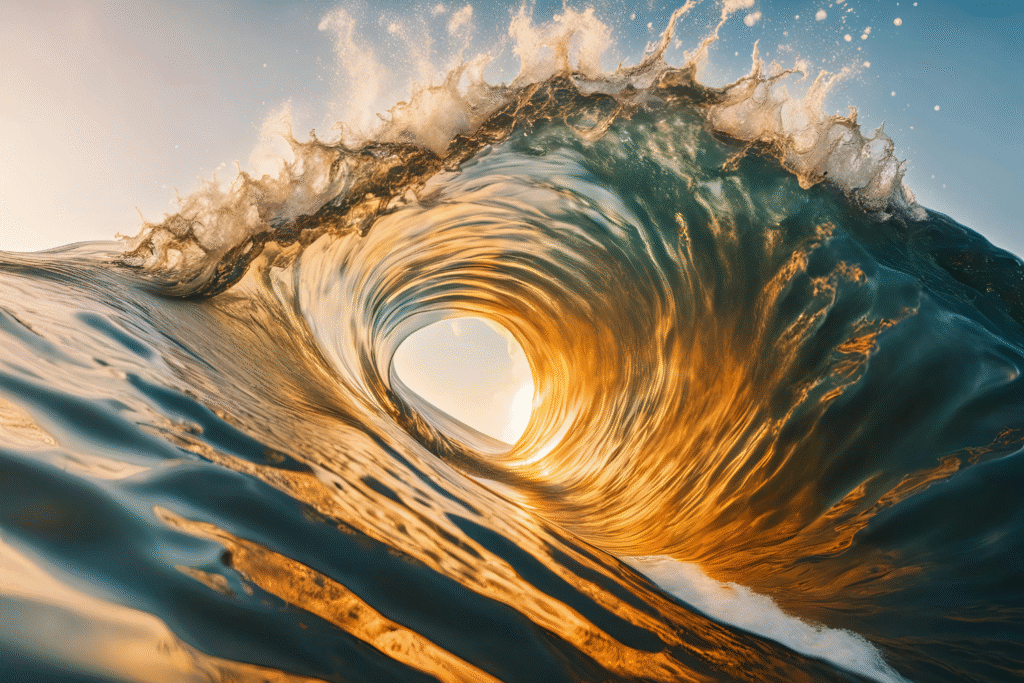
Major currents redistribute heat across continents, and a slowdown would produce uneven warming and cooling, as stated by the National Oceanic and Atmospheric Administration. Regions that depend on warm water flow for stable winters would cool abruptly. Other regions would warm beyond historic norms. The contrast would cause unfamiliar seasonal patterns that emerge quickly. Communities relying on consistent climate conditions would need to adjust without much lead time.
Agricultural planning, infrastructure decisions and energy demand would shift almost immediately. The temperature imbalance would continue spreading, influencing regional patterns for decades.
2. Crop growing zones lose their long term stability.
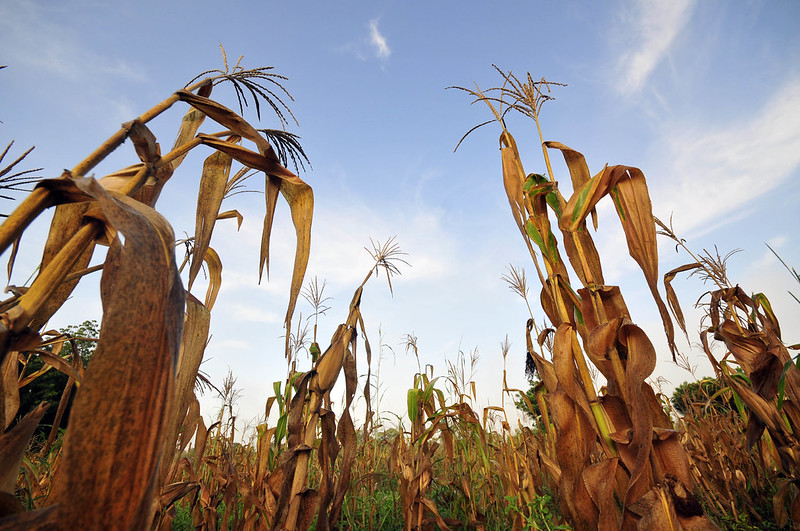
Agricultural regions depend on reliable rainfall, predictable seasons and dependable temperatures, as reported by the United Nations Environment Programme. When currents weaken, those anchors begin to drift. Rain shifts away from some regions and floods others. Planting schedules lose their timing. Crops that once thrived become unpredictable in yield. Farmers and food systems respond by shifting crops, relocating operations or increasing reliance on imports.
These changes produce supply chain tension that extends into cities that depend heavily on outside food sources. Price volatility becomes routine, and long term planning becomes more difficult.
3. Storm systems intensify and behave erratically.
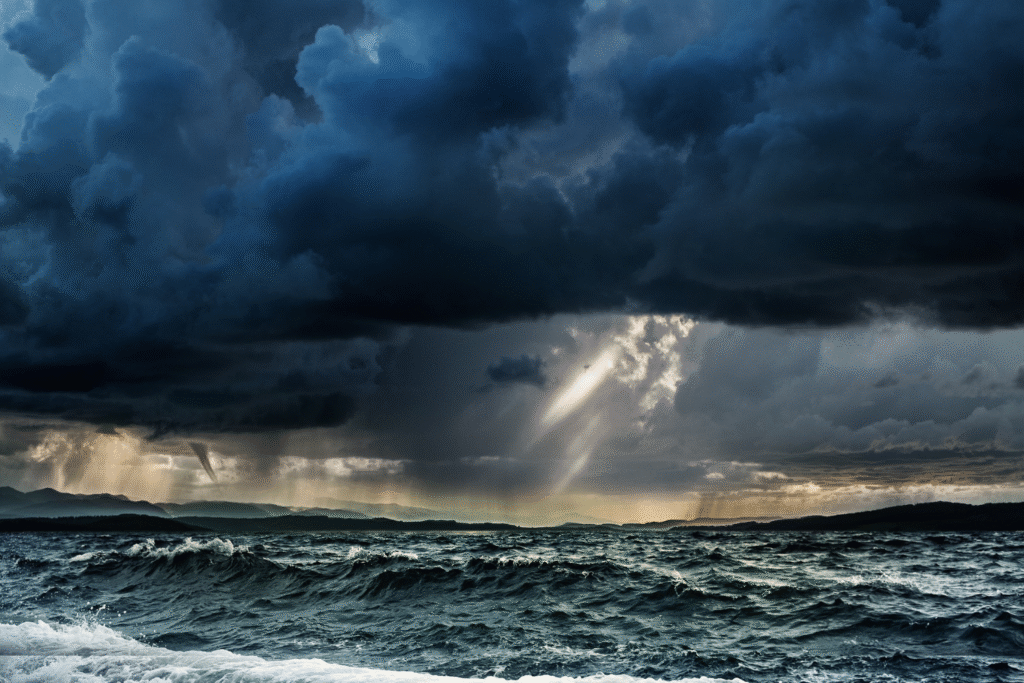
Warmer surface waters fuel powerful storms, as discovered by the National Climate Assessment. Without strong global circulation to distribute heat, excess warmth gathers in the ocean’s upper layers. Storms grow more intense, form more quickly and travel along unfamiliar paths. Coastal regions that previously managed seasonal storm cycles begin facing unpredictable events that arrive with little precedent.
Emergency response systems experience rising pressure. Infrastructure designed for previous risk levels begins to reach its limits. Insurance markets, rebuilding timelines and evacuation planning all change as storm behavior becomes harder to anticipate.
4. Marine ecosystems lose critical nutrient flow.
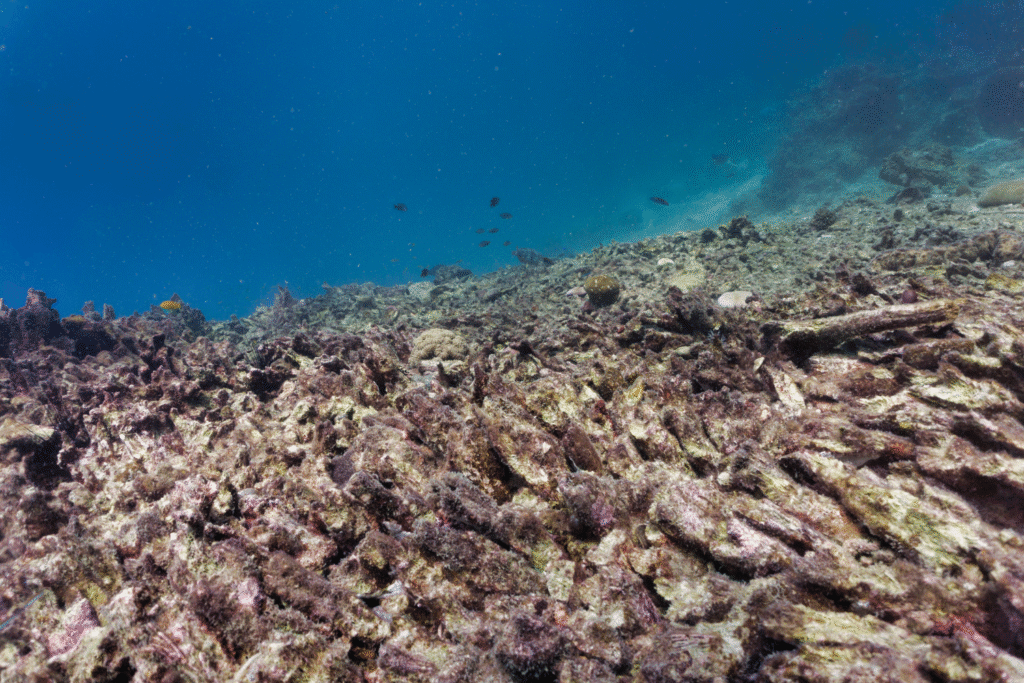
Ocean currents carry nutrients from deep water to the surface, supporting fish, plankton and larger species. When circulation slows, nutrient delivery weakens. Entire food webs begin to contract, starting with the smallest organisms. Fish populations shift toward regions with more favorable conditions, which alters long standing patterns in coastal economies.
Communities that rely on specific species for income or cultural identity experience immediate impact. As marine ecosystems change, coastal food sources and industries face long term uncertainty.
5. Fisheries shift away from historical coastlines.
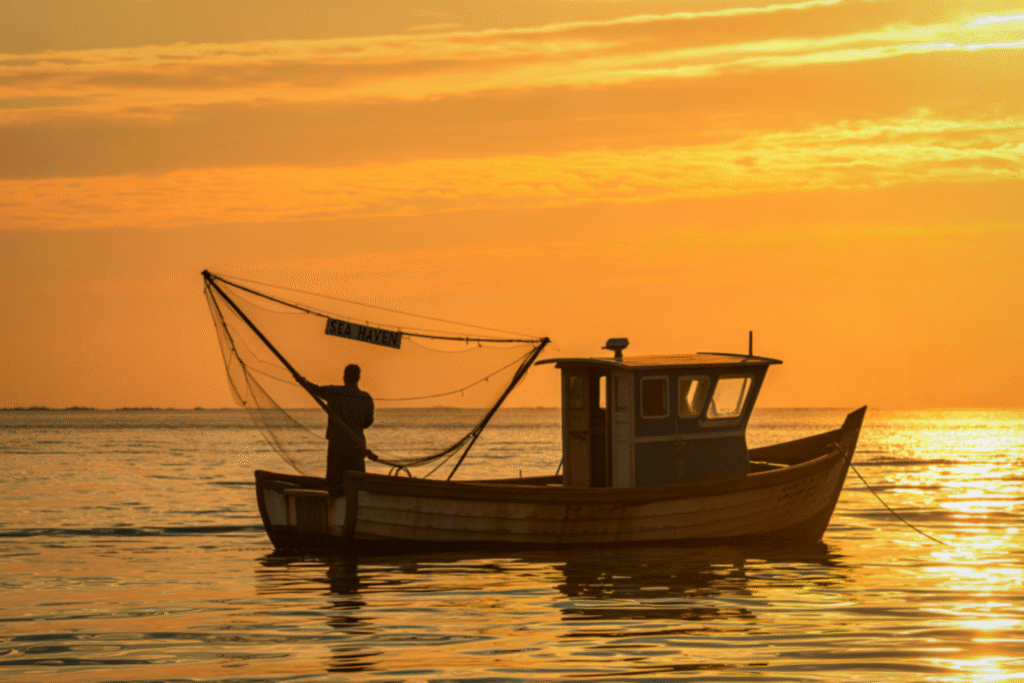
Fish follow temperature and oxygen levels rather than political boundaries. As currents weaken, species migrate toward areas with more suitable conditions. Traditional fishing towns see their primary species move hundreds of miles. Boats travel farther, fuel costs rise and small operations struggle to compete with larger fleets.
These changes ripple through local economies and influence decisions about long term settlement. Generations that relied on familiar waters encounter a new map that no longer matches the one they inherited.
6. Heat waves increase in intensity and duration.

Currents normally store and distribute heat efficiently. When circulation slows, heat accumulates in vulnerable regions. Extended heat waves become more frequent. Cities without sufficient cooling infrastructure face safety challenges, particularly for older residents and those with health conditions.
As temperatures rise, pressure on electrical grids increases. Water demand also rises, and reservoirs experience faster depletion. Public health systems adapt to sustained heat exposure, and daily routines shift as communities adjust to higher baseline temperatures.
7. Winter patterns become harsher in certain regions.
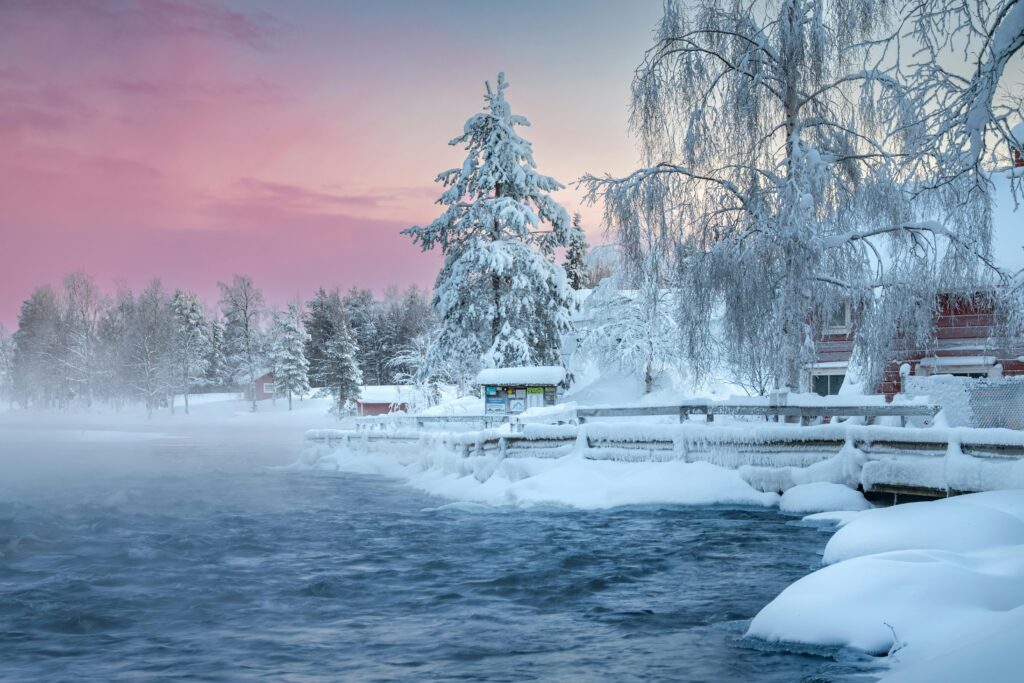
Some regions currently warmed by steady ocean heat would experience colder winters once circulation slows. Snowfall and ice conditions expand into areas unprepared for severe winter weather. Roads, buildings and utilities not designed for heavy freeze conditions face increased damage.
Local governments adjust budgets, transportation methods and safety protocols. Residents adapt to new seasonal hazards. Industries tied to consistent winter patterns also adjust as storms change in frequency and reach.
8. Trade routes encounter shifting ocean hazards.
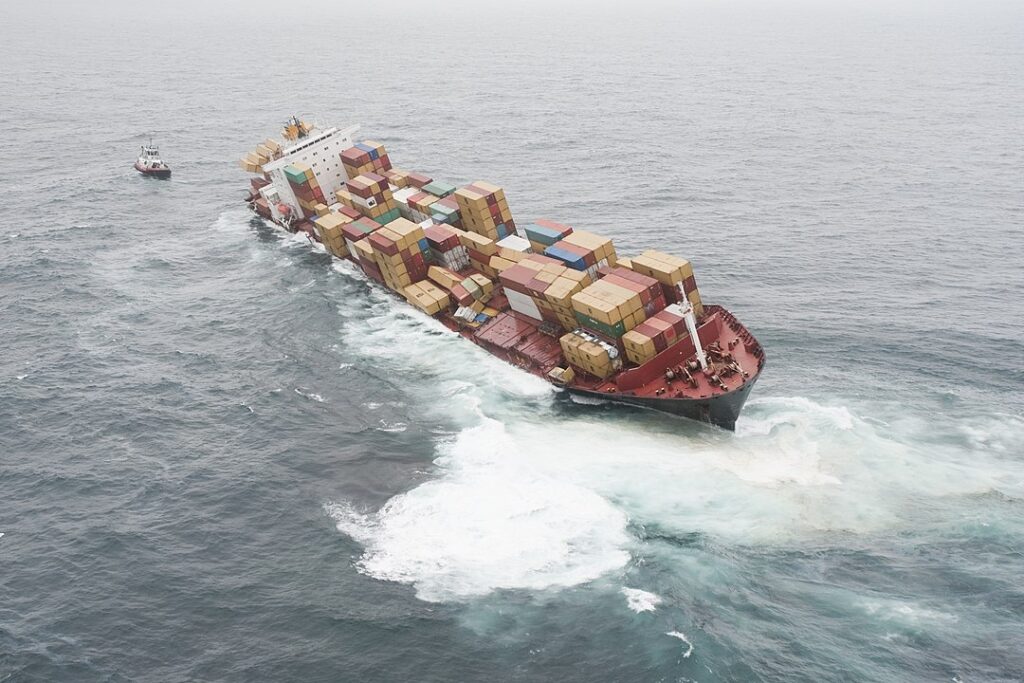
Global trade depends on predictable ocean conditions. When currents weaken, storm tracks shift and create new risks along major shipping routes. Captains reroute vessels to avoid turbulent areas, slowing transport. Insurance costs rise as hazards increase, and global delivery schedules become less dependable.
These changes influence prices for everyday goods, affecting households far from the coastline. Manufacturing, food supply and medical distribution all face delays that reshape how global commerce functions.
9. Migration increases as regional conditions change.
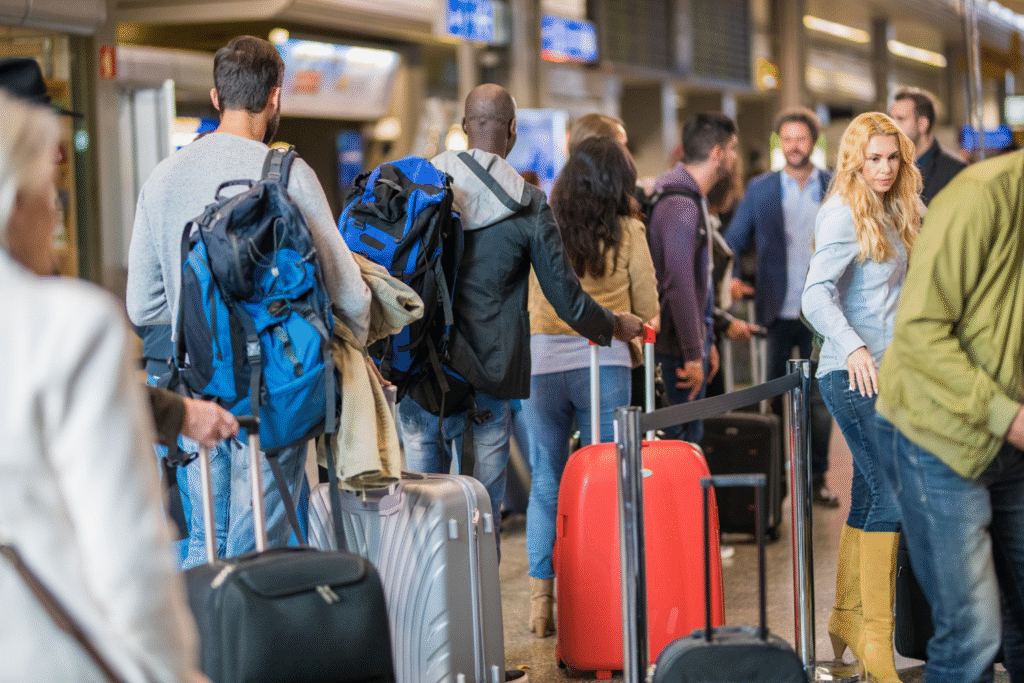
Communities experiencing severe heat, flooding or declining water availability begin relocating. Migration grows steadily rather than suddenly, driven by long term habitability concerns. Cities receiving newcomers face increased demand for housing and public services. Regions experiencing departures see economic shifts as workforces shrink.
Over time, patterns of global settlement change. People reorganize around regions where climate stability remains stronger and essential resources remain accessible.