
Experts warn of widespread destruction from a supervolcanic event.
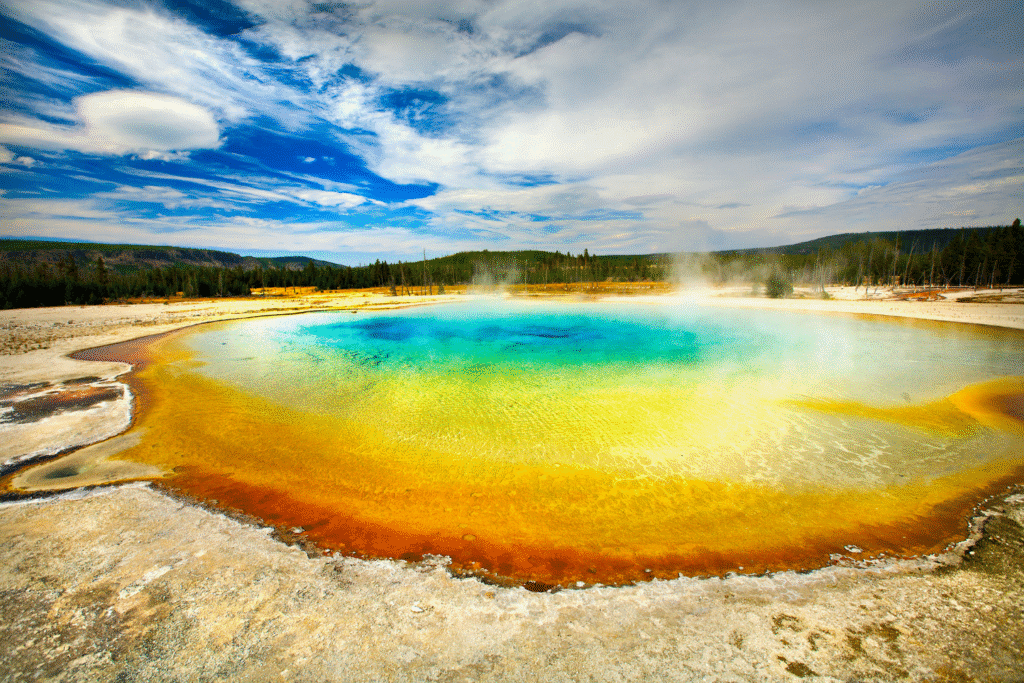
Yellowstone is beautiful and terrifying in equal measure, a sleeping supervolcano whose power dwarfs anything humanity has witnessed. Scientists have long monitored its vast magma chamber, stretching beneath Wyoming, Montana, and Idaho, watching for signs of pressure or movement. While the odds of a catastrophic eruption in our lifetime remain low, the consequences of such an event would be unimaginable. Entire regions could vanish under ash and molten rock, skies would darken across continents, and life in the American West would change forever. This is what experts say could disappear first if Yellowstone ever awakened for real.
1. Jackson Hole would vanish beneath layers of volcanic debris.
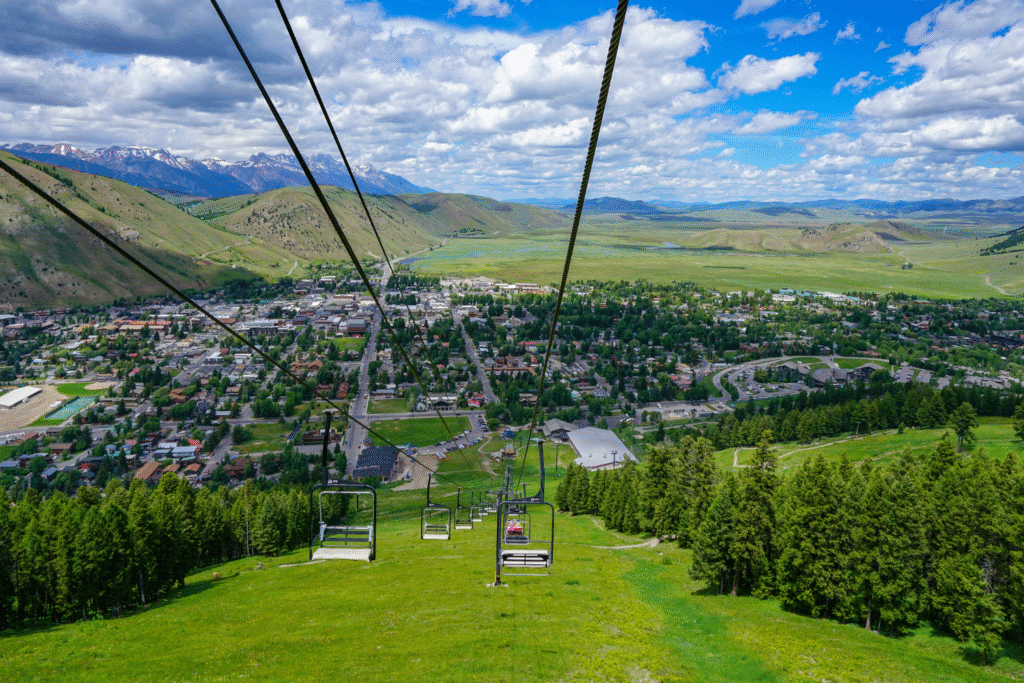
The picturesque town of Jackson Hole sits less than 60 miles from the Yellowstone Caldera. In the event of an eruption, the entire valley would be consumed by pyroclastic flows and buried under volcanic deposits within minutes. Scientists estimate that temperatures could exceed 900 degrees Celsius, leaving nothing but an unrecognizable landscape. The U.S. Geological Survey notes that Jackson Hole’s proximity makes it ground zero for catastrophic impact, where survival would be impossible and geography itself would be rewritten by the blast according to the U.S. Geological Survey.
2. Cody, Wyoming would be erased by the initial blast.
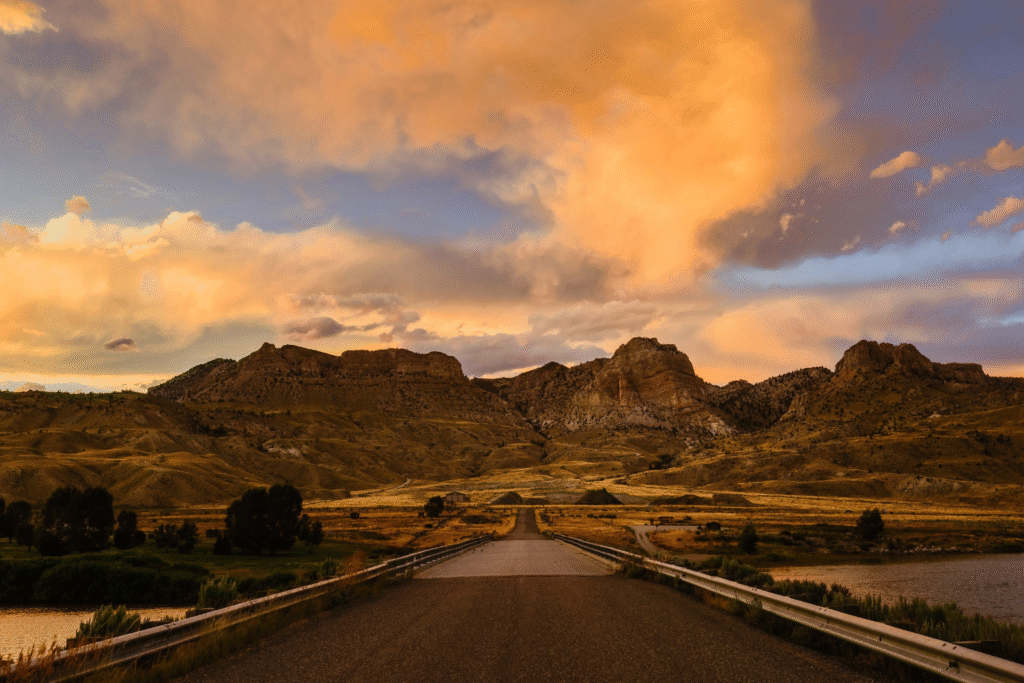
Cody lies just east of Yellowstone’s boundary, a charming gateway town that would face total annihilation if the volcano erupted. The shockwave and ashfall would hit within seconds, overwhelming everything in its path. Entire road systems, rivers, and forests would disappear beneath a gray shroud of molten debris. The force of the eruption could flatten structures far beyond the caldera rim, reported by National Geographic. What remains of Cody would exist only in geological records, trapped in layers of cooled ash that future scientists might one day uncover with quiet disbelief.
3. Bozeman, Montana would crumble under immense ash weight.
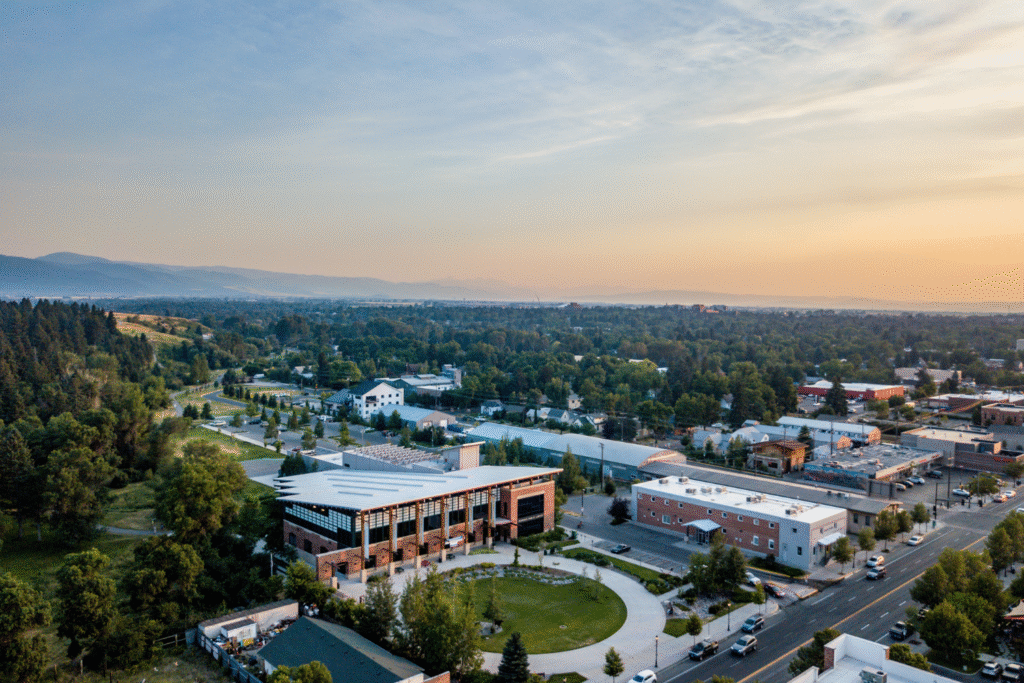
Although Bozeman sits more than 100 miles from Yellowstone, it would still face catastrophic damage. Ash from the eruption could pile meters deep, collapsing roofs and poisoning water supplies. Air travel would cease instantly as visibility dropped to near zero. Scientists tracking the Yellowstone hotspot explain that winds could carry ash as far as the Midwest, blanketing states in darkness for days as stated by the University of Utah Seismograph Stations. Bozeman’s vibrant downtown and surrounding ranchlands would disappear under a suffocating blanket of dust and silence.
4. Idaho Falls would be consumed by volcanic fallout.
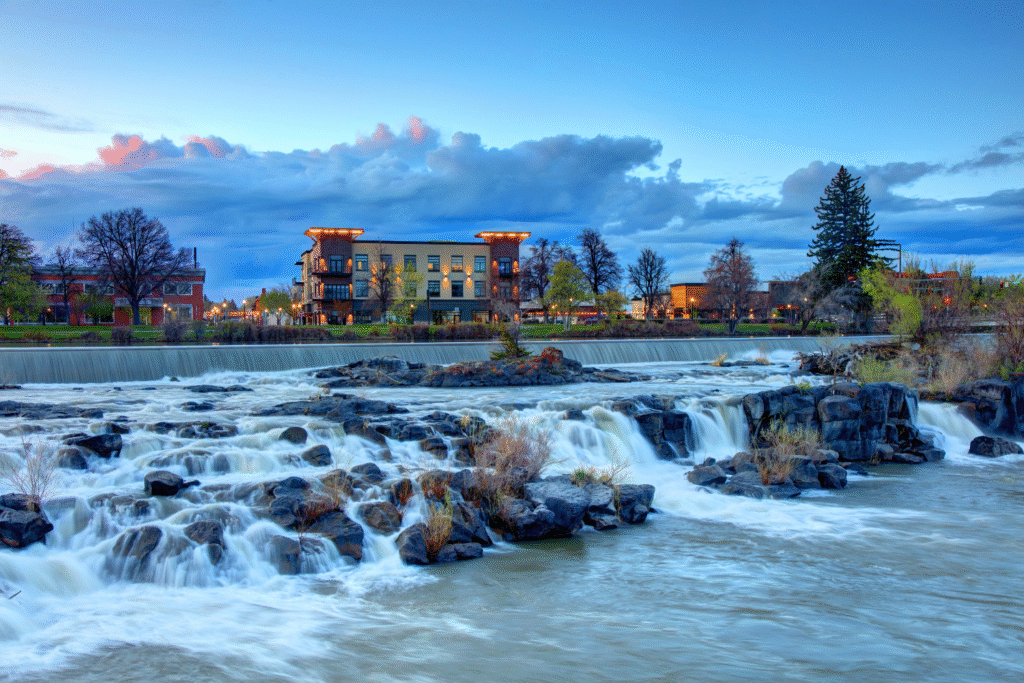
Moving southwest, Idaho Falls lies directly in the projected path of heavy ashfall. Its population of over 60,000 would face immediate evacuation orders, though few routes would remain passable once the eruption began. The Snake River would turn acidic, local ecosystems would collapse, and infrastructure would vanish beneath mudflows that move faster than cars. Once the ash settled, Idaho Falls would exist only as a buried city, its lights extinguished beneath a crust of volcanic glass and rock as the surrounding region turned into a gray wasteland.
5. The Grand Tetons would be reshaped by molten fury.
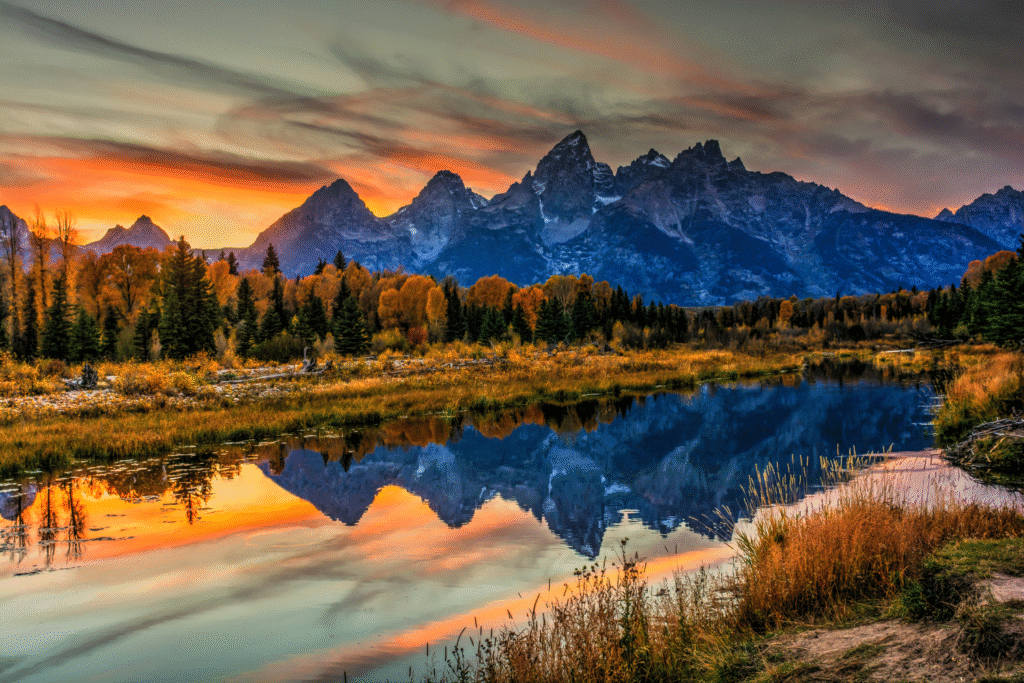
Those jagged peaks that rise like ancient spires above the Wyoming wilderness would likely lose their defining form. Intense seismic activity from the eruption could trigger landslides, collapse entire ridges, and reshape valleys formed over millions of years. The combination of ash, magma, and shockwaves would carve a new landscape overnight. What once drew hikers and photographers from around the world would be erased, replaced by twisted stone and hardened lava that marks nature’s raw power without mercy or pause.
6. Salt Lake City would fall under choking volcanic ash.
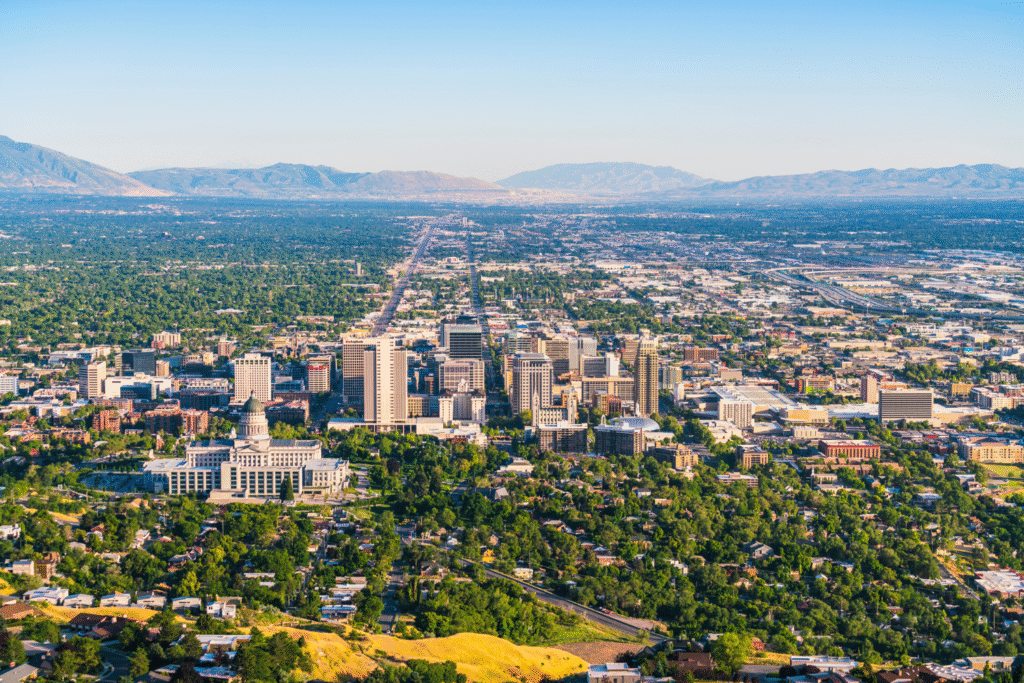
Hundreds of miles from Yellowstone, Salt Lake City might seem far enough to be safe, but atmospheric models say otherwise. Prevailing winds would carry fine ash particles directly into Utah, contaminating air and water while halting power grids and communications. The famous Great Salt Lake could become a chemical soup as volcanic minerals seeped into its waters. Residents would face respiratory crises and food shortages as supply chains collapsed. Even if not buried, the city would be unrecognizable under the weight of months-long darkness.
7. Denver would endure suffocating skies and failing systems.
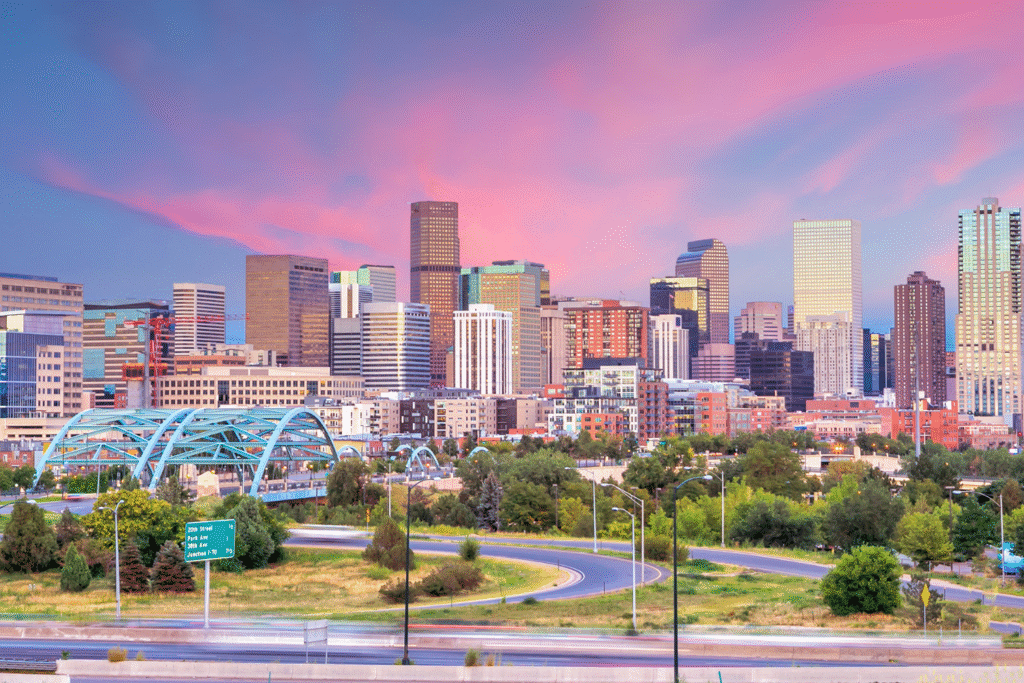
The city known for its clear mountain air would be enveloped by a thick, dark haze of volcanic soot. With airports closed, highways impassable, and crops ruined, Denver would face the same grim fate shared by most of the interior West. Sunlight would struggle to reach the surface, temperatures would drop, and infrastructure would buckle under the relentless accumulation of ash. Emergency services would be overwhelmed as communication systems failed, turning the once-bright metropolis into a ghostly reminder of a fragile civilization.
8. The Midwest would sink into a volcanic winter.
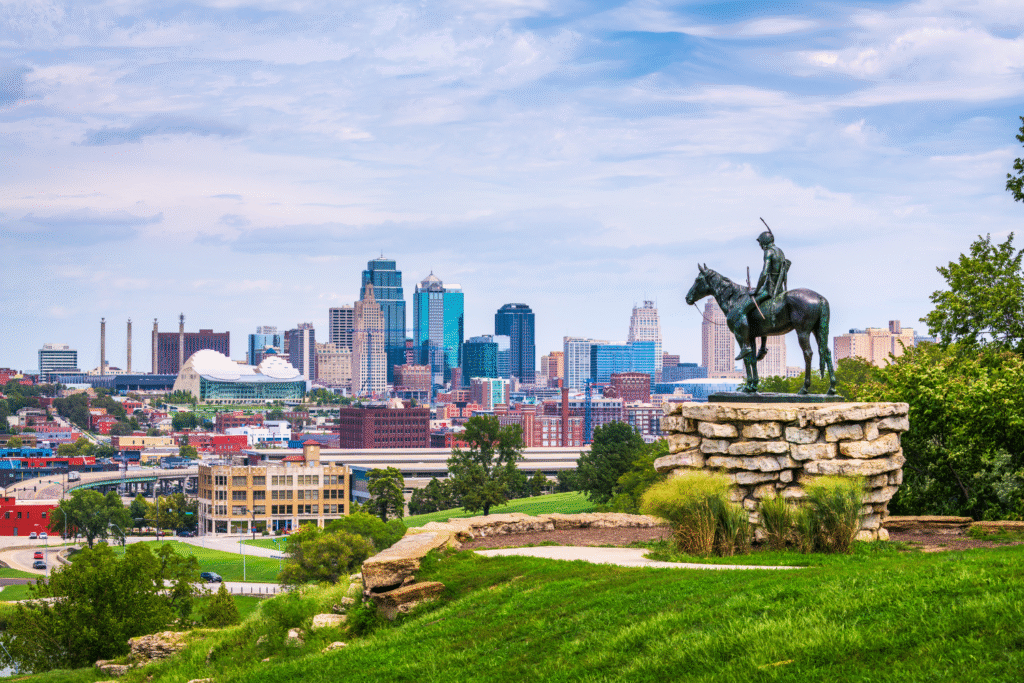
From Kansas to Illinois, ash clouds would drift eastward, blocking sunlight for weeks. Temperatures would plummet, harvests would die, and millions would face food insecurity as supply chains collapsed. Experts warn that even small disruptions to sunlight can devastate ecosystems, but a supervolcano could plunge the entire region into months of near darkness. Rivers would clog with silt, and rain would become acidic. Life would slow to a crawl under skies that refused to clear, turning the heartland into an eerie reflection of a once-thriving world.
9. The Pacific Northwest would face toxic rain and chaos.
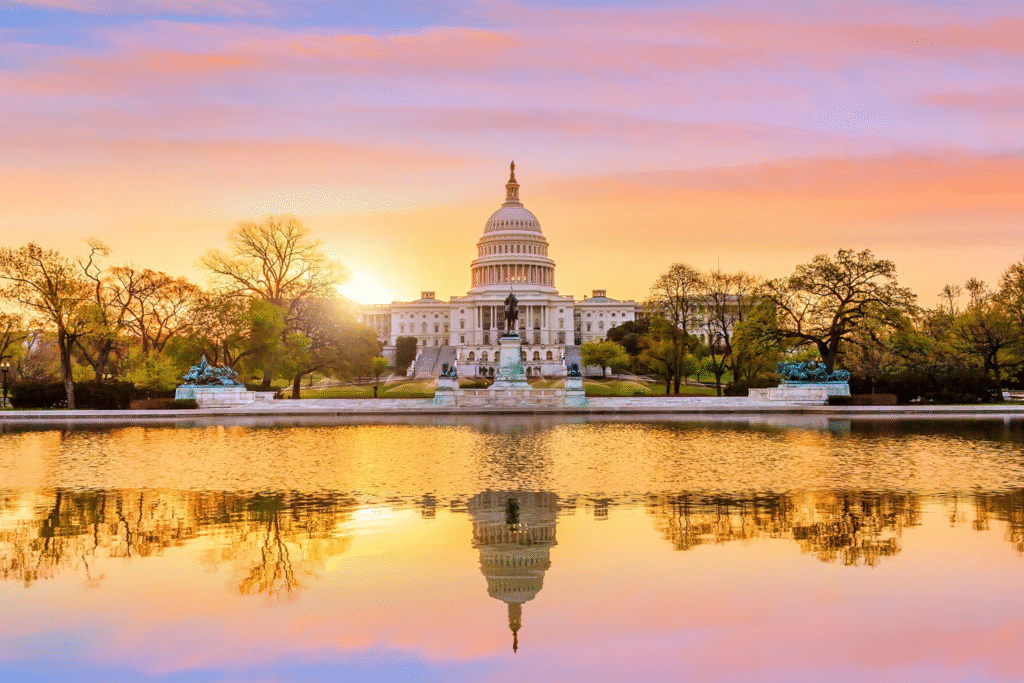
Oregon and Washington would be drenched in acid rain created by volcanic gases mixing with moisture in the atmosphere. Forests would blacken, rivers would steam, and fish populations would collapse. Cities like Portland and Seattle would see transportation systems grind to a halt, while air quality reached deadly levels. Although the physical destruction might be less immediate, the long-term environmental fallout could last decades. Ash would smother coastlines, and rain would stain everything it touched, erasing familiar landmarks under layers of corrosive residue.
10. The global climate would shift for years to come.
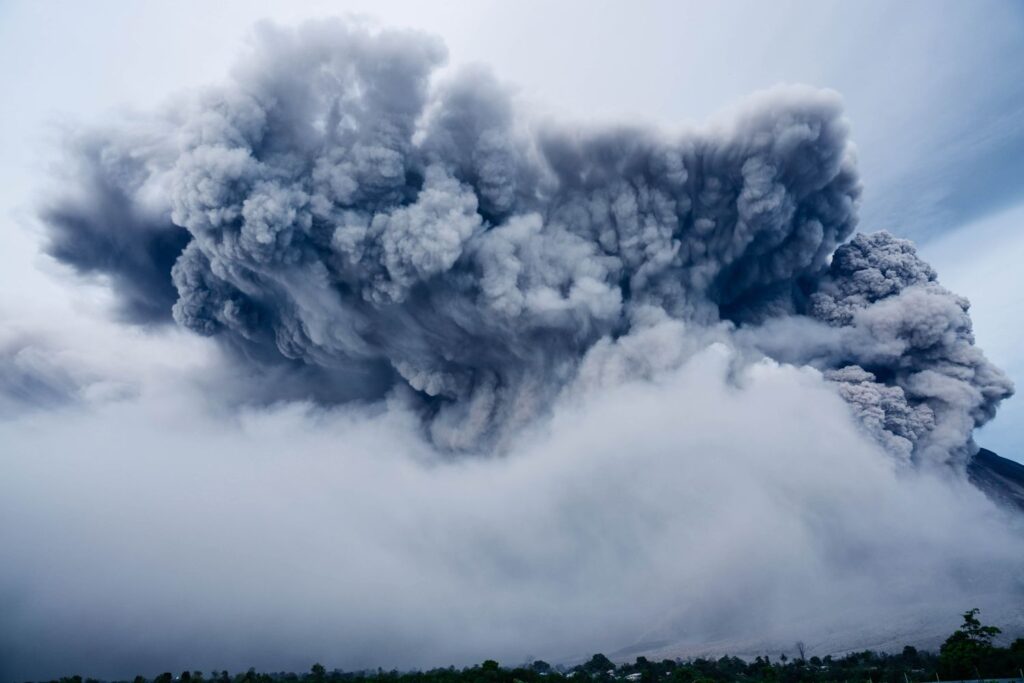
Even regions far from North America would not escape the consequences. Ash particles and sulfur dioxide released into the stratosphere would scatter sunlight worldwide, cooling the planet by several degrees. Crops would fail, weather systems would shift unpredictably, and the delicate balance of Earth’s climate would tilt. The last major volcanic event of this scale occurred 640,000 years ago, yet its scars remain in the rock record. If Yellowstone ever erupted again, it would mark not just the loss of places, but the beginning of an entirely different world.