
Long before forecasts, people watched the land.
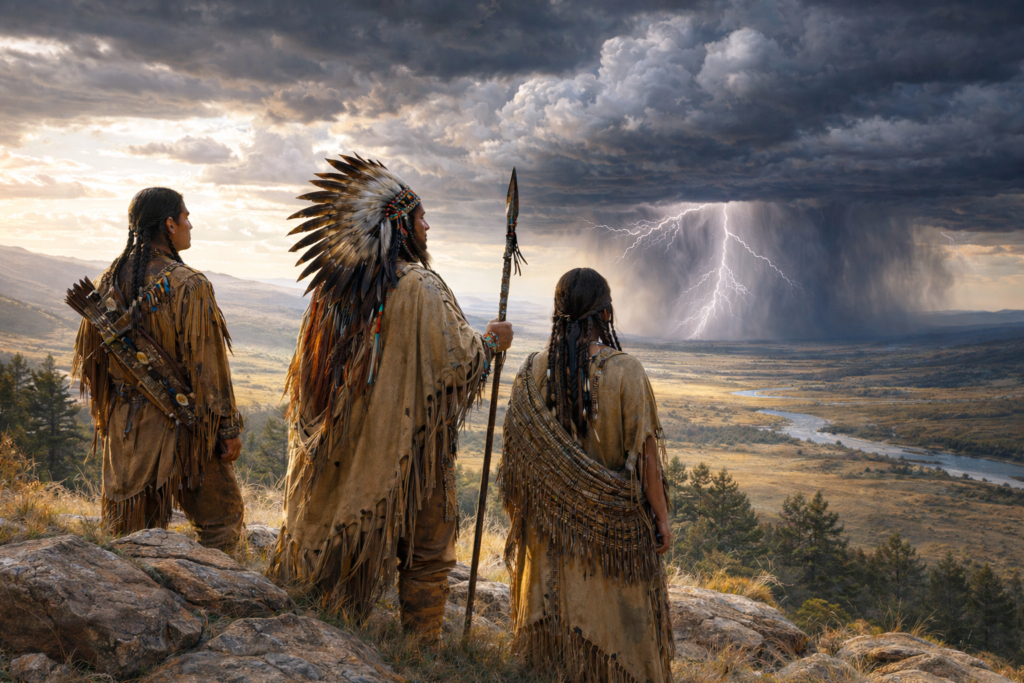
Long before satellites and climate models, Indigenous communities read the land with precision. Subtle changes in wind, animal movement, stars, and plant behavior signaled coming rains, droughts, or cold seasons. These observations were not folklore, but tested knowledge refined across generations. Today, anthropologists are reexamining these systems as climate shifts accelerate. What once guided survival now offers insight modern science is racing to understand, revealing predictions embedded in culture, memory, and daily life that still shape resilience in vulnerable regions.
1. Seasonal calendars followed nature instead of dates.
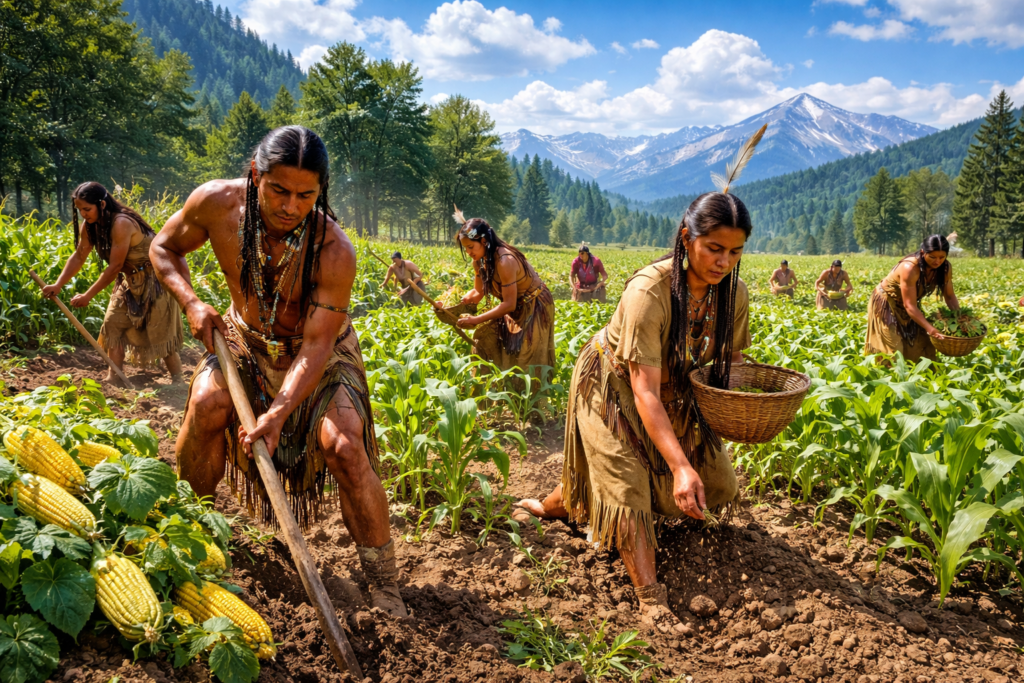
Indigenous seasonal calendars rarely used fixed months. Instead, they were anchored to observable ecological events. According to research from the Smithsonian National Museum of Natural History, many North American tribes began planting when specific flowers bloomed or insects emerged, not when a calendar suggested spring had arrived.
This approach allowed immediate correction. If winter lingered longer than usual, the land showed it. When warming came early, plant behavior reflected that too. Seasonal timing adjusted automatically. Rather than forcing activities into rigid schedules, people aligned their actions with what the environment was actually doing that year.
2. Animal behavior signaled upcoming weather shifts.
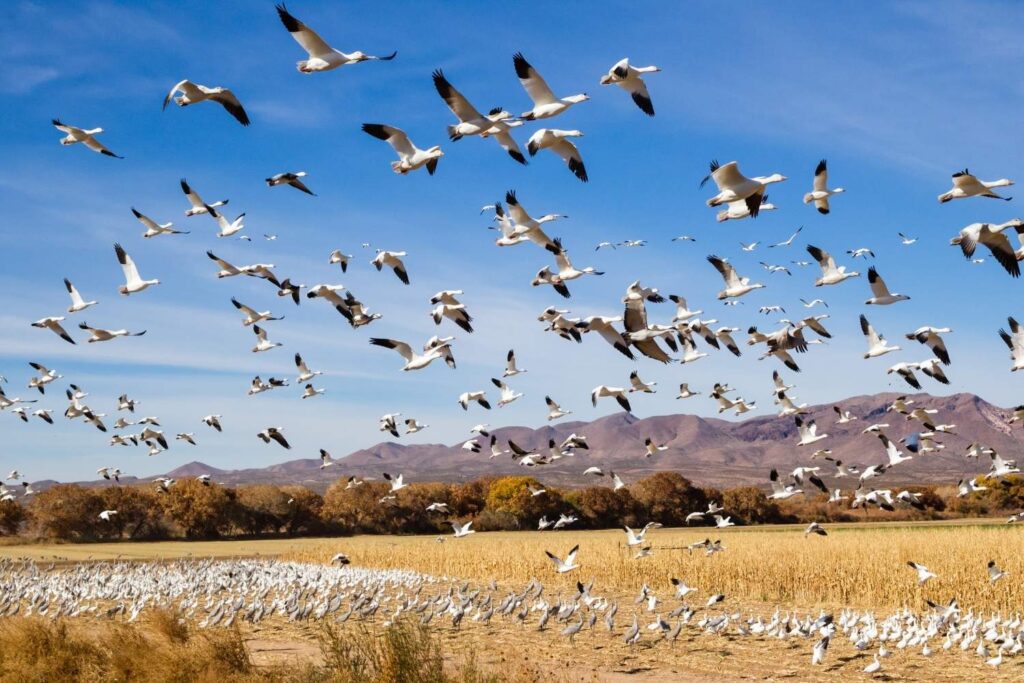
Animals often react to atmospheric pressure, temperature, and moisture changes before humans notice them. As stated by the Australian Bureau of Meteorology, Aboriginal communities closely observed bird migration, nesting behavior, and insect activity to anticipate rainfall and seasonal transitions.
When certain birds arrived early or delayed nesting, it signaled changes in temperature or moisture patterns. Insects emerging sooner than expected often preceded rain. These cues helped communities plan food storage, hunting, and movement. The system worked because animals respond directly to environmental shifts rather than forecasts or expectations.
3. Wind patterns carried predictable seasonal clues.
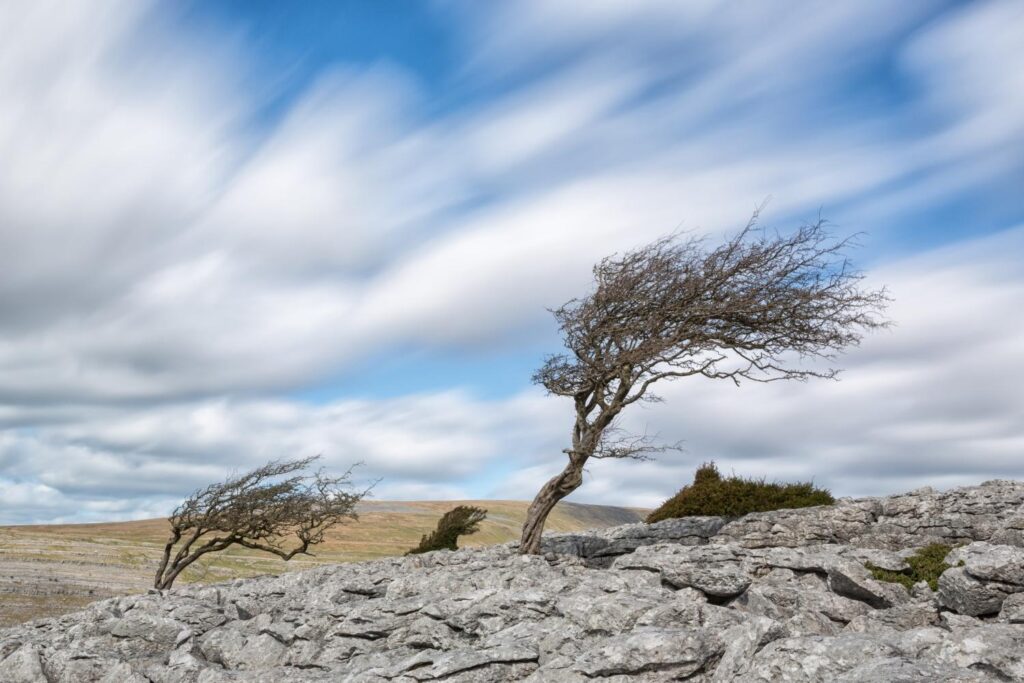
Wind direction, intensity, and timing played a major role in Indigenous forecasting systems. As reported by the World Meteorological Organization, Polynesian and Pacific Island cultures tracked recurring wind cycles to predict storms and seasonal change.
Winds influence ocean currents, cloud formation, and rainfall. Over generations, people noticed that when certain winds arrived, other conditions followed. These relationships became dependable guides. By reading wind patterns, communities could anticipate shifts weeks or months ahead, allowing preparation long before visible weather changes occurred.
4. Plant timing revealed environmental readiness.
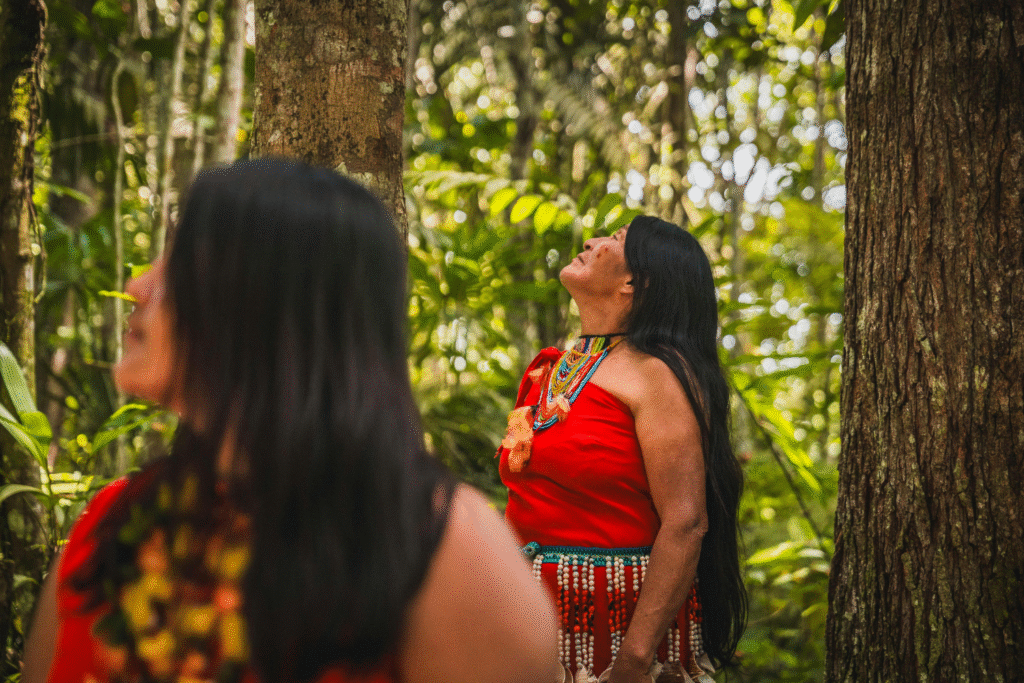
Plants integrate multiple environmental factors at once. Temperature, daylight, soil moisture, and rainfall all influence growth. Indigenous communities watched leaf emergence, flowering, and fruiting to decide when to plant, harvest, or move.
This reduced risk. If conditions were wrong, plants showed it clearly. Crops planted too early failed. Crops planted when plants signaled readiness thrived. Following plant behavior aligned human activity with real conditions rather than assumptions. It was a feedback system rooted directly in the living landscape.
5. Water behavior hinted at seasonal change early.
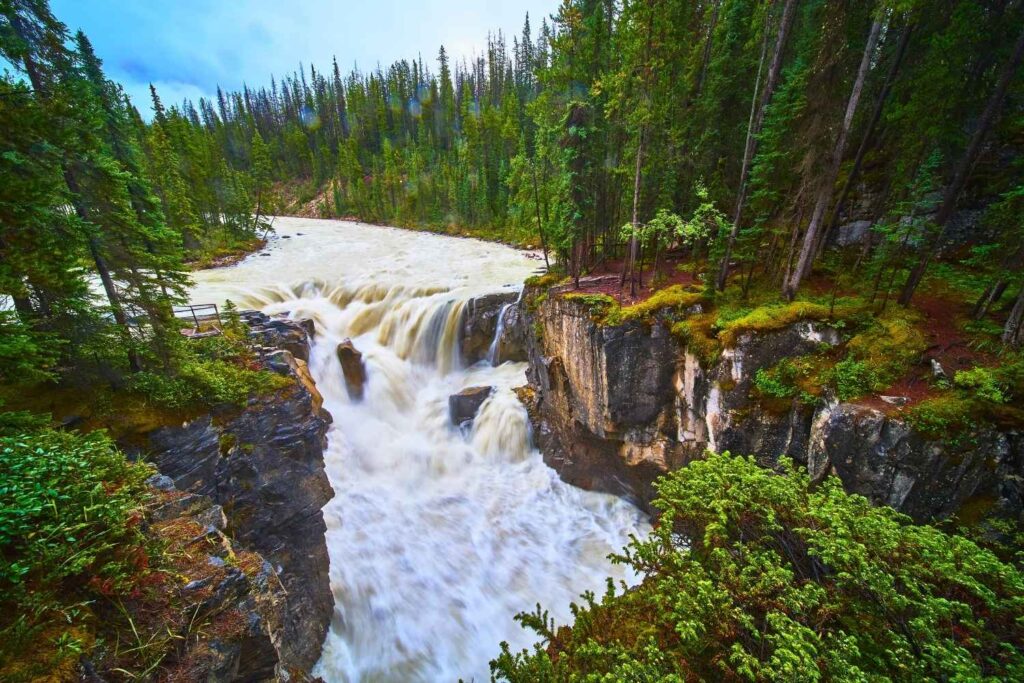
Rivers, wetlands, and groundwater often change before surface weather feels different. Indigenous observers tracked water clarity, flow speed, temperature, and levels over time.
Subtle changes signaled snowmelt upstream or incoming rains. Fish behavior shifted alongside these changes. Knowing when water would rise or recede guided fishing, settlement movement, and food storage. Water acted as an early warning system. Reading it required long familiarity, but once learned, it provided reliable seasonal insight.
6. Oral knowledge stored long climate memory.

Climate knowledge was preserved through stories, songs, and repeated practice rather than written records. This allowed information to survive centuries of change.
Elders remembered rare floods, droughts, and cold spells. Those memories shaped preparation for future extremes. Oral systems emphasized patterns rather than single events. By remembering what happened before and how people responded, communities built resilience across generations, maintaining climate awareness far longer than most written records survive.
7. Local focus made predictions more accurate.
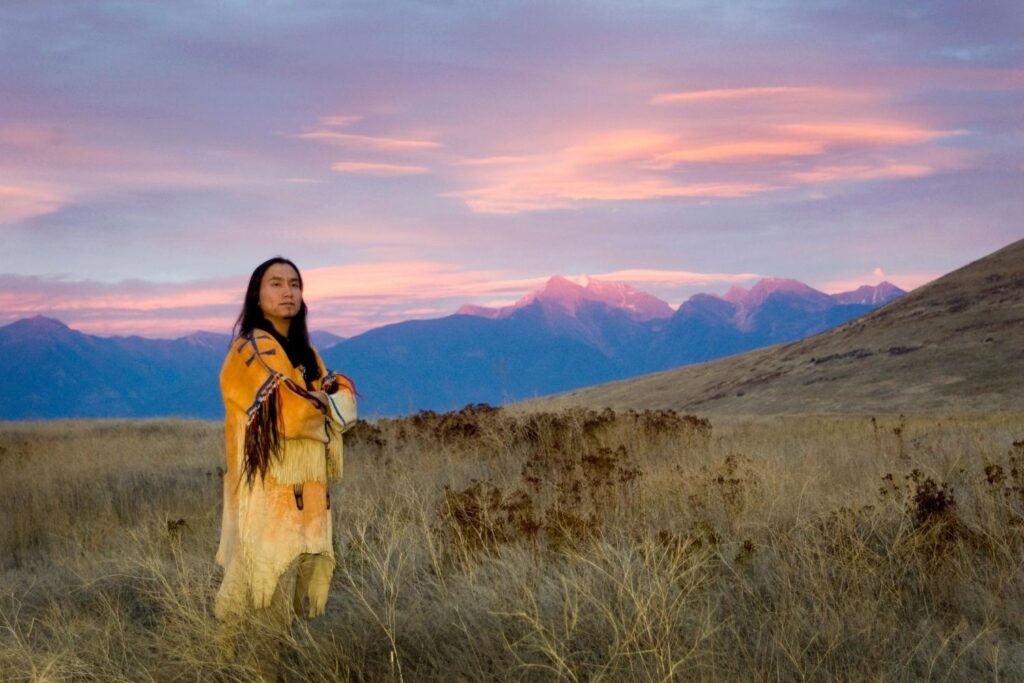
Indigenous climate knowledge was highly specific to place. Conditions in one valley could differ entirely from those a few miles away.
Rather than generalizing, communities tracked microclimates, soil types, elevation, and water sources closely. This specificity improved accuracy. Modern climate models often struggle at this scale. Indigenous systems succeeded because they were built through daily interaction with the same landscape over long periods, refining understanding year after year.
8. Seasonal knowledge shaped movement and routines.

Climate understanding influenced when communities migrated, gathered resources, or held ceremonies. Life followed seasonal rhythms rather than resisting them.
This reduced environmental strain. Resources were harvested when abundant, not forced during scarcity. Movement prevented overuse of land. Social organization aligned with ecological cycles. Climate awareness was embedded into daily life, guiding decisions quietly but consistently without separating culture from environment.
9. Modern data now supports many observations.

When anthropologists compare Indigenous records with modern climate data, strong correlations often appear. Seasonal indicators align closely with temperature and precipitation trends.
What was once dismissed as anecdotal now matches empirical measurements. These systems relied on repetition and correction across generations. They show that systematic observation does not require instruments to be rigorous. Time, attention, and consistency were enough to produce reliable seasonal knowledge.
10. Climate instability increases the value of flexibility.
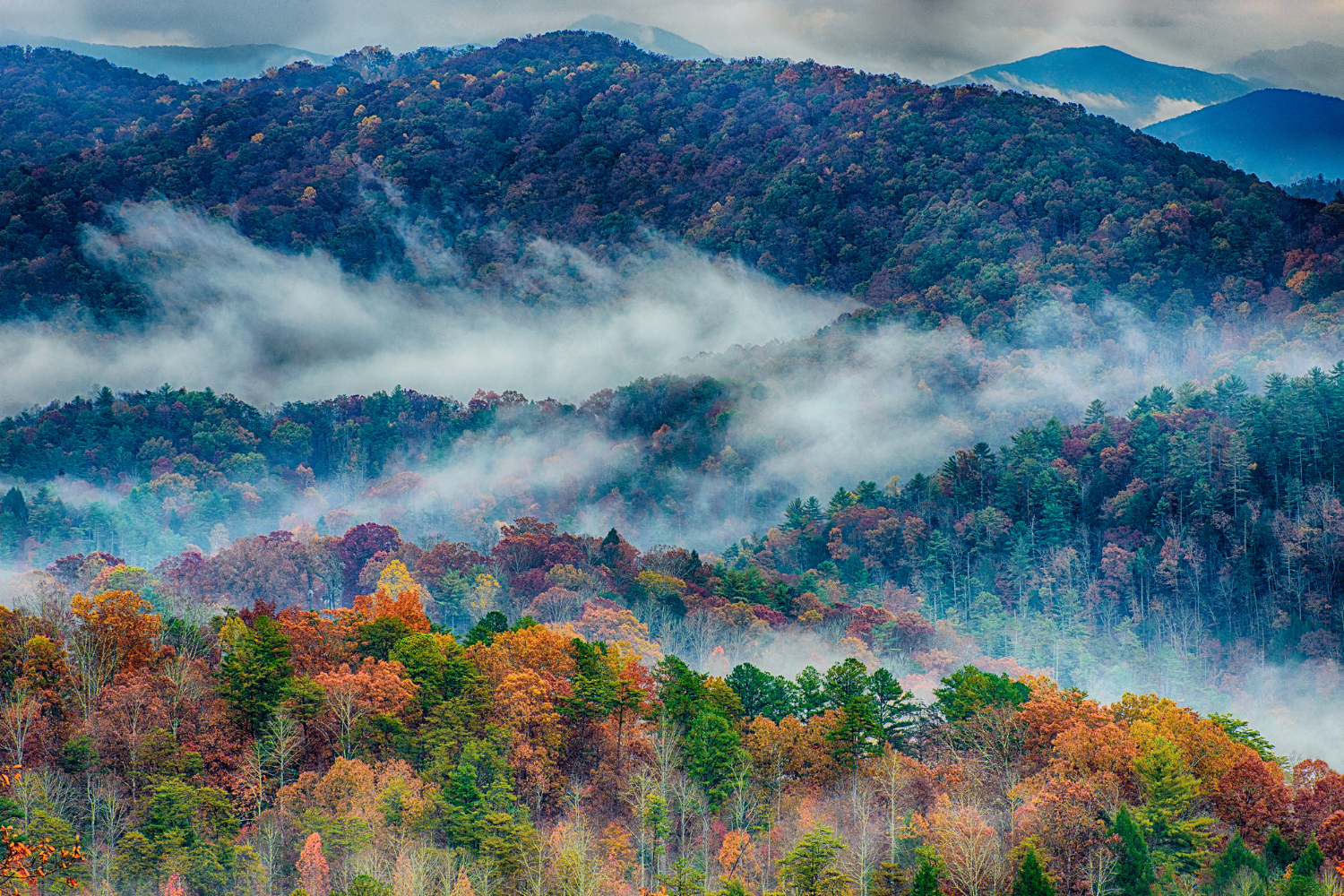
As climate patterns become less predictable, rigid calendars and averages fail more often. Indigenous approaches emphasize responsiveness instead of certainty.
By watching real time signals, communities adapted quickly to unusual conditions. This flexibility becomes increasingly valuable as modern climate systems grow erratic. Indigenous knowledge does not replace modern science. It strengthens it by grounding prediction in lived observation when models struggle to keep pace.