
Ancient fire stewardship quietly shaped North America’s ecosystems.
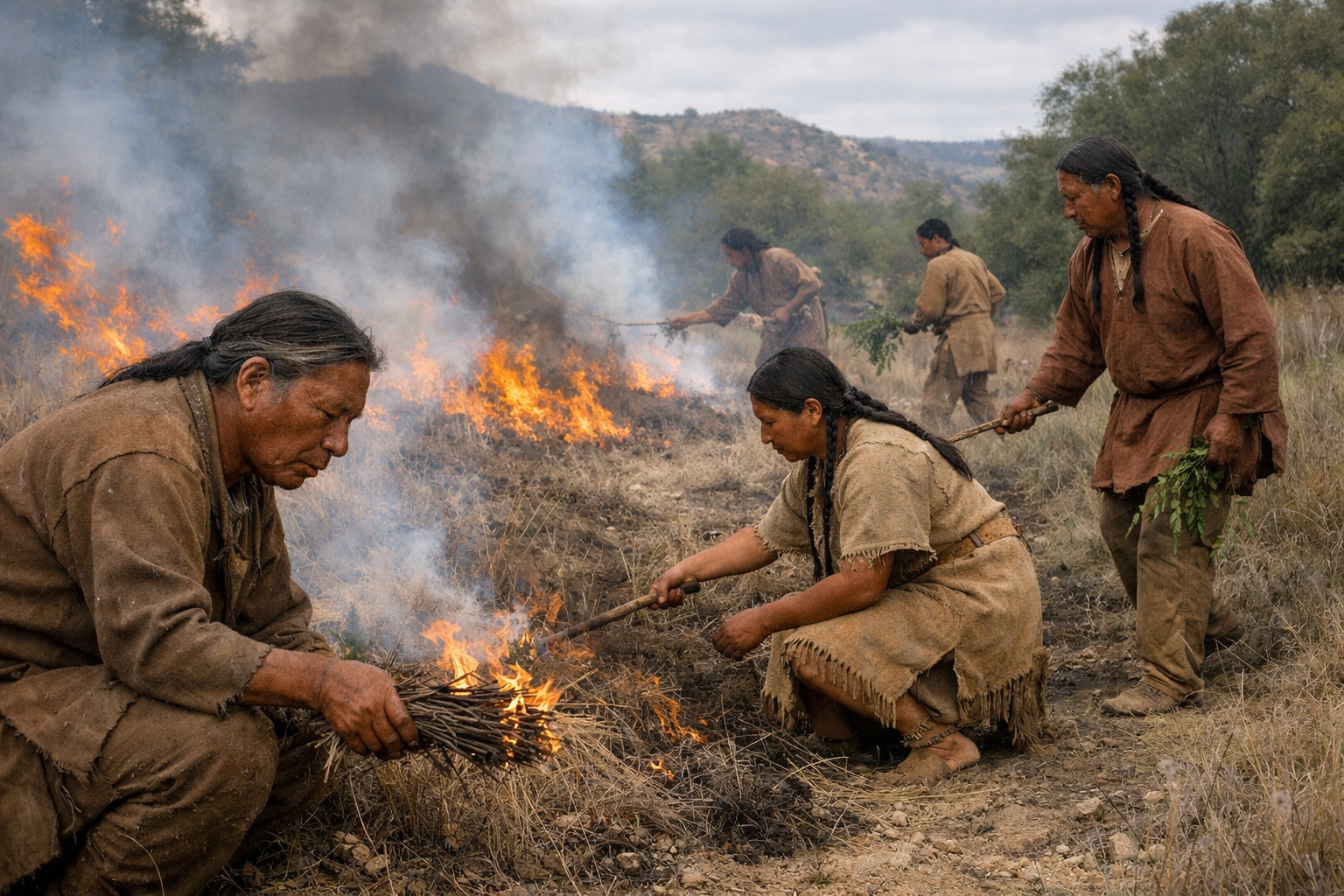
For generations, North America’s vast forests and grasslands were described as landscapes that evolved without human influence. Yet scattered clues in soil, tree rings and oral histories have begun telling a different story. Beneath the surface lies evidence of deliberate fire use practiced long before modern land management existed. These burns followed seasonal rhythms and produced landscapes that behaved in surprisingly stable ways. What researchers are now uncovering suggests that many ecosystems were not simply natural formations but environments carefully guided over centuries. As the evidence expands, an older relationship between people, fire and the land is slowly coming back into focus.
1. Ancient fire patterns matched Indigenous seasonal planning.
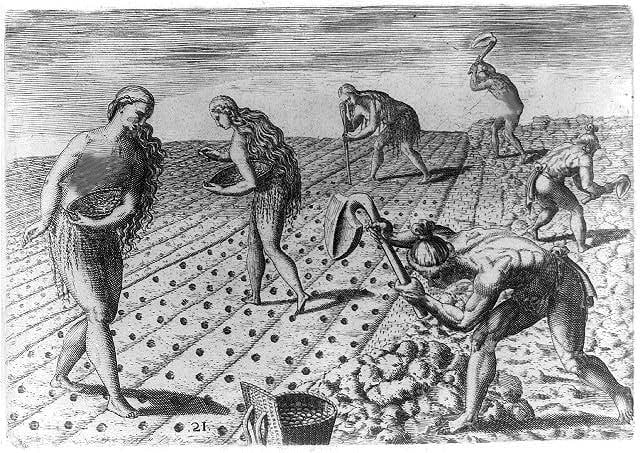
Researchers studying charcoal layers in Oregon, Washington and British Columbia found that burn intervals appeared at consistent times each year. These cycles aligned with timing recorded in tribal oral histories used to encourage berry growth and renew key plant species. According to the United States Forest Service, these burns reduced dense fuels while preparing the land for gathering and hunting. The evidence strengthened the argument that these landscapes were intentionally shaped over generations.
As scientists connected these burn intervals with ecological outcomes, they noticed how consistently the fires improved plant diversity. Regular clearing prevented catastrophic wildfires while supporting species that required periodic burning to regenerate. The pattern showed how fire stewardship formed the foundation of a stable ecosystem. Generations of repeated practice created landscapes that responded predictably, revealing harmony rather than disruption.
2. Low intensity burns supported large grazing species across regions.
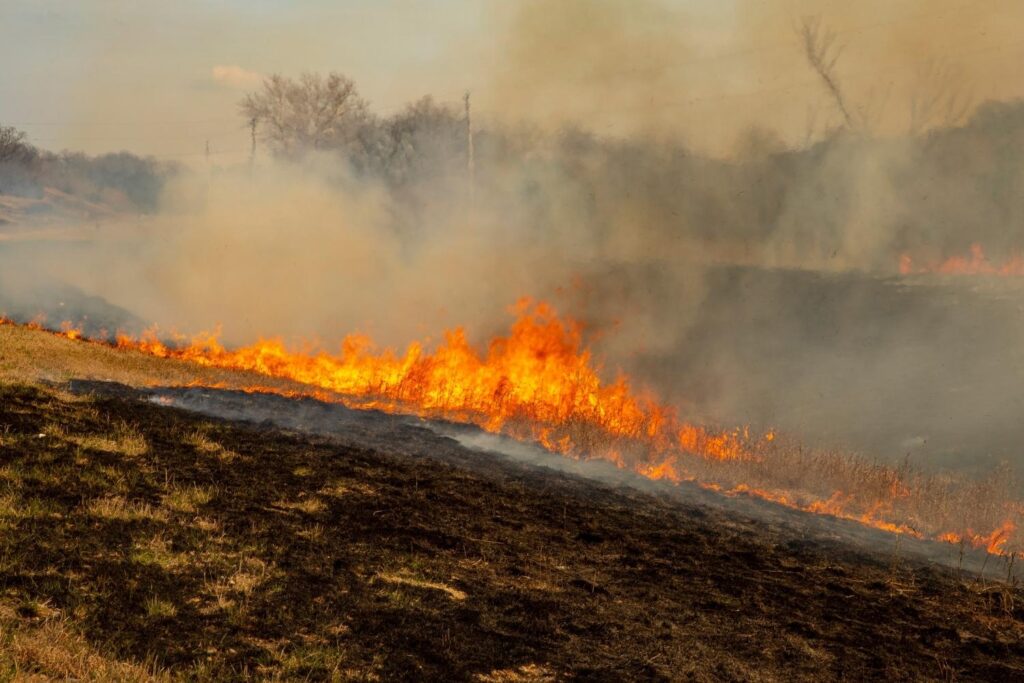
Grasslands maintained by cultural burns provided prime habitat for elk and deer in the western United States and Canada. These open spaces created fresh, nutrient rich growth that drew herds into predictable migration paths. As stated by Smithsonian Magazine, ecological reviews confirm that many species relied on fire renewed corridors for food and movement. The connection expanded scientists’ understanding of how animals adapted to landscapes shaped by deliberate fire.
The restored grasslands also protected riverbanks by preventing severe wildfires from stripping vegetation. Healthier waterways supported fish, amphibians and riparian plants. Researchers now see these fire curated habitats as essential to wildlife survival rather than incidental by products of human behavior. The burns formed a more complete ecosystem, wisely maintained through tradition and observation.
3. Tree ring records confirm centuries of intentional burning events.
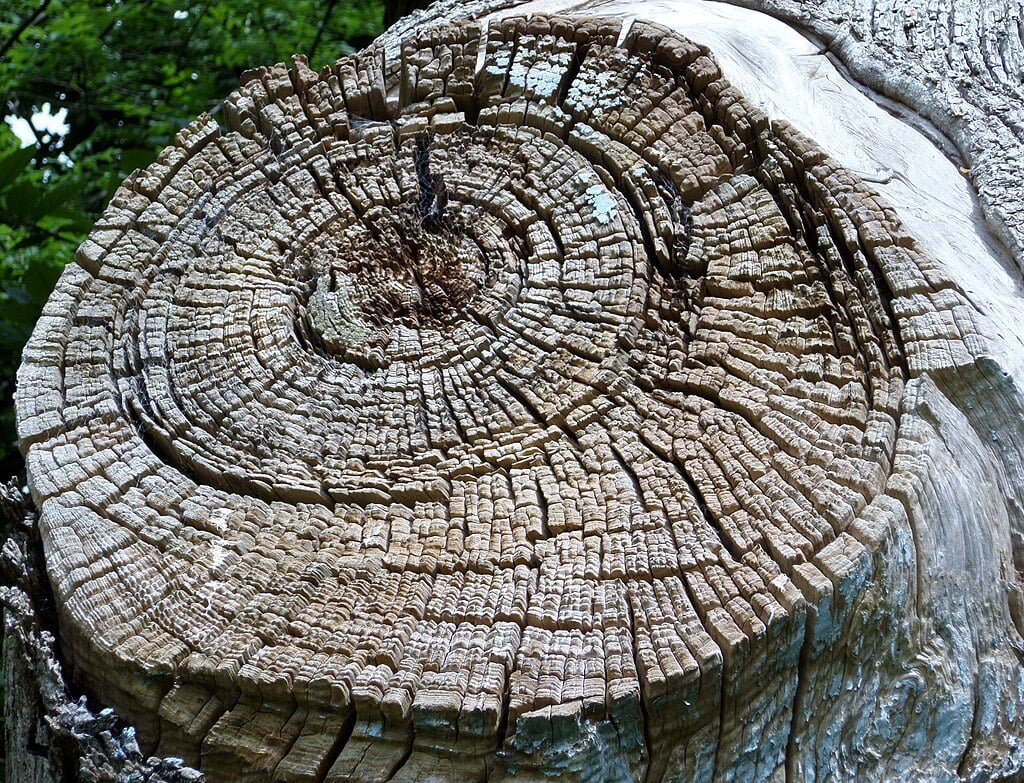
In old growth forests across the Sierra Nevada, Southwest and Pacific Northwest, tree ring analysis revealed repeating fire scars spaced far too regularly to result from lightning alone. These scars matched intervals consistent with known tribal burning practices. This pattern was highlighted in reports reviewed by National Geographic, showing that the fires burned cool and frequent, never reaching destructive intensities. The trees carried a physical timeline of cultural fire stewardship.
By comparing these scars across multiple forests, researchers reconstructed landscapes shaped by small fires that moved slowly through underbrush. These burns protected canopy height while renewing the forest floor. Fire suppression policies erased these cycles, allowing dangerous fuel buildup. The tree ring evidence stands as a physical testament to how effectively Indigenous communities managed complex ecosystems for hundreds of years.
4. Strategic fire use opened travel and trade corridors naturally.
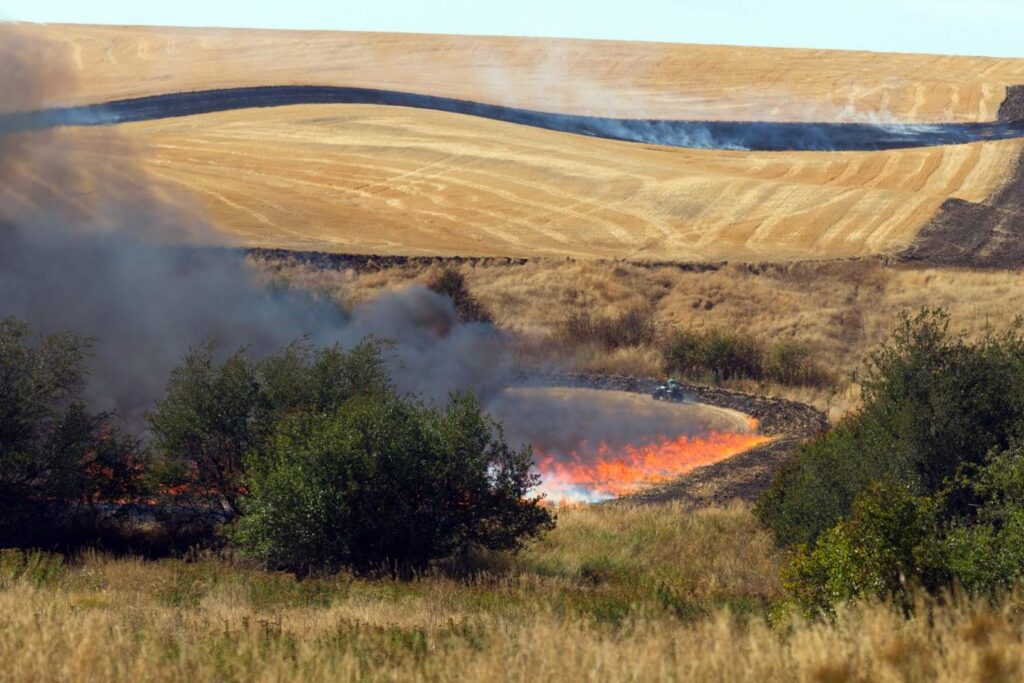
Communities who depended on seasonal migration burned narrow paths through dense forests to maintain safe passage. These routes linked fishing grounds, berry meadows and hunting territories. Without fire, brush would have swallowed these trails within a season. Burned corridors also formed habitat edges rich with food sources for game animals, strengthening both travel and hunting success.
Archaeologists studying ancient trade networks see how these routes connected distant cultural groups. Fire shaped not only the ecological structure but also the social and economic landscape. These corridors enabled long distance movement that supported sharing, trade and alliances. The burns functioned as both ecological and cultural infrastructure, maintained with precision.
5. Fire optimized plant resources vital to cultural survival.
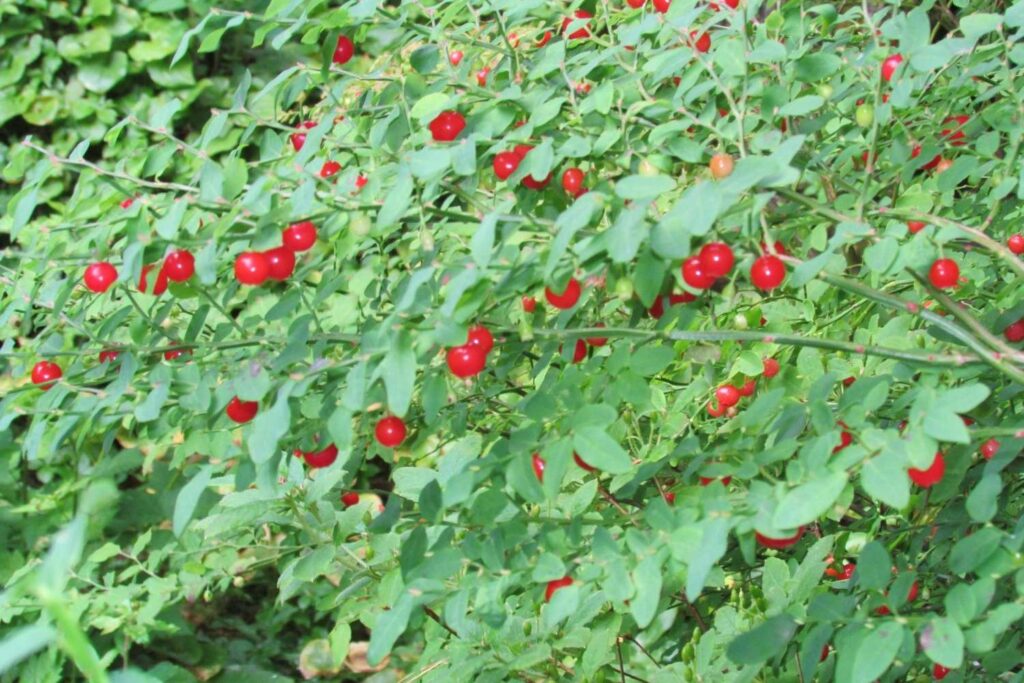
Many culturally significant plants depended on seasonal fire, including camas, huckleberries, hazelnut bushes and basketry materials. Without burning, competing vegetation overtook these species or reduced their productivity. Fire cleared old growth and returned nutrients to the soil, stimulating vigorous regrowth the following year. These practices ensured stable food and material supplies regardless of seasonal variation.
When colonial restrictions halted Indigenous burning, many of these plants declined. Dense forests shaded out meadows and berry fields. Soil conditions changed, making some species nearly disappear. This ecological collapse exposed how deeply traditional fire practices sustained productivity. Restoring burns revives landscapes and renews cultural connections at the same time.
6. Plains tribes used fire to maintain vast grassland ecosystems.
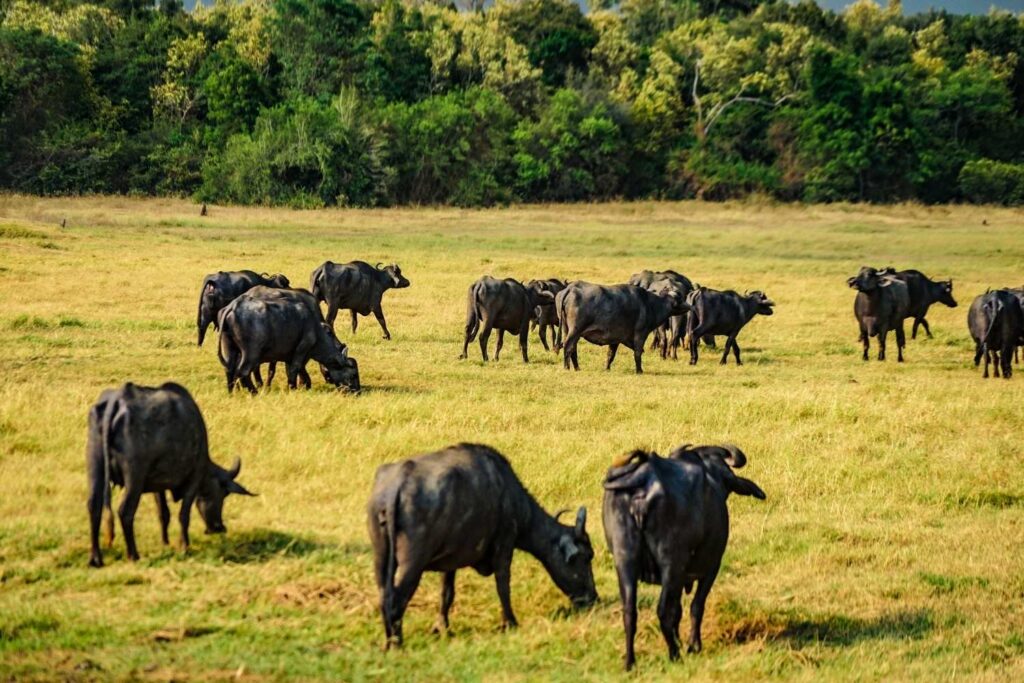
Tribal nations across the Great Plains ignited large scale burns that revitalized prairies used by buffalo and other grazing species. These burns encouraged tender new growth that drew herds into specific regions. Hunters benefited from predictable herd movements, and the prairies remained open and diverse. Fire prevented shrubs from overtaking grasslands, preserving the region’s ecological identity.
Scientists studying isolated remnants of native prairie now understand that these landscapes formed under continuous human influence. Without fire, woody plants advance and biodiversity collapses. Indigenous fire management supported a continent spanning ecosystem that cannot be replicated without returning to these traditional methods.
7. Burning reduced disease and pests before they spread widely.
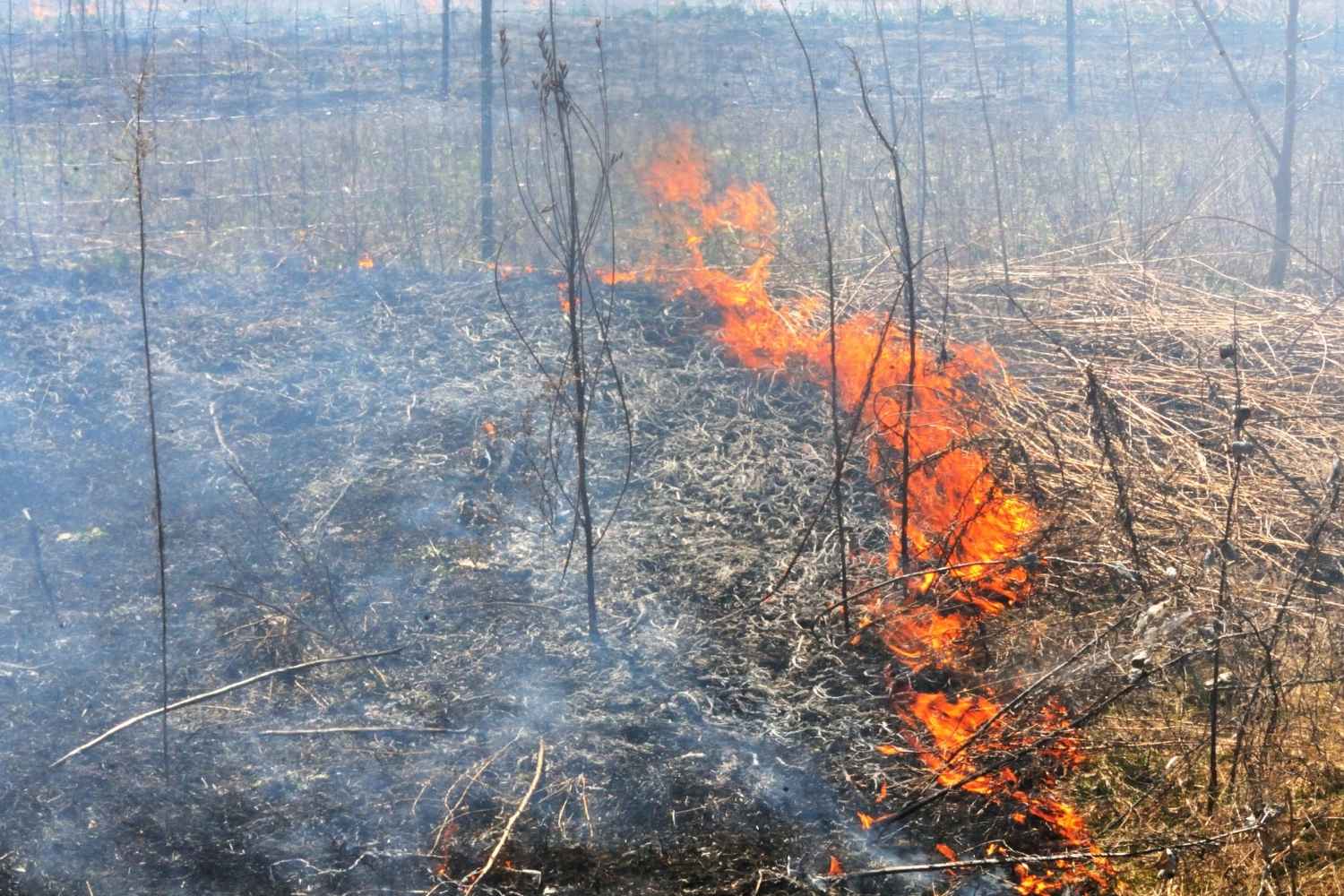
Low level burns cleared away fungus infected vegetation and insect infested branches before they could damage entire stands of trees. These burns acted as preventive maintenance rooted in observation and seasonal timing. Communities watched how weakened trees responded and used fire to strengthen future growth cycles.
Modern ecological research now shows that fire significantly decreases disease loads in many plant communities. Long before laboratories measured pathogens, Indigenous fire stewards recognized these relationships through lived experience. Their methods kept oak groves, root fields and riverbank vegetation healthier than unmanaged forests can maintain today.
8. Patchwork fire cycles increased resilience across landscapes.
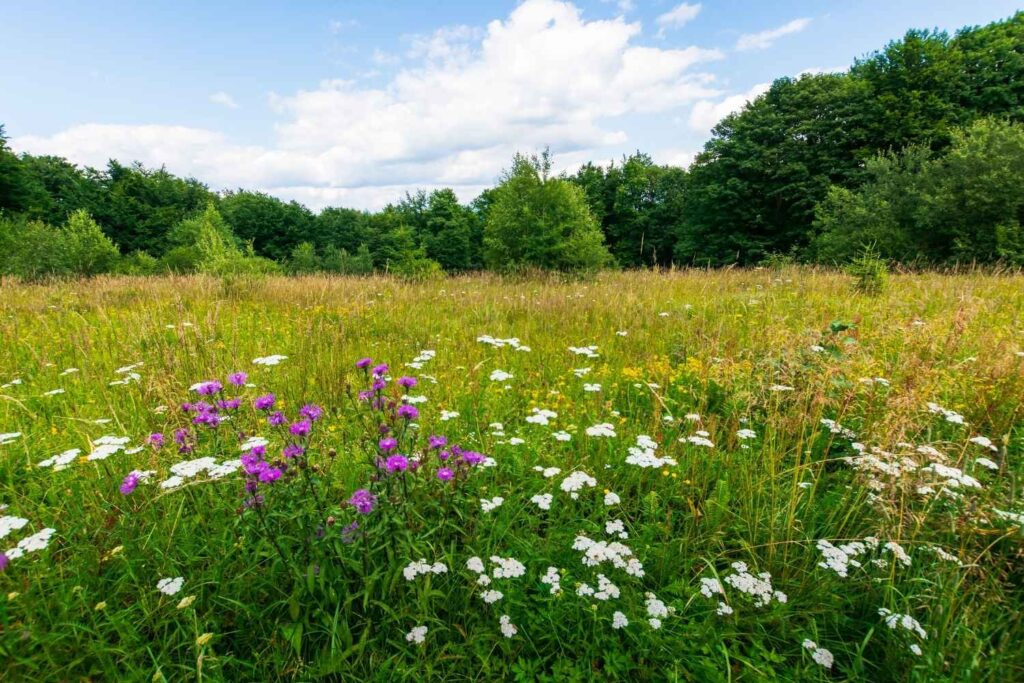
Indigenous fire did not create uniform burn zones. Instead, it produced a mix of old, new and mid stage vegetation arranged like a natural mosaic. This patchwork supported far more species than a single, unbroken forest type could. Animals moved among these sections depending on food, cover and breeding needs. Fire diversity generated biodiversity.
This mosaic also controlled how larger wildfires spread. Because fuel loads varied across patches, fire behavior slowed naturally. The system functioned like a safety net, reducing large scale destruction. The patchwork concept now informs modern fire recovery strategies, echoing knowledge applied for thousands of years.
9. Cultural fires shaped waterways and improved hydrological balance.
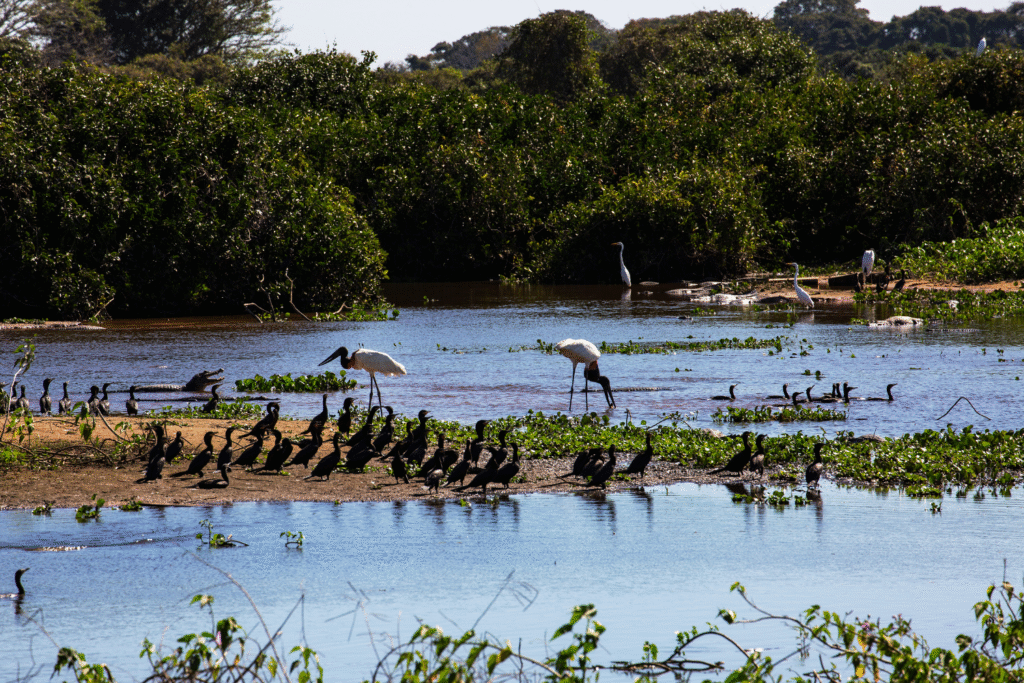
Burning cleared debris from channels and meadows, allowing water to disperse more evenly during storms. These burns prevented soil clogging and promoted wetlands that filtered water and supported diverse aquatic life. Healthy wetlands reduced flood intensity by slowing and storing runoff instead of funneling it rapidly downstream.
Without fire, dense vegetation accelerates erosion and destabilizes waterways. Hydrologists now trace many modern flood issues to the absence of traditional burning. Restoring fire brings back natural water flow patterns that defined North American rivers long before industrial development altered them.
10. Reviving Indigenous fire stewardship strengthens both ecology and culture.
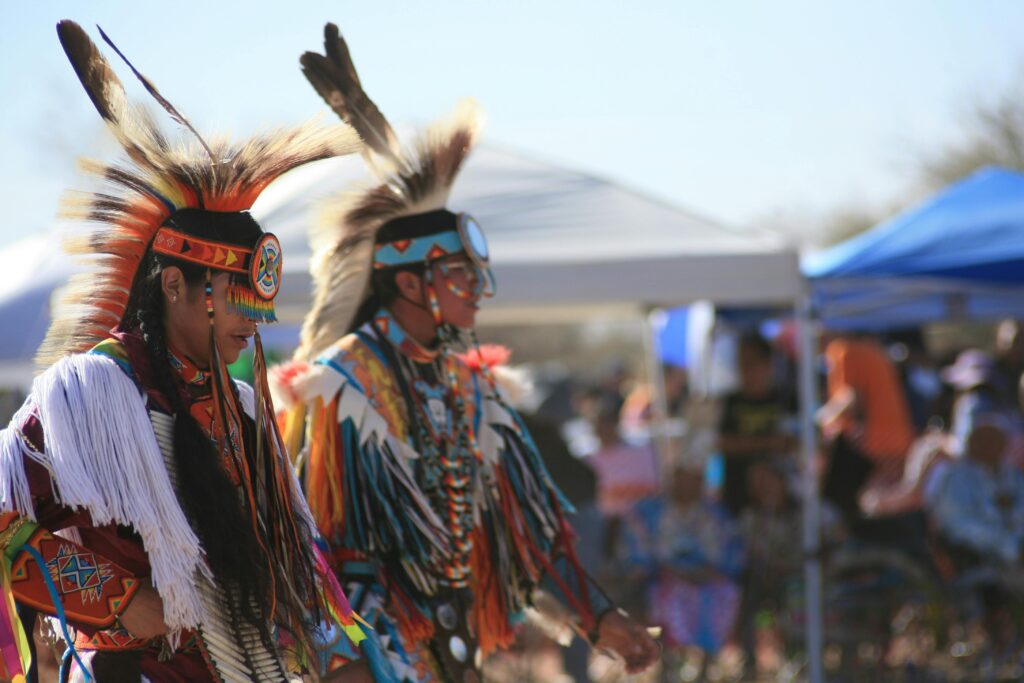
Extreme wildfire seasons reveal how severely landscapes suffer without regular burning. Fuel loads build, invasive species spread and ecosystems lose resilience. Tribal nations collaborating with federal and state agencies demonstrate that returning to cultural fire practices restores health and stability across regions. Controlled burns guided by Indigenous knowledge reduce the severity of modern fires and revive cultural landscapes simultaneously.
Communities working together now see benefits emerging through renewed plant growth, healthier wildlife populations and safer forests. These collaborations reconnect people to long standing stewardship traditions. Fire, once misunderstood, again becomes a tool for balance rather than destruction.