
New surveys uncover a long concealed history.
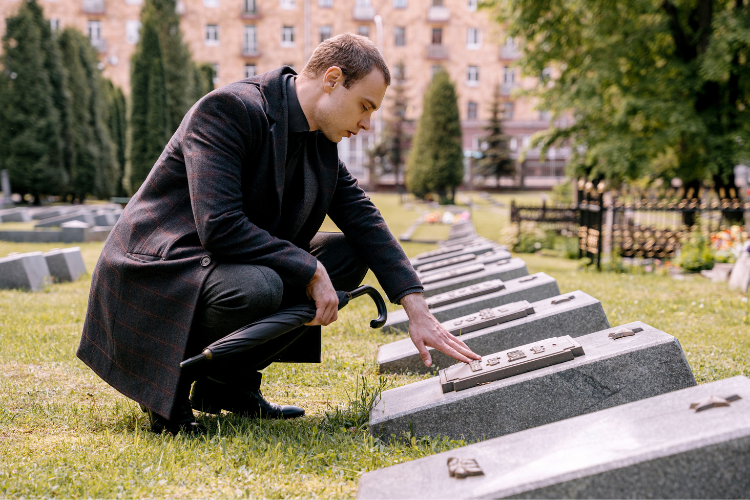
Communities across Canada have felt a deep shift as new ground penetrating radar surveys trace patterns beneath old soil that were never meant to disappear. As teams scan former residential school grounds and surrounding lands, they identify shapes that match human burials hidden for generations. Each discovery adds to a story families have carried quietly, pushing the country to confront the physical evidence now emerging from beneath fields, orchards and schoolyards. The technology is revealing lives once lost to record and memory.
1. Early radar surveys identified clusters at former school sites.
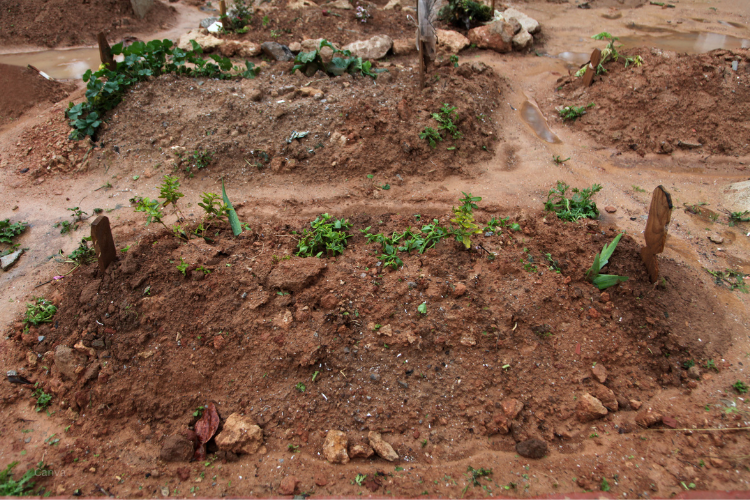
Researchers began scanning areas in British Columbia and Saskatchewan where communities suspected unmarked graves. The first wave of scans revealed dozens of soil disturbances that aligned with traditional burial dimensions. Technicians confirmed that the radar signatures differed from natural ground formations, as reported by CBC News near the end of an investigative summary. The findings drew immediate national attention and support from Indigenous leaders who had long requested detailed searches.
As additional teams arrived, they expanded the scans outward to surrounding fields. Smaller clusters appeared along tree lines and near former dormitory foundations. These patterns suggested that burials extended beyond official school boundaries. The early confirmations encouraged other nations to request surveys at their own historical sites. That momentum set the stage for a nationwide push to locate every missing child.
2. Later scans revealed new patterns across prairie school grounds.
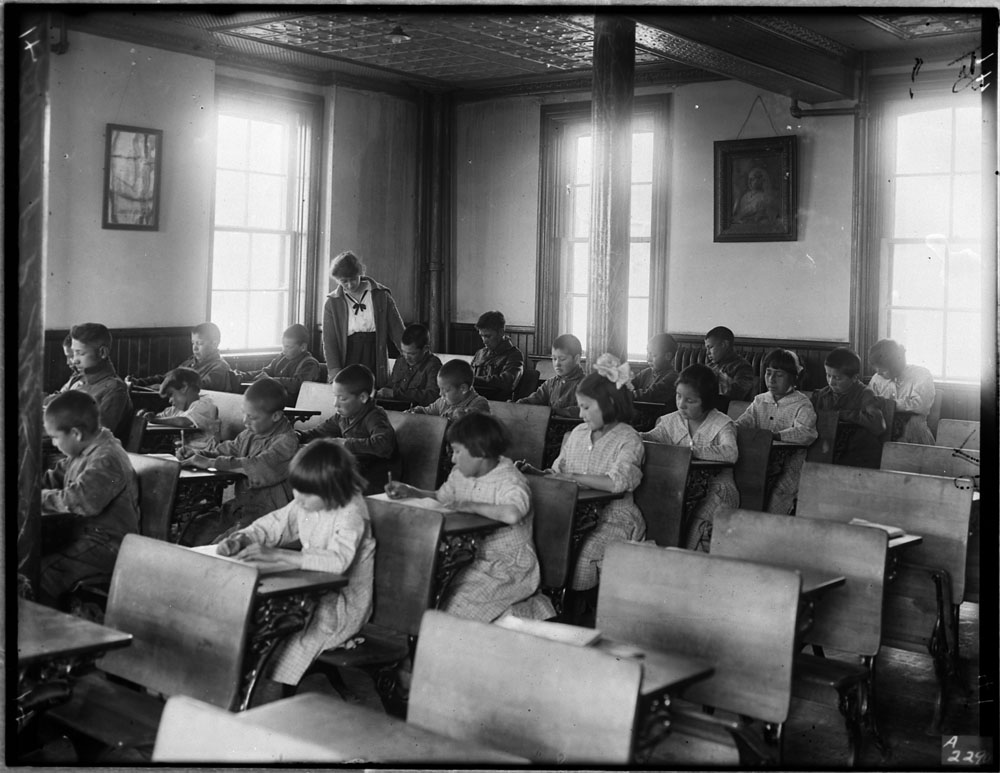
As radar teams moved into Manitoba and Alberta, they began documenting subtle soil shifts that formed consistent rows. These patterns matched burial arrangements used at several residential schools. Analysts worked cautiously, comparing radar traces with archival maps and historic construction records, as stated by Reuters in their coverage of expanded searches. The alignment raised the likelihood that many burials remained undocumented in official files.
With each confirmed row, communities revisited oral histories describing lost classmates and nighttime burials. Families traveled to the sites to observe the scanning process firsthand. The emotional weight grew as new areas were marked for further study. Survey teams coordinated with local nations to determine how each site should be protected and documented. The scans became part of a larger process of truth gathering.
3. Radar technicians detected burial signatures near church operated schools.
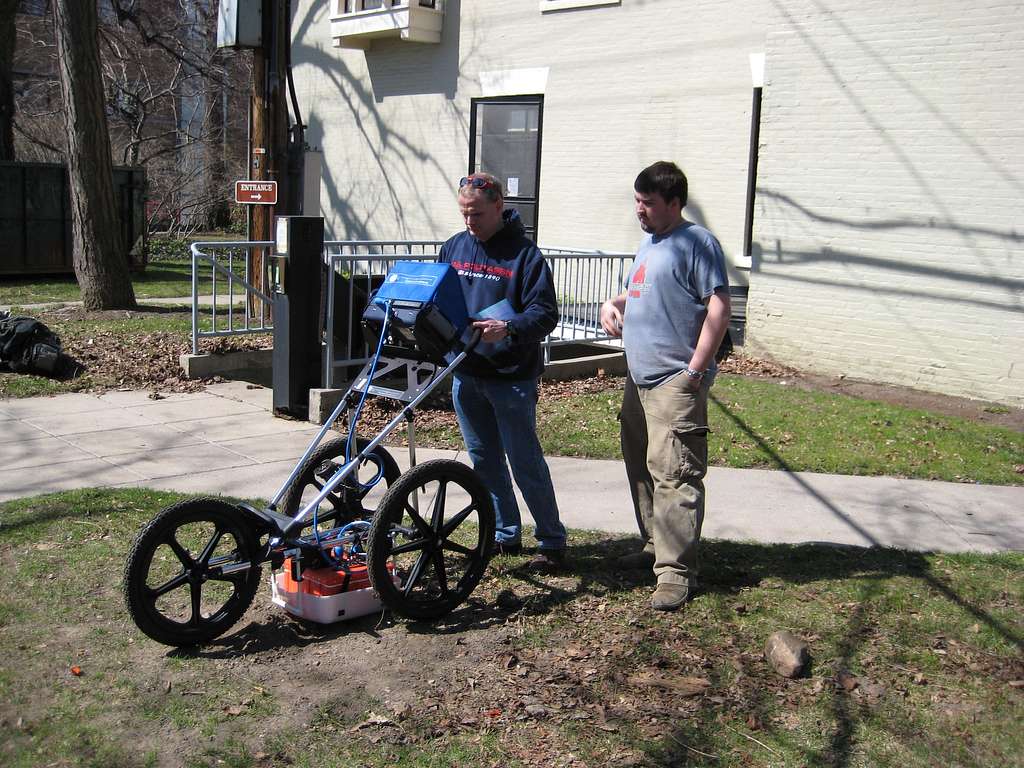
In regions of Ontario and Quebec, several former church administered institutions underwent detailed scanning. The radar detected repeating rectangular impressions beneath soil that had not been disturbed for decades. Archaeologists compared the depth and spacing with known burial sites, as discovered by The Guardian during their reporting on Canadian investigations. The similarities indicated that the impressions were unlikely to be natural.
Local nations held gatherings at the sites before allowing deeper study. Elders described traditional practices that differed from the patterns appearing on the radar. This confirmed that the burials did not follow Indigenous customs, strengthening the link to residential school operations. The findings pushed authorities to review archival correspondence for clues about undocumented deaths.
4. The technology revealed more burials than early estimates predicted.
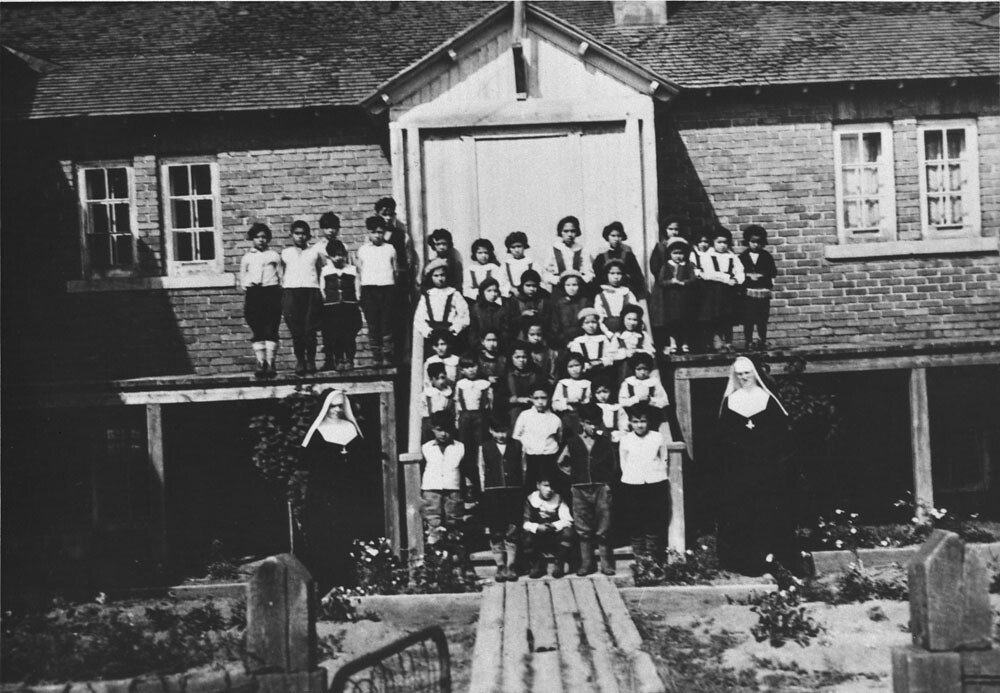
Initial estimates suggested dozens of graves at each site, but radar results often doubled or tripled expectations. Scans found clusters far from main buildings, suggesting broader use of the surrounding land. Teams noticed that some patterns indicated hurried or informal burials. These details pointed to situations that required minimal disturbance and fast concealment.
As more data accumulated, Indigenous communities worked with researchers to map the full extent of burial zones. Some areas required temporary closures to prevent accidental disturbance. Governments responded by offering logistical support, though communities led decisions about next steps. The scale of findings reshaped national conversation about historic accountability.
5. Many sites were found near orchards, fields and forest edges.
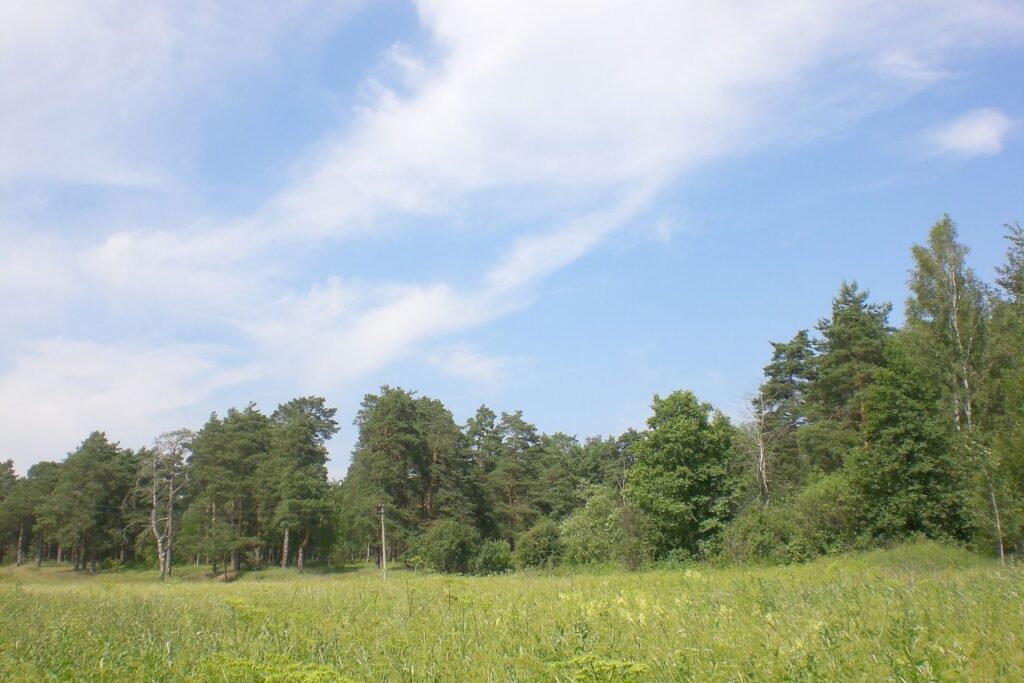
Some burial signatures appeared in areas later repurposed for agriculture. Trees and crops had grown over places where early radar teams found rectangular impressions. These discoveries supported long held suspicions that burials were placed outside main school grounds. The remote placements made them harder to detect without advanced technology.
Communities marked these regions for protection once results were shared. Local volunteers placed temporary boundaries to prevent equipment from disturbing the soil. Teams documented each area with high resolution mapping tools. As more sites emerged beyond school property lines, questions grew about how widespread the burial practices had been.
6. The scans uncovered a pattern of mixed age burials.
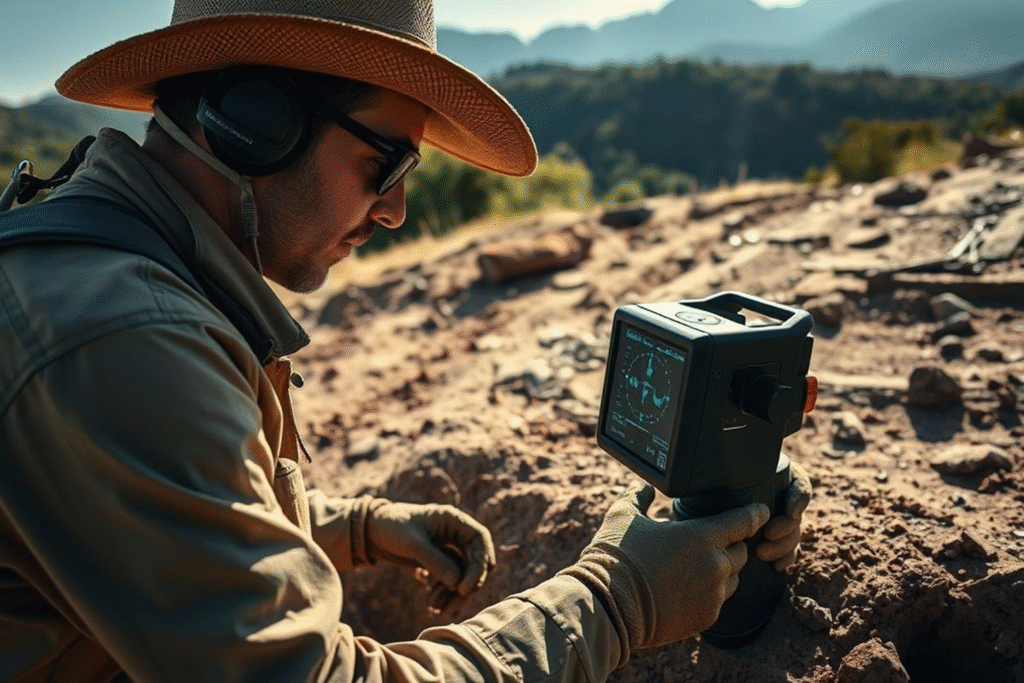
Radar signatures varied in size, indicating both small and larger graves. Specialists concluded that many burial areas contained individuals of different ages. This supported community testimonies describing children of varying sizes being lost over time. The presence of mixed age patterns suggested multiple events rather than single incidents.
Families honoring the findings organized ceremonies at the edges of identified zones. These gatherings emphasized remembrance and support for those affected. Researchers coordinated schedules to ensure scanning did not interrupt community led activities. Each new pattern reinforced the gravity of the history being uncovered.
7. The discoveries encouraged nations to revisit long archived records.
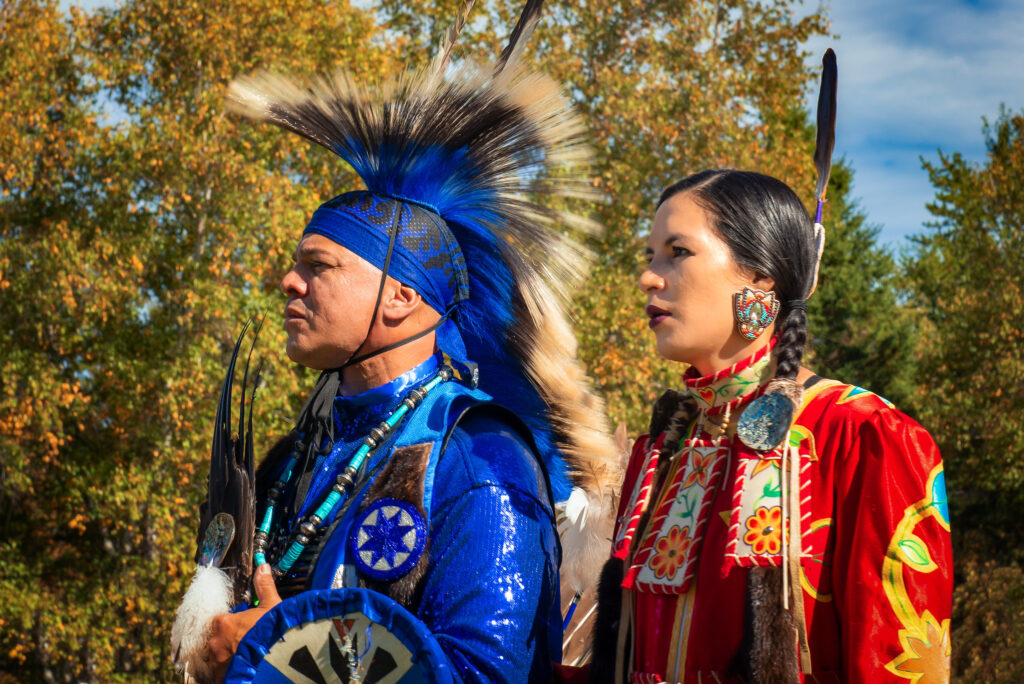
Once scans confirmed new burial sites, communities began reexamining documents stored in cultural centers and family collections. Some records referenced students who disappeared without clear explanation. Others described illnesses that seemed inconsistent with burial numbers found on radar. These connections provided context for the newly mapped sites.
Elders shared stories passed down through generations that filled gaps in the written record. Their testimonies often mirrored the new findings, strengthening the historical links. Archivists began compiling oral histories with radar maps to form a clearer timeline. The combined evidence created a stronger foundation for future investigations.
8. Many communities requested protective status for the identified areas.
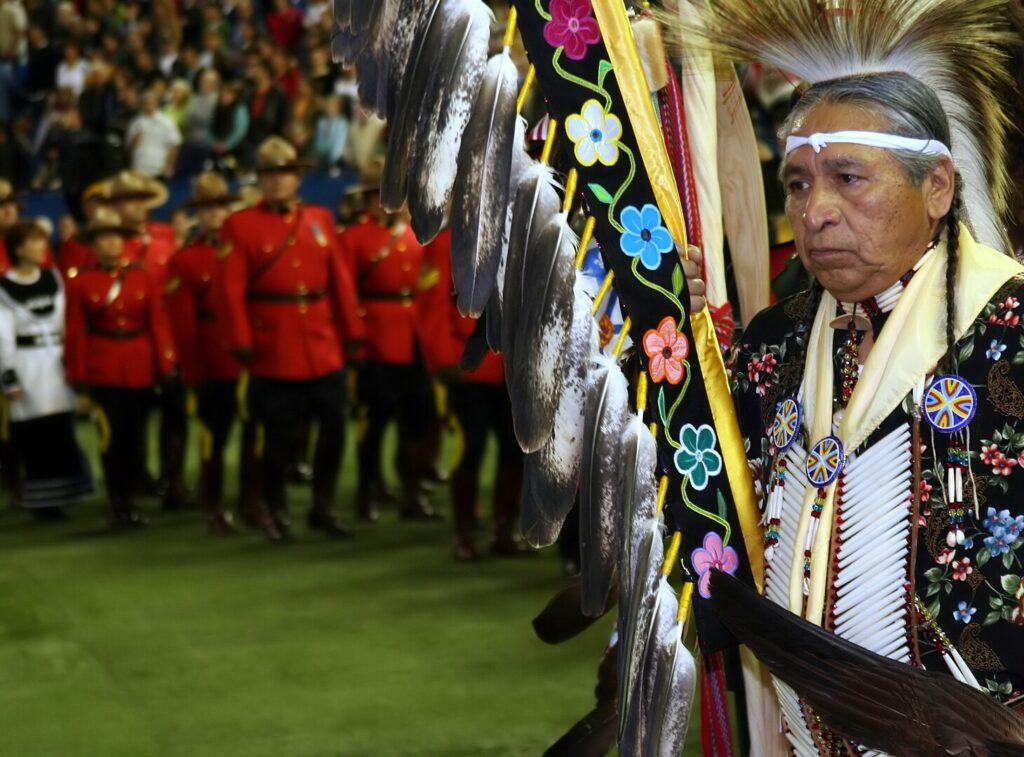
After initial results, several nations moved to restrict access to newly documented zones. They asked provincial authorities for recognition that would prevent development or disturbance. Efforts focused on preserving the land until decisions could be made about memorialization. This process required coordination with archaeologists who monitored soil conditions.
Some communities installed temporary markers to signal boundaries for visitors. Others conducted traditional ceremonies to honor the individuals believed to rest there. These steps ensured respect while further studies continued. Protection became a central priority as more burial signatures appeared in unexpected places.
9. The findings shifted national dialogue on historic responsibility.
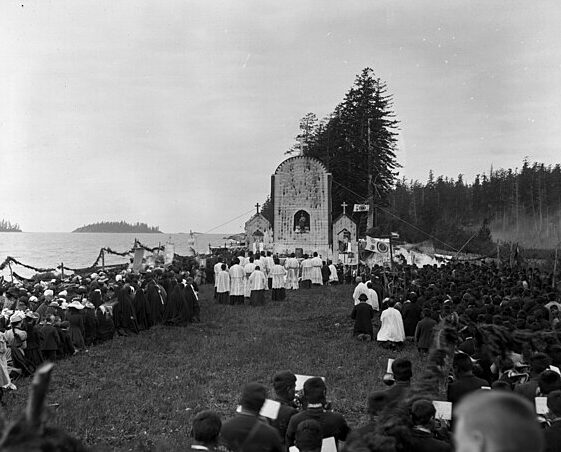
As radar results spread across the country, public conversations changed rapidly. The physical evidence supported testimonies long shared by Indigenous communities. These confirmations prompted calls for deeper investigation and broader transparency from institutions connected to the schools. Several leaders emphasized the importance of returning authority to the affected nations.
Government agencies expanded funding for search efforts, but communities led planning and interpretation. The discoveries highlighted the importance of Indigenous leadership in uncovering the truth. Each new site added urgency to a national conversation centered on acknowledgement and repair.
10. The technology continues uncovering evidence across new regions.
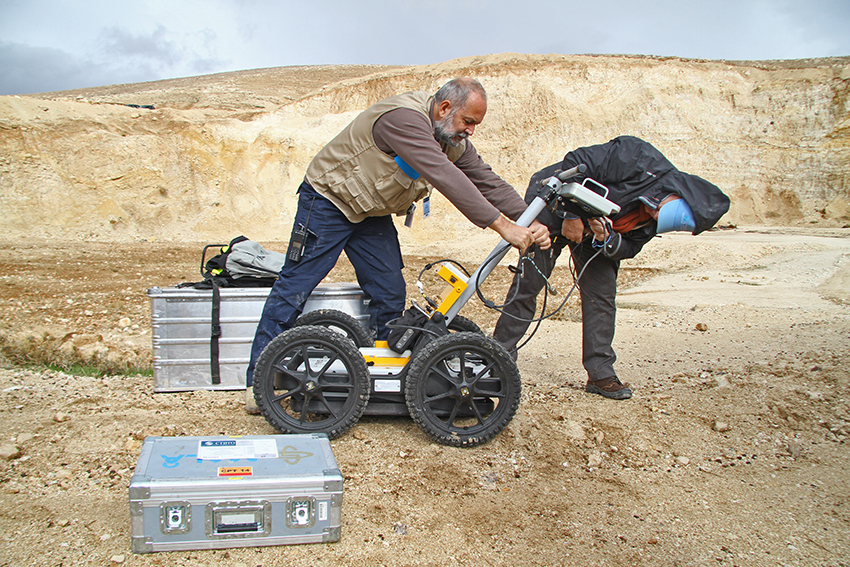
Ground penetrating radar teams now move steadily across more provinces. Each season reveals additional sites that had not been documented previously. The ongoing work depends on cooperation between experts, elders and local councils. Results from early surveys guide teams toward regions most likely to contain burial signatures.
Communities prepare culturally appropriate responses before scans begin. This ensures that each discovery is met with care rather than disruption. The expanding effort brings attention to a history long held in memory but now visible in the earth itself. The findings continue to shape national understanding of the past.