
Ancient sky knowledge challenges modern scientific assumptions.

For generations, Indigenous communities carried celestial knowledge that rarely appeared in academic astronomy. Their maps were traced in stories, carved into rock, and memorized through ceremonies that encoded navigation, seasonal change and spatial geometry. Only recently did researchers begin to test these systems with modern tools, and the results unsettled long held assumptions. The night sky these communities described was not symbolic or approximate. It was measured, intentional and astonishingly accurate across continents separated by vast distances and time.
1. Researchers confirm these maps contain measurable astronomical accuracy.

New analysis of Indigenous Australian star knowledge revealed precise positional awareness of seasonal star cycles, as reported by the Australian National University. Elders described stellar motions in ways that aligned with modern measurements. Their understanding of heliacal risings functioned as both calendar and compass, creating a dynamic sky map for movement across their territories.
This recognition forced astronomers to confront an uncomfortable truth. Oral systems dismissed as metaphor instead held quantitative detail comparable to classical Greek astronomy.
2. Navigation traditions match modern stellar reference points.

Polynesian wayfinders relied on star lines that matched fixed azimuth positions, as stated by NASA. These star paths guided open ocean voyages thousands of miles without instruments. The precision of these lines allowed navigators to hold a course through changing weather, cloud cover and shifting currents, using only memory and horizon cues.
The confirmation reshaped academic understanding. What appeared poetic was actually a carefully tested method that treated stars as calibrated directional anchors.
3. Seasonal sky calendars align with agricultural cycles.
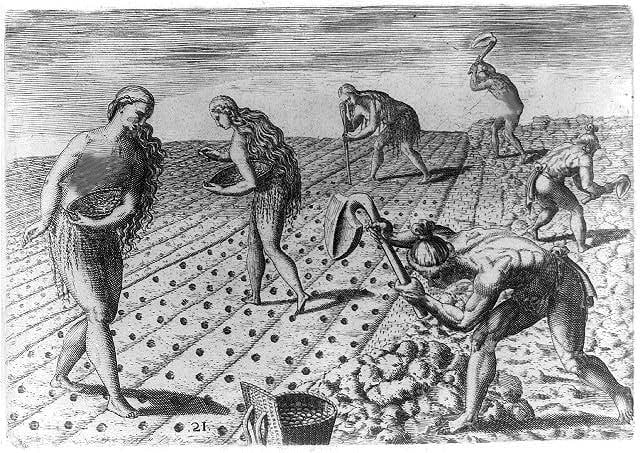
Studies of Ojibwe and Lakota sky traditions found that constellations marked agricultural timing with unexpected accuracy, according to the University of Minnesota. When specific star clusters appeared at dawn, communities shifted activities, prepared for harvest or moved camps before seasonal extremes. These sky calendars created a stable framework that connected survival to predictable cosmic rhythms.
The results showed a sophisticated observational science. Seasonal star markers were not symbolic cues but empirical tools shaped through centuries of refinement.
4. Rock carvings preserve sky patterns that match ancient alignments.
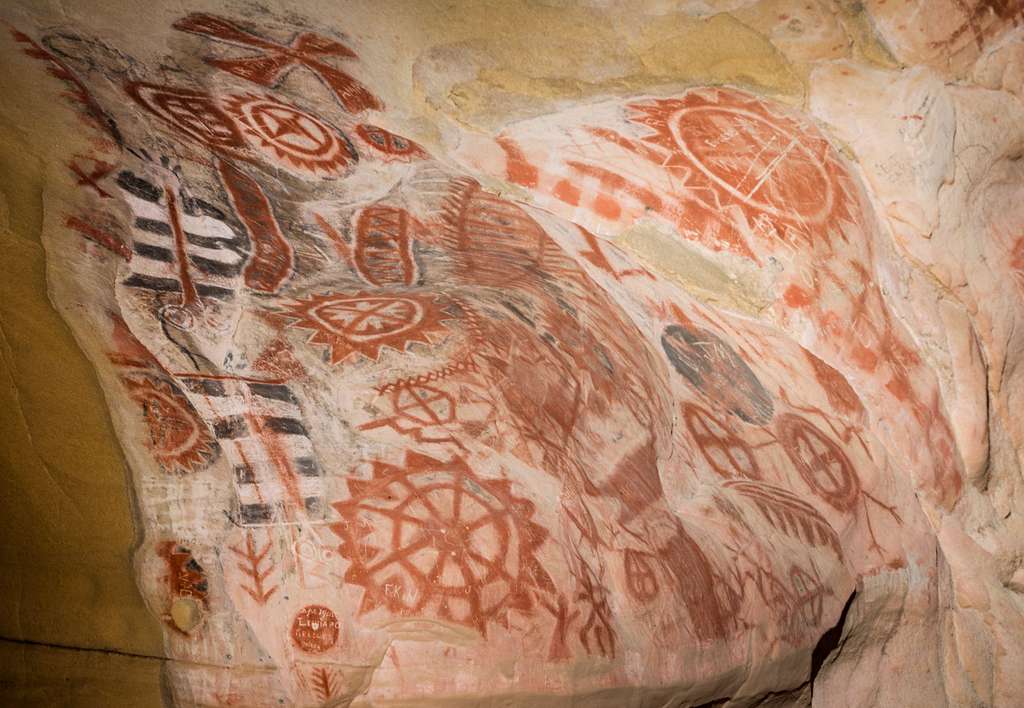
Petroglyphs in North America, Australia and Africa contain clusters of carved points arranged in constellations visible thousands of years ago. Their placements match known sky configurations that have since shifted due to precession. Archaeologists now read these carvings as static records of star positions mapped with remarkable spatial detail.
These carvings demonstrate that early observers not only tracked the stars but engraved their placements with enduring precision.
5. Constellation shapes encode practical instructions for travelers.
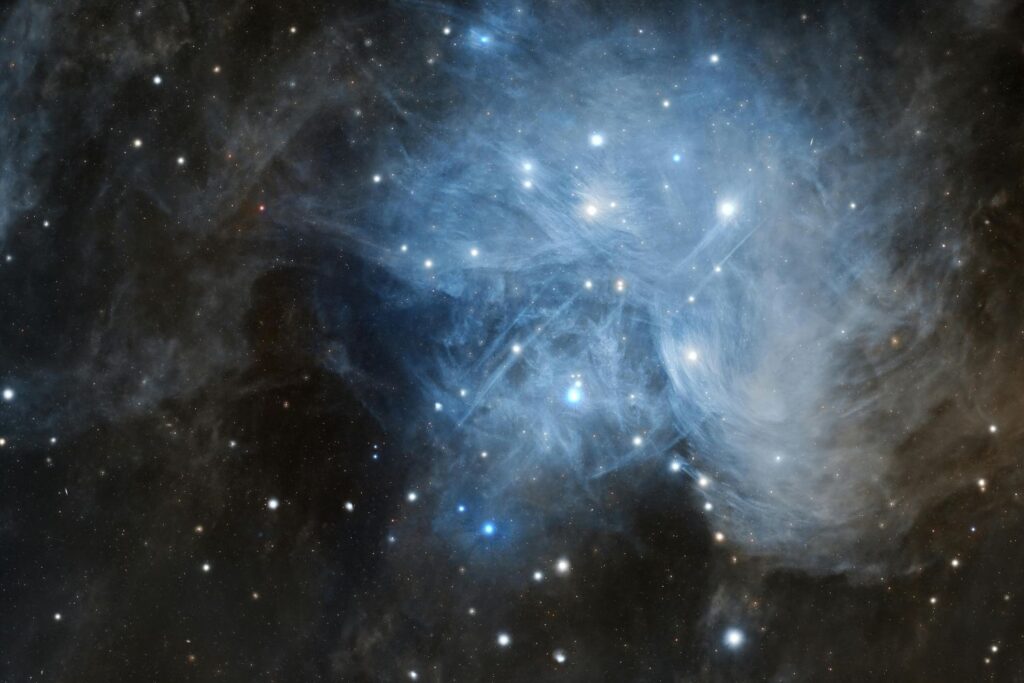
Many Indigenous constellations differ from Western interpretations because they describe actions rather than animals or heroes. These shapes communicate directions, distances and environmental cues for travelers navigating deserts, plains or islands. The sky became a multi layered guidebook that repeated crucial information every clear night.
This approach created a living map. Travelers could orient themselves even when familiar land features were hidden or indistinguishable.
6. Celestial narratives hold embedded measurements of time.

Stories describing shifting star positions also tracked lunar cycles and long term variability in brightness. Listeners passively absorbed timekeeping lessons without charts or written records. The narrative structure protected the knowledge from distortion even as generations changed.
This method blended memory science with astronomy. Precision endured because the sky served as both reference and correction tool.
7. Star lore contains evidence of long term environmental tracking.

Indigenous communities connected subtle sky changes with climate patterns, linking star visibility to rainfall, migration events and seasonal fertility. These correlations evolved through long observation and were woven into yearly rituals that reminded communities when to expect change.
This link between sky and ecology now attracts modern researchers. It suggests that ancient observers recognized environmental cycles too subtle for early Western science to detect.
8. Sacred sites align with astronomical targets across continents.

Structures built by Navajo, Māori, Inca and Aboriginal groups orient toward solstice points, lunar standstills and star rise locations. These alignments reveal deliberate architectural planning guided by long term celestial tracking. The accuracy of these orientations rivals early observatories found elsewhere in the ancient world.
The consistency across cultures highlights a widespread scientific culture that used the sky as an organizing principle for both land and ceremony.
9. Generational knowledge transfer preserved observational discipline.

Star knowledge often passed through designated custodians trained to memorize spatial relations and seasonal patterns with exacting precision. Young learners repeated observations nightly until their internal sky map matched what elders considered accurate. The training mirrored modern field science, with repeated measurements enforced through community expectation.
This level of discipline maintained the integrity of astronomical systems for hundreds or even thousands of years.
10. Modern astronomy now treats these sky systems as scientific frameworks.

Astrophysicists increasingly collaborate with Indigenous knowledge holders to reinterpret ancient sky records and refine current models. These partnerships reveal early observations of comets, supernovae and long period variables that align with modern data sets. The sky becomes richer when both traditions speak.
The shift marks a rare scientific reckoning. Knowledge once sidelined is now recognized as a parallel scientific achievement built through relentless, generational observation.