
Subtle signals hide mounting pressure inside quiet homes.
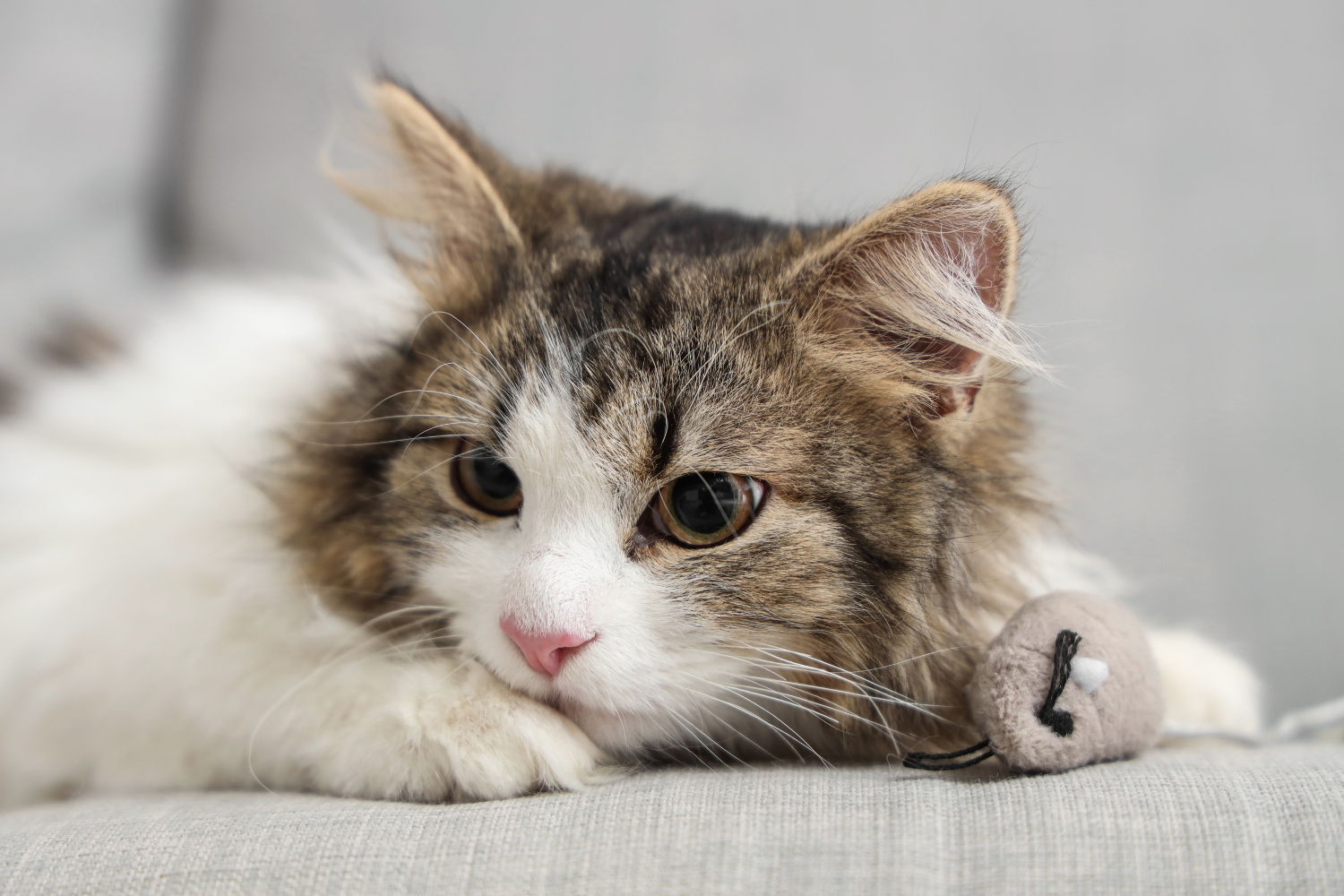
Indoor cats are often described as safe, calm, and protected, yet veterinarians and behaviorists repeatedly see stress related problems in cats that never step outside. These behaviors rarely look dramatic. They blend into daily routines and are easily misread as quirks or personality. Meanwhile, the underlying tension builds. Environmental restriction, lack of control, and unmet instincts quietly reshape behavior over time. By the time stress becomes obvious, it is often entrenched. Understanding how these signals appear, and why they are missed, changes how indoor cat wellbeing is understood.
1. Overgrooming often replaces natural stress outlets.

Many indoor cats groom excessively, leaving bald patches or irritated skin that owners assume is normal cleanliness. The behavior escalates slowly, making it easy to overlook until damage appears. What looks soothing is often compulsive.
Without opportunities to hunt, roam, or retreat, stress energy redirects inward. Grooming releases endorphins temporarily, reinforcing repetition. Over time, the behavior becomes habitual, masking the original source of discomfort rather than resolving it.
2. Litter box avoidance reflects emotional discomfort.
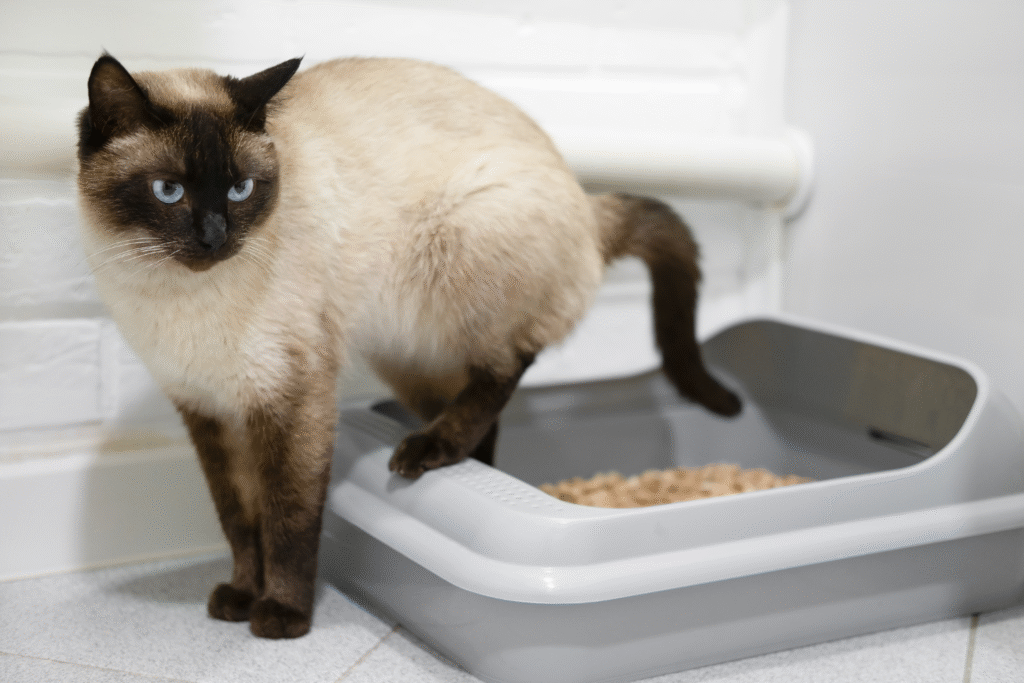
When indoor cats stop using the litter box, owners often assume spite or training failure. This misunderstanding delays intervention. The behavior signals distress long before it becomes a household crisis.
Stress alters elimination preferences. Changes in routine, noise, or perceived territory threats make litter boxes feel unsafe. Avoidance becomes a coping strategy, not defiance, and intensifies as anxiety remains unaddressed.
3. Sudden aggression masks chronic environmental stress.
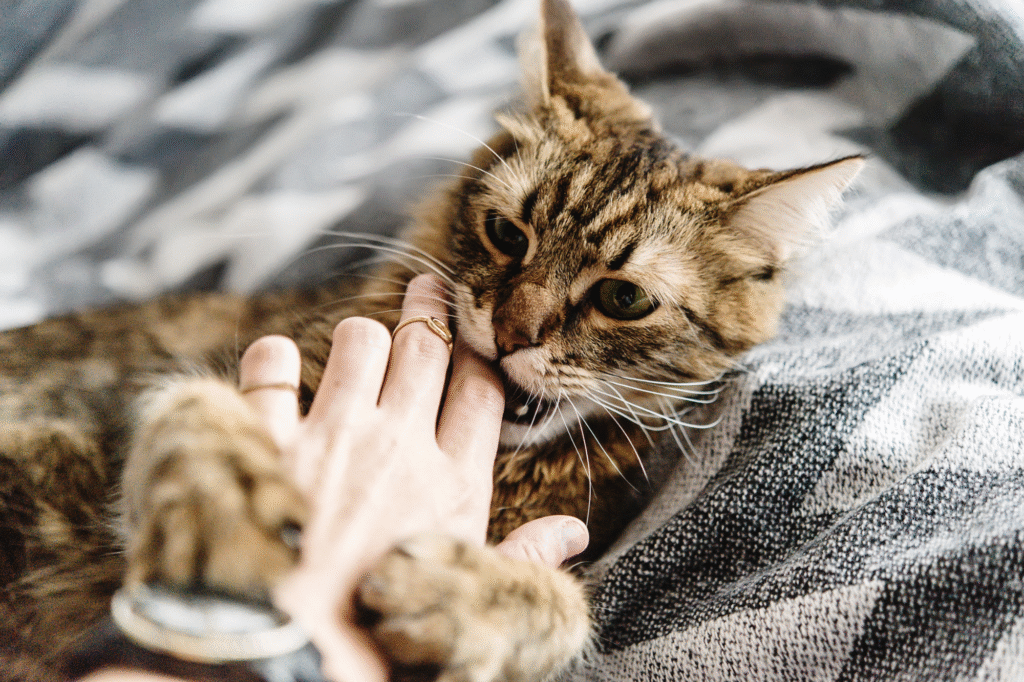
Indoor cats that begin swatting, biting, or hissing are often labeled moody. Aggression appears sudden but builds internally over time. The cat feels overwhelmed with no escape.
Limited space increases sensitivity to touch and movement. Without control over surroundings, tolerance drops. Aggression becomes a boundary setting tool, signaling unmet needs rather than inherent hostility.
4. Hiding behavior increases as perceived safety declines.
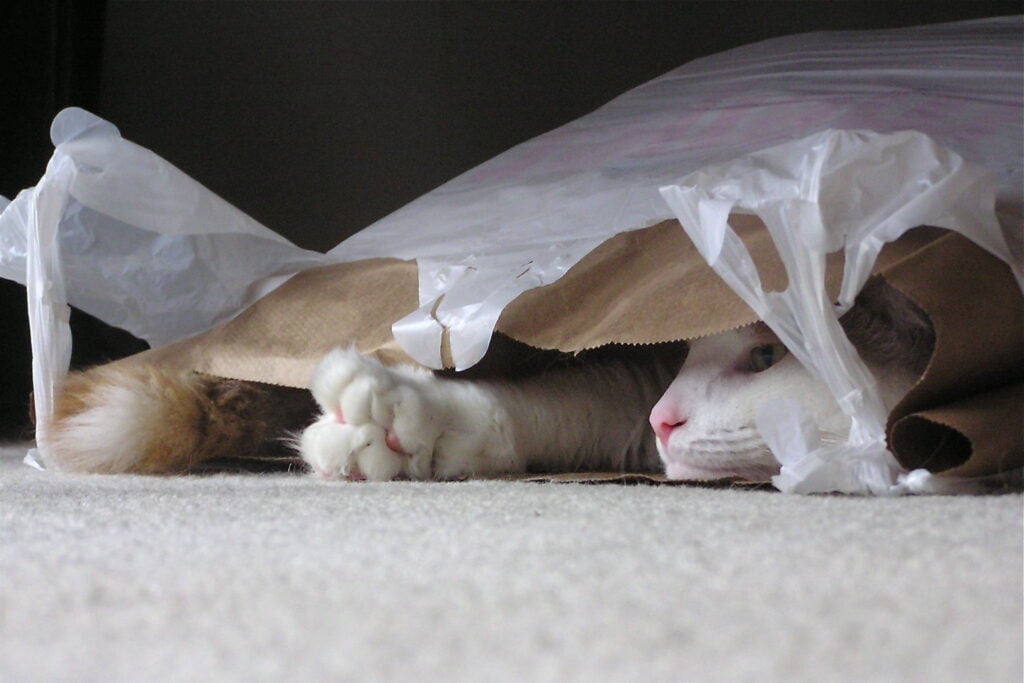
Cats that spend more time under furniture or in closets are often thought to be relaxing. In reality, increased hiding signals heightened vigilance and withdrawal.
Indoor environments can feel unpredictable despite familiarity. Noise, visitors, or other pets create constant alertness. Hiding restores a sense of control but reduces engagement, allowing stress to deepen unnoticed.
5. Nighttime vocalization signals unresolved stimulation needs.
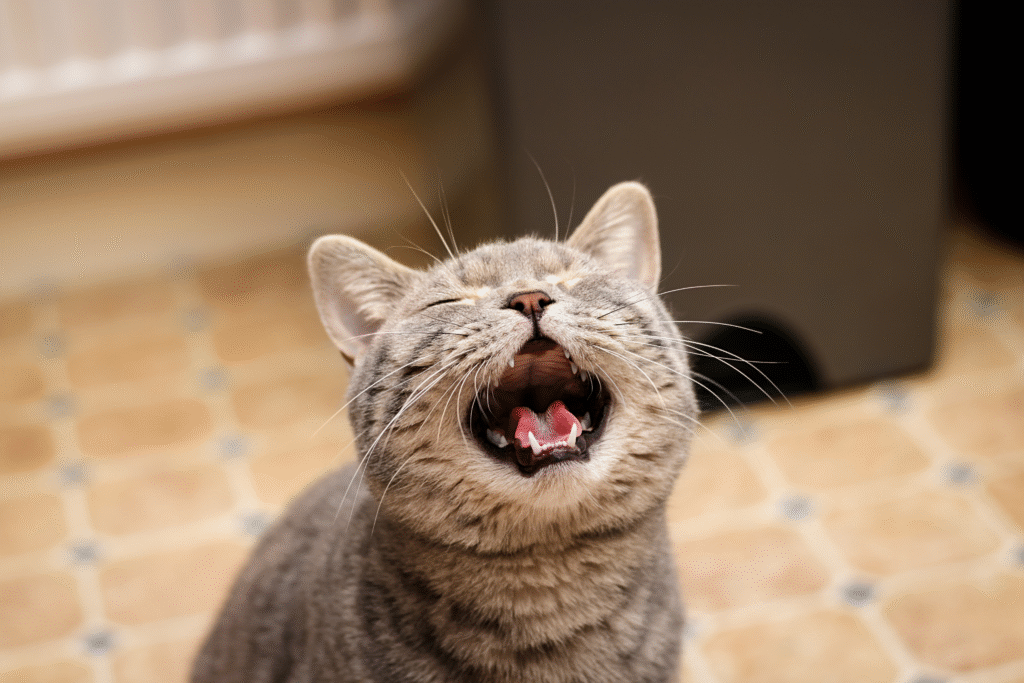
Cats that cry or yowl at night are frequently dismissed as bored or aging. The timing reflects circadian mismatch and pent up energy.
Indoor cats lack natural hunting cycles. Without sufficient daytime stimulation, arousal peaks after dark. Vocalization becomes an outlet for frustration rather than a request for attention alone.
6. Scratching escalation reflects territorial insecurity.
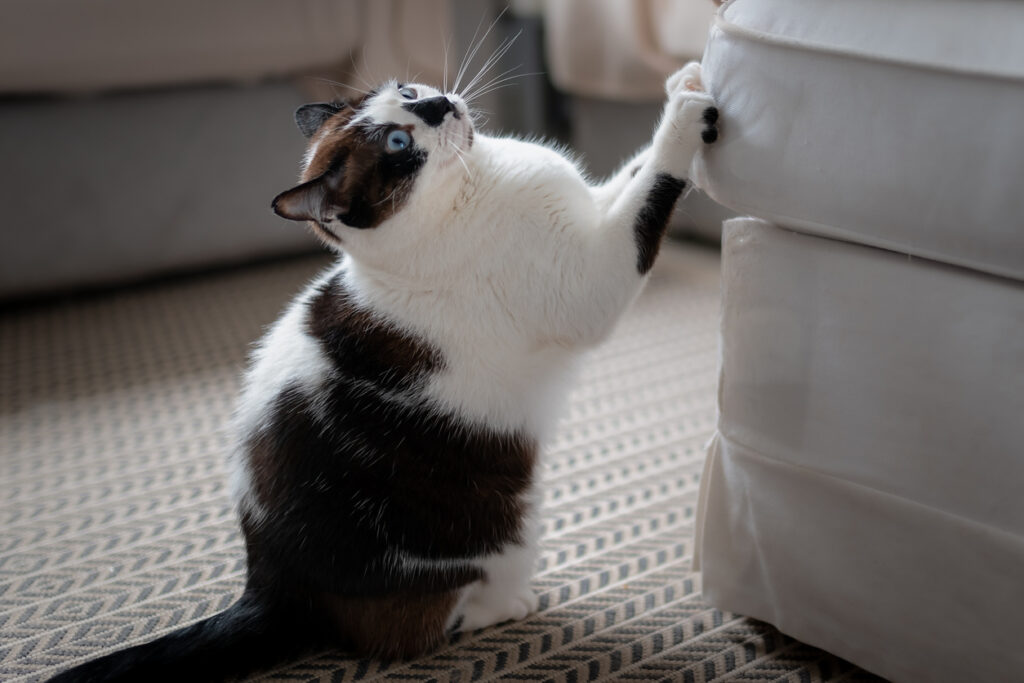
Increased scratching is often blamed on poor manners. Owners focus on furniture damage instead of emotional cause.
Scratching marks territory and relieves tension. Indoor cats with limited vertical space or shared resources scratch more to reassert control. The behavior intensifies when stressors remain constant.
7. Appetite changes indicate internal stress responses.
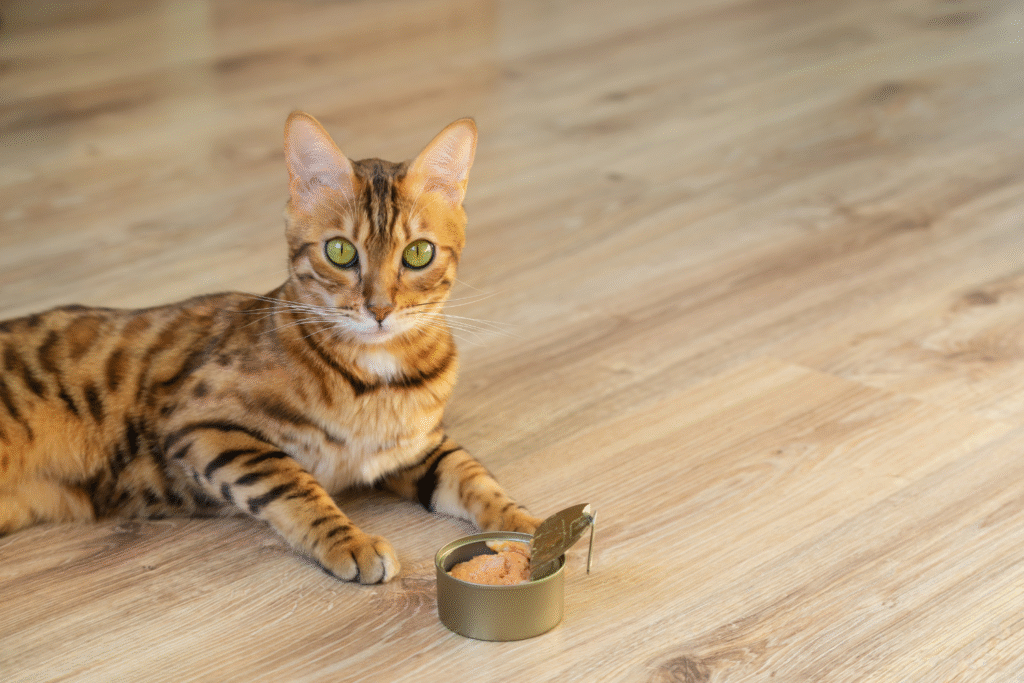
Stress alters eating patterns subtly. Some indoor cats graze constantly while others lose interest entirely. These shifts often precede visible illness.
Anxiety affects digestion and hunger hormones. Without external variation, food becomes a coping mechanism or loses appeal. Appetite changes reveal emotional imbalance before physical symptoms emerge.
8. Excessive sleeping masks disengagement from environment.
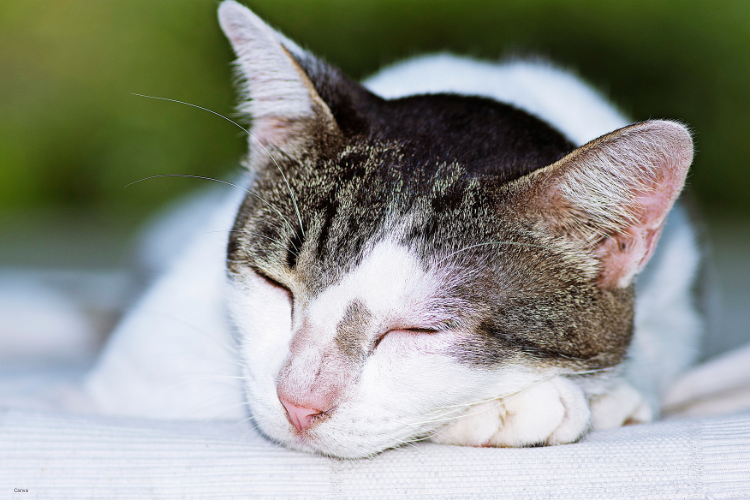
Indoor cats sleep heavily, which appears normal. But excessive sleep can indicate withdrawal rather than rest. Engagement fades as stress accumulates.
Without environmental challenges, cats disengage to conserve energy. Sleep replaces exploration. This quiet response delays detection while mental stimulation continues to decline.
9. Repetitive pacing signals unresolved arousal.
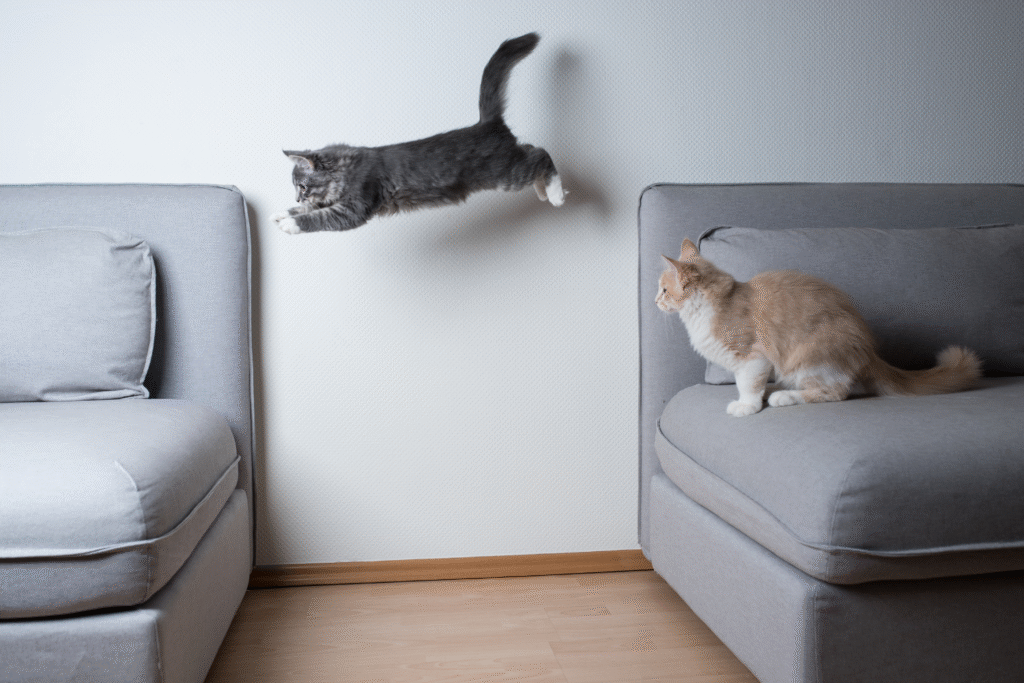
Some indoor cats pace hallways or trace the same path repeatedly. Owners may overlook this behavior as routine movement.
Pacing reflects unresolved stimulation needs. Without access to varied environments, movement loops become self soothing rituals that indicate stress rather than energy surplus.
10. Subtle personality shifts often precede medical issues.
Changes in sociability, curiosity, or tolerance are often attributed to age. These shifts signal chronic stress affecting physiology.
Prolonged stress alters immune response and pain perception. Behavioral changes often appear before medical diagnosis. Missing them delays care while stress continues shaping health outcomes.