
Artificial light is reshaping how dogs experience night.
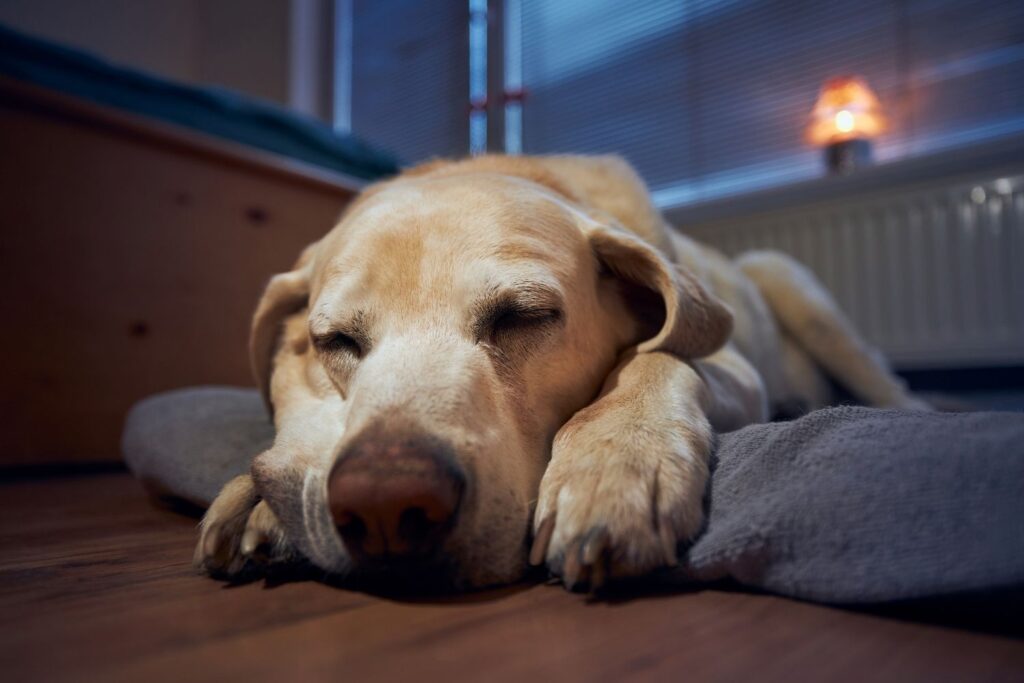
Dogs evolved alongside predictable cycles of daylight and darkness. Indoor lighting has altered that rhythm in homes across the United States over the past several decades. Lights stay on later, screens glow after sunset, and rooms rarely reach full darkness. Canine brains still rely on light cues to regulate sleep hormones, body temperature, and rest depth. When those cues blur, sleep becomes lighter and less restorative. Owners often notice pacing, early waking, or nighttime restlessness without realizing indoor lighting plays a role.
1. Artificial evening light delays your dog’s melatonin release.

Dogs rely on darkness to trigger melatonin production, which signals the body to slow down and prepare for sleep. Bright indoor lights after sunset tell the brain it is still daytime, delaying that hormonal shift and extending alertness.
Over time this delay fragments sleep. According to the National Sleep Foundation, artificial light suppresses melatonin across mammalian species, including domestic dogs, reducing sleep depth and altering nighttime hormone cycles even when total sleep hours appear normal.
2. Blue light exposure interferes with circadian rhythm signaling.

LED bulbs, televisions, and tablets emit blue wavelength light that strongly affects circadian timing. Dogs absorb this light through retinal pathways connected directly to the brain’s internal clock, which governs sleep and wake cycles.
This exposure creates confusion at night. As reported by Harvard Medical School, blue light suppresses circadian cues more strongly than warmer light, disrupting sleep timing in mammals and delaying the biological signals that tell dogs it is time to rest.
3. Constant lighting reduces contrast between day and night.

Dogs evolved to recognize sharp contrasts between daylight and darkness. Homes with lights on from morning until bedtime flatten that contrast, making night feel like an extension of day rather than a distinct phase.
That loss affects sleep regulation. According to the Sleep Research Society, reduced light contrast interferes with circadian entrainment, making it harder for the brain to anchor sleep cycles to external cues, especially in animals living entirely indoors.
4. Hallway and night lights interrupt deep sleep phases.
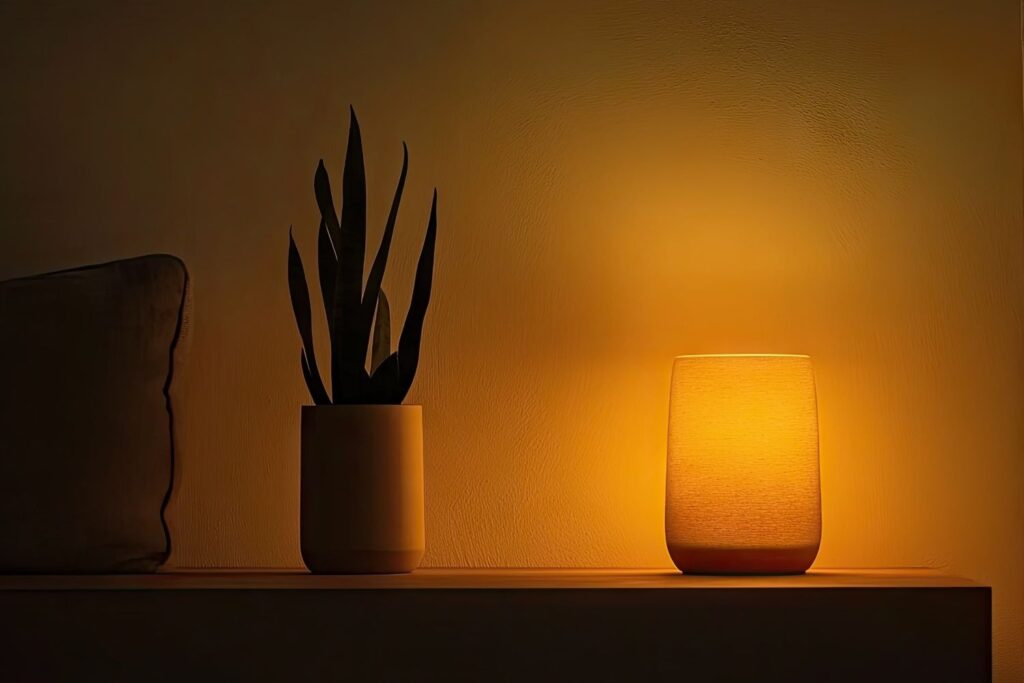
Many homes use hallway or night lights for safety. While helpful for humans, these lights can penetrate areas where dogs sleep, interrupting deeper sleep stages without fully waking them.
The result is lighter rest. Dogs may change positions frequently or wake earlier than expected. Even low level illumination can keep the brain partially alert, preventing the sustained deep sleep needed for physical recovery and memory processing.
5. Televisions left on overnight stimulate sensory vigilance.
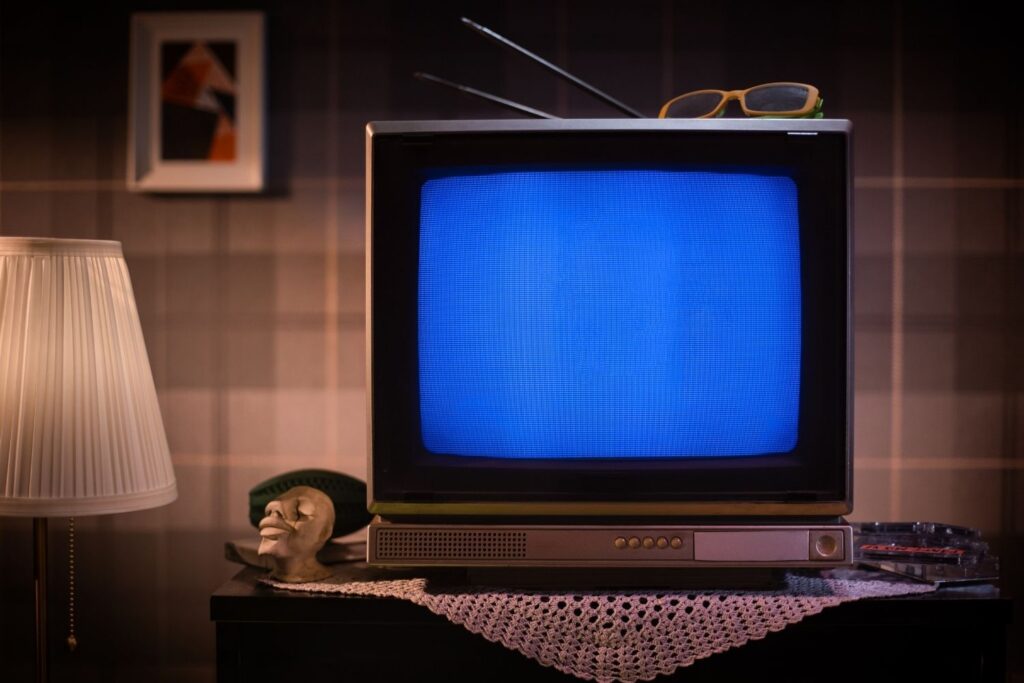
Dogs do not ignore background noise and flickering images as easily as humans. A television left on overnight continues to deliver sound and light that the brain monitors, even during sleep.
This constant input prevents full shutdown. The dog may sleep, but the nervous system remains semi engaged. Over time this leads to shorter sleep cycles and increased nighttime movement, especially in dogs already sensitive to sound or motion.
6. Kitchen and living room lights affect nearby sleep spaces.

Dogs often sleep near their owners in shared living areas. When lights remain on in kitchens or living rooms late into the evening, that light spills into sleeping zones.
The brain receives mixed signals. Darkness never fully arrives, delaying relaxation. Dogs may wait for lights to go off before settling, or wake once lights change again early in the morning, disrupting natural sleep continuity.
7. Inconsistent lighting schedules confuse internal clocks.

Dogs thrive on predictability. When lights turn off at different times each night, the brain cannot anticipate sleep onset accurately.
This inconsistency leads to restlessness. The dog remains alert longer, unsure when night truly begins. Over time, circadian rhythm alignment weakens, resulting in fragmented sleep and irregular waking patterns that owners often misinterpret as behavioral issues.
8. Bright morning lights trigger premature waking responses.

Early morning lighting can be as disruptive as late night exposure. Turning on bright lights before sunrise signals the brain that daytime has arrived.
Dogs may wake fully even if their bodies need more rest. This leads to shorter sleep duration and increased daytime fatigue. Repeated early light exposure shifts the entire sleep cycle earlier, sometimes permanently.
9. Older dogs struggle more with light based disruptions.

As dogs age, their ability to regulate sleep becomes more fragile. Vision changes, lighter sleep, and reduced adaptability make older dogs especially sensitive to lighting conditions.
Even modest light exposure can interrupt rest. Aging dogs may pace, reposition, or wake frequently at night. These changes are often blamed on age alone, but lighting plays a significant contributing role.
10. Bedrooms with blackout conditions support deeper canine sleep.

Dogs sleep more soundly in spaces that mimic natural night. Rooms with reduced light allow melatonin to rise properly and sleep cycles to stabilize.
Consistent darkness supports longer deep sleep phases. Dogs in darker sleeping environments often wake calmer, more alert, and less restless. Simple changes to lighting can restore sleep quality without medication or behavioral intervention.