
A Yorkshire discovery rewrites Britain’s early history.
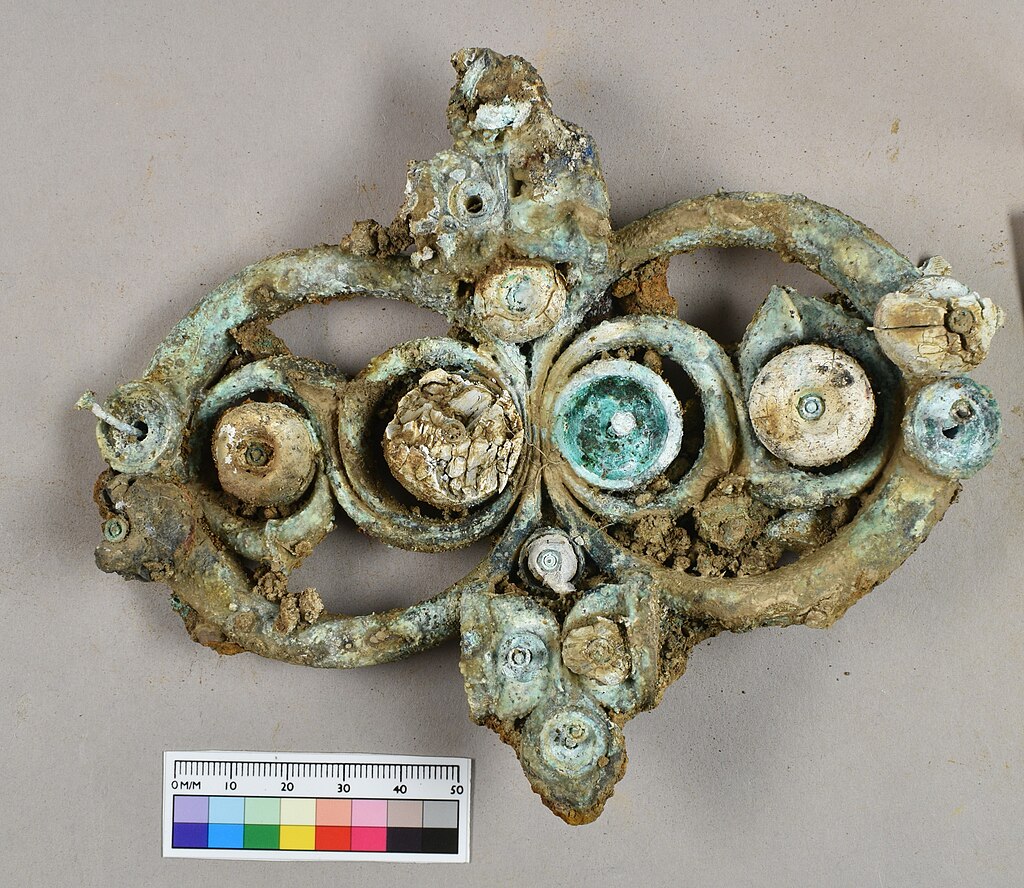
In a quiet field near Melsonby, North Yorkshire, a remarkable discovery has changed what we know about ancient Britain. Archaeologists uncovered more than 800 Iron Age artifacts buried for over two thousand years. The find includes tools, weapons, horse gear, and beautiful bronze pieces that hint at ceremonies and power. Experts call it a “time capsule” of life before the Romans arrived. It tells a story about how people in the north of Britain lived, ruled, and expressed power long before recorded history began.
1. A local detectorist found the treasure and reported it properly.
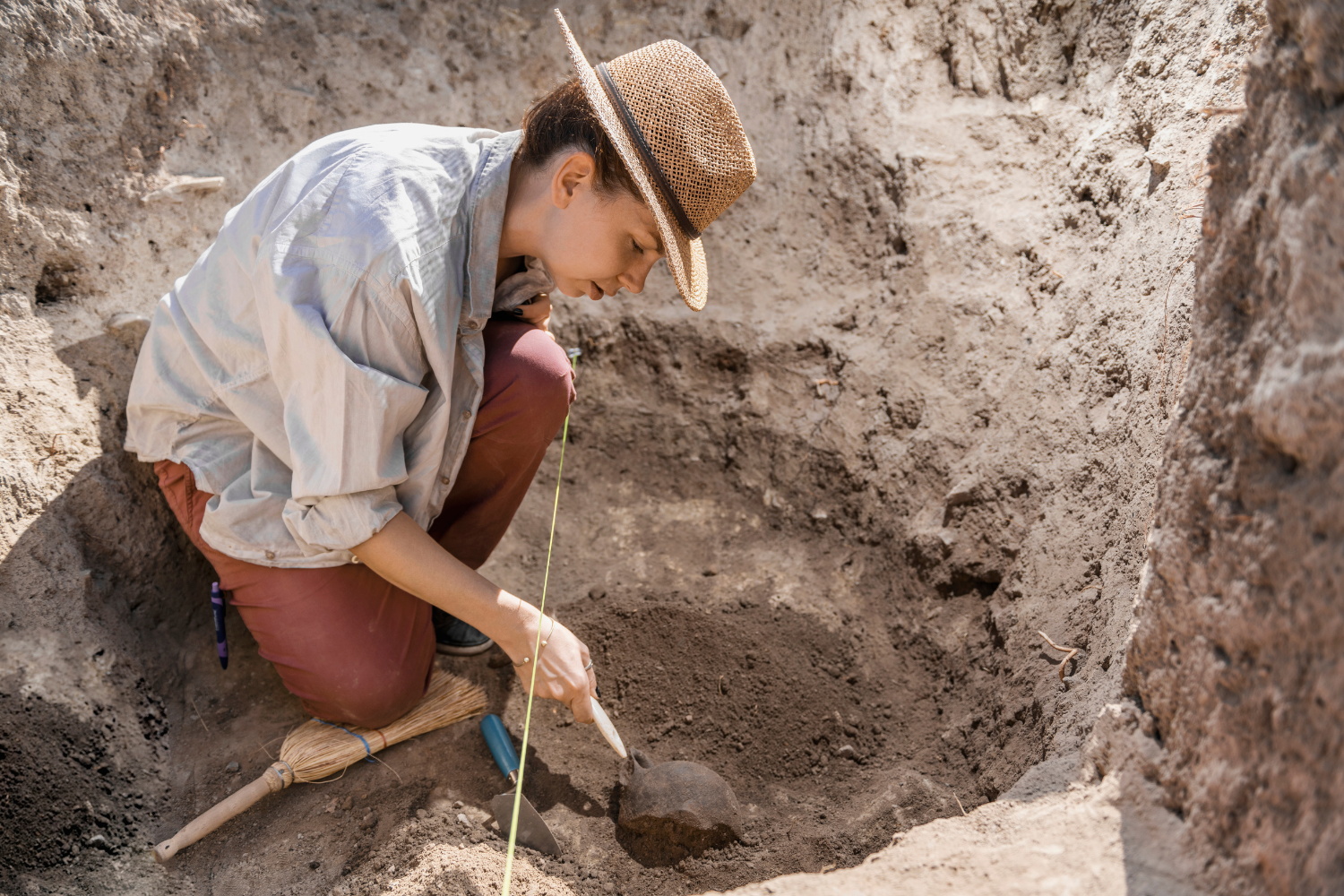
In late 2021, a hobby detectorist named Peter Heads was exploring farmland near Melsonby when his metal detector gave a strong signal. Instead of keeping it secret, he reported it to archaeologists from Durham University, who began careful excavation in 2022 according to the university’s report. His honesty and teamwork made sure the discovery was recorded correctly, preserving the site’s story. That first step—sharing the find responsibly—allowed experts to study not just the objects, but the people and culture behind them.
2. The hoard held more than eight hundred ancient objects.
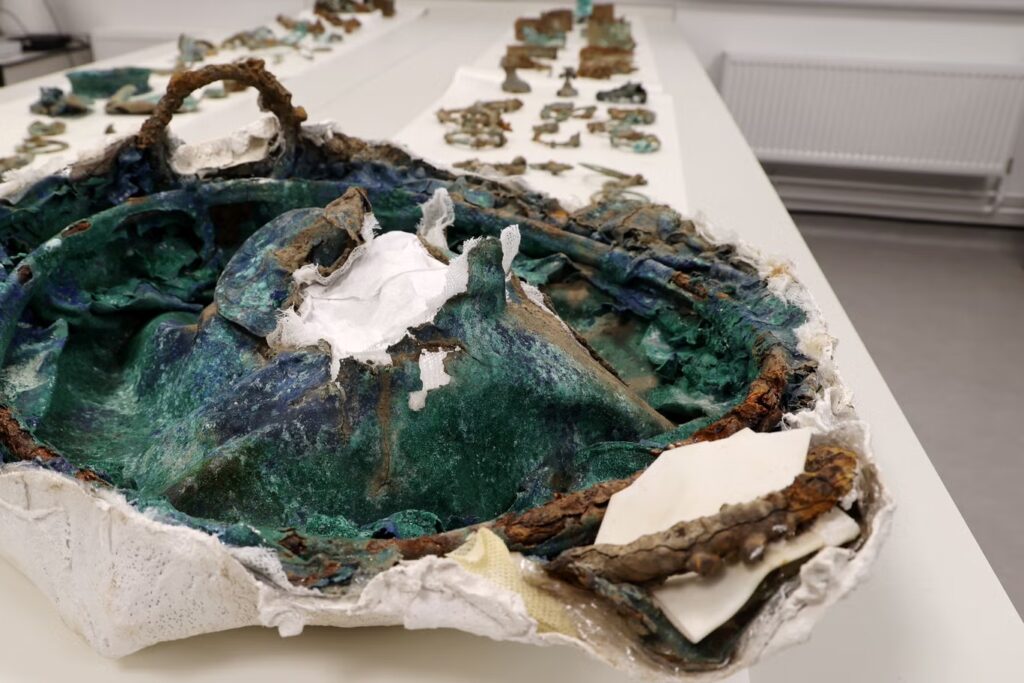
Inside the ground were more than eight hundred pieces of iron and bronze—things like wagon wheels, horse harnesses, weapons, and cooking pots, as stated by researchers working on the site. The number alone is stunning. These weren’t everyday tools but items linked to ceremony, travel, and power. Together they show how people displayed wealth and status. The discovery paints a fuller picture of Iron Age life, where community leaders used art and metalwork to express who they were.
3. Many of the artifacts were burned or broken on purpose.
Archaeologists noticed that many objects were damaged before burial, as discovered by the research team. Some were burnt or bent, others smashed into pieces. This was likely done for ritual reasons rather than by accident. The damage might have marked an offering to gods, a memorial for a leader, or a way to release the objects’ power. It gives a glimpse into how Iron Age people viewed life, death, and the spiritual meaning of their belongings.
4. The discovery challenges old ideas about northern Britain’s past.
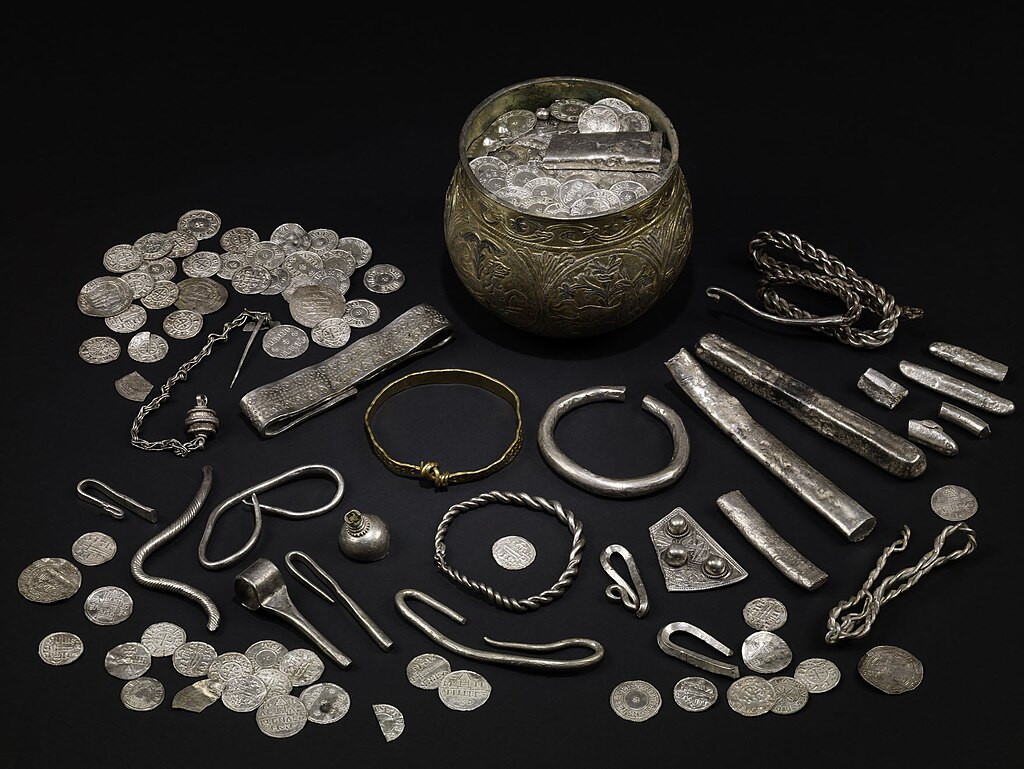
For years, experts thought southern Britain held most of the wealth and culture before the Romans came. But this find changes that view. The Yorkshire hoard shows that the north also had powerful leaders, trade connections, and skilled metalworkers. It suggests that influence and craftsmanship spread widely across the island. The people who buried these objects weren’t isolated—they were part of something much larger.
5. The wagon parts and horse gear show a culture of movement.
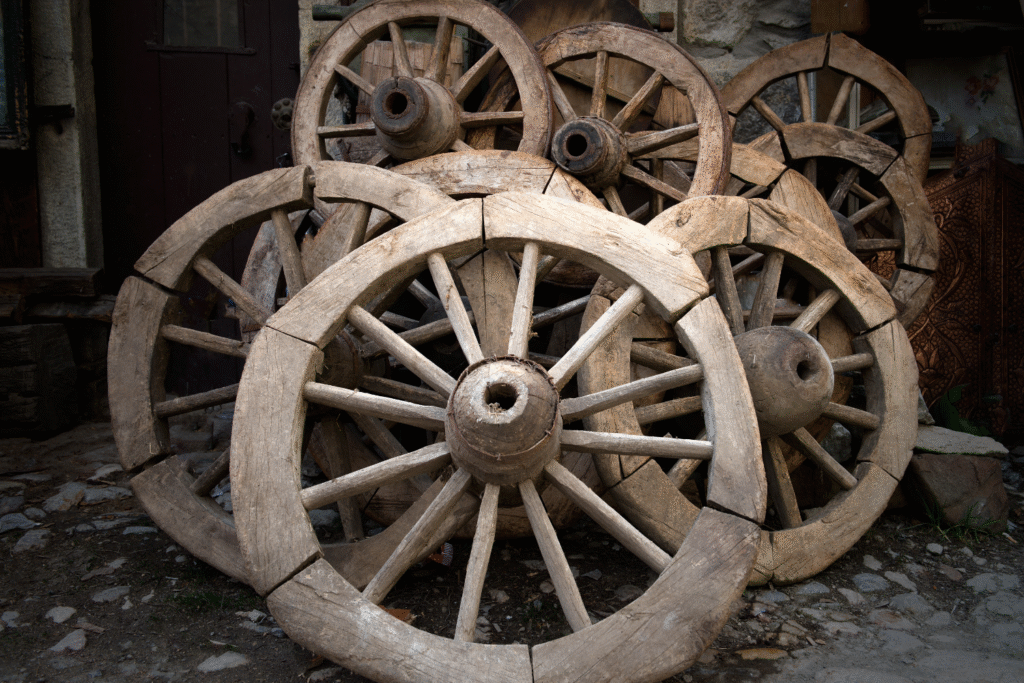
Among the pieces are wagon wheels and fittings for horses. These tell us the people who owned them valued travel and ceremony. Riding or being pulled in a decorated wagon was a sign of power. It was a way to show status during gatherings or rituals. The hoard shows that mobility was tied to prestige—it wasn’t just about getting from one place to another, but about being seen and remembered.
6. The hoard likely belonged to the powerful Brigantes tribe.
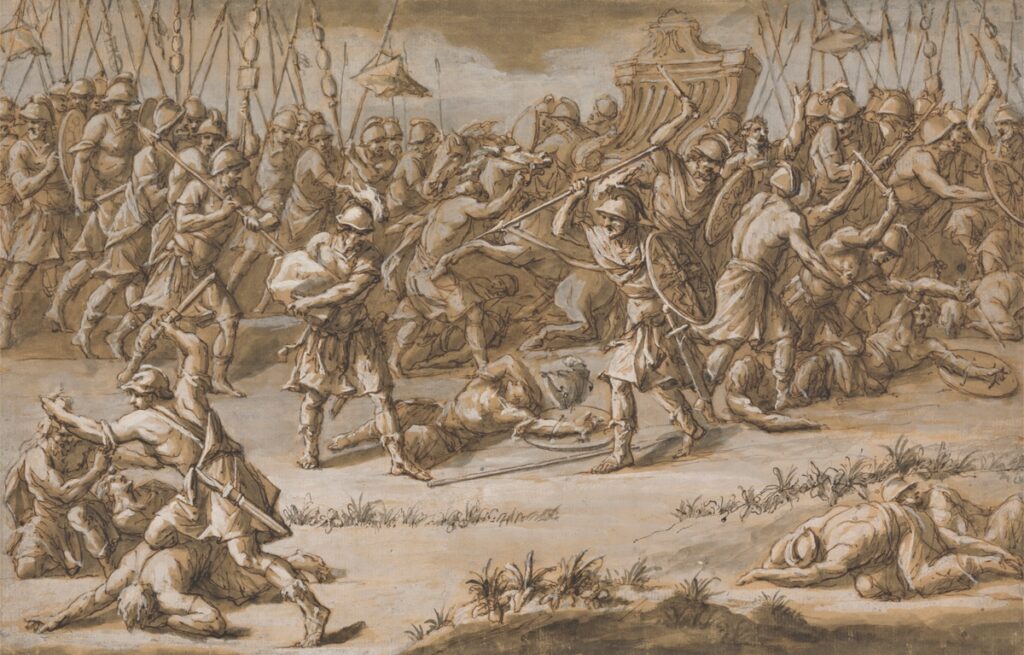
The site sits within the ancient territory of the Brigantes, one of the largest tribes in Iron Age Britain. They ruled much of the north when the Romans began to arrive. The objects may have been part of a ceremony led by their leaders or warriors. If so, the hoard reflects the tribe’s control, traditions, and fears during a time of change. It turns what could have been a local story into one of national importance.
7. Museums are working to protect and share the discovery.
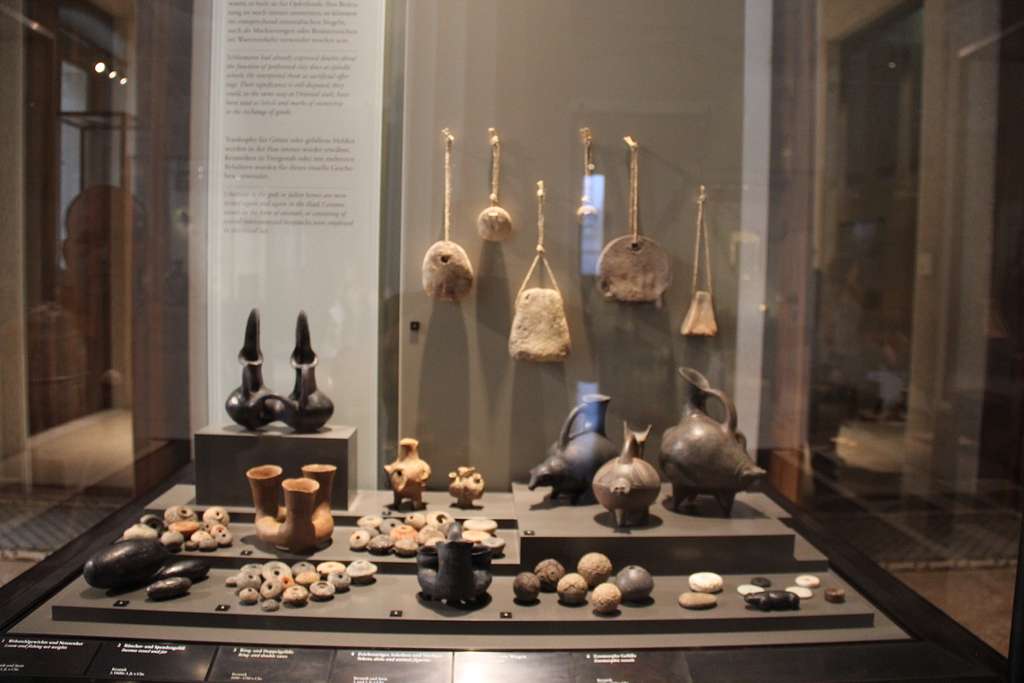
The York Museums Trust has raised money to buy and care for the hoard for public display. They plan to study the items further and keep them together for visitors and researchers. According to museum reports, more than £265,000 was raised to ensure the find stays in Yorkshire. Keeping the pieces united will let future generations learn from them. It’s not just about preserving artifacts—it’s about preserving history itself.
8. Scientists are still studying the materials and their meaning.
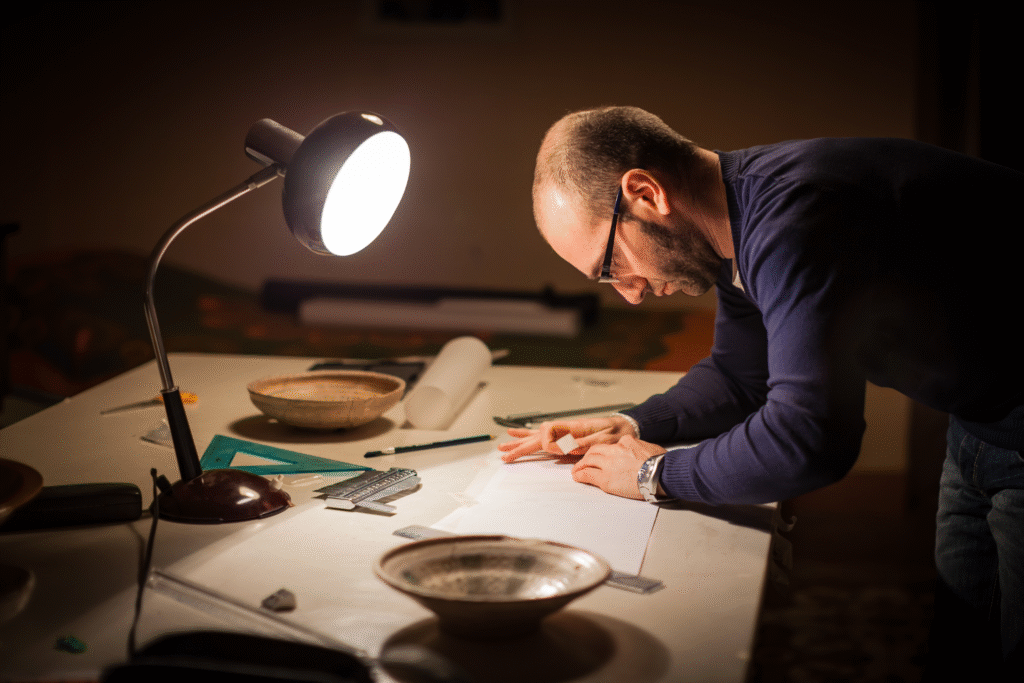
The story of this hoard isn’t finished. Researchers are using scans and lab tests to learn more about how the metal was made, where it came from, and why it was buried. They’re studying soil layers, burn marks, and tool shapes to piece together what happened that day two thousand years ago. Each test adds another clue to how Iron Age communities lived, worked, and celebrated their world.
9. The find captures a turning point before Roman rule.
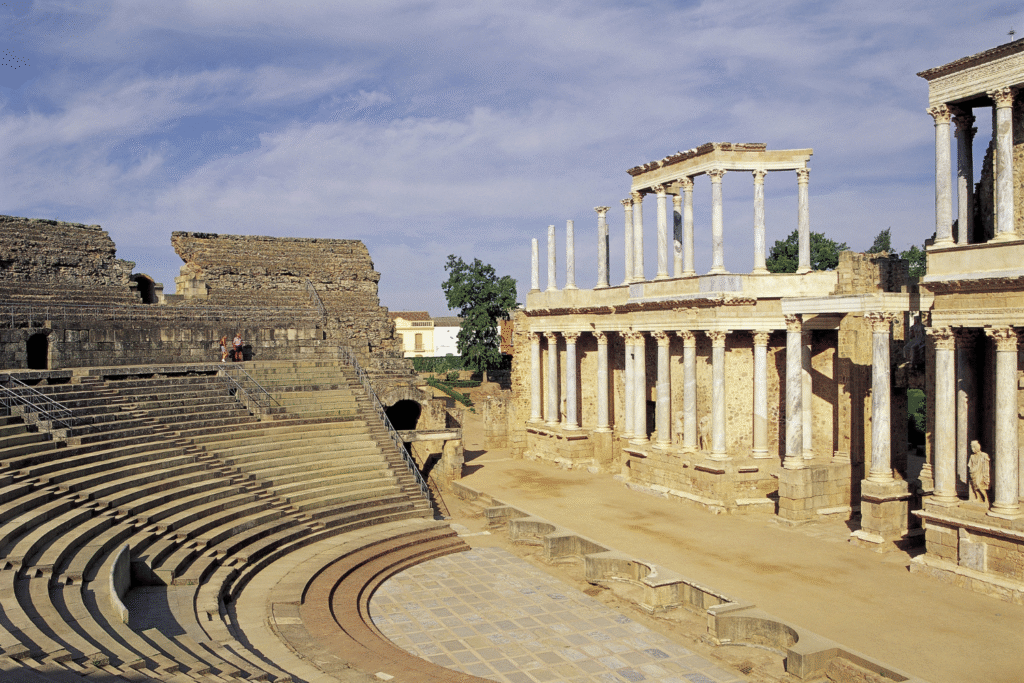
These artifacts were buried around the first century AD—right as Roman soldiers were pushing north. That timing hints at change and uncertainty. Maybe the hoard was buried to protect it, or as part of a final ceremony before a new era began. Whatever the reason, it marks a moment when one world was fading and another was arriving. The Yorkshire hoard preserves that turning point in metal, soil, and memory.
This discovery is more than a pile of old metal. It’s a story about people—how they lived, what they valued, and how they faced change. Each artifact is a voice from the past, reminding us that long before the Romans, Britain was already full of imagination, craftsmanship, and power.